

 Предпросмотр
 Поделиться
 Поделиться
 Детали произведения

 Скачать
 Похожие работы
 Рентгенография
 Слайд-шоу
 Статистика
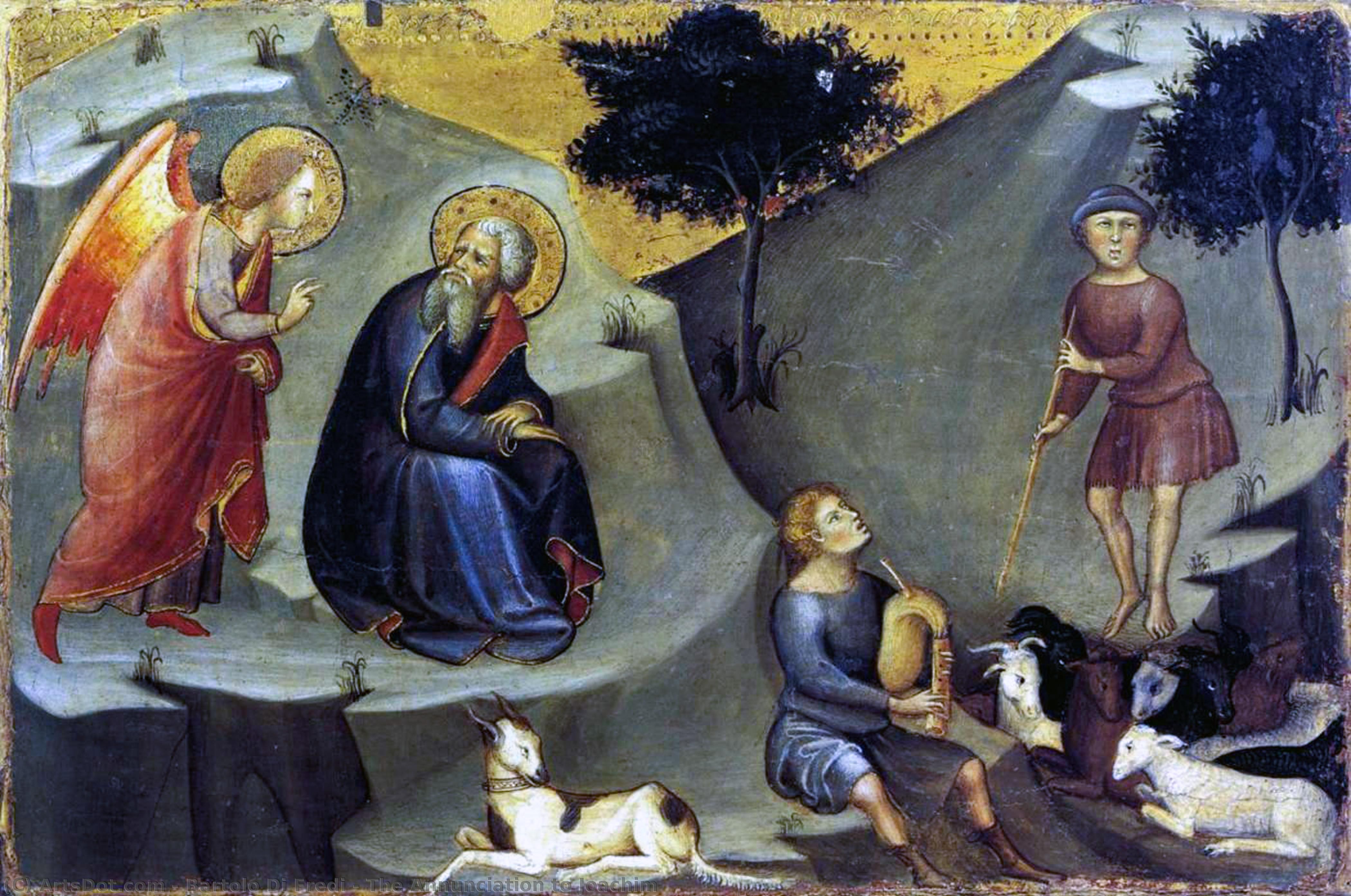
The Annunciation to Joachim
 Tempera On Panel
- Gothic
 1383
1383- Late Medieval
 25.0 x 37.0 cm
 Пинакотека Ватикана
 Читать далее
Приобретите цифровое изображение высокого разрешения в улучшенном качестве, которое значительно превосходит онлайн-превью.
Каждый файл тщательно подготавливается нашими специалистами с использованием передовых инструментов и экспертной ручной ретуши. Мы гарантируем исключительную четкость, точную цветопередачу и детальную проработку каждого изображения.
Финальный файл доставляется по электронной почте в течение 72 часов и оптимизирован для немедленного использования в профессиональной среде, при верстке и печати. Это тот же уровень качества, которому доверяют ведущие дизайнерские студии, издательства и галереи.
Цифровое изображение
Скачайте файл высокого разрешения для личного использования, печати и творческих проектов. ( Перейти к печати Купить картину ручной работы)
Включено в каждый заказ цифровых изображений
Гарантия экспертной цифровой доставки
Выбирая ArtsDot.com, вы получаете не просто изображение — вы приобретаете профессионально обработанное цифровое произведение искусства, созданное с безупречной точностью и под защитой гарантии качества. Вот всё, что автоматически входит в ваш заказ:

Мгновенная доставка по e-mail
Ваш цифровой файл в высоком разрешении будет отправлен вам по электронной почте в течение 72 часов после оформления заказа — и сразу станет доступен для использования.

Цифровой файл с ИИ-улучшением
Ваше произведение искусства проходит профессиональную оптимизацию с использованием передовых инструментов ИИ и ручной обработки, что гарантирует максимальную детализацию, четкость и точность цветопередачи.

Бессрочная бесплатная повторная доставка
Случайно удалили или потеряли файл? Не беспокойтесь — мы отправим его вам повторно в любое время и совершенно бесплатно.

Без импортных пошлин — навсегда
Наслаждайтесь вашим произведением искусства мгновенно без таможенных пошлин, сборов или затрат на доставку — цифровые загрузки всегда не облагаются налогом.

Гарантия точности цветопередачи
Мы гарантируем, что ваше цифровое изображение максимально точно передает оригинальные цвета благодаря использованию профессиональных инструментов и систем управления цветом.

Гарантия удовлетворенности 100 дней
Если вы не будете удовлетворены своим цифровым изображением, мы внесем правки или вернем 100% стоимости в течение 100 дней — без лишних вопросов.

100% Гарантия возврата средств
Не удовлетворены покупкой? Получите полный возврат средств в течение 100 дней после получения цифрового файла — без лишних вопросов.

Скидки на оптовые заказы
Купите 3 изображения, сэкономьте 10% — Купите 5, сэкономьте 15% — Купите 10+, сэкономьте 20%. Отличное решение для творческих проектов, галерей и агентств.
A Divine Encounter in Sienese Gold
In the delicate interplay of light and shadow within The Annunciation to Joachim, we are transported back to the year 1383, into the heart of a spiritual awakening. This exquisite work by the Sienese master Bartolo di Fredi captures a moment of profound celestial communication, where the earthly and the divine converge. The scene unfolds with a rhythmic grace, presenting a landscape populated not just by figures, but by a sense of sacred expectation. As we gaze upon the two men seated upon the rugged rocks, their presence grounded in the physical world, we feel the weight of the divine message being delivered. One figure, clutching a staff, stands as a silent sentinel to this miraculous event, while the surrounding landscape—dotted with the humble presence of sheep and watchful dogs—reminds us that even the most mundane aspects of life are touched by the hand of the divine.
The composition is a masterclass in late Gothic storytelling, where every element serves a narrative purpose. The artist employs a meticulous attention to detail that invites the viewer to linger on the textures of the rocky terrain and the soft forms of the animals. There is a gentle movement within the frame; a musician playing a melodic tune, a figure lost in the contemplation of a book, and the quiet bustle of a religious gathering all contribute to a tapestry of devotion. This is not merely a depiction of a single event, but a celebration of community and shared faith, where the act of worship is woven into the very fabric of the natural world.
The Mastery of the Sienese Gothic Style
To understand this piece is to understand the unique aesthetic of 14th-century Siena. Bartolo di Fredi was a pioneer who bridged the gap between the aristocratic elegance of Simone Martini and the burgeoning humanism of the early Renaissance. In this painting, we see his signature ability to infuse gold-toned luminosity with a sense of narrative depth. The technique relies on a delicate balance of fine lines and rich, saturated pigments that create an ethereal atmosphere. The use of space is not strictly realistic in a modern sense, but rather symbolic; the layering of figures from the foreground into the distant background creates a sense of infinite spiritual importance.
For the discerning collector or interior designer, this artwork offers more than just visual beauty; it provides a focal point of historical gravity. The painting’s ability to evoke emotion through its soft palette and intricate details makes it an ideal centerpiece for spaces that require a touch of contemplative elegance. Whether placed in a grand library or a quiet study, the piece radiates a sense of timelessness. It serves as a window into a bygone era, offering a sophisticated aesthetic that complements both classical and contemporary decor, bringing with it the prestige of the Italian Quattrocento tradition.
Symbolism and Emotional Resonance
Beyond its technical brilliance, The Annunciation to Joachim is a profound meditation on the themes of patience, revelation, and the sanctity of life. The presence of the sheep and the dogs symbolizes the watchful, nurturing nature of faith—the idea that even in the quietest moments of pastoral life, the divine is present. The interaction between the figures, though subtle, suggests a shared understanding of a cosmic truth. This creates an emotional impact that is both soothing and awe-inspiring, making the artwork a powerful tool for creating atmosphere in any high-end setting.
Owning a reproduction of such a significant historical work allows one to preserve this legacy of beauty. It is an invitation to experience the meticulous craftsmanship of Bartolo di Fredi and to surround oneself with the luminous spirit of Sienese art. This piece is not just a decoration; it is a narrative journey, a fragment of history that continues to breathe life into the spaces it inhabits.
Похожие произведения
Биография художника
The Luminous Legacy of Bartolo di Fredi
In the heart of fourteenth-century Tuscany, a period defined by the transition from the ethereal grace of the Gothic era to the burgeoning humanism of the Renaissance, Bartolo di Fredi emerged as a master of light and narrative. Born in Siena around 1330, he was more than just a painter; he was a bridge between two worlds. His work, often characterized by an otherworldly luminosity and a meticulous devotion to detail, captured the spiritual fervor of his age while introducing a decorative complexity that would leave an indelible mark on the Sienese School. To gaze upon a Fredi masterpiece is to enter a realm where the sacred and the ornamental dance in perfect, gilded harmony.
The foundations of his career were deeply rooted in the prestigious guilds of Siena. By 1355, he had officially entered the Arte dei Maestri di Tavola e Dipinto, a milestone that granted him access to the most significant patronage networks in Italy. This professional stability allowed him to collaborate with other luminaries of the era, such as Andrea Varga, on monumental projects like the decoration of the Siena Cathedral. These early years were formative, as he absorbed the aristocratic elegance of Simone Martini and the foundational traditions of Duccio, refining a style that rejected the coldness of strict realism in favor of a more emotive, symbolic beauty.
A Master of Fresco and Narrative Drama
Perhaps the most breathtaking testament to Fredi’s genius is found within the walls of the San Gimignano Cathedral. Between 1356 and 1367, he undertook an ambitious cycle of frescoes that transformed the left aisle into a vivid biblical tapestry. In these works, such as the visceral Killing of the Servants of Job, one can witness his ability to command large-scale compositions with intense dramatic tension. He did not merely depict scenes; he orchestrated them, using color and movement to guide the viewer through stories of profound suffering and divine intervention. His technique in these frescoes showcased an early mastery of illusionistic space, pushing the boundaries of what the Gothic style could achieve.
Beyond the monumental scale of his frescoes, Fredi excelled in the intimate medium of altarpieces. His Annunciation (1383) serves as a quintessential example of his ability to blend the sacred with the exquisite. In this work, the use of light is not merely a technical feat but a theological tool, illuminating the delicate details of the Virgin’s surroundings and creating an atmosphere of profound sanctity. His approach to panel painting allowed for a level of ornamentation—gold leaf, intricate patterns, and fine linework—that satisfied the era's craving for splendor while maintaining a deep, spiritual focus.
Historical Significance and Artistic Influence
The historical importance of Bartolo di Fredi lies in his role as a stylistic pivot. While he remained loyal to the decorative traditions that defined Sienese art, he possessed an innate curiosity for the evolving techniques of his time. He stood at the crossroads of history, preserving the delicate, dreamlike qualities of the late Gothic period while preparing the ground for the more structured, human-centric approach of the Renaissance. His ability to synthesize these opposing forces created a unique visual language that was both nostalgic and forward-looking.
Today, his contributions are recognized as essential components of the Tuscan artistic identity. The legacy of Bartolo di Fredi can be summarized through several key pillars of his impact:
- Stylistic Synthesis: He successfully merged the aristocratic elegance of the Sienese tradition with a new, more dynamic narrative energy.
- Narrative Innovation: His fresco cycles in San Gimignano redefined how biblical stories could be told through large-scale, emotionally charged imagery.
- Decorative Mastery: He elevated the use of color and ornamentation, making the altarpiece a vessel for both devotion and aesthetic wonder.
- Cultural Continuity: As a prominent member of the Sienese guilds, he helped maintain the prestige of Tuscan art during a period of significant social and artistic transition.
Though the tides of art history eventually moved toward the intense realism of later masters, the luminous, enchanted world created by Bartolo di Fredi remains a vital chapter in the story of Western art, reminding us of a time when painting was a window into the divine.
Бартоло Ди Фреди
1330 - 1410 , Италия