

 Предпросмотр
 Поделиться
 Поделиться
 Детали произведения

 Скачать
 Похожие работы
 Рентгенография
 Слайд-шоу
 Статистика
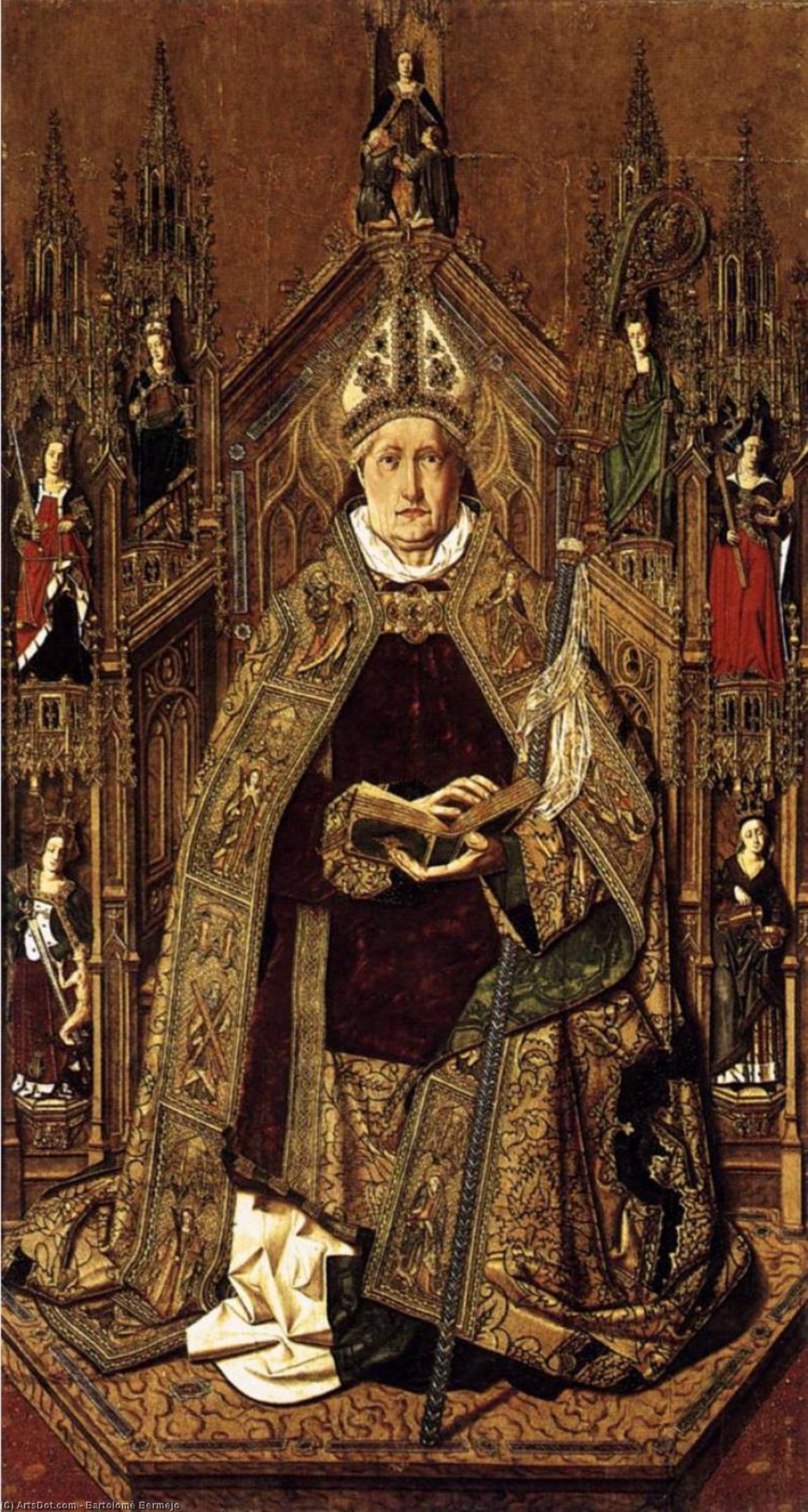
St Dominic Enthroned in Glory
 Acrylic On Canvas
- WallArt
 1474
1474 242.0 x 130.0 cm
 Музей Прадо
 Читать далее
Приобретите цифровое изображение высокого разрешения в улучшенном качестве, которое значительно превосходит онлайн-превью.
Каждый файл тщательно подготавливается нашими специалистами с использованием передовых инструментов и экспертной ручной ретуши. Мы гарантируем исключительную четкость, точную цветопередачу и детальную проработку каждого изображения.
Финальный файл доставляется по электронной почте в течение 72 часов и оптимизирован для немедленного использования в профессиональной среде, при верстке и печати. Это тот же уровень качества, которому доверяют ведущие дизайнерские студии, издательства и галереи.
Цифровое изображение
Скачайте файл высокого разрешения для личного использования, печати и творческих проектов. ( Перейти к печати Купить картину ручной работы)
Включено в каждый заказ цифровых изображений
Гарантия экспертной цифровой доставки
Выбирая ArtsDot.com, вы получаете не просто изображение — вы приобретаете профессионально обработанное цифровое произведение искусства, созданное с безупречной точностью и под защитой гарантии качества. Вот всё, что автоматически входит в ваш заказ:

Мгновенная доставка по e-mail
Ваш цифровой файл в высоком разрешении будет отправлен вам по электронной почте в течение 72 часов после оформления заказа — и сразу станет доступен для использования.

Цифровой файл с ИИ-улучшением
Ваше произведение искусства проходит профессиональную оптимизацию с использованием передовых инструментов ИИ и ручной обработки, что гарантирует максимальную детализацию, четкость и точность цветопередачи.

Бессрочная бесплатная повторная доставка
Случайно удалили или потеряли файл? Не беспокойтесь — мы отправим его вам повторно в любое время и совершенно бесплатно.

Без импортных пошлин — навсегда
Наслаждайтесь вашим произведением искусства мгновенно без таможенных пошлин, сборов или затрат на доставку — цифровые загрузки всегда не облагаются налогом.

Гарантия точности цветопередачи
Мы гарантируем, что ваше цифровое изображение максимально точно передает оригинальные цвета благодаря использованию профессиональных инструментов и систем управления цветом.

Гарантия удовлетворенности 100 дней
Если вы не будете удовлетворены своим цифровым изображением, мы внесем правки или вернем 100% стоимости в течение 100 дней — без лишних вопросов.

100% Гарантия возврата средств
Не удовлетворены покупкой? Получите полный возврат средств в течение 100 дней после получения цифрового файла — без лишних вопросов.

Скидки на оптовые заказы
Купите 3 изображения, сэкономьте 10% — Купите 5, сэкономьте 15% — Купите 10+, сэкономьте 20%. Отличное решение для творческих проектов, галерей и агентств.
St Dominic Enthroned in Glory: A Flemish Echo in Spanish Renaissance
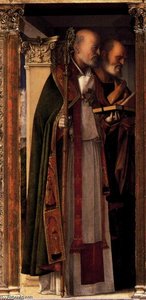
Bartolomé Bermejo stands as an undeniable cornerstone of the Iberian artistic landscape during the late fifteenth century, bridging the gap between Gothic sensibilities and the burgeoning fervor of Early Renaissance ideals. His singular approach—characterized by obsessive detail, dramatic chiaroscuro, and a breathtaking fidelity to realism—established him as one of Spain’s most celebrated painters, securing his place in art history as a pioneer who successfully assimilated Flemish painting methodologies into the established traditions of Spanish artistic expression. While biographical particulars remain shrouded in obscurity due to scant archival documentation, scholarly consensus affirms that he primarily cultivated his creative prowess in Valencia, Zaragoza, Barcelona, and Córdoba during this pivotal period—a testament to the dynamism of artistic innovation across the Iberian Peninsula.- Subject Matter: The artwork depicts Saint Dominic, the revered founder of the Dominican Order, portraying him in a posture of regal dignity and spiritual triumph. He is positioned upon an ornate throne adorned with Gothic carvings, symbolizing ecclesiastical authority and divine grace.
- Style & Technique: Bermejo’s distinctive style embodies the Flemish influence profoundly impacting Spanish art. His meticulous rendering of textures—particularly the intricate embroidery on the saint's robe and the shimmering gold leaf—demonstrates an unparalleled mastery of technique. The artist employed plaster reliefs to sculpt the figures, adding depth and dimensionality to the composition.
- Historical Context: Painted in 1474, this altarpiece reflects the broader artistic currents circulating throughout Europe during the Renaissance. It represents a conscious effort to elevate religious iconography through humanist principles while retaining stylistic elements rooted in Gothic tradition.
- Symbolism: The throne itself serves as a potent symbol of papal power and spiritual leadership, reinforcing Saint Dominic’s role as a champion of piety and intellectual discourse. The careful depiction of light—a hallmark of Flemish painting—highlights the saint's holiness and illuminates the divine realm.
- Emotional Impact: Bermejo’s masterful execution evokes a sense of grandeur and solemn reverence, inviting contemplation on themes of faith, humility, and spiritual aspiration. The artwork’s luminous palette and meticulous detailing convey an emotional resonance that transcends time, captivating viewers with its beauty and conveying the profound significance of Saint Dominic's legacy.
Further Exploration: Flemish Influence & Artistic Innovation
Bermejo’s artistic journey was marked by a transformative encounter with Flemish painting techniques—a pivotal moment that irrevocably altered the trajectory of Spanish art. Artists from Flanders, notably Jan van Eyck and Rogier van der Weyden, championed realism and employed oil paint to achieve unprecedented levels of detail and luminosity. Bermejo skillfully adopted these innovations, elevating his craft to new heights of artistic excellence. His meticulous attention to texture—evident in the depiction of fabrics like velvet and silk—mirrors the Flemish penchant for capturing surface appearances with astonishing accuracy. The artist’s masterful use of chiaroscuro—the dramatic interplay between light and shadow—creates a palpable sense of depth and atmosphere, mirroring the stylistic conventions prevalent in Flemish art studios.Notable Details & Artistic Achievements
Consider the remarkable precision with which Bermejo rendered every element within the composition. The sculptor’s painstaking effort to recreate the intricate Gothic carvings on the throne—a feat of architectural artistry itself—underscores his dedication to capturing visual reality with unwavering fidelity. Similarly, the artist's meticulous depiction of Saint Dominic’s robe—complete with delicate folds and shimmering gold leaf—demonstrates an unparalleled command of technique. This artwork stands as a testament to Bermejo’s artistic genius and exemplifies the transformative impact of Flemish painting on Spanish Renaissance art.Legacy & Artistic Significance
Bartolomé Bermejo's contribution to Iberian art history is undeniable. He solidified his reputation as one of Spain’s foremost painters, establishing a distinctive style that would endure for generations. His unwavering commitment to realism and masterful technique—combined with his successful assimilation of Flemish painting methodologies—secured his place among the artistic luminaries of his era. Today, Bermejo's masterpiece continues to inspire admiration and serves as an enduring symbol of Spanish Renaissance artistry—a testament to the transformative power of artistic innovation and the enduring beauty of visual representation.Похожие произведения


Биография художника
A Flemish Echo in Spanish Renaissance
Bartolomé Bermejo stands as a pivotal figure in the transition between Gothic and Early Renaissance art, particularly within the Iberian Peninsula. His distinctive style—characterized by meticulous detail, dramatic lighting, and masterful realism—earned him recognition as one of the foremost painters of his era and cemented his legacy as a pioneer who successfully assimilated Flemish painting techniques into Spanish artistic traditions. While biographical details remain somewhat elusive due to sparse documentation, scholars agree that he flourished primarily in Valencia, Daroca, Zaragoza, and Barcelona during the latter half of the fifteenth century.
The early life and training of this master remain shrouded in a certain historical mystery. Precise information regarding Bermejo’s birthplace—Córdoba—is debated, with recent research questioning its certainty. However, his artistic activity centered around four key Spanish cities: Valencia (1468), Daroca (1474), Zaragoza (1477–84) and Barcelona (1486–1501). The exact origins of his training remain unknown, yet the exceptional command of oil glazing—a technique perfected by Flemish masters—strongly suggests direct exposure to the artistic innovations originating in Bruges and Ghent. This profound connection to the North allowed him to bring a level of technical sophistication to Spain that was previously unseen.
Mastery of Light and Texture
Bermejo’s oeuvre comprises numerous altarpieces, demonstrating his mastery of large-scale retables with multiple panels. His technique embodies the spirit of Flemish painting, prioritizing meticulous observation and rendering textures with remarkable accuracy. He skillfully employed glazing techniques—applying thin, transparent layers of oil paint—to achieve a luminous depth that seems to glow from within. This method allowed him to capture the sheen of silk, the cold hardness of jewels, and the soft warmth of human skin with an almost tactile quality.
Among his most celebrated achievements are works that showcase both his religious devotion and his technical ambition:
- St Dominic Enthroned in Glory: Completed in 1474, this monumental altarpiece exemplifies the fusion of Flemish painting techniques with Spanish artistic traditions. It features a regal depiction of St. Dominic surrounded by ornate furnishings and vibrant colors, demonstrating Bermejo's unparalleled skill in capturing texture and luminosity.
- Death of the Virgin: Executed around 1460, this work exemplifies the Hispano-Flemish style. Drawing inspiration from masters like Hugo van der Goes, it features meticulous realism and symbolic elements—a poignant depiction of Mary's passing within a richly ornamented chapel setting.
- Pietà of Canon Luis Desplá: This poignant Pietà embodies Flemish realism blended seamlessly into Spanish Renaissance aesthetics. It presents a masterful depiction of Mary cradling Jesus amidst a dramatic mountainous landscape, inviting viewers into a moment of profound sorrow and timeless beauty.
Legacy and Historical Significance
The historical significance of Bartolomé Bermejo lies in his role as a bridge between eras and cultures. Through his monumental triptych of the Virgin of Montserrat in València and his unfinished high altar retables in Santo Domingo de Silos and Santa Anna in Barcelona, he demonstrated an unparalleled skill and ambition that pushed the boundaries of Spanish art. He did not merely copy Northern styles; he synthesized them with a local sensibility to create something entirely unique.
By integrating the intense realism and symbolic depth of the Flemish tradition into the religious landscape of the Iberian Peninsula, Bermejo helped pave the way for the subsequent flowering of the Spanish Renaissance. His ability to manipulate light and shadow to evoke emotion remains a testament to his genius, ensuring that his name continues to resonate with art historians and admirers of fine art alike.
bartolomé bermejo
1440 - 1500 , Spain
Основные сведения
- Artistic Movement Or Style: Flemish Painting
- Artists Or Movements Influenced By This Artist: ['Early Renaissance']
- Artists Who Influenced This Artist:
- Jan van Eyck
- Rogier van der Weyden
- Date Of Birth: c. 1440
- Date Of Death: 1500
- Full Name: Bartolomé de Cárdena
- Nationality: Spanish
- Notable Artworks:
- Saint Michael Triumphs over the Devil
- Christ at the Tomb Supported by Two Angels
- Christ Leading the Patriarchs
- Place Of Birth: Córdoba, Spain