

 Предпросмотр
 Поделиться
 Поделиться
 Детали произведения

 Скачать
 Похожие работы
 Рентгенография
 Слайд-шоу
 Статистика
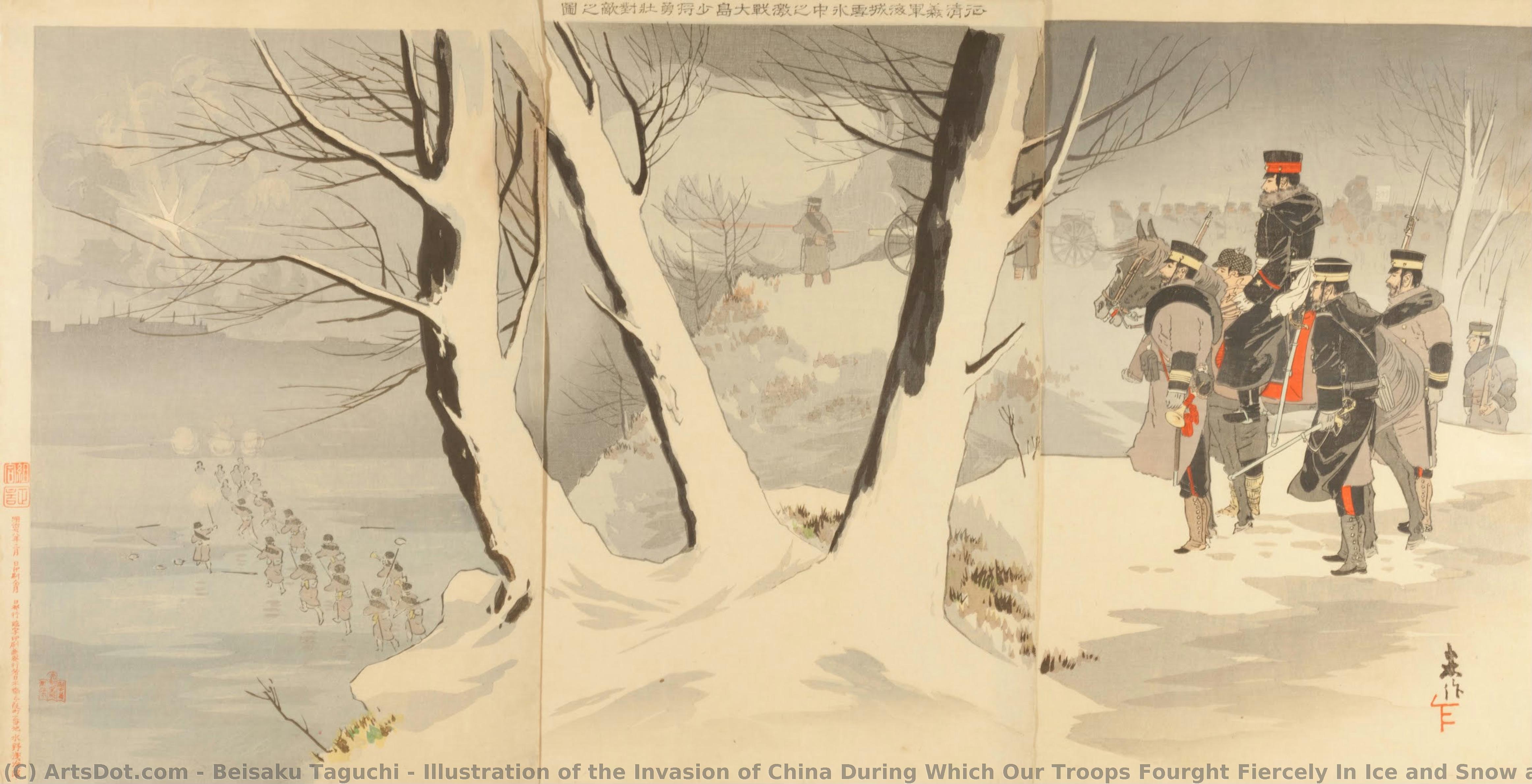
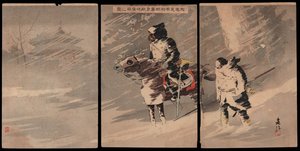
Illustration of the Invasion of China During Which Our Troops Fourght Fiercely In Ice and Snow at Haicheng and Major-General Ōshima Bravely Faced the Enemy


 Читать далее
Приобретите цифровое изображение высокого разрешения в улучшенном качестве, которое значительно превосходит онлайн-превью.
Каждый файл тщательно подготавливается нашими специалистами с использованием передовых инструментов и экспертной ручной ретуши. Мы гарантируем исключительную четкость, точную цветопередачу и детальную проработку каждого изображения.
Финальный файл доставляется по электронной почте в течение 72 часов и оптимизирован для немедленного использования в профессиональной среде, при верстке и печати. Это тот же уровень качества, которому доверяют ведущие дизайнерские студии, издательства и галереи.
Цифровое изображение
Скачайте файл высокого разрешения для личного использования, печати и творческих проектов. ( Перейти к печати Купить картину ручной работы)
Включено в каждый заказ цифровых изображений
Гарантия экспертной цифровой доставки
Выбирая ArtsDot.com, вы получаете не просто изображение — вы приобретаете профессионально обработанное цифровое произведение искусства, созданное с безупречной точностью и под защитой гарантии качества. Вот всё, что автоматически входит в ваш заказ:

Мгновенная доставка по e-mail
Ваш цифровой файл в высоком разрешении будет отправлен вам по электронной почте в течение 72 часов после оформления заказа — и сразу станет доступен для использования.

Цифровой файл с ИИ-улучшением
Ваше произведение искусства проходит профессиональную оптимизацию с использованием передовых инструментов ИИ и ручной обработки, что гарантирует максимальную детализацию, четкость и точность цветопередачи.

Бессрочная бесплатная повторная доставка
Случайно удалили или потеряли файл? Не беспокойтесь — мы отправим его вам повторно в любое время и совершенно бесплатно.

Без импортных пошлин — навсегда
Наслаждайтесь вашим произведением искусства мгновенно без таможенных пошлин, сборов или затрат на доставку — цифровые загрузки всегда не облагаются налогом.

Гарантия точности цветопередачи
Мы гарантируем, что ваше цифровое изображение максимально точно передает оригинальные цвета благодаря использованию профессиональных инструментов и систем управления цветом.

Гарантия удовлетворенности 100 дней
Если вы не будете удовлетворены своим цифровым изображением, мы внесем правки или вернем 100% стоимости в течение 100 дней — без лишних вопросов.

100% Гарантия возврата средств
Не удовлетворены покупкой? Получите полный возврат средств в течение 100 дней после получения цифрового файла — без лишних вопросов.

Скидки на оптовые заказы
Купите 3 изображения, сэкономьте 10% — Купите 5, сэкономьте 15% — Купите 10+, сэкономьте 20%. Отличное решение для творческих проектов, галерей и агентств.
Похожие произведения




Биография художника
Early Life and Artistic Foundations
Taguchi Beisaku, born in Ashikawa, Ibaraki Prefecture, Japan, in 1864, emerged as a significant figure during the transformative Meiji era. His origins lay within a modest rice merchant family, but his destiny led him far beyond the agrarian world of his upbringing. A pivotal move to Tokyo in 1873 marked the beginning of his artistic journey, a period characterized by diligent study under the tutelage of Nakamura Banzan and later, the esteemed Kobayashi Kiyochika. These early influences were foundational, shaping not only Beisaku’s technical skills but also instilling within him a deep appreciation for the evolving landscape of Japanese art.
The Meiji Restoration, with its rapid modernization and embrace of Western ideas, created a dynamic environment where traditional artistic forms coexisted with new styles. Beisaku absorbed these changes, demonstrating an early aptitude for both established techniques and emerging trends. His initial training focused on the fundamentals of woodblock printing – *ukiyo-e* – but his curiosity extended to caricature and narrative illustration, areas in which Kiyochika was a leading innovator.
A Rising Talent: Cartooning and Early Prints
Beisaku quickly distinguished himself as a versatile artist. He became deeply involved in the burgeoning world of Japanese journalism, securing a position at the *Marumaru chinbun* newspaper where he eventually succeeded Kiyochika as chief cartoonist in 1892. This role was crucial to his development; it fostered an ability to convey complex ideas and emotions through concise visual storytelling. He is credited with pioneering serialized short narrative cartoons—a relatively new form of expression at the time—and played a vital part in establishing the foundations for modern manga.
Beyond cartooning, Beisaku’s artistic talents were increasingly focused on woodblock prints. While he initially worked within established *ukiyo-e* conventions, his style began to evolve, demonstrating a growing confidence and unique perspective. He became director of Kiyochika's art school in the mid-1890s, further solidifying his position as an influential figure among younger artists.
The Sino-Japanese War: A Defining Moment
The outbreak of the First Sino-Japanese War (1894-1895) proved to be a defining moment in Beisaku’s career. He responded to the national fervor with a series of powerful woodblock prints depicting scenes from the conflict. These were not merely documentary illustrations; they were emotionally charged narratives that captured the bravery, hardship, and patriotic spirit of the Japanese soldiers. He designed these works as striking triptychs—a traditional format that allowed for expansive storytelling.
Beisaku’s war prints stand out for their skillful depiction of figures and dynamic compositions. While influenced by Kiyochika's earlier work, Beisaku demonstrated a greater mastery in portraying the human element within the chaos of battle. His images resonated deeply with the Japanese public, fueling national pride and solidifying his reputation as a leading artist of the era.
Legacy and Historical Significance
Tragically, Taguchi Beisaku’s life was cut short at the young age of 39 in 1903. Despite his relatively brief career, he left an indelible mark on Japanese art history. He bridged the gap between traditional *ukiyo-e* and modern forms of visual storytelling, playing a crucial role in the development of both narrative woodcuts and early manga.
His war prints remain particularly significant as powerful examples of patriotic art during a period of intense national transformation. They offer valuable insights into Japanese perceptions of conflict, heroism, and national identity at the close of the 19th century. Beisaku’s work continues to be studied and admired for its artistic merit, historical context, and enduring emotional impact.
- Key Influences: Nakamura Banzan, Kobayashi Kiyochika
- Major Themes: Sino-Japanese War, Japanese Patriotism, Narrative Illustration, Tokyo Life
- Artistic Style: Dynamic compositions, skillful figure depiction, emotionally charged narratives.
beisaku taguchi
1864 - 1903