

 Предпросмотр
 Поделиться
 Поделиться
 Детали произведения

 Скачать
 Похожие работы
 Рентгенография
 Слайд-шоу
 Статистика
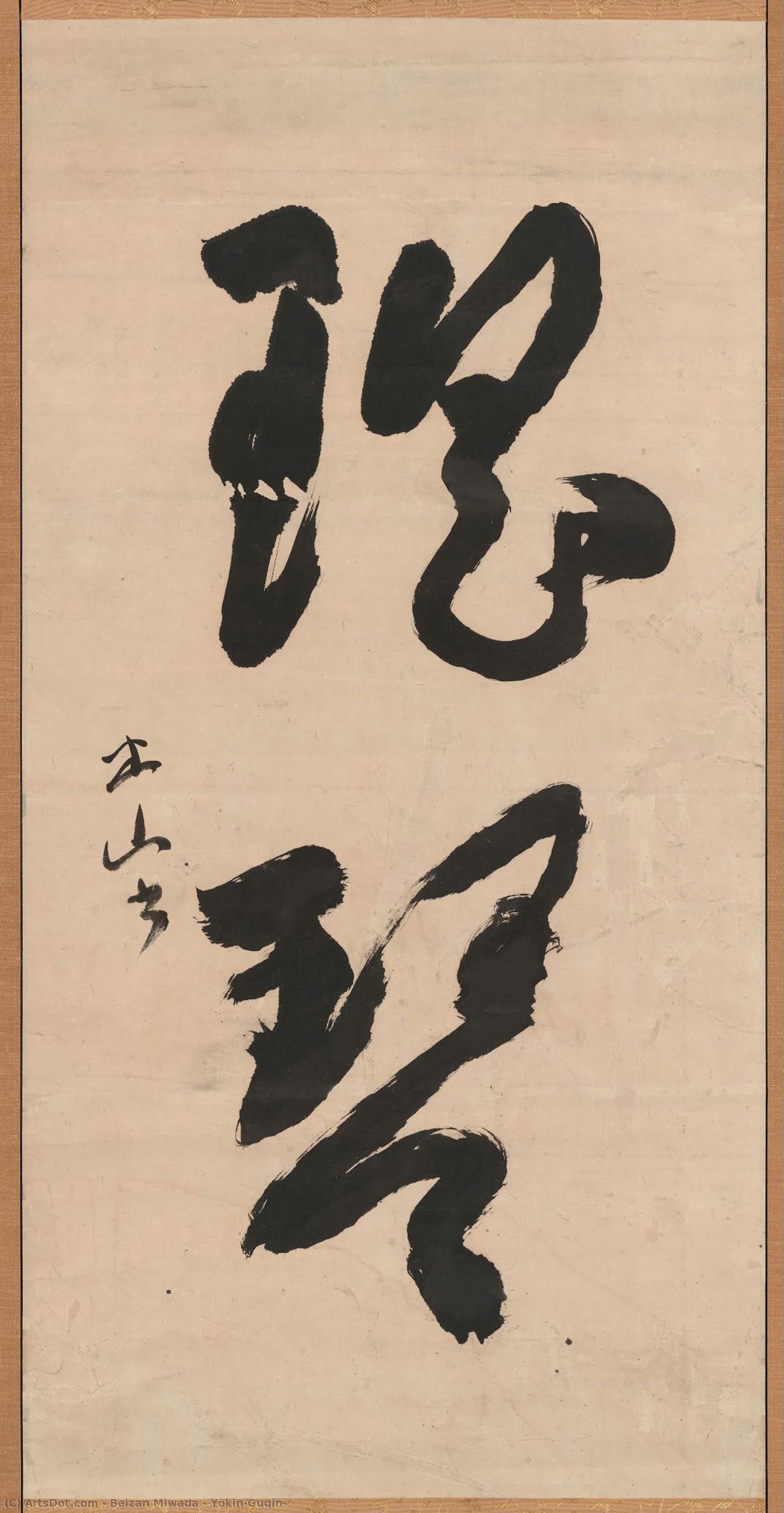
Yōkin(Guqin)
 120.0 x 60.0 cm
 Читать далее
Масляная репродукция ручной работы
Картина маслом на холсте в выбранном вами размере и раме, написанная на заказ нашими художниками. ( Перейти к печати Перейти к цифровым изображениям)




































Выберите один из наших стандартных размеров, соответствующих оригинальным пропорциям произведения искусства.

Вы можете указать собственные размеры, чтобы картина идеально вписалась в выбранную раму или пространство. Если выбранный вами размер не соответствует пропорциям оригинала, мы либо обрежем полотно, либо расширим его за счет дополнительных элементов, написанных вручную. Цифровой макет будет отправлен вам на утверждение перед началом производства.
Обратите внимание, что предварительный просмотр на экране не отражает фактическую обрезку или расширение. Только макет точно покажет окончательную композицию.
Хотя доступны индивидуальные размеры, мы рекомендуем выбирать вариант из предопределенного списка, чтобы сохранить исходные пропорции.
После оформления заказа команда ArtsDot.com свяжется с клиентом по электронной почте для уточнения деталей и предоставит предварительный макет
Доставка по всему миру () за 3–4 недели вместо стандартных 5 недель. (11 Сентябрь). Без компромиссов в качестве.

Бесплатная экспресс-доставка по всему миру

Высококачественный льняной холст

Полное страхование доставки

Гарантия возмещения таможенных пошлин

Гарантия точного соответствия цветов

100-дневная политика возврата (только при обнаружении дефектов)

Гарантия возврата 100% средств

Предложение оптовых скидок
 Вариант со стеклом доступен только для размеров менее 110 см

Yōkin(Guqin)
Техника репродукции
Размер репродукции
-


Итоговая стоимость
$ 263
Похожие произведения










Биография художника
Beizan Miwada: A Legacy of Calligraphy and Shinto Spirit
Beizan Miwada (born unknown, Japan) stands as a singular figure in late 19th and early 20th century Japanese art, primarily recognized for his masterful calligraphy and profound engagement with Shinto beliefs. Though biographical details remain scarce—his birthdate and family history are largely undocumented—his artistic output speaks volumes about the aesthetic sensibilities of his era and continues to resonate with collectors and scholars alike. Miwada’s contribution extends beyond mere artistic creation; he played a pivotal role in shaping the visual identity of Tsukushima Shrine, arguably Japan's most iconic pilgrimage site.Early Life and Artistic Training
Information regarding Miwada’s formative years is fragmentary. He emerged from obscurity to become a respected Shinto priest and calligrapher, suggesting a disciplined upbringing steeped in traditional Japanese culture. Precise details about his formal education are elusive, but it's understood that he honed his skills under the tutelage of prominent masters—a common practice during this period—absorbing techniques and philosophies that would inform his subsequent artistic endeavors. This dedication to craftsmanship underscores the importance of lineage and apprenticeship within Japanese artistic traditions.The ‘Fukurokujyu’ Scrolls: A Symbol of Prosperity
Miwada's fame rests principally upon his creation of “Fuku, from a set of three hanging scrolls ‘Fukurokujyu(Happiness, Salary and Longevity),’” a monumental work embodying the core tenets of Shinto cosmology. These scrolls—measuring 121x51 cm—represent more than just aesthetically pleasing compositions; they are imbued with symbolic significance designed to invoke blessings for good fortune, financial stability, and extended life – aspirations deeply rooted in Japanese cultural values. The meticulous brushstrokes and careful arrangement of characters reflect a profound understanding of calligraphy’s ability to communicate spiritual essence.Inscription on Tsukushima Shrine Pillars: A Momentary Reflection
Perhaps Miwada's most enduring legacy lies in his involvement with Tsukushima Shrine, where he inscribed the characters “nenpojinraku”(人並みにして良長)—meaning "people delight in a rich harvest"—on the shrine’s pillars. This act solidified Miwada’s reputation as a cultural custodian and cemented his place within Japan's artistic canon. The inscription itself serves as a poignant reminder of humanity’s connection to nature and its pursuit of harmonious existence – themes central to Shinto spirituality and reflected in Miwada’s broader artistic vision.Auction Records and Artistic Style
Beizan Miwada’s works have achieved considerable recognition within the art market, garnering bids ranging from $462 to $774 at auction houses internationally. This demonstrates not only the enduring appeal of his calligraphy but also its ability to transcend geographical boundaries. His style is characterized by a serene elegance—a hallmark of Zen Buddhism and Shinto aesthetics—marked by balanced compositions and understated tonal variations. Miwada’s meticulous attention to detail speaks to an unwavering commitment to preserving traditional artistic conventions while simultaneously expressing profound spiritual contemplation.Conclusion: An Artist Embodied in Tradition
Beizan Miwada's contribution to Japanese art is undeniable, securing his place as a pivotal figure in the late nineteenth and early twentieth centuries. His calligraphy—particularly the ‘Fukurokujyu’ scrolls—continues to inspire admiration for its beauty and symbolic depth, while his involvement with Tsukushima Shrine underscores his role as a champion of Shinto beliefs. Miwada's legacy serves as an exemplar of artistic integrity and spiritual devotion—a testament to the transformative power of art to encapsulate cultural values and endure across generations.
beizan miwada
Japan
Основные сведения
- Artistic Movement Or Style: Calligraphy
- Date Of Death: Before 1905
- Full Name: Beizan Miwada
- Nationality: Japanese
- Notable Artworks: ['Fuku, from a set of three hanging scrolls ‘Fukurokujyu(Happiness, Salary and Longevity)’']
- Place Of Birth: Japan