

 Предпросмотр
 Поделиться
 Поделиться
 Детали произведения

 Скачать
 Похожие работы
 Рентгенография
 Слайд-шоу
 Статистика
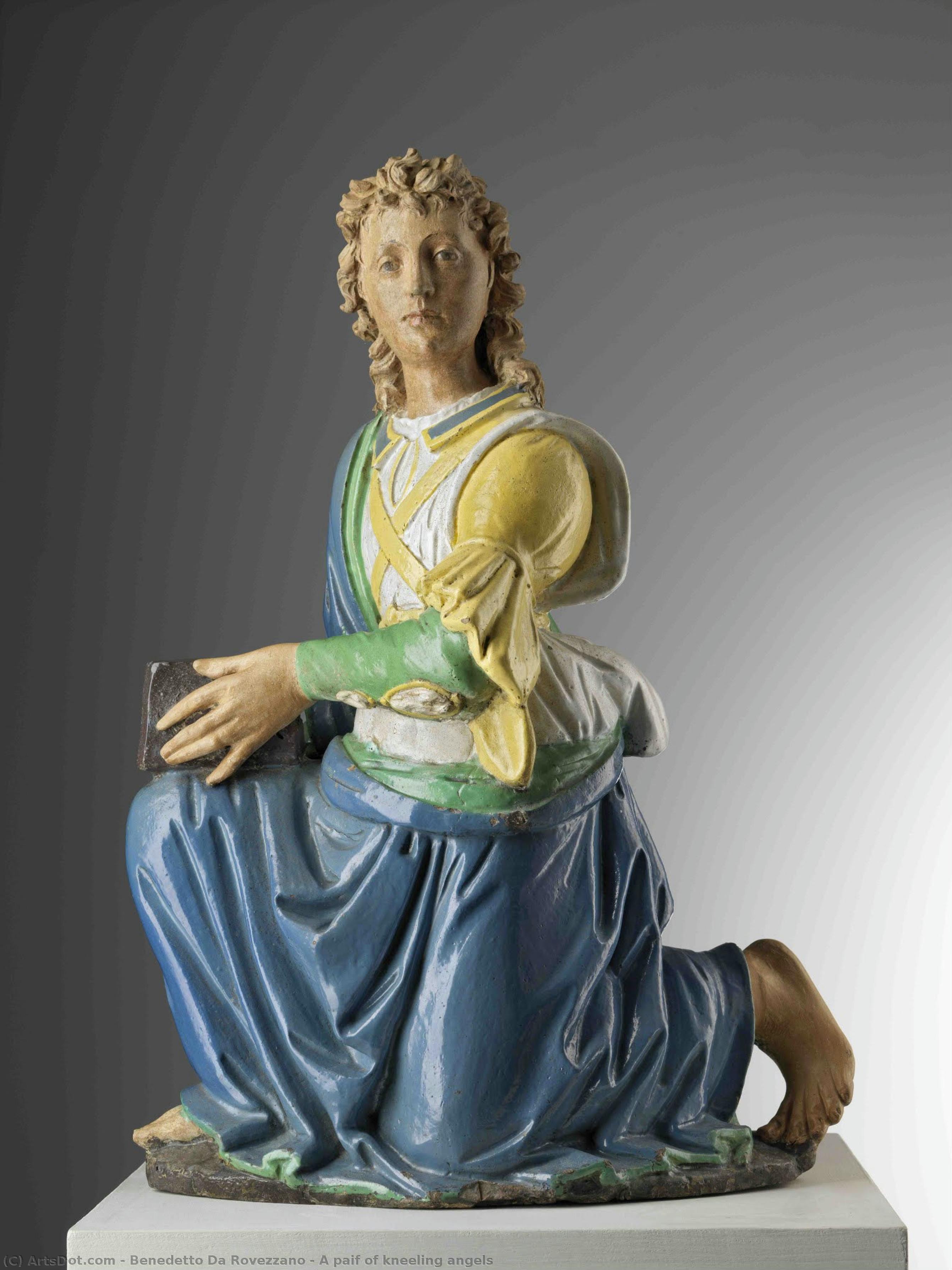
A paif of kneeling angels
 50.0 x 69.0 cm
 Biennale Internazionale dell'Antiquariato di Firenze
 Читать далее
Масляная репродукция ручной работы
Картина маслом на холсте в выбранном вами размере и раме, написанная на заказ нашими художниками. ( Перейти к печати Перейти к цифровым изображениям)




































Выберите один из наших стандартных размеров, соответствующих оригинальным пропорциям произведения искусства.

Вы можете указать собственные размеры, чтобы картина идеально вписалась в выбранную раму или пространство. Если выбранный вами размер не соответствует пропорциям оригинала, мы либо обрежем полотно, либо расширим его за счет дополнительных элементов, написанных вручную. Цифровой макет будет отправлен вам на утверждение перед началом производства.
Обратите внимание, что предварительный просмотр на экране не отражает фактическую обрезку или расширение. Только макет точно покажет окончательную композицию.
Хотя доступны индивидуальные размеры, мы рекомендуем выбирать вариант из предопределенного списка, чтобы сохранить исходные пропорции.
После оформления заказа команда ArtsDot.com свяжется с клиентом по электронной почте для уточнения деталей и предоставит предварительный макет
Доставка по всему миру () за 3–4 недели вместо стандартных 5 недель. (12 Сентябрь). Без компромиссов в качестве.

Бесплатная экспресс-доставка по всему миру

Высококачественный льняной холст

Полное страхование доставки

Гарантия возмещения таможенных пошлин

Гарантия точного соответствия цветов

100-дневная политика возврата (только при обнаружении дефектов)

Гарантия возврата 100% средств

Предложение оптовых скидок
 Вариант со стеклом доступен только для размеров менее 110 см

A paif of kneeling angels
Техника репродукции
Размер репродукции
-


Итоговая стоимость
$ 263
Похожие произведения







Биография художника
The Elegant Sculptor of Renaissance Florence
Benedetto Grazzini, known to history by the more evocative moniker Benedetto da Rovezzano, remains one of the most refined yet understated voices of the Florentine Renaissance. Born in Pistoia around 1474, his life and artistry were inextricably linked to the vibrant pulse of Florence, a city that served as both his sanctuary and his greatest stage. While the annals of art history often reserve their loudest praises for the monumental genius of Michelangelo, Rovezzano offered a different kind of mastery—one defined by an exquisite elegance, a delicate command of form, and a subtle emotional resonance that spoke to the sophisticated tastes of the era's most powerful patrons.
His artistic lineage was rooted in tradition, as the son of the artist Bartolommeo de’ Grazzini, which provided him with an early immersion in the tactile language of sculpture. As he matured, his style began to absorb the revolutionary currents flowing through Tuscany. He drew profound inspiration from the expressive realism of Donatello and the naturalistic innovations of Masaccio, blending these influences into a signature approach that sought to capture not merely the physical presence of a subject, but its internal spirit. This pursuit of grace and depth is evident in his early commissions, such as the marble singing-gallery for Genoa and the poignant figures created for the tomb of Louis, Duke of Orléans, works that signaled the arrival of a sculptor capable of profound tenderness.
A Journey Across Borders and Eras
Rovezzano’s career was marked by an extraordinary geographical and professional breadth, stretching far beyond the walls of Florence. In 1505, he embarked on one of his most ambitious undertakings: the marble sepulchre of St. Giovanni Gualberto for Santa Trinità. This monumental project, though tragically damaged during the Siege of Florence in 1530, left behind reliefs that showcase his characteristic linear precision and sculptural lyricism. Yet, his ambitions were not confined to Italy. By 1524, Rovezzano had traveled to England, where he found himself under the patronage of the powerful Cardinal Wolsey.
In the English court, he undertook the creation of a magnificent tomb adorned with bronze statuettes—a work so impressive that King Henry VIII later claimed it for his own. This period of international service highlights Rovezzano’s status as an artist of European significance, capable of translating Florentine refinement into the grander, more imposing language required by the Tudor monarchy. His ability to navigate the shifting political landscapes of Europe allowed him to weave a legacy that connected the artistic heart of Italy with the burgeoning courts of the North.
Legacy and the Twilight of a Master
The final chapters of Rovezzano’s life were as dramatic as his early triumphs. Returning to Florence, he continued to contribute to the city's sacred architecture, including works for the Badia Fiorentina and the portal of Santi Apostoli. However, the light of his creative vision was eventually obscured by physical darkness; historical accounts suggest that Rovezzano succumbed to blindness in his later years. Even in this period of diminished sight, his dedication to his craft endured, as seen in the Sernigiani Altar, a work assembled from the fragments of his earlier, lost monuments—a poignant testament to an artist reconstructing his legacy from the remnants of his past.
To study the work of Benedetto da Rovezzano is to encounter the true essence of Renaissance grace. His contributions can be summarized through several enduring hallmarks:
- Refined Elegance: A departure from raw muscularity in favor of sophisticated, flowing lines and graceful drapery.
- Emotional Nuance: An ability to imbue marble and bronze with a subtle, humanistic depth that resonates with the viewer.
- Architectural Integration: A masterful skill in designing sculptural elements that harmonize perfectly with larger architectural structures, such as tombs and altars.
- International Influence: A rare ability to bridge the gap between the Italian Renaissance style and the aesthetic demands of the English Renaissance.
Though he may not have commanded the sheer scale of the High Renaissance giants, Rovezzano’s importance lies in his role as a custodian of elegance. He represents the sophisticated, lyrical side of an era often remembered only for its power, reminding us that the true strength of the Renaissance lay as much in its delicate beauty as in its monumental triumphs.
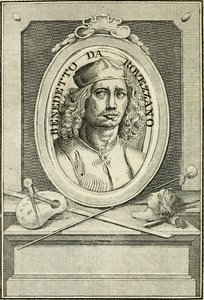
benedetto da rovezzano
1474 - 1554 , Italy
Основные сведения
- Artistic Movement Or Style: Renaissance Sculpture
- Artists Or Movements Influenced By This Artist: ['Italian Renaissance']
- Artists Who Influenced This Artist:
- Donatello
- Masaccio
- Date Of Birth: 1474, Canapale
- Date Of Death: c. 1552, Vallombrosa
- Full Name: Benedetto Grazzini
- Nationality: Italian
- Notable Artworks:
- St. John the Baptist
- Martyrdom of St. Lawrence
- Place Of Birth: Pistoia, Italy