


 Предпросмотр
 Поделиться
 Поделиться
 Детали произведения

 Скачать
 Похожие работы
 Рентгенография
 Слайд-шоу
 Статистика
Head of Saint Paul
 Oil On Canvas
- WallArt
- Baroque
 1673
1673 56.0 x 52.0 cm
 Ham House
 Читать далее
Приобретите цифровое изображение высокого разрешения в улучшенном качестве, которое значительно превосходит онлайн-превью.
Каждый файл тщательно подготавливается нашими специалистами с использованием передовых инструментов и экспертной ручной ретуши. Мы гарантируем исключительную четкость, точную цветопередачу и детальную проработку каждого изображения.
Финальный файл доставляется по электронной почте в течение 72 часов и оптимизирован для немедленного использования в профессиональной среде, при верстке и печати. Это тот же уровень качества, которому доверяют ведущие дизайнерские студии, издательства и галереи.
Цифровое изображение
Скачайте файл высокого разрешения для личного использования, печати и творческих проектов. ( Перейти к печати Купить картину ручной работы)
Включено в каждый заказ цифровых изображений
Гарантия экспертной цифровой доставки
Выбирая ArtsDot.com, вы получаете не просто изображение — вы приобретаете профессионально обработанное цифровое произведение искусства, созданное с безупречной точностью и под защитой гарантии качества. Вот всё, что автоматически входит в ваш заказ:

Мгновенная доставка по e-mail
Ваш цифровой файл в высоком разрешении будет отправлен вам по электронной почте в течение 72 часов после оформления заказа — и сразу станет доступен для использования.

Цифровой файл с ИИ-улучшением
Ваше произведение искусства проходит профессиональную оптимизацию с использованием передовых инструментов ИИ и ручной обработки, что гарантирует максимальную детализацию, четкость и точность цветопередачи.

Бессрочная бесплатная повторная доставка
Случайно удалили или потеряли файл? Не беспокойтесь — мы отправим его вам повторно в любое время и совершенно бесплатно.

Без импортных пошлин — навсегда
Наслаждайтесь вашим произведением искусства мгновенно без таможенных пошлин, сборов или затрат на доставку — цифровые загрузки всегда не облагаются налогом.

Гарантия точности цветопередачи
Мы гарантируем, что ваше цифровое изображение максимально точно передает оригинальные цвета благодаря использованию профессиональных инструментов и систем управления цветом.

Гарантия удовлетворенности 100 дней
Если вы не будете удовлетворены своим цифровым изображением, мы внесем правки или вернем 100% стоимости в течение 100 дней — без лишних вопросов.

100% Гарантия возврата средств
Не удовлетворены покупкой? Получите полный возврат средств в течение 100 дней после получения цифрового файла — без лишних вопросов.

Скидки на оптовые заказы
Купите 3 изображения, сэкономьте 10% — Купите 5, сэкономьте 15% — Купите 10+, сэкономьте 20%. Отличное решение для творческих проектов, галерей и агентств.
The Serene Contemplation: Benedetto Gennari’s ‘Head of Saint Paul’
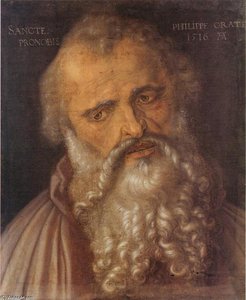
Benedetto Gennari the Younger's “Head of Saint Paul,” painted in 1673, is more than just a portrait; it’s a profound meditation on faith, age, and the quiet dignity of spiritual reflection. This oil-on-canvas work, currently residing within the hallowed halls of the Ham House museum in Richmond, England, offers a rare glimpse into the soul of a man – Saint Paul himself – captured with an arresting blend of realism and evocative symbolism. The painting immediately draws the viewer in, not with dramatic gesture or vibrant color, but with a subtle intensity born from the subject’s gaze, lost in a world of inner thought.
Gennari, a prominent figure within the Italian Baroque movement, inherited a rich artistic lineage from his grandfather and father. Trained under the influential Guercino, he absorbed the master's signature use of dramatic light and shadow – techniques that are brilliantly deployed here to sculpt Paul’s face and create an atmosphere of contemplative solemnity. The artist skillfully utilizes chiaroscuro, emphasizing the folds of the beard and the texture of the skin while receding into a dark background, effectively isolating the figure and intensifying his emotional state.
A Study in Detail: Unpacking the Symbolism
The painting’s power lies not just in its technical mastery but also in its carefully considered symbolism. Notice first the subject's white hair and beard – a visual representation of wisdom, experience, and the passage of time. Yet, juxtaposed against this venerable appearance is the prominent bald spot on his head, a deliberate detail that speaks volumes about human vulnerability and mortality. It’s a poignant reminder that even the most revered figures are not immune to the realities of aging and loss. The dark background serves as a powerful visual anchor, drawing all attention to Paul's face and amplifying the sense of introspection.
The composition itself is remarkably restrained. Paul sits in profile, his head slightly bowed, suggesting a deep contemplation or perhaps even sorrow. There’s no overt display of piety or religious fervor; instead, we witness a quiet, almost melancholic serenity. The artist masterfully conveys the weight of experience and the burden of faith through subtle gestures and facial expressions.
Historical Context & Artistic Legacy
Created during the height of the Baroque period, “Head of Saint Paul” reflects the era’s fascination with religious themes and its emphasis on emotional intensity. Gennari served royal courts in France and England, adapting his style to suit the tastes of various patrons while maintaining a distinct artistic identity. His portraits were highly sought after by European nobility, and this work exemplifies his ability to capture both physical likeness and psychological depth – qualities that made him one of the most respected artists of his time.
The painting’s enduring appeal lies in its timeless quality. It transcends mere representation, offering a profound meditation on human nature, faith, and the mysteries of the soul. Reproductions of “Head of Saint Paul” provide an accessible way to experience this masterpiece, allowing art lovers to bring a touch of Baroque serenity into their homes or offices.
Resources for Further Exploration
Похожие произведения




_-_Head_of_Saint_Paul_-_1140136_-_National_Trust.jpg)
Биография художника
Benedetto Gennari II (1633-1715): Italian Baroque Painter & Portraitist
Benedetto Gennari II, born in Cento, Italy, in 1633, emerged from a distinguished lineage of artists—a legacy destined to etch his name into the annals of Baroque art. As the grandson of Benedetto Gennari I and brother to Cesare Gennari, he inherited not merely familial artistic tradition but also an instinctive understanding of painting’s transformative power—a conviction nurtured by his father, Ercole Gennari, and mother Lucia Barbieri. His formative years unfolded under the watchful gaze of Guercino, whose dramatic manipulation of light and shadow, profound emotional resonance, and dynamic compositional strategies served as foundational principles for Gennari's nascent artistic style. This tutelage instilled within him meticulous technique and a discerning eye—qualities that would underpin his enduring success.Early Training & Influences: The Guercino Legacy
The influence of Guercino was paramount to Benedetto’s artistic development. Recognizing the maestro’s masterful command of chiaroscuro, Gennari diligently studied Guercino's techniques—capturing the interplay between illumination and darkness with unparalleled precision. More importantly, Guercino instilled in him a sensitivity to emotional expression—a conviction that Gennari would carry throughout his career. This profound understanding of artistic psychology informed his portrayal of human subjects, imbuing them with depth and nuance. Furthermore, Guercino’s compositional innovations—particularly the use of diagonal lines and asymmetrical arrangements—served as inspiration for Gennari's own explorations of visual dynamism. These formative experiences solidified Guercino’s indelible mark on Gennari’s artistic vision—a legacy that would continue to shape his oeuvre for decades to come.A Cosmopolitan Career: From Bologna to Royal Courts
Following Guercino’s passing in 1672, Benedetto and Cesare jointly assumed stewardship of the maestro’s studio—ensuring the preservation of Guercino’s artistic ethos while simultaneously affording them space to cultivate their individual creative voices. However, Gennari possessed an irrepressible spirit—a yearning that transcended the confines of Bologna. Driven by ambition and fueled by admiration for Louis XIV, he embarked on a transformative journey to Paris in March 1672—seeking opportunities within the opulent court of France. His talent swiftly garnered recognition among Parisian nobility—resulting in a cascade of commissions that prolonged his residence in France and broadened his artistic horizons. Exposure to French aesthetic sensibilities introduced him to new stylistic considerations—influencing his subsequent work. In September 1674, Gennari continued his travels—establishing himself as a celebrated portraitist in London where he served both King Charles II and James II—capturing the grandeur of royal life with remarkable skill.The Art of Portraiture: Capturing Essence & Dignity
Benedetto Gennari II distinguished himself as an exceptional portraitist—a vocation that would define his artistic reputation. Unlike many of his contemporaries, Gennari eschewed mere likeness—instead striving to convey not only physical appearance but also the inner character and psychological complexity of his subjects. He achieved this feat through meticulous observation—analyzing facial expressions, posture, and gesture with unwavering attention to detail. Moreover, Gennari skillfully employed color palettes—creating harmonious compositions that reflected both individual personality and social status. His portraits possessed a palpable sense of dignity—reflecting the virtues he sought to portray in his sitters—and imbued them with an emotional resonance that captivated viewers. He elevated portraiture beyond mere representation—transforming it into a form of artistic expression—a testament to his profound understanding of human psychology and visual artistry.Legacy & Artistic Innovation: Embracing Northern European Influences
Gennari’s artistic trajectory wasn't static—it was marked by continuous evolution—propelled by his travels and engagement with diverse artistic traditions. While initially deeply rooted in Guercino’s stylistic precepts, he gradually assimilated elements from Northern European painting—incorporating techniques of perspective and tonal gradation into his compositions. This synthesis resulted in a more nuanced approach to visual representation—reflecting the broader cultural currents of his time. His mythological paintings—particularly those commissioned for King Charles II—demonstrated his mastery of classical iconography—while simultaneously embracing innovative compositional strategies. Gennari’s unwavering commitment to artistic excellence culminated in his membership of the Accademia Clementina—where he championed experimentation and fostered a vibrant intellectual environment. Benedetto Gennari II remains an enduring symbol of Baroque artistry—a testament to his technical prowess, artistic sensitivity, and lasting contribution to European art history.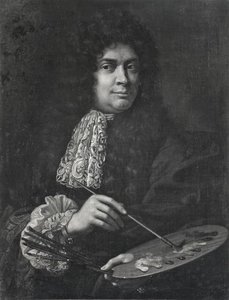
Бендетто Дженнари (Младший)
1633 - 1715 , Италия
Основные сведения
- Artistic Movement Or Style: Барокко
- Artists Who Influenced This Artist: ['Гуэрчино']
- Date Of Birth: 1633
- Date Of Death: 1715
- Full Name: Benedetto Gennari II
- Nationality: Итальянский
- Notable Artworks:
- Портрет Гуэрчино
- Клеопатра
- Сказки Овидия Метаморфоз
- Place Of Birth: Cento, Италия