 Предпросмотр
 Поделиться
 Поделиться
 Детали произведения

 Скачать
 Похожие работы
 Рентгенография
 Слайд-шоу
 Статистика
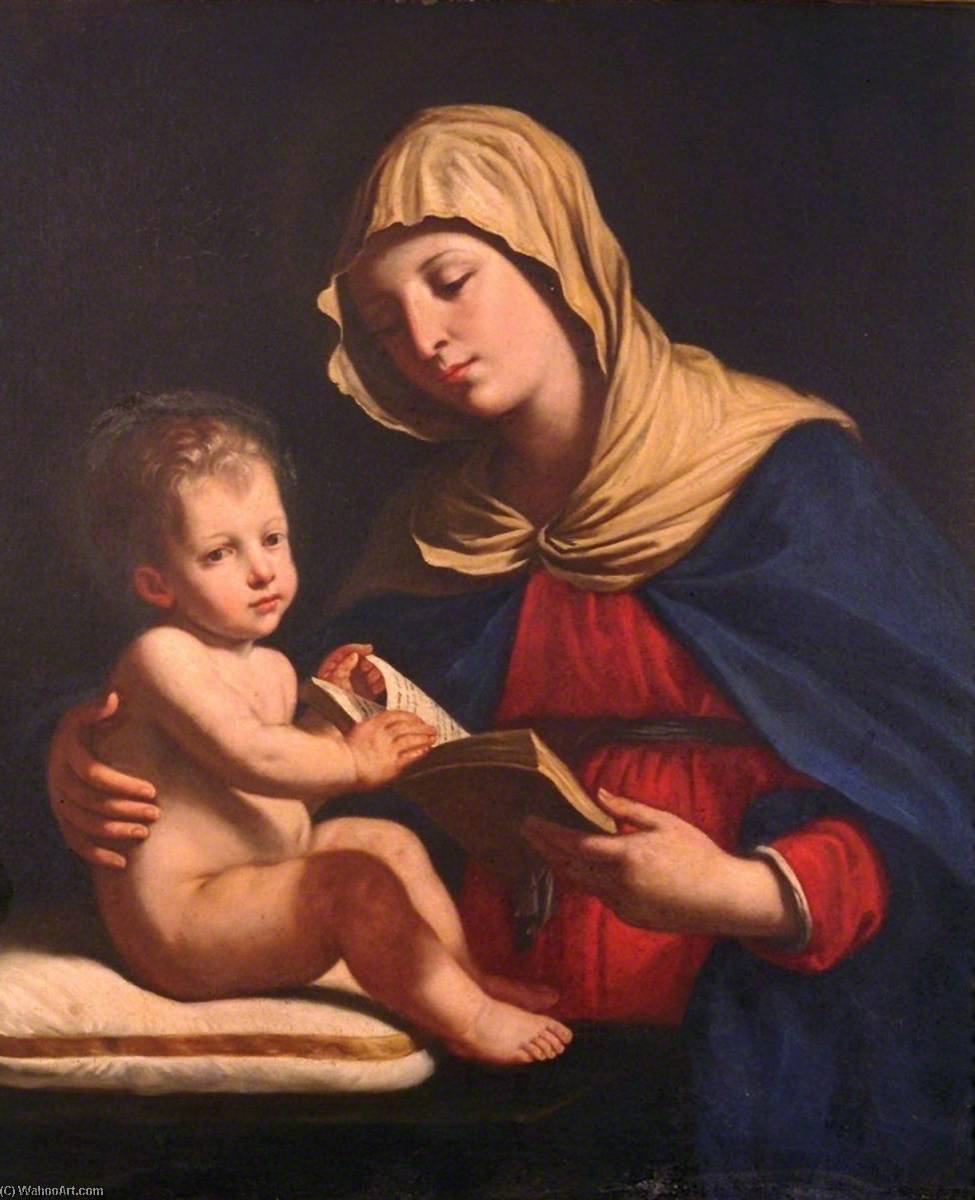
Virgin and Child
 Oil On Canvas
- WallArt
- Baroque Splendor
 1660
1660 98.0 x 84.0 cm
 Галерея Куртуальда
 Читать далее
Жикле / Арт-принт
Печать (жикле) или холст музейного качества с быстрыми сроками изготовления и широким выбором вариантов отделки. ( Купить картину ручной работы Перейти к цифровым изображениям)




P118B $10

P118H $10

P118W $10

P438Z $10

P508JH $12

P508YH $12

P805H $10

P805Z $10

P919BZ $10

P919G $10

P919XJ $10

P959ZH $10

P968JZ $12

W106C $8

W218G $10

W218JH $8

W218Y $10

W307PJ $10

W316G $10

W316PJ $8

W316Y $10

W398PJ $8

W4111J $10

W500HY $15

W500JH $15

W692G $12

W849H $8

W940BG $15

W953PJ $8




Выберите один из наших стандартных размеров, соответствующих оригинальным пропорциям произведения искусства.

Вы можете указать свои собственные размеры, чтобы репродукция идеально подошла под конкретную раму или пространство. Если выбранный вами размер не будет соответствовать пропорциям оригинала, мы либо обрежем произведение, либо дополним изображение зеркальным отражением краев или однотонной заливкой. Перед началом производства вам будет отправлен цифровой макет для утверждения.
Пожалуйста, обратите внимание, что предварительный просмотр на экране не отображает фактическую обрезку или расширение изображения. Только макет точно покажет финальную композицию.
Несмотря на возможность заказа индивидуальных размеров, мы рекомендуем выбирать размер из предопределенного списка, чтобы сохранить оригинальные пропорции.
Доставка по всему миру () за 2 недели вместо стандартных 4/5 недель. (12 Сентябрь)

Бесплатная экспресс-доставка по всему миру

Высококачественный льняной холст

Полное страхование доставки

Гарантия возмещения таможенных пошлин

Гарантия точного соответствия цветов

100-дневная политика возврата (только при обнаружении дефектов)

Гарантия возврата 100% средств

Предложение оптовых скидок
 Вариант со стеклом доступен только для размеров менее 110 см

Virgin and Child
Жикле / Арт-принт
Размер репродукции
-


Итоговая стоимость
$ 62
A Legacy Forged in Baroque Splendor: The Life and Art of Benedetto Gennari II
Benedetto Gennari II (1633–1715), born in Cento, Italy, stands as a pivotal figure within the Italian Baroque landscape—a painter whose artistic journey intertwined with influential mentors and traversed royal courts, ultimately cementing his reputation for captivating portraits and richly symbolic allegorical compositions. His lineage traced back to Benedetto Gennari I and bolstered by familial connections to Cesare Gennari, he inherited not merely an ancestral name resonating with artistic heritage but also a profound understanding of painting’s capacity to convey emotion and elevate the human spirit—a legacy meticulously nurtured through his formative apprenticeship under Guercino, whose dramatic chiaroscuro technique and emotionally charged canvases would serve as foundational inspiration for Gennari's early stylistic development. This tutelage instilled in him a disciplined approach to pigment blending and brushwork, prioritizing both anatomical accuracy and psychological nuance – qualities that would consistently characterize his oeuvre throughout his prolific career.Early Influences and Artistic Training
Gennari’s artistic education commenced under the watchful eye of Guercino (1619–1666), a luminary of Baroque painting whose distinctive style championed dynamic movement, intense emotional expression, and masterful manipulation of light to sculpt dramatic silhouettes. Guercino's influence extended beyond mere technical proficiency; it instilled in Gennari a belief that art should strive to capture the essence of human experience—a conviction reflected in his subsequent works where figures are rendered with palpable vitality and imbued with psychological depth. This formative period solidified Gennari’s commitment to portraying subjects not merely as representations but as embodiments of feeling, anticipating the Baroque preoccupation with conveying inner states alongside outward appearances.Royal Patronage and Artistic Flourishing
Following his apprenticeship, Gennari embarked upon a cosmopolitan trajectory that propelled him into service under Louis XIV and Charles II—royal patrons who recognized his exceptional talent and commissioned numerous portraits reflecting the grandeur of their courts. These commissions demanded meticulous attention to detail and an ability to capture regal dignity alongside subtle expressions of emotion, showcasing Gennari’s versatility as an artist adept at adapting his style to diverse contexts. His paintings for Louis XIV exemplify the opulent aesthetic favored by the French monarchy—characterized by sumptuous fabrics, elaborate ornamentation, and a deliberate orchestration of color—while his portraits for Charles II subtly convey aristocratic refinement and intellectual curiosity.Style and Technique: A Baroque Vision
Gennari’s artistic style is undeniably rooted in the Baroque tradition—a movement defined by its theatrical grandeur, emotional fervor, and masterful use of illusionistic techniques. He favored oil paint on canvas, applying thin glazes to build up luminous surfaces that shimmer with reflected light—a technique honed through years of practice and informed by Guercino’s teachings. Gennari's brushstrokes are deliberate yet fluid, conveying both precision and spontaneity, resulting in canvases imbued with a palpable sense of movement and dynamism. Furthermore, he skillfully employed pyramidal compositions to create visual stability while simultaneously directing the viewer’s gaze toward key focal points—a compositional strategy prevalent throughout Baroque art and indicative of its desire to engage the senses and stimulate contemplation.Symbolism and Emotional Resonance
Beyond mere aesthetic beauty, Gennari's paintings resonate with profound symbolic meaning—reflecting the intellectual currents of his time and conveying moral lessons intended to inspire viewers. Recurring motifs such as halos, drapery folds, and musical instruments symbolize piety, nobility, and spiritual aspiration respectively – elements carefully integrated into compositions to reinforce overarching themes of faith, virtue, and divine grace. The Virgin and Child depicted in “Virgin and Child” embodies the Madonna’s maternal compassion and unwavering devotion—a timeless image capturing the essence of Christian iconography and resonating with audiences across centuries. His portraits capture not only physical likeness but also psychological character—revealing glimpses into the sitter's inner life and conveying a sense of dignity and introspection that transcends superficial appearances.Legacy and Recognition
Benedetto Gennari II’s enduring legacy rests upon his contribution to Baroque painting—a movement that profoundly shaped European art history. His masterful portraits continue to captivate collectors and inspire artists alike, demonstrating the timeless appeal of capturing human emotion with artistic precision. Currently housed at the Courtauld Gallery in London, “Virgin and Child” stands as a testament to Gennari’s artistic genius—a luminous depiction embodying Baroque ideals of beauty, spirituality, and psychological insight.Похожие произведения




Биография художника
Benedetto Gennari II (1633-1715): Italian Baroque Painter & Portraitist
Benedetto Gennari II, born in Cento, Italy, in 1633, emerged from a distinguished lineage of artists—a legacy destined to etch his name into the annals of Baroque art. As the grandson of Benedetto Gennari I and brother to Cesare Gennari, he inherited not merely familial artistic tradition but also an instinctive understanding of painting’s transformative power—a conviction nurtured by his father, Ercole Gennari, and mother Lucia Barbieri. His formative years unfolded under the watchful gaze of Guercino, whose dramatic manipulation of light and shadow, profound emotional resonance, and dynamic compositional strategies served as foundational principles for Gennari's nascent artistic style. This tutelage instilled within him meticulous technique and a discerning eye—qualities that would underpin his enduring success.Early Training & Influences: The Guercino Legacy
The influence of Guercino was paramount to Benedetto’s artistic development. Recognizing the maestro’s masterful command of chiaroscuro, Gennari diligently studied Guercino's techniques—capturing the interplay between illumination and darkness with unparalleled precision. More importantly, Guercino instilled in him a sensitivity to emotional expression—a conviction that Gennari would carry throughout his career. This profound understanding of artistic psychology informed his portrayal of human subjects, imbuing them with depth and nuance. Furthermore, Guercino’s compositional innovations—particularly the use of diagonal lines and asymmetrical arrangements—served as inspiration for Gennari's own explorations of visual dynamism. These formative experiences solidified Guercino’s indelible mark on Gennari’s artistic vision—a legacy that would continue to shape his oeuvre for decades to come.A Cosmopolitan Career: From Bologna to Royal Courts
Following Guercino’s passing in 1672, Benedetto and Cesare jointly assumed stewardship of the maestro’s studio—ensuring the preservation of Guercino’s artistic ethos while simultaneously affording them space to cultivate their individual creative voices. However, Gennari possessed an irrepressible spirit—a yearning that transcended the confines of Bologna. Driven by ambition and fueled by admiration for Louis XIV, he embarked on a transformative journey to Paris in March 1672—seeking opportunities within the opulent court of France. His talent swiftly garnered recognition among Parisian nobility—resulting in a cascade of commissions that prolonged his residence in France and broadened his artistic horizons. Exposure to French aesthetic sensibilities introduced him to new stylistic considerations—influencing his subsequent work. In September 1674, Gennari continued his travels—establishing himself as a celebrated portraitist in London where he served both King Charles II and James II—capturing the grandeur of royal life with remarkable skill.The Art of Portraiture: Capturing Essence & Dignity
Benedetto Gennari II distinguished himself as an exceptional portraitist—a vocation that would define his artistic reputation. Unlike many of his contemporaries, Gennari eschewed mere likeness—instead striving to convey not only physical appearance but also the inner character and psychological complexity of his subjects. He achieved this feat through meticulous observation—analyzing facial expressions, posture, and gesture with unwavering attention to detail. Moreover, Gennari skillfully employed color palettes—creating harmonious compositions that reflected both individual personality and social status. His portraits possessed a palpable sense of dignity—reflecting the virtues he sought to portray in his sitters—and imbued them with an emotional resonance that captivated viewers. He elevated portraiture beyond mere representation—transforming it into a form of artistic expression—a testament to his profound understanding of human psychology and visual artistry.Legacy & Artistic Innovation: Embracing Northern European Influences
Gennari’s artistic trajectory wasn't static—it was marked by continuous evolution—propelled by his travels and engagement with diverse artistic traditions. While initially deeply rooted in Guercino’s stylistic precepts, he gradually assimilated elements from Northern European painting—incorporating techniques of perspective and tonal gradation into his compositions. This synthesis resulted in a more nuanced approach to visual representation—reflecting the broader cultural currents of his time. His mythological paintings—particularly those commissioned for King Charles II—demonstrated his mastery of classical iconography—while simultaneously embracing innovative compositional strategies. Gennari’s unwavering commitment to artistic excellence culminated in his membership of the Accademia Clementina—where he championed experimentation and fostered a vibrant intellectual environment. Benedetto Gennari II remains an enduring symbol of Baroque artistry—a testament to his technical prowess, artistic sensitivity, and lasting contribution to European art history.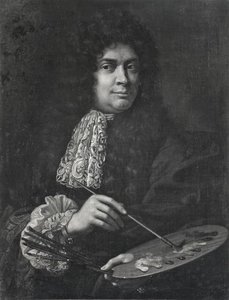
Бендетто Дженнари (Младший)
1633 - 1715 , Италия
Основные сведения
- Artistic Movement Or Style: Барокко
- Artists Who Influenced This Artist: ['Гуэрчино']
- Date Of Birth: 1633
- Date Of Death: 1715
- Full Name: Benedetto Gennari II
- Nationality: Итальянский
- Notable Artworks:
- Портрет Гуэрчино
- Клеопатра
- Сказки Овидия Метаморфоз
- Place Of Birth: Cento, Италия
Похожие статьи

10 Шедевров Барокко: Искусство, изменившее мир | ArtsDot.com
Погрузитесь в мир барокко! 10 шедевров Караваджо, Рембрандта и других великих художников. Узнайте историю создания культовых картин и найдите идеальную репродукцию для вашего интерьера на ArtsDot.com

Барочная драма: Искусство величия в современном интерьере
Погрузитесь в мир роскоши и величия барокко! Узнайте об истории стиля, ключевых элементах интерьера и архитектуре. Вдохновляйтесь с и создайте свой неповторимый дизайн.

The Dramatic Flourish: Exploring the Baroque Movement's Enduring Legacy in Art History
Explore the dramatic world of Baroque art! Discover iconic artists like Caravaggio & Rubens, defining techniques, and its lasting impact on art history. Expert insights for collectors & enthusiasts at ArtsDot.

Theatricality & Triumph: Baroque Drama in Painting & Sculpture
Explore the dramatic world of Baroque art! Discover its history, defining characteristics, & lasting influence on painting & sculpture. Expert insights into Caravaggio, Zurbarán, and Bernini – plus high-quality reproductions at ArtsDot.

The Visceral Stage: Exploring Dramatic Narratives & Emotional Intensity in Baroque Art
Explore the dramatic world of Baroque art! Discover iconic masters like Caravaggio & Rembrandt, their techniques, and the movement's lasting impact. Expert insights for collectors & enthusiasts at ArtsDot.