

 Предпросмотр
 Поделиться
 Поделиться
 Детали произведения

 Скачать
 Похожие работы
 Рентгенография
 Слайд-шоу
 Статистика
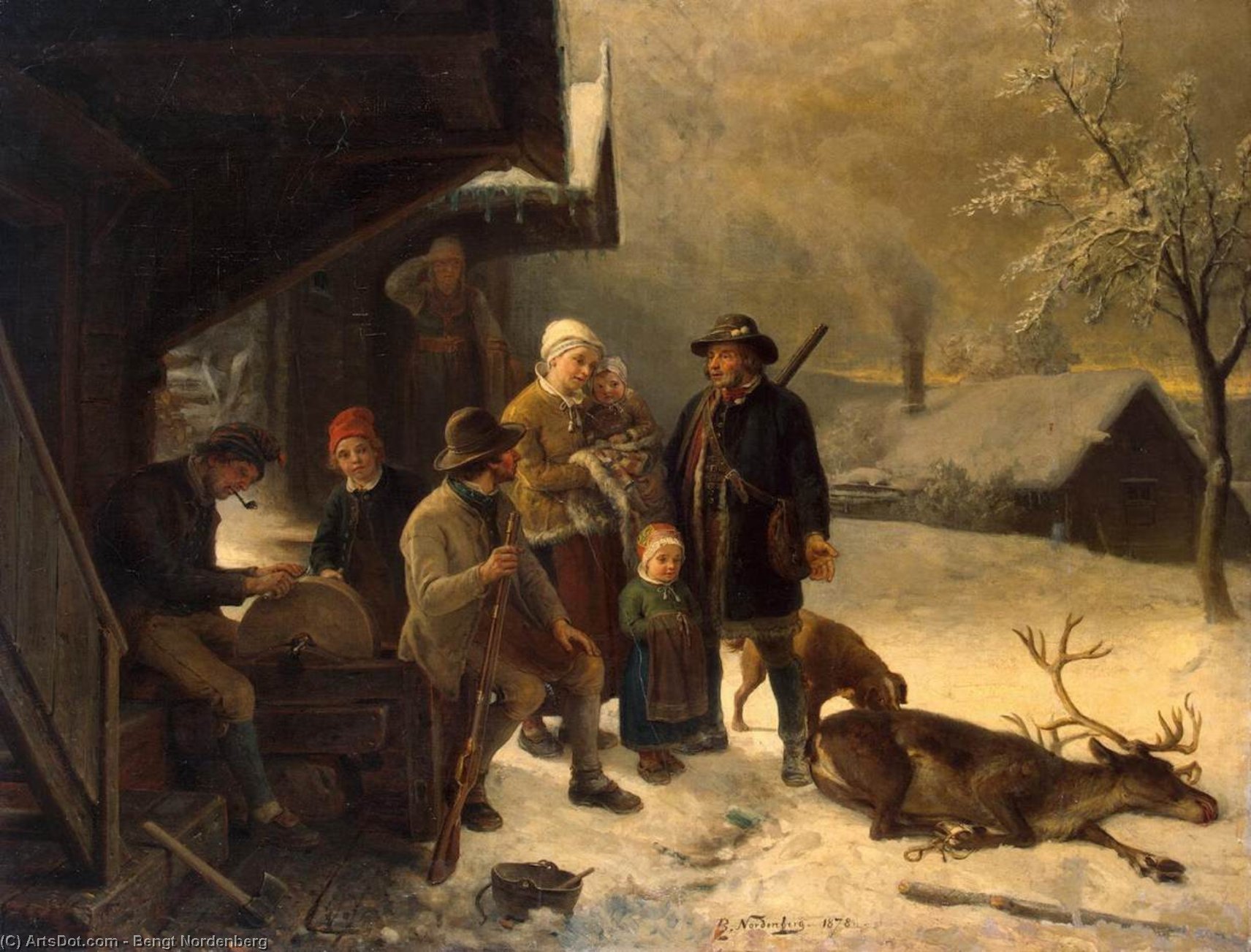
Dead Stag
 Oil On Canvas
- WallArt
- Realism
 1878
1878- 19th Century
 106.0 x 80.0 cm
 Эрмитаж
 Читать далее
Приобретите цифровое изображение высокого разрешения в улучшенном качестве, которое значительно превосходит онлайн-превью.
Каждый файл тщательно подготавливается нашими специалистами с использованием передовых инструментов и экспертной ручной ретуши. Мы гарантируем исключительную четкость, точную цветопередачу и детальную проработку каждого изображения.
Финальный файл доставляется по электронной почте в течение 72 часов и оптимизирован для немедленного использования в профессиональной среде, при верстке и печати. Это тот же уровень качества, которому доверяют ведущие дизайнерские студии, издательства и галереи.
Цифровое изображение
Скачайте файл высокого разрешения для личного использования, печати и творческих проектов. ( Перейти к печати Купить картину ручной работы)
Включено в каждый заказ цифровых изображений
Гарантия экспертной цифровой доставки
Выбирая ArtsDot.com, вы получаете не просто изображение — вы приобретаете профессионально обработанное цифровое произведение искусства, созданное с безупречной точностью и под защитой гарантии качества. Вот всё, что автоматически входит в ваш заказ:

Мгновенная доставка по e-mail
Ваш цифровой файл в высоком разрешении будет отправлен вам по электронной почте в течение 72 часов после оформления заказа — и сразу станет доступен для использования.

Цифровой файл с ИИ-улучшением
Ваше произведение искусства проходит профессиональную оптимизацию с использованием передовых инструментов ИИ и ручной обработки, что гарантирует максимальную детализацию, четкость и точность цветопередачи.

Бессрочная бесплатная повторная доставка
Случайно удалили или потеряли файл? Не беспокойтесь — мы отправим его вам повторно в любое время и совершенно бесплатно.

Без импортных пошлин — навсегда
Наслаждайтесь вашим произведением искусства мгновенно без таможенных пошлин, сборов или затрат на доставку — цифровые загрузки всегда не облагаются налогом.

Гарантия точности цветопередачи
Мы гарантируем, что ваше цифровое изображение максимально точно передает оригинальные цвета благодаря использованию профессиональных инструментов и систем управления цветом.

Гарантия удовлетворенности 100 дней
Если вы не будете удовлетворены своим цифровым изображением, мы внесем правки или вернем 100% стоимости в течение 100 дней — без лишних вопросов.

100% Гарантия возврата средств
Не удовлетворены покупкой? Получите полный возврат средств в течение 100 дней после получения цифрового файла — без лишних вопросов.

Скидки на оптовые заказы
Купите 3 изображения, сэкономьте 10% — Купите 5, сэкономьте 15% — Купите 10+, сэкономьте 20%. Отличное решение для творческих проектов, галерей и агентств.
A Symphony of Rural Resilience
In the quiet, frost-bitten stillness of a nineteenth-century winter, Bengt Nordenberg captures a moment that transcends mere hunting lore. Dead Stag, completed in 1878, is far more than a genre painting; it is a profound meditation on the cyclical nature of existence. As viewers approach this monumental oil on canvas, they are immediately enveloped by the biting chill of the Swedish landscape and the heavy, communal atmosphere of a successful hunt. The scene, housed within the prestigious Hermitage Museum, presents a hunting party gathered around a fallen deer, yet there is a palpable sense of reverence that softens the violence of the kill. Nordenberg masterfully weaves together the triumph of the hunters with a somber acknowledgment of mortality, creating an emotional resonance that speaks to the universal human experience of loss and celebration.
The composition is a masterclass in classical arrangement, utilizing a dynamic triangular structure to guide the eye through the snowy tableau. At the heart of this movement lies the stag, its lifeless form serving as the anchor for the surrounding figures. Nordenberg employs the Düsseldorf School's signature commitment to realism, yet he infuses it with a Romantic soul. The artist’s technique is particularly striking; through the use of thick impasto brushstrokes, he imparts a physical texture to the snow and the heavy winter garments, making the cold feel almost tactile. This ruggedness is balanced by delicate layers of glazing, which allow light to permeate the canvas, capturing the ethereal, translucent quality of a winter afternoon where the sun struggles against the encroaching shadows.
Symbolism and the Art of the Everyday
Beyond its technical brilliance, Dead Stag serves as a rich tapestry of symbolic meaning. The stag itself is a potent emblem—representing nobility, strength, and the untamed spirit of the wilderness—now rendered silent and still. This juxtaposition between the animal's former grandeur and its current state underscores the inescapable reality of death. However, Nordenberg prevents the scene from descending into pure tragedy by surrounding the carcass with a community of figures. The presence of families and hunters suggests a shared ritual, where the bounty of the hunt sustains the collective life of the village. In this way, the painting celebrates resilience; even in the dead of winter, life persists through tradition and communal bond.
For the discerning collector or interior designer, this piece offers an unparalleled opportunity to introduce a sense of historical depth and narrative gravity into a space. The color palette—a sophisticated blend of earthy browns, deep forest greens, and cool, atmospheric blues—provides a grounding element that complements both classical and contemporary decor. Whether placed in a study filled with leather-bound books or as a focal point in a grand hall, the painting invites contemplation. It is not merely an object of beauty, but a window into a bygone era, offering a timeless connection to the raw, unyielding beauty of the natural world and the enduring strength of the human spirit.
Похожие произведения




Биография художника
Bengt Nordenberg: A Life in Swedish Genre Painting
Early Life and Education
Bengt Nordenberg was born on April 22, 1822, in Jämshöga, a small village in southern Sweden. He experienced a childhood marked by poverty, which undoubtedly shaped his later artistic focus on everyday life. He began his artistic journey as an apprentice to a painter in Sölvesborg, gaining foundational skills before pursuing formal training.
In 1843, Nordenberg moved to Stockholm to study at the prestigious Royal Swedish Academy of Arts. This marked a crucial step in his development, providing him with access to academic instruction and exposure to contemporary artistic trends.
Düsseldorf Period and Influences
A pivotal moment in Nordenberg’s career came in 1851 when he traveled to Düsseldorf, Germany. This city was a major center for the Düsseldorf School of Painting, known for its realistic depictions of genre scenes and landscapes.
- He initially studied under Theodor Hildebrandt, but later came under the significant influence of Adolph Tidemand.
- Tidemand’s emphasis on portraying Norwegian rural life resonated deeply with Nordenberg, shaping both his style and subject matter.
- For a period, Nordenberg even worked as an assistant to Tidemand, creating reproductions of his paintings – a valuable learning experience.
Artistic Development and Themes
Nordenberg’s artistic development was characterized by a commitment to realism and a deep interest in portraying the lives of ordinary people. While initially influenced by Tidemand, he gradually developed his own distinct style.
- His early works focused on scenes from Dalarna, Skåne, and Blekinge – regions of Sweden known for their unique cultural traditions and picturesque landscapes.
- He skillfully captured the essence of rural life, depicting everyday activities, customs, and social interactions with sensitivity and detail.
- Later in his career, Nordenberg also painted portraits of middle-class and upper-class individuals, as well as religious paintings and altarpieces, demonstrating his versatility.
Travels and Later Life
In 1856, Nordenberg received a travel grant from the Swedish state, allowing him to broaden his artistic horizons.
- He studied with Thomas Couture in Paris for a year and a half.
- He made brief returns to Düsseldorf before settling there permanently in 1858.
Düsseldorf became his home for the rest of his life, where he continued to paint and exhibit his work until his death in 1902.
Major Achievements and Historical Significance
Although not as widely recognized today as some of his contemporaries, Bengt Nordenberg was a significant figure in Swedish art during the 19th century.
- His genre paintings provide valuable insights into the social and cultural life of Sweden during this period.
- He successfully blended elements of realism with romantic sensibilities, creating works that are both visually appealing and historically informative.
- Notable works include Rowing to the Church, Dalarna (1854), The Veterans (1882), and Leaving Home (1876).
Nordenberg’s legacy lies in his ability to capture the spirit of Swedish life with authenticity and artistic skill, making him a notable representative of the Düsseldorf School and a valuable contributor to Swedish art history.
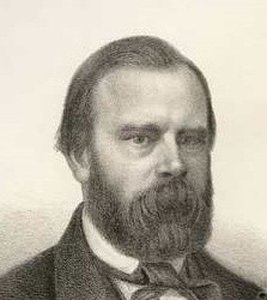
Bengt Nordenberg
1822 - 1902 , Sweden
Основные сведения
- Birth Date: April 22, 1822
- Birth Place: Jämshöga, Sweden
- Death Date: 1902
- Influenced By: Adolph Tidemand, Theodor Hildebrandt
- Movement: Düsseldorf School of Painting
- Name: Bengt Nordenberg
- Nationality: Swedish
- Notable Works:
- Rowing to the church, Dalarna
- The veterans
- A torn goatsheppard family with goats
- Winter travel
- Portrait of Pehr Hörberg
- Leaving home