

 Предпросмотр
 Поделиться
 Поделиться
 Детали произведения

 Скачать
 Похожие работы
 Рентгенография
 Слайд-шоу
 Статистика
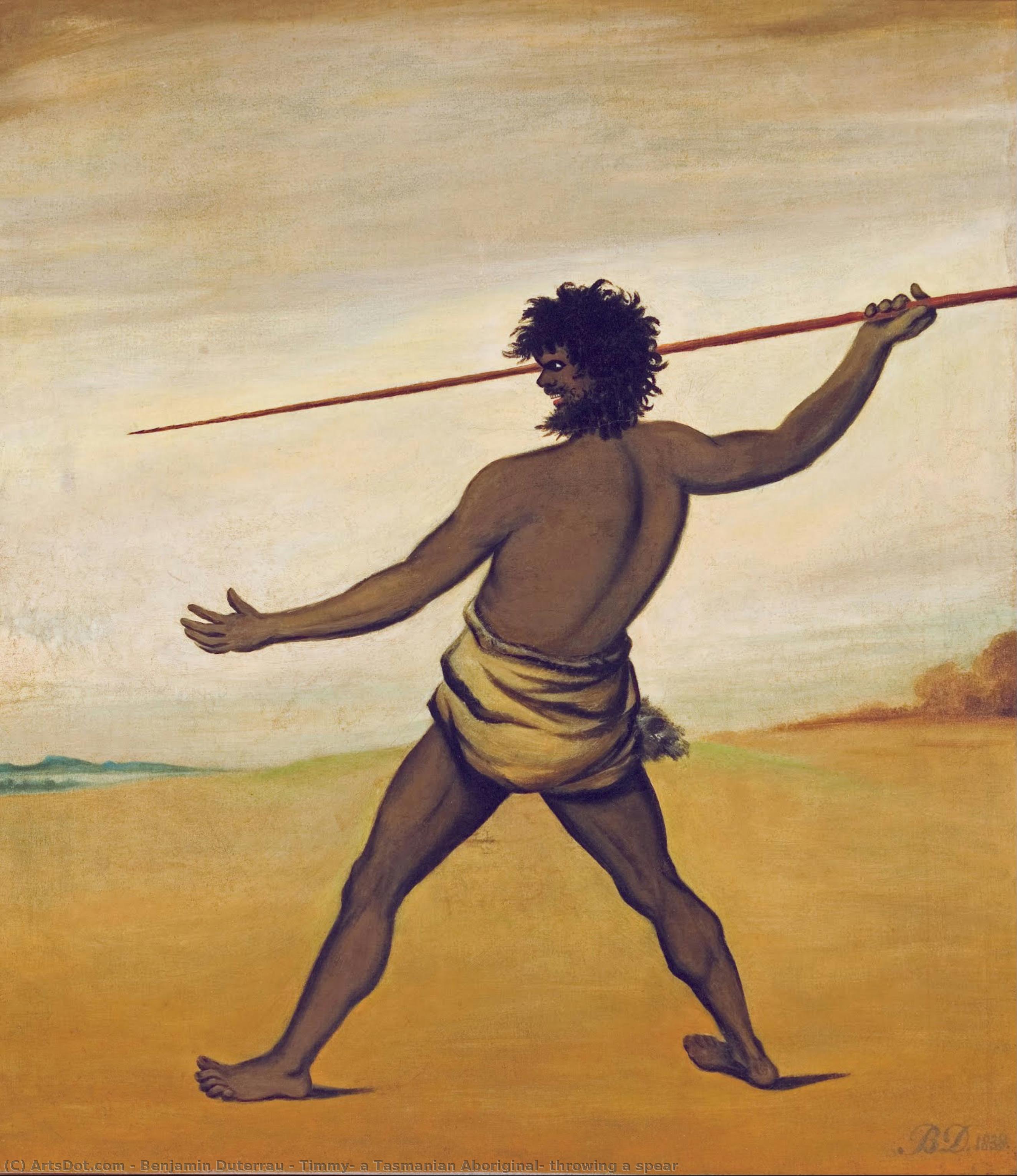
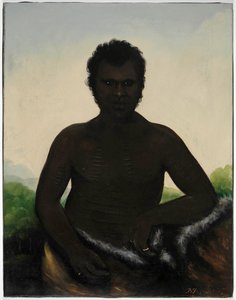
Timmy, a Tasmanian Aboriginal, throwing a spear
 Oil On Canvas
- WallArt
- Ethnographic Art
 1838
1838- 19th Century
 71.0 x 81.0 cm
 Art Gallery of South Australia
 Читать далее
Жикле / Арт-принт
Печать (жикле) или холст музейного качества с быстрыми сроками изготовления и широким выбором вариантов отделки. ( Купить картину ручной работы Перейти к цифровым изображениям)




































Выберите один из наших стандартных размеров, соответствующих оригинальным пропорциям произведения искусства.

Вы можете указать свои собственные размеры, чтобы репродукция идеально подошла под конкретную раму или пространство. Если выбранный вами размер не будет соответствовать пропорциям оригинала, мы либо обрежем произведение, либо дополним изображение зеркальным отражением краев или однотонной заливкой. Перед началом производства вам будет отправлен цифровой макет для утверждения.
Пожалуйста, обратите внимание, что предварительный просмотр на экране не отображает фактическую обрезку или расширение изображения. Только макет точно покажет финальную композицию.
Несмотря на возможность заказа индивидуальных размеров, мы рекомендуем выбирать размер из предопределенного списка, чтобы сохранить оригинальные пропорции.
Доставка по всему миру () за 2 недели вместо стандартных 4/5 недель. (11 Сентябрь)

Бесплатная экспресс-доставка по всему миру

Высококачественный льняной холст

Полное страхование доставки

Гарантия возмещения таможенных пошлин

Гарантия точного соответствия цветов

100-дневная политика возврата (только при обнаружении дефектов)

Гарантия возврата 100% средств

Предложение оптовых скидок
 Вариант со стеклом доступен только для размеров менее 110 см

Timmy, a Tasmanian Aboriginal, throwing a spear
Жикле / Арт-принт
Размер репродукции
-


Итоговая стоимость
$ 62
A Moment Frozen in Time: The Poignant Realism of Benjamin Duterrau
In the quiet, atmospheric depths of "Timmy, a Tasmanian Aboriginal, throwing a spear," we are transported back to the year 1838, witnessing a singular moment of focused intensity. This evocative oil painting by the renowned Benjamin Duterrau serves as more than just a portrait; it is a window into a vanishing world. The composition centers on Timmy, a solitary figure captured in the precise, muscular tension of mid-throw. As his spear cuts through the stillness, the viewer is drawn into a narrative of survival, skill, and the profound connection between man and the untamed landscape of colonial Tasmania. The painting possesses a haunting, historical gravity, achieved through a muted palette that evokes the soft, diffused light of an overcast coastal day.
Duterrau’s technique reflects his prestigious lineage, having studied under masters such as Thomas Gainsborough and William Hogarth. In this work, we see a masterful application of oil on canvas, where layered brushstrokes build a sense of physical presence and rugged texture. The artist employs a realistic style that prioritizes ethnographic documentation, yet he imbues the scene with an undeniable artistic soul. While the lines are primarily linear—defining the sharp trajectory of the spear and the sturdy form of the man—the background dissolves into a soft, atmospheric haze. This use of perspective, where the distant coastline fades into a bluish mist, creates a breathtaking sense of depth, making the sandy beach feel vast and the world beyond it infinitely mysterious.
Beyond its technical brilliance, the painting carries deep symbolic weight. The act of throwing the spear is not merely a display of hunting prowess; it represents the fundamental rhythm of life and the enduring spirit of the Tasmanian Aboriginal people. There is a profound dignity in Timmy’s posture, a quiet strength that resists the colonial gaze of the era. For the collector or interior designer, this piece offers a sophisticated blend of historical importance and aesthetic serenity. Its subdued tones and classical composition make it an exquisite centerpiece for a curated gallery wall or a refined study, providing a contemplative focal point that invites long periods of reflection on the intersection of human history and the natural world.
Похожие произведения



Биография художника
Benjamin Duterrau: Pioneer of Tasmanian Landscape and Indigenous Portraiture
Benjamin Duterrau (1767 – 1851) stands as a singular figure in Australian art history, recognized primarily for his groundbreaking depictions of Tasmania’s Aboriginal population and the broader narrative of colonial Australia. Born in England, he embarked on a remarkable journey that culminated in establishing himself as a respected artist and lecturer within the burgeoning Tasmanian colony. His artistic legacy transcends mere visual representation; it embodies an attempt to document and interpret a rapidly changing landscape and culture—a mission driven by both scientific curiosity and humanist empathy.- Early Life & Education: Duterrau’s formative years were spent honing his skills in England, where he studied under Thomas Gainsborough and William Hogarth – masters of portraiture and landscape painting respectively. These influences would profoundly shape his artistic style, prioritizing meticulous observation and capturing the essence of his subjects with remarkable accuracy.
- Migration to Tasmania & Patronage: Driven by a desire for intellectual stimulation and influenced by the burgeoning scientific exploration of Australia, Duterrau emigrated to Van Diemens Land (Tasmania) in 1827. He quickly gained favor with Governor Gipps, securing substantial patronage that enabled him to undertake ambitious artistic projects aimed at furthering colonial understanding.
- Notable Paintings: Among his most celebrated works is “The Conciliation,” a monumental canvas depicting the formal reconciliation ceremony between Aboriginal chiefs and Governor Gipps in 1836. This painting exemplifies Duterrau’s masterful technique, utilizing rich color palettes and dramatic lighting to convey both grandeur and solemnity. Similarly, "Truggernana," portraying a Tasmanian Aboriginal man, showcases his ability to capture nuanced expressions and psychological depth.
- Influence & Legacy: Duterrau's artistic endeavors contributed significantly to the development of Australian landscape painting and fostered a crucial dialogue about colonial encounters with Indigenous Australians. His work remains an important visual record of Tasmania’s early history and continues to inspire artists today. Furthermore, his commitment to portraying Aboriginal subjects with compassion cemented his place as one of Australia’s earliest humanist artists.
Benjamin Duterrau
1767 - 1851 , United Kingdom
Основные сведения
- Artistic Movement Or Style: Ethnographic painting
- Date Of Birth: 1767
- Full Name: Benjamin Duterrau
- Nationality: English
- Notable Artworks:
- Truggernana
- Timmy, a Tasmanian Aboriginal, throwing a spear
- Place Of Birth: England
Похожие статьи

The Enduring Legacy of Oil on Canvas: Technique, History & Aesthetic Impact
Explore the rich history & techniques of oil painting – from Renaissance masters to Impressionism. Discover pigments, layering methods, and why this timeless medium endures. Expert insights for artists & art enthusiasts.

The Enduring Power of Painting: A Historical & Contemporary Exploration of Form and Emotion
Explore the rich history & enduring techniques of oil painting with ArtsDot. Discover masterpieces, learn about art collecting, and find authentic handmade reproductions crafted by skilled artists.

Масляная живопись: История, техника и непреходящее наследие
Узнайте все о масляной живописи: история техники, секреты мастеров и современные тенденции. Погрузитесь в мир искусства с экспертами !
Топ-10 шедевров масляной живописи на доске, изменившие искусство | ArtsDot.com
Откройте для себя 10 легендарных шедевров масляной живописи на доске, изменивших искусство! Узнайте истории Ван Гога, Моне и других великих художников. Репродукции картин премиум-качества для вашего интерьера – ArtsDot.com

Oil on Canvas: A Historical & Technical Exploration of a Timeless Artistic Medium
Explore the rich history & enduring techniques of oil painting on canvas. Discover the science behind its longevity, conservation practices, and contemporary relevance. Expert insights for art enthusiasts.