

 Предпросмотр
 Поделиться
 Поделиться
 Детали произведения

 Скачать
 Похожие работы
 Рентгенография
 Слайд-шоу
 Статистика
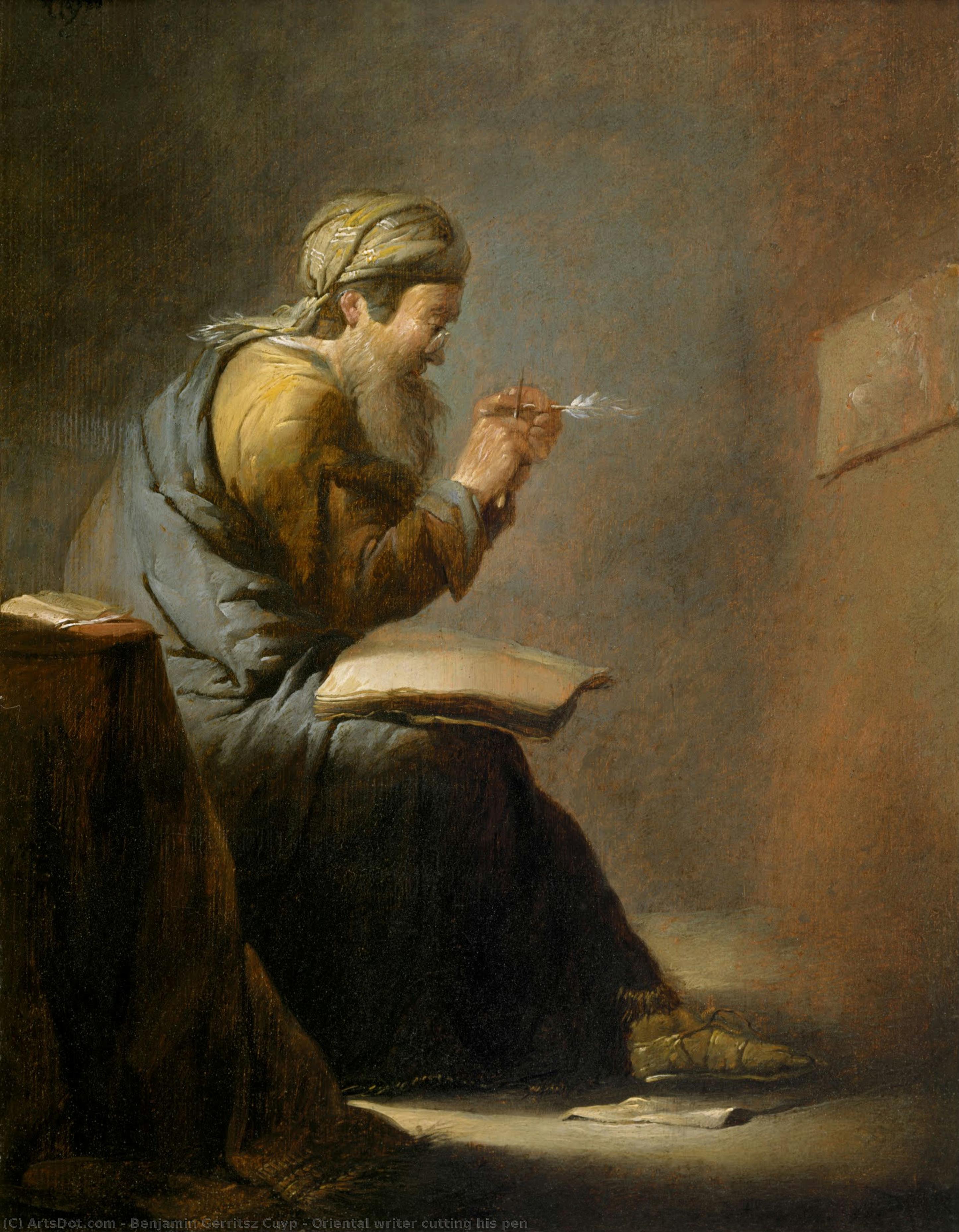
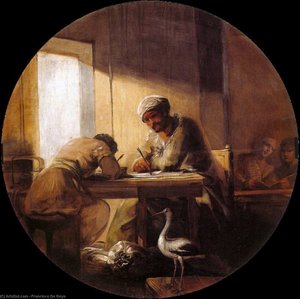
Oriental writer cutting his pen
 Oil
Oil- WallArt
- Dutch Golden Age
 Early Modern
 22.0 x 27.0 cm
 The Kremer Collection
 Читать далее
Приобретите цифровое изображение высокого разрешения в улучшенном качестве, которое значительно превосходит онлайн-превью.
Каждый файл тщательно подготавливается нашими специалистами с использованием передовых инструментов и экспертной ручной ретуши. Мы гарантируем исключительную четкость, точную цветопередачу и детальную проработку каждого изображения.
Финальный файл доставляется по электронной почте в течение 72 часов и оптимизирован для немедленного использования в профессиональной среде, при верстке и печати. Это тот же уровень качества, которому доверяют ведущие дизайнерские студии, издательства и галереи.
Цифровое изображение
Скачайте файл высокого разрешения для личного использования, печати и творческих проектов. ( Перейти к печати Купить картину ручной работы)
Включено в каждый заказ цифровых изображений
Гарантия экспертной цифровой доставки
Выбирая ArtsDot.com, вы получаете не просто изображение — вы приобретаете профессионально обработанное цифровое произведение искусства, созданное с безупречной точностью и под защитой гарантии качества. Вот всё, что автоматически входит в ваш заказ:

Мгновенная доставка по e-mail
Ваш цифровой файл в высоком разрешении будет отправлен вам по электронной почте в течение 72 часов после оформления заказа — и сразу станет доступен для использования.

Цифровой файл с ИИ-улучшением
Ваше произведение искусства проходит профессиональную оптимизацию с использованием передовых инструментов ИИ и ручной обработки, что гарантирует максимальную детализацию, четкость и точность цветопередачи.

Бессрочная бесплатная повторная доставка
Случайно удалили или потеряли файл? Не беспокойтесь — мы отправим его вам повторно в любое время и совершенно бесплатно.

Без импортных пошлин — навсегда
Наслаждайтесь вашим произведением искусства мгновенно без таможенных пошлин, сборов или затрат на доставку — цифровые загрузки всегда не облагаются налогом.

Гарантия точности цветопередачи
Мы гарантируем, что ваше цифровое изображение максимально точно передает оригинальные цвета благодаря использованию профессиональных инструментов и систем управления цветом.

Гарантия удовлетворенности 100 дней
Если вы не будете удовлетворены своим цифровым изображением, мы внесем правки или вернем 100% стоимости в течение 100 дней — без лишних вопросов.

100% Гарантия возврата средств
Не удовлетворены покупкой? Получите полный возврат средств в течение 100 дней после получения цифрового файла — без лишних вопросов.

Скидки на оптовые заказы
Купите 3 изображения, сэкономьте 10% — Купите 5, сэкономьте 15% — Купите 10+, сэкономьте 20%. Отличное решение для творческих проектов, галерей и агентств.
A Moment Frozen in Time: The Intimacy of Benjamin Gerritsz Cuyp
In the quiet, shadowed corners of the Dutch Golden Age, certain paintings possess the power to halt time, inviting the viewer into a private, meditative sanctuary. "Oriental writer cutting his pen" by Benjamin Gerritsz Cuyp is one such masterpiece. This intimate genre scene captures a profound moment of solitary focus, where the world outside ceases to exist, leaving only the rhythmic, tactile ritual of the scholar at work. The subject—an elderly man with a weathered face and a dignified beard—is caught in a state of deep concentration. As he prepares his instrument, there is a palpable sense of patience and devotion to his craft, a quality that resonates deeply with anyone who has ever found solace in the quietude of study or creative labor.
The composition is masterfully orchestrated to draw the eye toward the interplay of light and shadow. The man, adorned in a simple hat that frames his contemplative expression, serves as the emotional anchor of the piece. Around him, the subtle presence of a book and the distant, enigmatic figure in the background suggest a larger narrative of intellectual pursuit and domestic life. A clock, visible upon the wall, acts as a poignant memento mori, a gentle reminder of the fleeting nature of time, contrasting beautifully with the timelessness of the man's focused task. For collectors and interior designers, this painting offers more than mere decoration; it provides a window into a vanished era of contemplative grace.
Mastery of Light and the Dutch Tradition
Technically, the work showcases the remarkable skill Benjamin Gerritsz Cuyp inherited and refined through his connection to the illustrious Cuyp lineage. While his cousin Aelbert would later become famous for sweeping, sun-drenched landscapes, Benjamin found his brilliance in the nuanced textures of genre painting. His brushwork here is deliberate and evocative, capturing the coarse texture of the man's clothing, the soft sheen of his beard, and the heavy, atmospheric quality of the room's shadows. The use of chiaroscuro—the dramatic contrast between light and dark—creates a sense of three-dimensional depth that makes the scene feel remarkably tangible.
The palette is grounded in the earthy, warm tones characteristic of the period, which lends the artwork an enduring warmth. This tonal harmony makes the piece exceptionally versatile for high-end interior curation. Whether placed in a library, a study, or a sophisticated living space, a reproduction of this work brings an air of historical prestige and intellectual depth. It serves as a conversation piece that speaks to the importance of tradition, the beauty of the mundane, and the enduring allure of the Dutch Golden Age's mastery over light and human emotion.
Похожие произведения


Биография художника
Benjamin Gerritsz Cuyp: A Pioneer of Dutch Landscape Painting
Benjamin Gerritszoon Cuyp (December 1612 – August 28, 1652) stands as a pivotal figure in the Dutch Golden Age artistic landscape. Born in Dordrecht, Netherlands—a city renowned for its glassmaking tradition—Cuyp’s life was inextricably linked to his uncle, Jacob Gerritsz Cuyp, who instilled in him an early appreciation for painting and fostered connections within the influential Cuyp family circle. While often overshadowed by his more celebrated cousin, Aelbert Cuyp, Benjamin nonetheless carved out a distinctive artistic path marked by profound observation of nature and masterful execution.- Early Life & Training: Cuyp’s formative years were spent under the tutelage of Jacob Gerritsz Cuyp and his son, honing skills alongside a family deeply rooted in artistic craftsmanship. Houbraken's account suggests that Aelbert possessed a more refined brushstroke technique than Benjamin, highlighting the contrasting approaches within the Cuyp lineage. However, scholarly research indicates that Benjamin’s father was a glasspainter from Venlo, establishing a familial connection to both art and industry.
- Family Connections & Artistic Influences: The relationship between Benjamin and Aelbert Cuyp is complex—they were uncle and nephew rather than cousins—yet shared a common artistic heritage. This influence undoubtedly shaped their respective styles, emphasizing meticulous detail and capturing the essence of Dutch landscapes with remarkable accuracy. Cuyp’s work demonstrates considerable debt to Rembrandt van Rijn's chiaroscuro technique, mirroring his masterful use of light and shadow to convey emotion and drama.
- Notable Works & Artistic Style: Cuyp’s oeuvre encompasses a diverse range of subjects—allegorical scenes, genre depictions of everyday life, evocative beach vistas, and dramatic military compositions—demonstrating versatility within the Golden Age artistic canon. His landscapes are characterized by atmospheric perspective, subtle tonal gradations, and an unwavering commitment to portraying natural beauty with uncompromising realism.
- Legacy & Influence: Cuyp’s impact extended beyond his immediate contemporaries; he mentored artists like Barent van Kalraet, who continued his tradition of landscape painting. Furthermore, Maerten Fransz van der Hulst followed in Cuyp's footsteps, solidifying the artist’s enduring legacy as a formative influence on subsequent generations of Dutch painters.
Exploring Cuyp’s Artistic Vision: Themes and Techniques
Cuyp’s artistic vision centered around capturing the grandeur and tranquility of the Dutch countryside—a subject that resonated deeply with the sensibilities of his time. He skillfully employed techniques such as atmospheric perspective, meticulously blending colors to create convincing illusions of depth and distance. The artist's penchant for chiaroscuro – Rembrandt’s dramatic use of light and dark – infused his paintings with emotional intensity and heightened visual impact. Recurring motifs included depictions of fishermen hauling nets ashore, soldiers stationed in stables, and serene beach scenes bathed in soft sunlight—subjects that reflected both the practical realities of Dutch life and the artist's profound engagement with the natural world.Significant Paintings & Their Symbolism
Among Cuyp’s most celebrated works are “Soldiers in a Stable,” “In graflegging,” and “Fish sellers at the beach.” Each painting embodies Cuyp’s artistic principles—a masterful command of light, texture, and composition—and conveys powerful symbolic messages. "Soldiers in a Stable," for instance, exemplifies Rembrandt's influence through its dramatic chiaroscuro, portraying religious fervor and conveying profound emotion. Similarly, “In graflegging” captures the solemnity of death with dark hues and dynamic movement, reflecting the artist’s exploration of human experience. “Fish sellers at the beach,” on the other hand, celebrates coastal life and showcases Cuyp's ability to render atmospheric conditions with breathtaking precision.Historical Context & Artistic Significance
Benjamin Gerritsz Cuyp emerged during the apex of the Dutch Golden Age—a period characterized by unprecedented artistic innovation and economic prosperity. His work stands as a testament to this era’s fascination with realism, observation, and emotional expression—values that aligned seamlessly with the broader cultural currents of the time. Cuyp's contribution to landscape painting solidified its position as one of the most revered genres within Dutch art history, establishing him as an enduring icon of artistic excellence and influencing countless artists who followed.
Benjamin Gerritsz Cuyp
1612 - 1652 , Netherlands
Основные сведения
- Artistic Movement Or Style: Dutch Golden Age Landscape Painting
- Artists Or Movements Influenced By This Artist: ['Maerten Fransz van der Hulst']
- Artists Who Influenced This Artist: ['Jacob Gerritsz Cuyp']
- Date Of Birth: December 1612
- Date Of Death: August 28, 1652
- Full Name: Benjamin Gerritsz Cuyp
- Nationality: Dutch
- Notable Artworks:
- Soldiers in a Stable.
- In graflegging.
- Fish sellers at the beach.
- Place Of Birth: Dordrecht, Netherlands