

 Предпросмотр
 Поделиться
 Поделиться
 Детали произведения

 Скачать
 Похожие работы
 Рентгенография
 Слайд-шоу
 Статистика
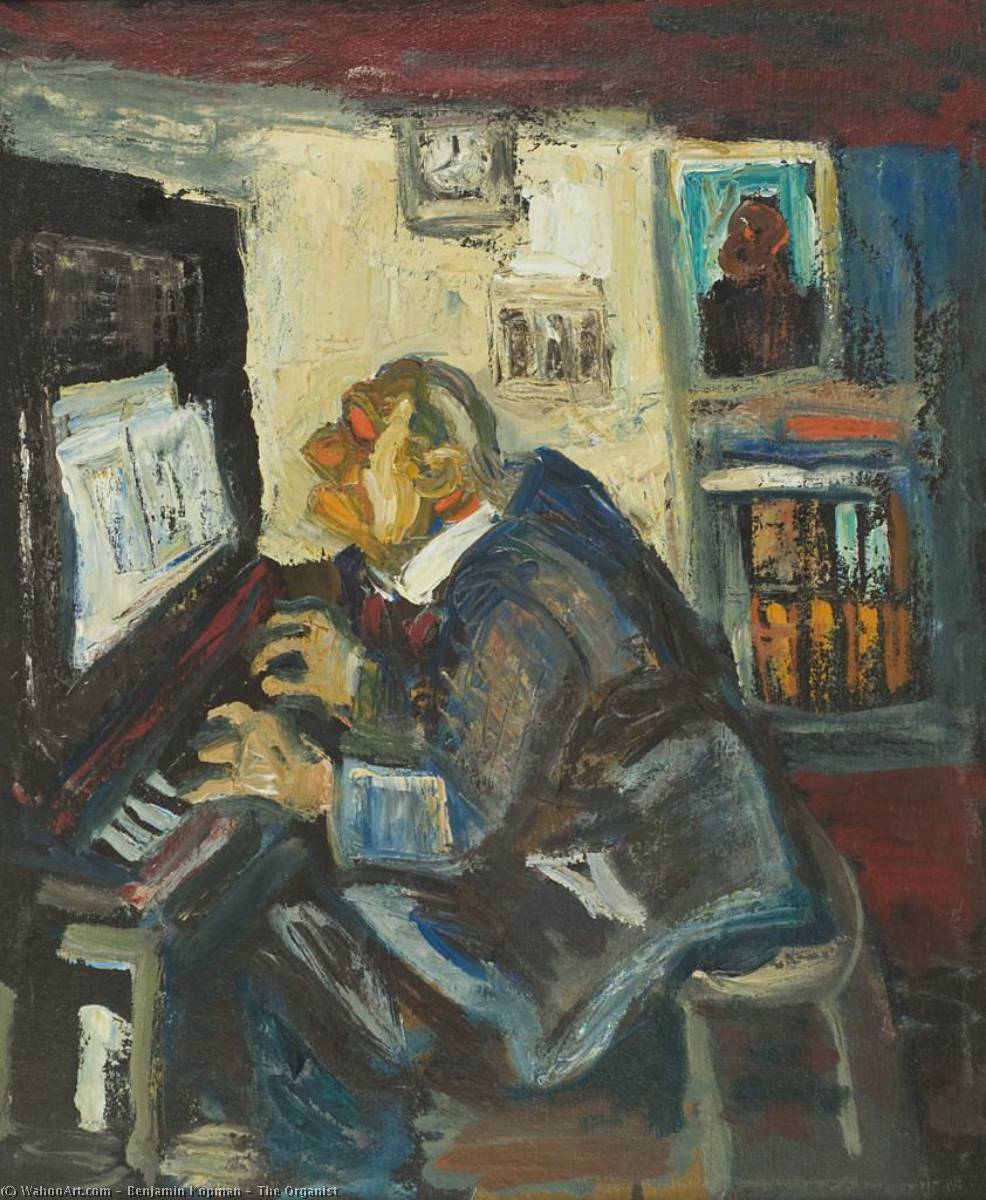
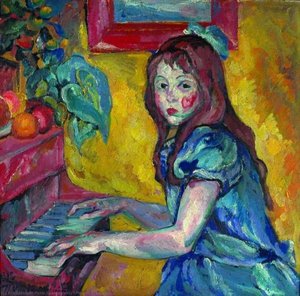
The Organist
 1950
1950 60.0 x 49.0 cm
 Читать далее
Приобретите цифровое изображение высокого разрешения в улучшенном качестве, которое значительно превосходит онлайн-превью.
Каждый файл тщательно подготавливается нашими специалистами с использованием передовых инструментов и экспертной ручной ретуши. Мы гарантируем исключительную четкость, точную цветопередачу и детальную проработку каждого изображения.
Финальный файл доставляется по электронной почте в течение 72 часов и оптимизирован для немедленного использования в профессиональной среде, при верстке и печати. Это тот же уровень качества, которому доверяют ведущие дизайнерские студии, издательства и галереи.
Цифровое изображение
Скачайте файл высокого разрешения для личного использования, печати и творческих проектов. ( Перейти к печати Купить картину ручной работы)
Включено в каждый заказ цифровых изображений
Гарантия экспертной цифровой доставки
Выбирая ArtsDot.com, вы получаете не просто изображение — вы приобретаете профессионально обработанное цифровое произведение искусства, созданное с безупречной точностью и под защитой гарантии качества. Вот всё, что автоматически входит в ваш заказ:

Мгновенная доставка по e-mail
Ваш цифровой файл в высоком разрешении будет отправлен вам по электронной почте в течение 72 часов после оформления заказа — и сразу станет доступен для использования.

Цифровой файл с ИИ-улучшением
Ваше произведение искусства проходит профессиональную оптимизацию с использованием передовых инструментов ИИ и ручной обработки, что гарантирует максимальную детализацию, четкость и точность цветопередачи.

Бессрочная бесплатная повторная доставка
Случайно удалили или потеряли файл? Не беспокойтесь — мы отправим его вам повторно в любое время и совершенно бесплатно.

Без импортных пошлин — навсегда
Наслаждайтесь вашим произведением искусства мгновенно без таможенных пошлин, сборов или затрат на доставку — цифровые загрузки всегда не облагаются налогом.

Гарантия точности цветопередачи
Мы гарантируем, что ваше цифровое изображение максимально точно передает оригинальные цвета благодаря использованию профессиональных инструментов и систем управления цветом.

Гарантия удовлетворенности 100 дней
Если вы не будете удовлетворены своим цифровым изображением, мы внесем правки или вернем 100% стоимости в течение 100 дней — без лишних вопросов.

100% Гарантия возврата средств
Не удовлетворены покупкой? Получите полный возврат средств в течение 100 дней после получения цифрового файла — без лишних вопросов.

Скидки на оптовые заказы
Купите 3 изображения, сэкономьте 10% — Купите 5, сэкономьте 15% — Купите 10+, сэкономьте 20%. Отличное решение для творческих проектов, галерей и агентств.
Artistic Style and Technique
Benjamin Kopman's artistic style is characterized by his use of warm colors and soft brushstrokes, which creates a cozy and inviting atmosphere in The Organist. The painting features a range of textures, from the smooth surface of the organ to the rougher texture of the books scattered around the room. This attention to detail demonstrates Kopman's mastery of his craft and ability to create a sense of depth and dimensionality in his work. Key Features of the Painting:- The use of warm colors, such as browns and tans, to create a cozy atmosphere
- The soft brushstrokes and textured surfaces, which add depth and dimensionality to the painting
- The intimate and serene scene, which invites the viewer to step into the world of the painting
Artist Background and Inspiration
Benjamin Kopman was a Russian-born American artist, known for his portraits and landscapes. His work is characterized by its sense of warmth and humanity, which is evident in The Organist. The painting is a reflection of Kopman's interest in capturing the quiet moments of everyday life and the beauty of ordinary scenes. For more information on Benjamin Kopman and his artwork, visit ArtsDot.com: Benjamin Kopman. To learn more about the Smithsonian American Art Museum, visit Wikipedia: Smithsonian American Art Museum.The Organist is a beautiful example of Benjamin Kopman's skill as an artist and his ability to capture the essence of a moment in time. This painting is a must-see for anyone interested in American art and the work of Kopman.
Похожие произведения






Биография художника
Benjamin Kopman: A Painter of American Grit
Benjamin Kopman (1887-1965) wasn’t a name that frequently graces the hallowed halls of art history, yet his canvases hold a remarkable power—a raw, unflinching portrayal of American life in the early 20th century. Born in Vitebsk, Russia, and immigrating to the United States with his family as a young boy, Kopman’s artistic journey was shaped by displacement, observation, and a deeply rooted connection to the working class. His work, often characterized by its stark realism and distinctive use of bold outlines, offers a poignant glimpse into a nation undergoing rapid transformation – a world of bustling cityscapes, humble farms, and the quiet dignity of everyday laborers.
Kopman’s early artistic training occurred at the Pennsylvania Academy of Fine Arts in Philadelphia. This period proved crucial, exposing him to the principles of academic realism while simultaneously fostering an independent approach. However, it was his time spent working as a stage designer for traveling circuses and fairs that profoundly influenced his style. These experiences immersed him in the vibrant chaos of American popular culture—the spectacle of performers, the energy of crowds, and the faces of those who toiled behind the scenes. This immersion translated directly into his paintings, imbuing them with an immediacy and a sense of authentic observation rarely found in more formal artistic circles.
A defining characteristic of Kopman’s oeuvre is his masterful depiction of portraiture, particularly of working-class individuals. His subjects weren't idealized heroes; they were ordinary men and women—farmers, factory workers, circus performers – rendered with a remarkable sensitivity and attention to detail. His self-portraits, in particular, reveal a contemplative artist grappling with his own identity and the complexities of his life. The ‘Self Portrait’ (1920s) is a particularly revealing example, showcasing his ability to capture not just physical likeness but also an underlying sense of melancholy and introspection. His use of dark outlines, reminiscent of artists like Rousseau and Roualt, served to emphasize form and create a dramatic effect, drawing the viewer's eye to key features and adding a layer of emotional intensity.
Among his most celebrated works is ‘The Organist’ (circa 1920s), a scene brimming with life and detail. The painting captures a moment within a bustling circus – an organist lost in his performance, surrounded by a captivated audience. It's not merely a snapshot; Kopman imbues the scene with a palpable sense of atmosphere, conveying the excitement, the noise, and the collective experience of the spectacle. Similarly, ‘Man with Cap’ (circa 1920s) offers a quiet study in observation, presenting a weathered farmer contemplating his surroundings – a testament to the enduring spirit of rural America.
Kopman's artistic output extended beyond portraiture and scenes of popular entertainment. He also produced evocative depictions of American landscapes and urban settings. His work reflects a deep appreciation for the beauty found in the commonplace, transforming ordinary subjects into compelling works of art. During the Great Depression, Kopman contributed to the Works Progress Administration (WPA), further solidifying his commitment to documenting the realities of American life. This period saw him working on numerous public murals and creating thousands of paintings, offering a valuable record of the era.
Legacy and Influence
Despite not achieving widespread fame during his lifetime, Benjamin Kopman’s legacy endures through his powerful and enduring artwork. His distinctive style—characterized by bold outlines, realistic detail, and an empathetic portrayal of working-class subjects—has resonated with art historians and collectors alike. His work is held in prestigious collections including the Whitney Museum of American Art, the Brooklyn Museum, and the Pennsylvania Academy of Fine Arts, a testament to its artistic merit and historical significance.
Furthermore, Kopman’s story serves as an important reminder of the diverse voices within American art history. An immigrant artist navigating a rapidly changing nation, he offered a unique perspective on the social and cultural landscape of his time. His paintings continue to invite viewers to contemplate the lives of ordinary Americans—a poignant reflection on the values, struggles, and enduring spirit of the United States.
Sources:
- Benjamin Kopman - Whitney Museum of American Art: https://whitney.org/artists/717
- Benjamin Kopman | RoGallery: https://www.rogallery.com/artists/benjamin-kopman/
- Benjamin Kopman - UAG collection: https://collections.uag.pitt.edu/Detail/entities/883
- Benjamin Zuskin: https://en.wikipedia.org/wiki/Benjamin_Zuskin
benjamin kopman
1887 - 1965
Основные сведения
- Artistic Movement Or Style: American Realism
- Artists Or Movements Influenced By This Artist: ['American Impressionism']
- Artists Who Influenced This Artist:
- Rousseau
- Roualt
- Date Of Birth: 1887
- Date Of Death: 1965
- Full Name: Benjamin Kopman
- Nationality: Belarusian/Russian
- Notable Artworks:
- The Organist
- Self Portrait
- Man with Cap
- Place Of Birth: Vitebsk, Russia