 Предпросмотр
 Поделиться
 Поделиться
 Детали произведения

 Скачать
 Похожие работы
 Рентгенография
 Слайд-шоу
 Статистика
The Angel of the Lord Announcing the Resurrection
 Oil On Panel
- WallArt
- Neoclassical Style
 1805
1805- 19th Century
 82.0 x 135.0 cm
 Бруклинский музей
 Читать далее
Жикле / Арт-принт
Печать (жикле) или холст музейного качества с быстрыми сроками изготовления и широким выбором вариантов отделки. ( Купить картину ручной работы Перейти к цифровым изображениям)




P118B $10

P118H $10

P118W $10

P438Z $10

P508JH $12

P508YH $12

P805H $10

P805Z $10

P919BZ $10

P919G $10

P919XJ $10

P959ZH $10

P968JZ $12

W106C $8

W218G $10

W218JH $8

W218Y $10

W307PJ $10

W316G $10

W316PJ $8

W316Y $10

W398PJ $8

W4111J $10

W500HY $15

W500JH $15

W692G $12

W849H $8

W940BG $15

W953PJ $8




Выберите один из наших стандартных размеров, соответствующих оригинальным пропорциям произведения искусства.

Вы можете указать свои собственные размеры, чтобы репродукция идеально подошла под конкретную раму или пространство. Если выбранный вами размер не будет соответствовать пропорциям оригинала, мы либо обрежем произведение, либо дополним изображение зеркальным отражением краев или однотонной заливкой. Перед началом производства вам будет отправлен цифровой макет для утверждения.
Пожалуйста, обратите внимание, что предварительный просмотр на экране не отображает фактическую обрезку или расширение изображения. Только макет точно покажет финальную композицию.
Несмотря на возможность заказа индивидуальных размеров, мы рекомендуем выбирать размер из предопределенного списка, чтобы сохранить оригинальные пропорции.
Доставка по всему миру () за 2 недели вместо стандартных 4/5 недель. (12 Сентябрь)

Бесплатная экспресс-доставка по всему миру

Высококачественный льняной холст

Полное страхование доставки

Гарантия возмещения таможенных пошлин

Гарантия точного соответствия цветов

100-дневная политика возврата (только при обнаружении дефектов)

Гарантия возврата 100% средств

Предложение оптовых скидок
 Вариант со стеклом доступен только для размеров менее 110 см

The Angel of the Lord Announcing the Resurrection
Жикле / Арт-принт
Размер репродукции
-


Итоговая стоимость
$ 62
A Divine Radiance: The Celestial Vision of Benjamin West
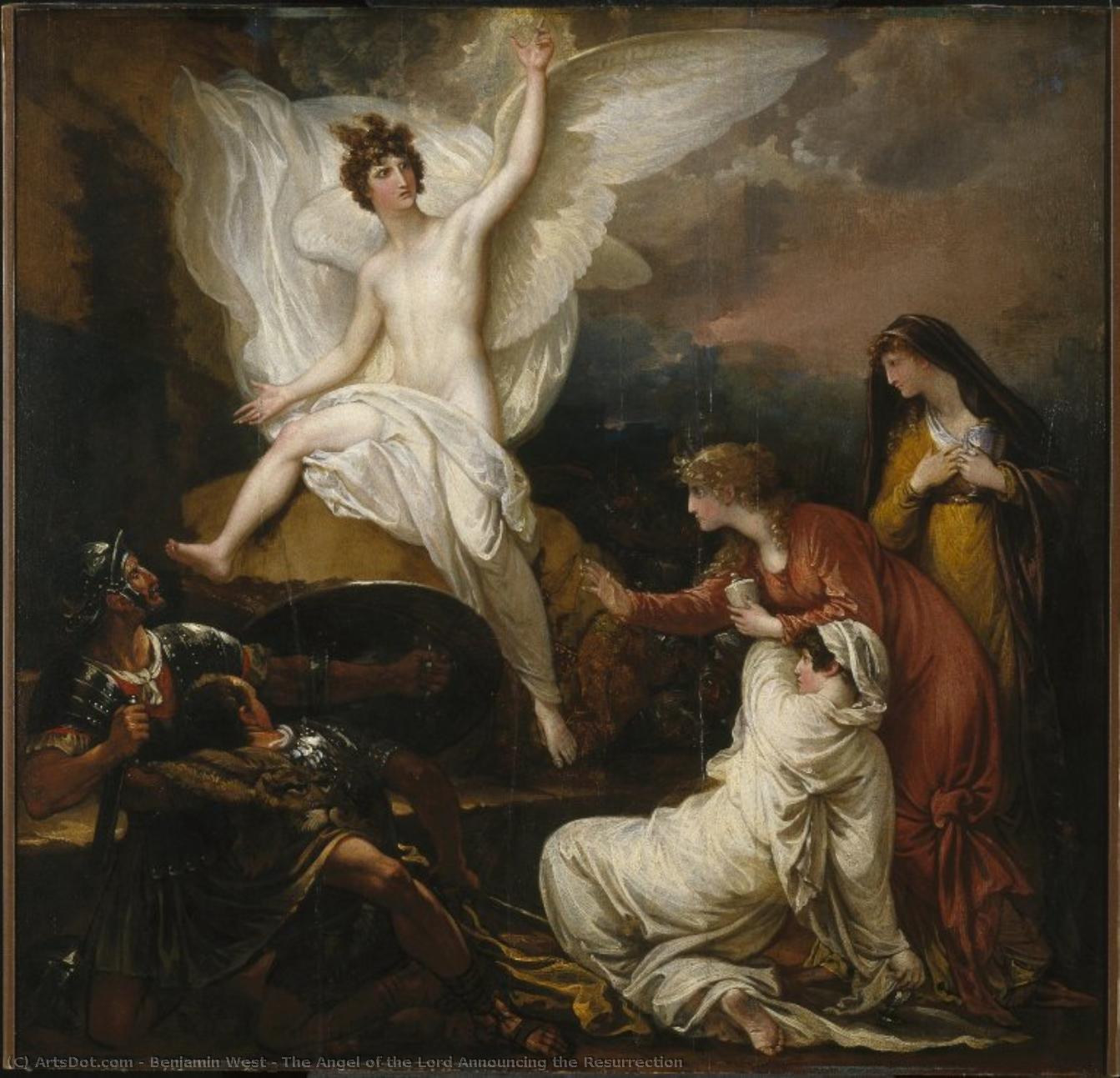
In the quiet intersection where the earthly realm meets the divine, Benjamin West’s “The Angel of the Lord Announcing the Resurrection” emerges as a breathtaking masterpiece of spiritual storytelling. Completed in 1805, this work serves as a luminous window into the soul of the Romantic era, capturing a moment of profound theological triumph. The composition is anchored by a central angelic figure, a celestial messenger whose wings seem to catch the very light of heaven. This figure radiates a divine luminescence that pier Permeates the surrounding ethereal clouds, creating a sense of movement and awe that draws the viewer into the sacred event. West, an artist who bridged the gap between his humble Pennsylvania roots and the prestigious courts of Europe, utilizes a style that blends the delicate grace of Rococo with the burgeoning emotional depth of Romanticism.
The painting is far more than a mere depiction of a biblical narrative; it is a complex tapestry of human emotion and symbolic weight. On the left side of the canvas, West invites us to witness the spectrum of human response to the miraculous. A grieving woman clutches her child, her posture embodying the raw, maternal devotion and the heavy sorrow of loss, while nearby, a man kneels in fervent prayer, representing the quiet strength of piety and spiritual contemplation. The presence of a soldier bearing a banner emblazoned with the Cross adds a layer of heroic sacrifice to the scene, grounding the celestial announcement in the reality of faith and struggle. These figures are not merely spectators but participants in a cosmic drama that resonates deeply with anyone moved by themes of hope, endurance, and the triumph of light over darkness.
Mastery of Light and Composition for the Discerning Collector
For the art enthusiast or interior designer, this painting offers an unparalleled opportunity to introduce a sense of grandeur and contemplative peace into a space. West’s technical command is evident in his meticulous attention to detail—from the architectural elegance of the draped drapery on the right to the dynamic interplay of light and shadow across the various figures. The use of oil on panel allows for a rich, saturated color palette that brings the heavenly glow to life, making it an ideal centerpiece for a gallery-style room or a sophisticated study. The balance of the composition—with its carefully distributed figures and swirling, atmospheric clouds—ensures that the eye is constantly engaged, discovering new layers of meaning with every glance.
Owning a high-quality reproduction of this work means bringing home a piece of art history that speaks to the eternal. It is a painting that does not merely decorate a wall but transforms an environment, offering a focal point for reflection and a conversation starter regarding the intersection of American identity and European tradition. Whether placed in a contemporary setting to provide a classical contrast or within a traditional library to complement its heritage, West’s vision remains as potent and moving today as it was at the dawn of the nineteenth century. This work stands as a testament to the power of art to bridge worlds, much like the artist himself, connecting the viewer to a sense of the sublime.
Похожие произведения

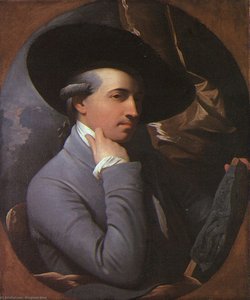
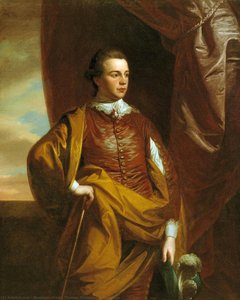
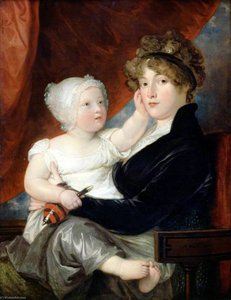
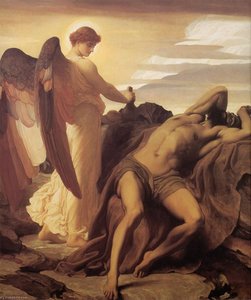
Биография художника
A Pioneer Bridging Worlds: The Life and Legacy of Benjamin West
Born in 1738 amidst the burgeoning landscape of colonial Pennsylvania, Benjamin West emerged as a pivotal figure in the transatlantic art world, a painter who skillfully navigated the currents of Neoclassicism and Romanticism while forging a uniquely American artistic identity. His story is one of remarkable self-education, unwavering ambition, and an extraordinary ability to connect with both aristocratic patrons and revolutionary ideals. From humble beginnings—his father an innkeeper in Springfield—West’s innate talent was nurtured by early exposure to the arts, reportedly learning rudimentary techniques from Native Americans before receiving any formal training. This unconventional start instilled within him a spirit of innovation that would characterize his entire career. He quickly established himself as a sought-after portraitist in Philadelphia and New York, but a thirst for deeper artistic knowledge propelled him towards Europe in 1760, embarking on a journey that would irrevocably alter the course of American art.From Italy to London: Forging a Path to Recognition
West’s arrival in Italy marked a turning point. Immersing himself in the artistic heartland of Europe, he studied the masters—Titian, Raphael—and engaged with contemporary Neoclassical thinkers like Anton Rafael Mengs and Angelica Kauffman. This period was crucial in shaping his aesthetic sensibilities, instilling within him an appreciation for classical form and historical narrative. He spent years meticulously copying works by these giants, absorbing their techniques and developing a profound understanding of composition, color theory, and the idealized beauty championed by Neoclassicism. However, it was London that ultimately became his adopted home and artistic center. Arriving in 1763, West swiftly ascended the ranks of the British art scene, captivating audiences with his ambitious canvases and securing the patronage of King George III. This royal endorsement not only provided financial stability but also cemented his position as a leading figure within the establishment. A defining moment came with his election to the Royal Academy in 1769, an institution he would later preside over as President from 1792 until his death. His influence extended beyond his own artistic production; West became a champion for American artists seeking training in Europe, offering guidance and support to generations of aspiring painters like Allston, Copley, and Morse.Revolutionizing Historical Painting: Technique and Controversy
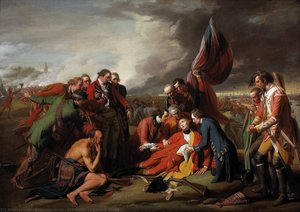
West’s impact on the art world wasn't merely about achieving technical mastery; it was about challenging conventions. He dared to reimagine historical painting, moving away from rigid adherence to classical precedent and embracing a more contemporary sensibility. The Death of General Wolfe (1770), arguably his most famous work, exemplifies this revolutionary approach. By depicting the fallen general surrounded by figures in *contemporary* military attire rather than traditional Roman garb, West sparked considerable debate. Critics questioned the historical accuracy, but audiences were captivated by the immediacy and emotional resonance of the scene. It was a bold move, reflecting a shift towards greater realism and narrative power in history painting—a departure from the idealized, often distant depictions favored by earlier artists. This work demonstrated his willingness to experiment with modern dress within a classical framework, setting a precedent for future generations of historical painters. His style evolved over time, incorporating elements of Romanticism into his later works, yet always retaining a commitment to ambitious composition and detailed execution. Other notable pieces like Thetis Bringing the Armor to Achilles, The Three Sisters, The Fright of Astyanax, and The Cave of Despair demonstrate his versatility and mastery across a range of mythological and historical themes.A Lasting Legacy: Shaping Artistic Identity
Benjamin West’s legacy extends far beyond the canvases he created. He fundamentally altered the landscape of American art, establishing history painting as a viable genre for American artists and fostering a sense of national artistic identity. His presidency of the Royal Academy solidified his influence on British art, promoting innovation and supporting emerging talent.- He championed a more accessible and emotionally engaging style of historical representation.
- His studio became a haven for American artists seeking training in Europe.
- He bridged the gap between Neoclassicism and the burgeoning Romantic movement.
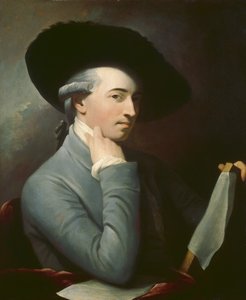
Бенджамин Вест
1738 - 1820 , Соединенные Штаты Америки
Основные сведения
- Artistic Movement Or Style: Неоклассицизм, Романтизм
- Artists Or Movements Influenced By This Artist:
- Аллстон
- Копли
- Морс
- Artists Who Influenced This Artist:
- Титян
- Рафаэль
- Менгс
- Гамвитт
- Кауффман
- Date Of Birth: 1738-10-10
- Date Of Death: 1820-03-11
- Full Name: Benjamin West
- Nationality: Американский
- Notable Artworks:
- Смерть генерала Вулф
- Тетис с доспехами для Ахиллеса
- Три сестры
- Испуг Астанакса
- Place Of Birth: Springfield, США
Похожие статьи
Benjamin West: Transatlantic Ambition & Shaping American Art
Explore the life & legacy of Benjamin West, pioneering American artist and Royal Academy president. Discover his Neoclassical masterpieces, transatlantic influence, and lasting impact on art history. Learn more at ArtsDot.
Celestial Messengers: A Comprehensive Exploration of Angelic Representation in Art History
Explore the captivating history of angels in art! Discover symbolism, iconic Renaissance masterpieces & renowned artists. Expert insights for art lovers & collectors at ArtsDot.

The Rococo Aesthetic: Opulence, Rebellion & the Pursuit of Pleasure in 18th-Century Art
Explore the opulent world of Rococo art! Discover its origins, key artists like Watteau & Boucher, and lasting influence on design. Expert insights for collectors & enthusiasts.

Топ-10 шедевров рококо: искусство, изменившее интерьеры | ArtsDot.com
Погрузитесь в мир рококо! Откройте для себя 10 шедевров искусства от Watteau, Boucher и Fragonard. Узнайте историю создания культовых картин и вдохновитесь для декора интерьера. Репродукции высокого качества на ArtsDot.com.
Celestial Messengers: Angels in Painting – A Historical & Artistic Exploration
Explore the captivating history of angels in painting! Discover symbolism, iconic Renaissance & Byzantine masterpieces, and renowned artists. Expert insights for art lovers & collectors at ArtsDot.