 Предпросмотр
 Поделиться
 Поделиться
 Детали произведения

 Скачать
 Похожие работы
 Рентгенография
 Слайд-шоу
 Статистика
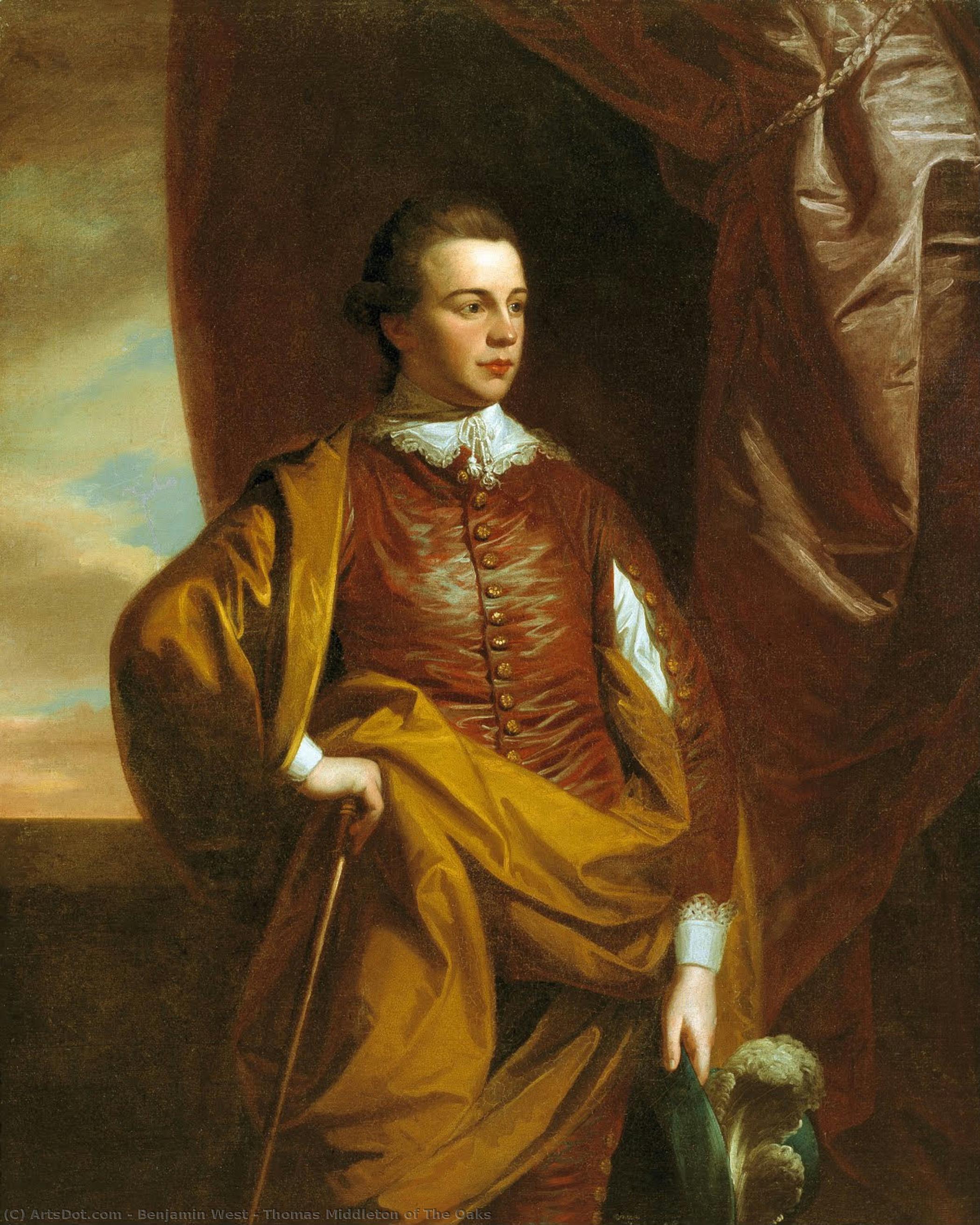
Thomas Middleton of The Oaks


 Читать далее
Жикле / Арт-принт
Печать (жикле) или холст музейного качества с быстрыми сроками изготовления и широким выбором вариантов отделки. ( Купить картину ручной работы Перейти к цифровым изображениям)




P118B $10

P118H $10

P118W $10

P438Z $10

P508JH $12

P508YH $12

P805H $10

P805Z $10

P919BZ $10

P919G $10

P919XJ $10

P959ZH $10

P968JZ $12

W106C $8

W218G $10

W218JH $8

W218Y $10

W307PJ $10

W316G $10

W316PJ $8

W316Y $10

W398PJ $8

W4111J $10

W500HY $15

W500JH $15

W692G $12

W849H $8

W940BG $15

W953PJ $8




Выберите один из наших стандартных размеров, соответствующих оригинальным пропорциям произведения искусства.

Вы можете указать свои собственные размеры, чтобы репродукция идеально подошла под конкретную раму или пространство. Если выбранный вами размер не будет соответствовать пропорциям оригинала, мы либо обрежем произведение, либо дополним изображение зеркальным отражением краев или однотонной заливкой. Перед началом производства вам будет отправлен цифровой макет для утверждения.
Пожалуйста, обратите внимание, что предварительный просмотр на экране не отображает фактическую обрезку или расширение изображения. Только макет точно покажет финальную композицию.
Несмотря на возможность заказа индивидуальных размеров, мы рекомендуем выбирать размер из предопределенного списка, чтобы сохранить оригинальные пропорции.
Доставка по всему миру () за 2 недели вместо стандартных 4/5 недель. (11 Сентябрь)

Бесплатная экспресс-доставка по всему миру

Высококачественный льняной холст

Полное страхование доставки

Гарантия возмещения таможенных пошлин

Гарантия точного соответствия цветов

100-дневная политика возврата (только при обнаружении дефектов)

Гарантия возврата 100% средств

Предложение оптовых скидок
 Вариант со стеклом доступен только для размеров менее 110 см

Thomas Middleton of The Oaks
Жикле / Арт-принт
Размер репродукции
-


Итоговая стоимость
$ 62
A Portrait of Colonial Ambition: Thomas Middleton of The Oaks
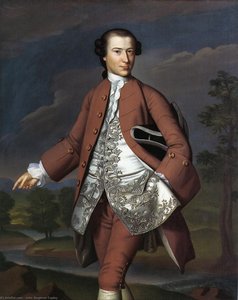
Benjamin West’s “Thomas Middleton of The Oaks” offers a captivating glimpse into the world of 18th-century South Carolina society, a world steeped in privilege, political intrigue, and burgeoning revolutionary sentiment. Painted between 1770 and 1772, this portrait transcends a simple likeness; it's a carefully constructed representation of a young man poised on the cusp of adulthood, reflecting his family’s esteemed lineage and the shifting tides of colonial identity.
- Subject: The painting depicts Thomas Middleton, son of Henry Middleton – a prominent planter – and younger brother of Arthur Middleton, one of South Carolina's signers of the Declaration of Independence. This familial connection immediately elevates the portrait’s significance within the context of American history.
- Appearance: Dressed in the fashionable attire of the period—a vibrant red coat, a crisp white collar, and a powdered wig – Thomas embodies the elegance and status associated with Charleston's elite. The inclusion of a cane suggests both authority and refinement, while the subtle mustache adds an air of cultivated sophistication.
West’s Neoclassical Style and American Connections
Benjamin West was a pivotal figure in bridging the gap between European artistic traditions and emerging American styles. His work during this period exemplifies his mastery of Neoclassicism, characterized by its emphasis on classical ideals, precise draftsmanship, and restrained emotion. West’s decision to paint the Middletons after his relocation to England marks a significant chapter in his career, representing one of his last major commissions before he fully embraced the transatlantic art world. The Middletons were uniquely positioned as West's primary patrons during this time, solidifying his connection to American society and providing him with invaluable insight into the evolving tastes and values of the colonies.
The painting’s composition—the man standing beside a curtain—creates a sense of contained space, drawing attention to the subject while subtly hinting at the secrets and complexities hidden behind formal appearances. The careful placement of the birds adds another layer of visual interest, suggesting themes of liberty and freedom – symbolic elements frequently employed in portraiture during this era.
Symbolism and Historical Context
The date of 1770 is crucial to understanding the painting’s significance. It was created just before the outbreak of hostilities between Britain and its American colonies, a period marked by increasing tensions and shifting loyalties. Thomas Middleton's return from England in January 1774, coinciding with West’s artistic activity, underscores this historical moment. The red coat, a color often associated with military power, subtly foreshadows the coming conflict.
- Birds: The presence of two birds is particularly noteworthy. Birds have long been symbols of freedom and liberty in Western art, aligning with the burgeoning revolutionary ideals taking root across the colonies.
- Curtain: The curtain itself can be interpreted as a symbol of concealment or privacy, reflecting the social constraints placed upon individuals within this hierarchical society.
Emotional Impact and Artistic Technique
"Thomas Middleton of The Oaks" is more than just a portrait; it’s a window into a bygone era. West's meticulous attention to detail—the texture of the fabric, the sheen of the wig, the subtle nuances of Thomas Middleton’s expression—demonstrates his exceptional technical skill and his ability to capture not only physical likeness but also the character and spirit of his subject. The painting’s enduring appeal lies in its ability to evoke a sense of timeless elegance and to transport us back to a pivotal moment in American history, offering a tangible connection to the lives and aspirations of those who shaped the nation.
Похожие произведения

Биография художника
A Pioneer Bridging Worlds: The Life and Legacy of Benjamin West
Born in 1738 amidst the burgeoning landscape of colonial Pennsylvania, Benjamin West emerged as a pivotal figure in the transatlantic art world, a painter who skillfully navigated the currents of Neoclassicism and Romanticism while forging a uniquely American artistic identity. His story is one of remarkable self-education, unwavering ambition, and an extraordinary ability to connect with both aristocratic patrons and revolutionary ideals. From humble beginnings—his father an innkeeper in Springfield—West’s innate talent was nurtured by early exposure to the arts, reportedly learning rudimentary techniques from Native Americans before receiving any formal training. This unconventional start instilled within him a spirit of innovation that would characterize his entire career. He quickly established himself as a sought-after portraitist in Philadelphia and New York, but a thirst for deeper artistic knowledge propelled him towards Europe in 1760, embarking on a journey that would irrevocably alter the course of American art.From Italy to London: Forging a Path to Recognition
West’s arrival in Italy marked a turning point. Immersing himself in the artistic heartland of Europe, he studied the masters—Titian, Raphael—and engaged with contemporary Neoclassical thinkers like Anton Rafael Mengs and Angelica Kauffman. This period was crucial in shaping his aesthetic sensibilities, instilling within him an appreciation for classical form and historical narrative. He spent years meticulously copying works by these giants, absorbing their techniques and developing a profound understanding of composition, color theory, and the idealized beauty championed by Neoclassicism. However, it was London that ultimately became his adopted home and artistic center. Arriving in 1763, West swiftly ascended the ranks of the British art scene, captivating audiences with his ambitious canvases and securing the patronage of King George III. This royal endorsement not only provided financial stability but also cemented his position as a leading figure within the establishment. A defining moment came with his election to the Royal Academy in 1769, an institution he would later preside over as President from 1792 until his death. His influence extended beyond his own artistic production; West became a champion for American artists seeking training in Europe, offering guidance and support to generations of aspiring painters like Allston, Copley, and Morse.Revolutionizing Historical Painting: Technique and Controversy
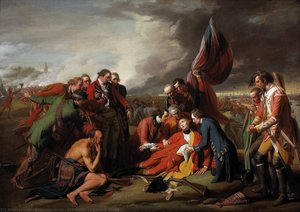
West’s impact on the art world wasn't merely about achieving technical mastery; it was about challenging conventions. He dared to reimagine historical painting, moving away from rigid adherence to classical precedent and embracing a more contemporary sensibility. The Death of General Wolfe (1770), arguably his most famous work, exemplifies this revolutionary approach. By depicting the fallen general surrounded by figures in *contemporary* military attire rather than traditional Roman garb, West sparked considerable debate. Critics questioned the historical accuracy, but audiences were captivated by the immediacy and emotional resonance of the scene. It was a bold move, reflecting a shift towards greater realism and narrative power in history painting—a departure from the idealized, often distant depictions favored by earlier artists. This work demonstrated his willingness to experiment with modern dress within a classical framework, setting a precedent for future generations of historical painters. His style evolved over time, incorporating elements of Romanticism into his later works, yet always retaining a commitment to ambitious composition and detailed execution. Other notable pieces like Thetis Bringing the Armor to Achilles, The Three Sisters, The Fright of Astyanax, and The Cave of Despair demonstrate his versatility and mastery across a range of mythological and historical themes.A Lasting Legacy: Shaping Artistic Identity
Benjamin West’s legacy extends far beyond the canvases he created. He fundamentally altered the landscape of American art, establishing history painting as a viable genre for American artists and fostering a sense of national artistic identity. His presidency of the Royal Academy solidified his influence on British art, promoting innovation and supporting emerging talent.- He championed a more accessible and emotionally engaging style of historical representation.
- His studio became a haven for American artists seeking training in Europe.
- He bridged the gap between Neoclassicism and the burgeoning Romantic movement.
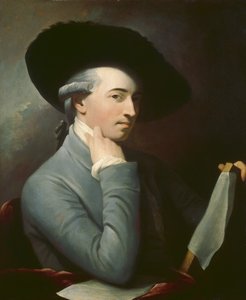
Бенджамин Вест
1738 - 1820 , Соединенные Штаты Америки
Основные сведения
- Artistic Movement Or Style: Неоклассицизм, Романтизм
- Artists Or Movements Influenced By This Artist:
- Аллстон
- Копли
- Морс
- Artists Who Influenced This Artist:
- Титян
- Рафаэль
- Менгс
- Гамвитт
- Кауффман
- Date Of Birth: 1738-10-10
- Date Of Death: 1820-03-11
- Full Name: Benjamin West
- Nationality: Американский
- Notable Artworks:
- Смерть генерала Вулф
- Тетис с доспехами для Ахиллеса
- Три сестры
- Испуг Астанакса
- Place Of Birth: Springfield, США
Похожие статьи
Величие XVIII века: Топ-10 шедевров искусства для вашего интерьера
Погрузитесь в эпоху рококо и барокко! Топ-10 шедевров XVIII века от Буше, Фрагонара и Рейнольдса. Узнайте историю создания культовых картин и вдохновитесь для декора вашего дома. Репродукции высокого качества на ArtsDot.com
Benjamin Haughton: Victorian Genre Painting & Social Commentary
Explore the captivating world of Benjamin Haughton, Victorian genre painter. Discover his realistic depictions of daily life, social commentary, and enduring artistic legacy. Shop high-quality reproductions at ArtsDot.
Thomas Barker of Bath: Landscape Painting & Societal Reflection in Early 19th-Century England
Explore the life & work of Thomas Barker of Bath, a key figure in 19th-century English Romanticism. Discover his Parisian success, iconic paintings like 'The Bride of Death', and lasting artistic legacy. Learn more at ArtsDot.
Thomas Hudson: A Study in 18th-Century Portraiture & British Artistic Identity
Explore the life & work of Thomas Hudson, a leading 18th-century British portraitist. Discover his mastery of the 'Grand Manner,' influential style, and lasting impact on British art. Learn about his notable portraits like Judge William Noel & Alexander Van Aken.
Benjamin West: Transatlantic Ambition & Shaping American Art
Explore the life & legacy of Benjamin West, pioneering American artist and Royal Academy president. Discover his Neoclassical masterpieces, transatlantic influence, and lasting impact on art history. Learn more at ArtsDot.