 Поделиться
 Поделиться
 Детали произведения

 Скачать
 Похожие работы
 Слайд-шоу
 Статистика
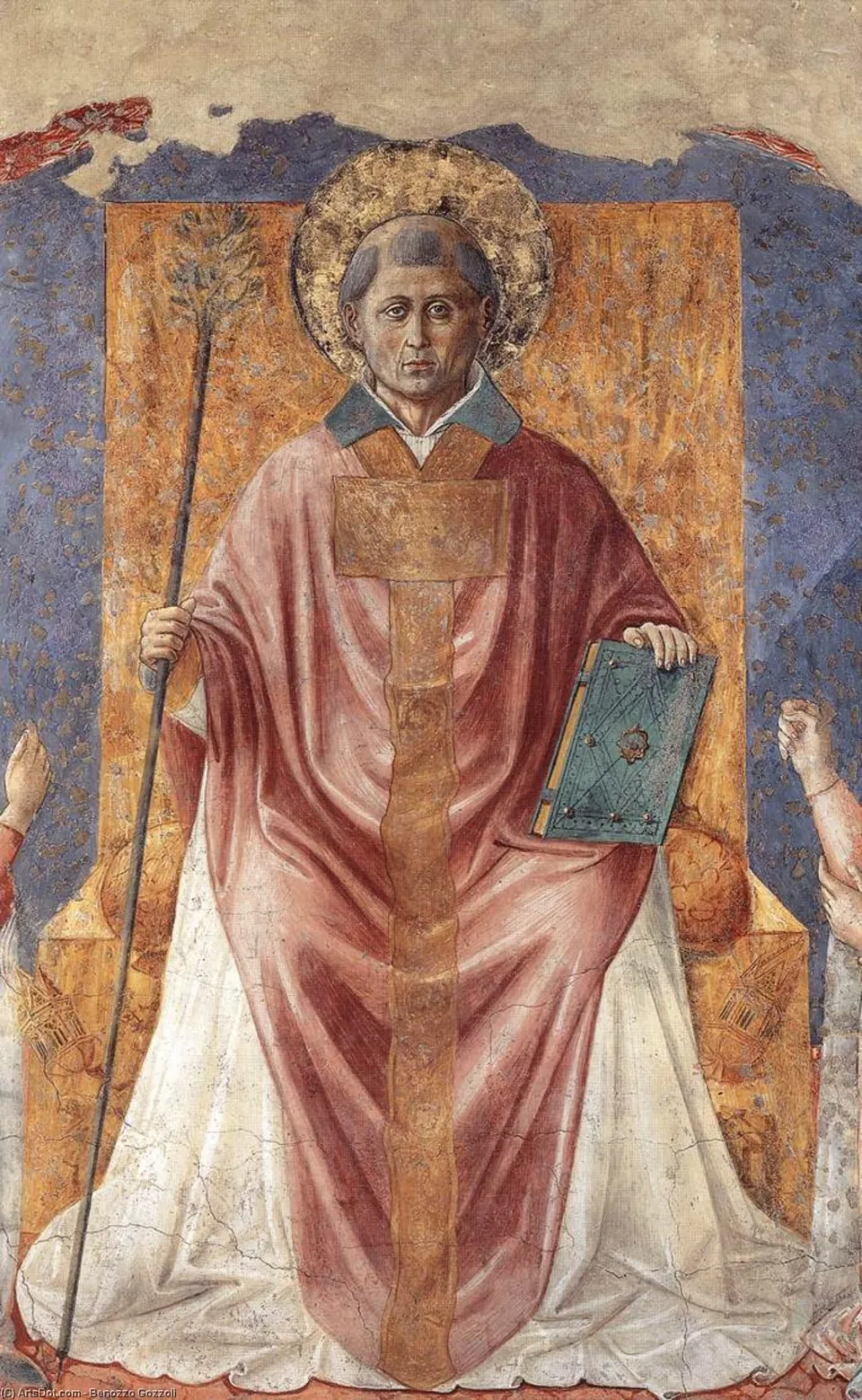
St Fortunatus Enthroned
 Fresco
- Early Renaissance
 1450
1450 200.0 x 110.0 cm
 San Fortunato
 Читать далее
Масляная репродукция ручной работы
Картина маслом на холсте в выбранном вами размере и раме, написанная на заказ нашими художниками. ( Перейти к печати Перейти к цифровым изображениям)




































Выберите один из наших стандартных размеров, соответствующих оригинальным пропорциям произведения искусства.

Вы можете указать собственные размеры, чтобы картина идеально вписалась в выбранную раму или пространство. Если выбранный вами размер не соответствует пропорциям оригинала, мы либо обрежем полотно, либо расширим его за счет дополнительных элементов, написанных вручную. Цифровой макет будет отправлен вам на утверждение перед началом производства.
Обратите внимание, что предварительный просмотр на экране не отражает фактическую обрезку или расширение. Только макет точно покажет окончательную композицию.
Хотя доступны индивидуальные размеры, мы рекомендуем выбирать вариант из предопределенного списка, чтобы сохранить исходные пропорции.
После оформления заказа команда ArtsDot.com свяжется с клиентом по электронной почте для уточнения деталей и предоставит предварительный макет
Доставка по всему миру () за 3–4 недели вместо стандартных 5 недель. (13 Сентябрь). Без компромиссов в качестве.

Бесплатная экспресс-доставка по всему миру

Высококачественный льняной холст

Полное страхование доставки

Гарантия возмещения таможенных пошлин

Гарантия точного соответствия цветов

100-дневная политика возврата (только при обнаружении дефектов)

Гарантия возврата 100% средств

Предложение оптовых скидок
 Вариант со стеклом доступен только для размеров менее 110 см

St Fortunatus Enthroned
Техника репродукции
Размер репродукции
-


Итоговая стоимость
$ 263
St Fortunatus Enthroned by Benozzo Gozzoli: A Window into Renaissance Italy
Benozzo Gozzoli’s “St Fortunatus Enthroned,” painted in 1450, is more than just a religious depiction; it's a vibrant snapshot of fifteenth-century Italy. This fresco, measuring a modest 200 x 110 cm and currently residing in the San Fortunato museum in Montefalco, Umbria, offers a captivating glimpse into the artistic sensibilities of the Early Renaissance. Gozzoli’s masterful use of color and intricate detail immediately draws the viewer into a world where faith and opulent celebration intertwine.
- Subject Matter: The central figure is St. Fortunatus himself, seated regally on a chair, an image common in religious art of the period. His posture exudes authority and piety, while his hands folded in prayer suggest humility and devotion.
- Composition & Style: Gozzoli’s style is characterized by its dynamic composition and vibrant palette. The dominant blue background creates a sense of depth and grandeur, contrasting beautifully with the rich reds and browns used to depict St. Fortunatus' robes and the surrounding architectural elements. The two smaller figures flanking him add to the overall richness and complexity of the scene.
- Technique: Executed as a fresco – meaning painted directly onto wet plaster – this artwork demonstrates Gozzoli’s skill in layering pigments for depth and luminosity. The texture created through careful brushstrokes is particularly evident in the detailing of the fabrics and architectural elements, showcasing the artist's meticulous approach.
A Historical Tapestry: Context and Patronage
The painting’s creation within the San Fortunato museum, a town steeped in history dating back to pre-Roman times and formerly part of the Papal States, adds another layer of significance. The fresco reflects the artistic trends prevalent during this period, influenced by both Byzantine traditions – evident in the flattened perspective and symbolic representation – and the burgeoning International Gothic style that Gozzoli so expertly championed. The location itself, a ‘most beautiful village’ according to Italian classification, speaks to the enduring value placed on preserving cultural heritage.
Gozzoli's work was often commissioned by wealthy families like the Medici, reflecting the patronage system that fueled artistic innovation during the Renaissance. The painting likely served as a devotional piece within the church, intended to inspire faith and reverence among its worshippers.
Symbolism and Emotional Resonance
Beyond its religious subject matter, “St Fortunatus Enthroned” is rich in symbolism. The staff held by St. Fortunatus represents his authority as a saint, while the book symbolizes knowledge and scripture – core tenets of Christian belief. The overall effect is one of dignified power and profound piety. Gozzoli skillfully evokes these emotions through careful attention to detail, color choices, and compositional balance.
The limited perspective and emphasis on two-dimensionality are hallmarks of fresco painting, creating a timeless quality that transcends the specific historical context in which it was created. The image invites contemplation and offers a tangible connection to the artistic and spiritual values of the Renaissance period.
Collecting a Masterpiece: Reproduction Options
ArtsDot.com is proud to offer meticulously crafted hand-painted reproductions of Benozzo Gozzoli’s “St Fortunatus Enthroned.” Each reproduction captures the essence of the original fresco, utilizing traditional techniques and high-quality materials to ensure lasting beauty. Whether you are an art collector, interior designer seeking a statement piece, or simply someone captivated by Renaissance artistry, our reproductions provide an accessible way to own a piece of this remarkable artwork.
Похожие произведения
Биография художника
ранние годы и обучение
Бензоццо Гоццоли, итальянский художник эпохи Возрождения из Флоренции, родился в 1420 году. Он наиболее известен своей серией росписей в палаццо Медичи-Риккарди, где он запечатлел праздничные, яркие процессии с тончайшим вниманием к деталям и выраженным влиянием интернациональной готики. В юности Гоццоли был учеником и помощником прославленного мастера Фра Анжелико. Некоторые из его ранних работ, например, созданные в монастыре Сан-Марко во Флоренции, были выполнены по эскизам Фра Анжелико. Именно это обучение заложило прочный фундамент для будущего триумфа Гоццоли.выдающиеся работы и сотрудничество
* Путешествие волхвов в Вифлеем (1459-1461): фреска в часовне волхвов в палаццо Медичи-Риккарди, демонстрирующая мастерство Гоццоли в стиле интернациональной готики. * сотрудничество с Лоренцо Гиберти над «Вратами рая» в баптистерии Сан-Джованни (1444-1447). * работа в Риме, включая фреску Святого Антония и двух ангелов в церкви Санта-Мария-ин-Арачели под покровительством папы Евгения IV.художественный стиль и наследие
Стиль Гоццоли, отличающийся поразительной детализацией и готическим влиянием, снискал признание за свое уникальное сочетание элегантности и изысканности. Его плодовитая творческая деятельность, охватывающая многочисленные фрески Тосканы и Умбрии, обеспечила ему место среди самых значимых фигур в искусстве итальянского Ренессанса.- посмотреть работы Гоццоли на ArtsDot: https://ArtsDot.com/@/benozzo-gozzoli
- изучить эпоху итальянского Возрождения на ArtsDot: /ru/art/list/
- узнать больше о жизни и творчестве Гоццоли в Википедии: https://en.wikipedia.org/wiki/benozzo_gozzoli
Бензозо Гоззоли
1420 - 1497 , Италия
Основные сведения
- Artistic Movement Or Style: Международный готический стиль
- Artists Or Movements Influenced By This Artist: ['Ренессанс']
- Artists Who Influenced This Artist: ['Фра Ангело']
- Date Of Birth: 1420 г.
- Date Of Death: 1497 г.
- Full Name: Benozzo di Lese
- Nationality: Итальянский
- Notable Artworks:
- Путешествие магов в Вифлеем
- Сотрудничество с Лоренцо Гиберти
- Place Of Birth: Флоренция, Италия
Похожие статьи

The Enduring Legacy of Fresco Painting: Techniques, History & Contemporary Relevance
Explore the rich history & enduring artistry of fresco painting – from Giotto to Michelangelo! Discover techniques, conservation efforts, & modern applications. Learn how ArtsDot brings this timeless art form to your home.

The Enduring Legacy of Fresco: Technique, History & Artistic Expression Across Cultures
Explore the rich history & enduring legacy of fresco painting! Discover ancient techniques, Giotto's masterpieces, and modern applications. Expert insights for art lovers & professionals.
The Enduring Legacy of Fresco: Technique, History & Artistic Expression
Explore the rich history & enduring artistry of fresco painting. Discover techniques from Giotto to Michelangelo, conservation efforts, & modern applications. Learn how ArtsDot brings this timeless art form to your home.
Benozzo Gozzoli: Narrative Innovation & Secular Humanism in Early Renaissance Frescoes
Explore the innovative frescoes of Benozzo Gozzoli, a key Florentine Renaissance painter. Discover his unique blend of religious narrative, secular humanism & detailed portraiture in masterpieces like the Magi Chapel cycle.

Фреска как Семейное Наследие: Сохранение Истории в Искусстве Стен
Узнайте о фресках как семейном наследии! История, техника создания, реставрация и сохранение. Экспертные советы и вдохновение для вашего дома. .