

 Поделиться
 Поделиться
 Детали произведения

 Скачать
 Похожие работы
 Слайд-шоу
 Статистика
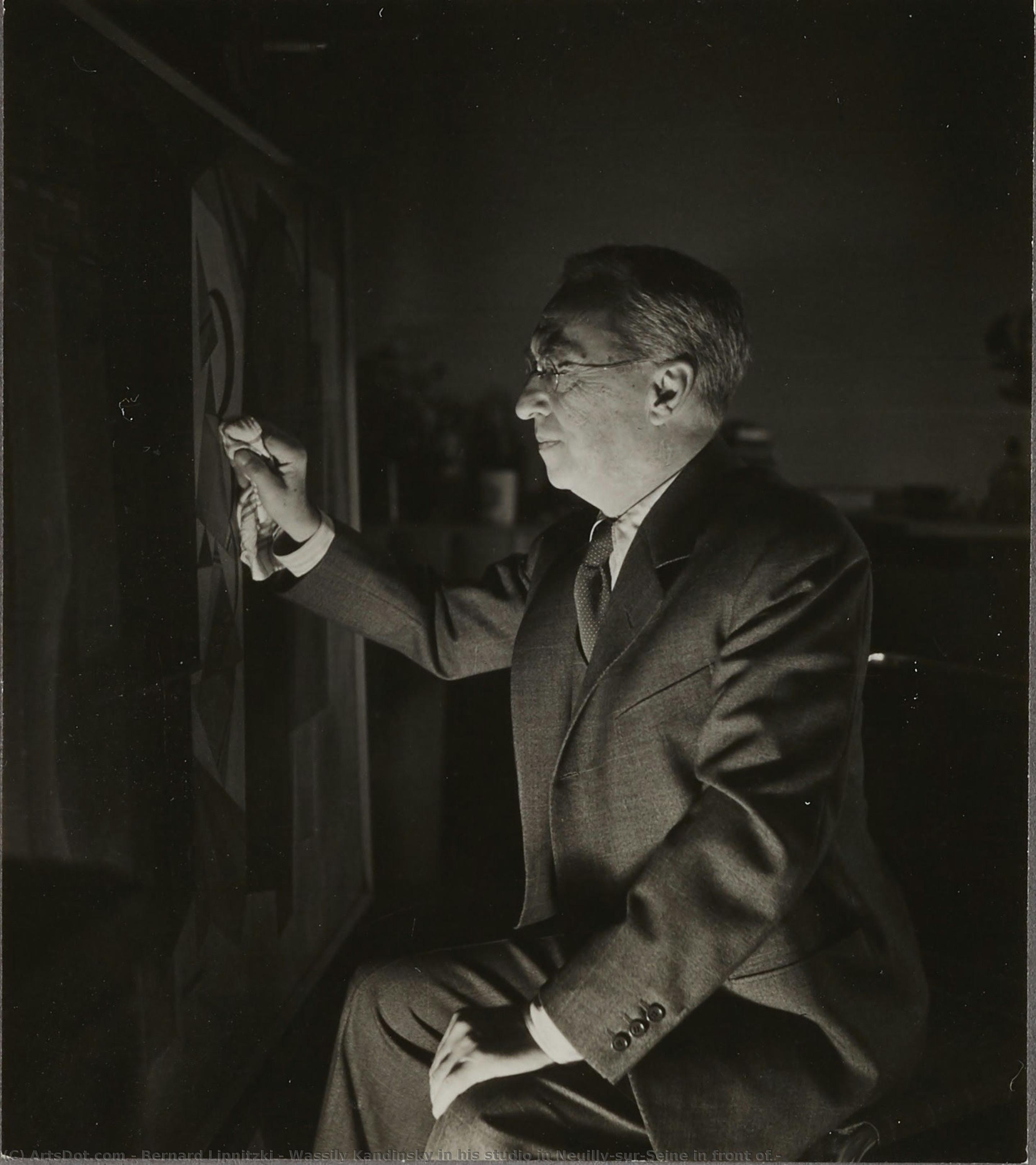
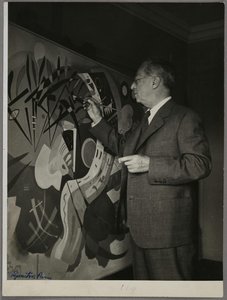
Wassily Kandinsky in his studio in Neuilly-sur-Seine in front of


 Читать далее
Приобретите цифровое изображение высокого разрешения в улучшенном качестве, которое значительно превосходит онлайн-превью.
Каждый файл тщательно подготавливается нашими специалистами с использованием передовых инструментов и экспертной ручной ретуши. Мы гарантируем исключительную четкость, точную цветопередачу и детальную проработку каждого изображения.
Финальный файл доставляется по электронной почте в течение 72 часов и оптимизирован для немедленного использования в профессиональной среде, при верстке и печати. Это тот же уровень качества, которому доверяют ведущие дизайнерские студии, издательства и галереи.
Цифровое изображение
Скачайте файл высокого разрешения для личного использования, печати и творческих проектов. ( Перейти к печати Купить картину ручной работы)
Включено в каждый заказ цифровых изображений
Гарантия экспертной цифровой доставки
Выбирая ArtsDot.com, вы получаете не просто изображение — вы приобретаете профессионально обработанное цифровое произведение искусства, созданное с безупречной точностью и под защитой гарантии качества. Вот всё, что автоматически входит в ваш заказ:

Мгновенная доставка по e-mail
Ваш цифровой файл в высоком разрешении будет отправлен вам по электронной почте в течение 72 часов после оформления заказа — и сразу станет доступен для использования.

Цифровой файл с ИИ-улучшением
Ваше произведение искусства проходит профессиональную оптимизацию с использованием передовых инструментов ИИ и ручной обработки, что гарантирует максимальную детализацию, четкость и точность цветопередачи.

Бессрочная бесплатная повторная доставка
Случайно удалили или потеряли файл? Не беспокойтесь — мы отправим его вам повторно в любое время и совершенно бесплатно.

Без импортных пошлин — навсегда
Наслаждайтесь вашим произведением искусства мгновенно без таможенных пошлин, сборов или затрат на доставку — цифровые загрузки всегда не облагаются налогом.

Гарантия точности цветопередачи
Мы гарантируем, что ваше цифровое изображение максимально точно передает оригинальные цвета благодаря использованию профессиональных инструментов и систем управления цветом.

Гарантия удовлетворенности 100 дней
Если вы не будете удовлетворены своим цифровым изображением, мы внесем правки или вернем 100% стоимости в течение 100 дней — без лишних вопросов.

100% Гарантия возврата средств
Не удовлетворены покупкой? Получите полный возврат средств в течение 100 дней после получения цифрового файла — без лишних вопросов.

Скидки на оптовые заказы
Купите 3 изображения, сэкономьте 10% — Купите 5, сэкономьте 15% — Купите 10+, сэкономьте 20%. Отличное решение для творческих проектов, галерей и агентств.
A Moment Frozen in Time: Kandinsky’s Contemplative Gaze
In this evocative black and white photograph from 1938, we are granted a rare, intimate glimpse into the private sanctuary of one of the twentieth century's most profound visionaries, Wassily Kandinsky. Captured by the perceptive lens of Bernard Lipnitzki, the image transcends mere documentation to become a psychological portrait of the creative spirit. The composition centers on Kandinsky himself, seated within his studio in Neuilly-sur-Seine, his figure occupying much of the frame with a presence that is both commanding and deeply introspective. He is caught in a moment of profound stillness, his gaze fixed intently upon a painting hanging behind him, inviting the viewer to share in his silent dialogue with his own creation.
The photograph utilizes a medium shot that emphasizes the physical and emotional weight of the artist's concentration. While the background—a collection of studio elements including shelves, curtains, and secondary works—is rendered with a soft blur, it provides an essential atmospheric context. This shallow depth of field serves a dual purpose: it isolates Kandinsky in a state of pure intellectual focus while simultaneously enveloping him in the textured reality of his workspace. The interplay of light and shadow creates a rich grayscale palette, where deep, velvety blacks define the folds of his suit and bright highlights catch the glint of his spectacles, adding a layer of sharp, crystalline clarity to his searching eyes.
The Texture of Genius and the Art of Documentation
Technically, the photograph is a masterclass in the documentary style of mid-century portraiture. The grainy texture inherent to the film of the era lends the image a vintage, timeless aesthetic, as if we are peering through a veil of history. There is a palpable sense of tactile reality in the way Lipnitzki captures the various surfaces: the smooth glass of the spectacles, the heavy weave of the artist's clothing, and the soft, draped fabric of the studio curtains. These textures ground the ethereal nature of Kandinsky’s abstract thoughts in a tangible, physical world.
The lighting is masterfully diffused, avoiding harsh contrasts in favor of gentle transitions that sculpt the form of the artist. This soft illumination contributes to the overall sense of intimacy and immediacy, making the viewer feel less like an observer and more like a quiet witness to a sacred ritual of artistic scrutiny. The subtle vignette around the edges of the frame further directs our attention inward, tightening the focus on the intersection of the man and his art.
A Legacy for the Discerning Collector
For collectors and interior designers alike, this photograph offers much more than a historical record; it provides an emotional anchor for any sophisticated space. The image carries immense symbolic weight, representing the eternal cycle of creation, contemplation, and critique. It is a tribute to the rigorous intellectual labor that precedes every masterpiece. As a piece of art, it possesses a quiet power that complements modern, minimalist, or classic academic interiors, offering a sophisticated focal point that sparks conversation about the nature of inspiration.
Owning a high-quality reproduction of this moment allows one to bring the gravity and grace of the modernist era into a contemporary setting. It is an invitation to reflect on the beauty of deep thought and the enduring legacy of the masters. Whether placed in a quiet study or a grand gallery, Lipnitzki’s portrait of Kandinsky remains a hauntingly beautiful testament to the intensity of the human creative drive.
Похожие произведения
Биография художника
A Life Through the Lens: Bernard Lipnitzki and the Portraits of an Era
Bernard Lipnitzki, born in Paris in 1930, occupies a unique position in the history of twentieth-century photography—not as a creator of a singular, highly stylized aesthetic, but as a remarkably perceptive documentarian of artistic life. His career unfolded not in isolation within a studio, but amidst the vibrant currents of post-war Europe and America, capturing intimate moments with some of the most influential figures of the age. Initially drawn to cinema, Lipnitzki’s early ambition led him to the prestigious French film school IDHEC in 1949; however, fate intervened when he joined his father, Boris Lipnitzki, a renowned photographer celebrated for his portraits of artists and intellectuals, in Venezuela. This relocation proved pivotal, laying the foundation for Bernard's own photographic journey.Inherited Vision, Independent Voice
Boris Lipnitzki’s legacy loomed large, but young Bernard quickly forged his own path. His father’s studio provided invaluable technical training—mastering the intricacies of shooting, developing, and printing—but it was a desire to move beyond the established conventions of theatre portraiture that propelled him forward. He served as a regiment photographer during his military service in Germany, honing his skills further before returning to Paris and immersing himself in the world of photojournalism. His early work for publications like “France Dimanche” saw him photographing figures such as Céline, Sagan, Dalí, and Audrey Hepburn—a diverse array of personalities that hinted at a burgeoning talent for capturing not just likenesses, but the essence of his subjects. This period was characterized by an immediacy and directness, a willingness to engage with the complexities of post-war French society.Chronicler of Artistic Movements
Lipnitzki’s career truly blossomed in the 1950s and 60s as he became a sought-after photographer for magazines like “Jours de France” and later, through freelance work in the United States. He documented pivotal moments—the unrest of May 13, 1958 in Paris, De Gaulle’s visit to Algeria—but it was his portraits that distinguished him. He possessed an uncanny ability to create a sense of intimacy with his subjects, revealing their vulnerabilities and intellectual energy. His iconic photograph of Wassily Kandinsky in his studio, for example, is not merely a depiction of the artist; it’s a glimpse into his creative process, a visual meditation on abstraction itself. Similarly, his portrait of Salvador Dalí, captured in Paris in 1956, embodies the surrealist master's flamboyant personality and enigmatic aura. These images weren’t simply assignments; they were encounters with artistic minds, translated into compelling photographic narratives.A Legacy Preserved: Roger-Viollet and Beyond
While Lipnitzki enjoyed a successful career as both an advertising and reportage photographer until 1995, it is his earlier work—the portraits of artists and intellectuals—that has secured his place in photographic history. The acquisition of a significant portion of his archive by Roger-Viollet in the late 1980s ensured the preservation and wider dissemination of his images. Roger-Viollet’s exclusive distribution of these works allows contemporary audiences to appreciate Lipnitzki's unique contribution to visual culture. His photographs offer a rare window into the artistic landscape of the mid-20th century, providing invaluable insights into the lives and creative worlds of some of its most important figures. He wasn’t simply taking pictures; he was building a visual record of an era—a testament to the power of photography to capture not just what is seen, but what is felt, understood, and remembered.
bernard lipnitzki
1930 - , France
Основные сведения
- Artistic Movement Or Style: Portrait Photography
- Date Of Birth: 1930
- Full Name: Bernard Lipnitzki
- Nationality: French
- Notable Artworks:
- Wassily Kandinsky in his studio
- Salvador Dalí portrait
- Place Of Birth: Paris, France