

 Предпросмотр
 Поделиться
 Поделиться
 Детали произведения

 Скачать
 Похожие работы
 Рентгенография
 Слайд-шоу
 Статистика
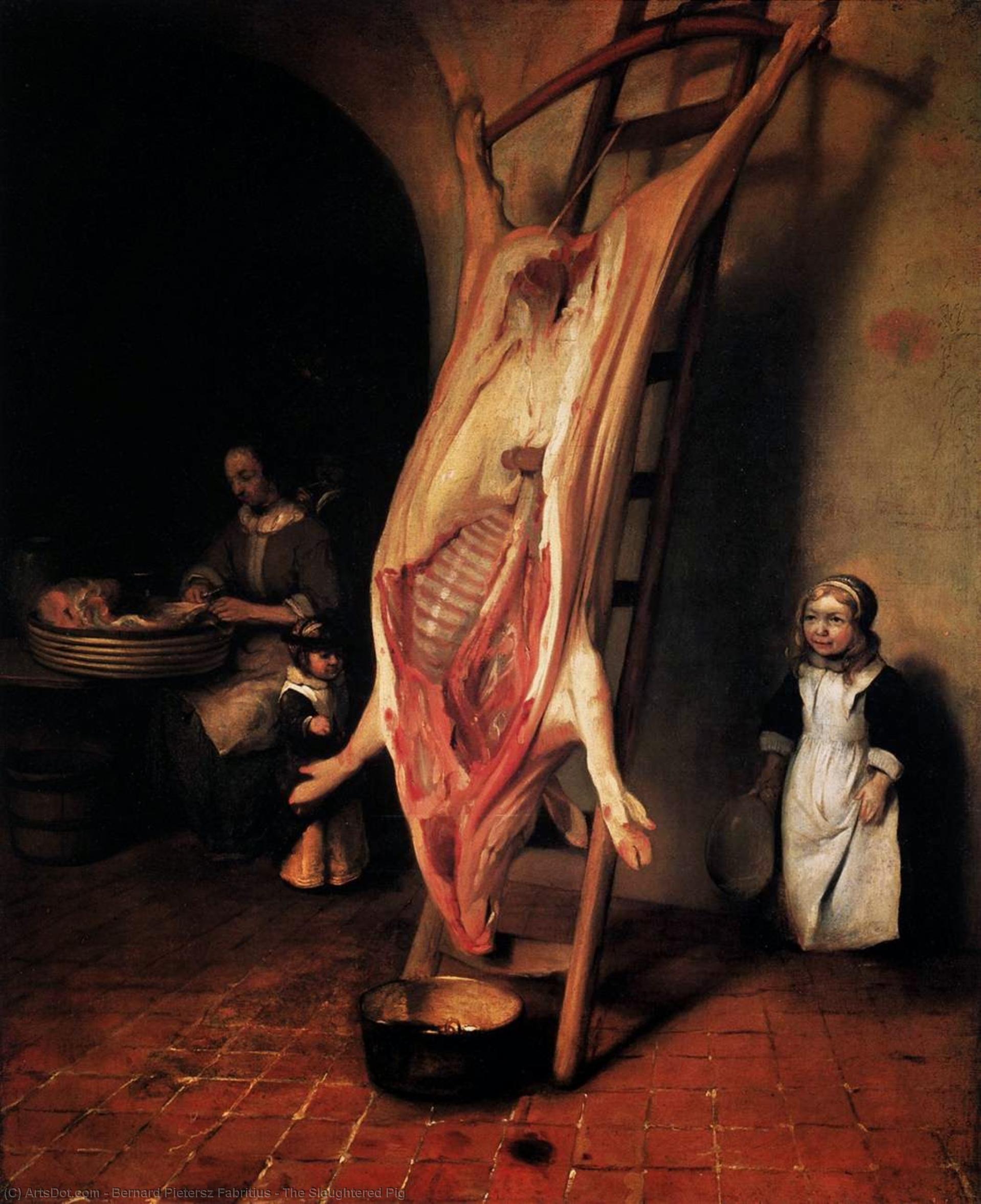
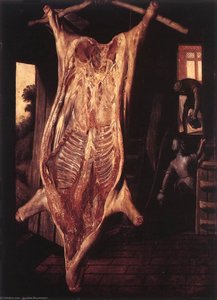
The Slaughtered Pig
 Oil On Canvas
- WallArt
- Dutch Baroque
 1656
1656 80.0 x 65.0 cm
 Стейтлешские музеи Берлина
 Читать далее
Приобретите цифровое изображение высокого разрешения в улучшенном качестве, которое значительно превосходит онлайн-превью.
Каждый файл тщательно подготавливается нашими специалистами с использованием передовых инструментов и экспертной ручной ретуши. Мы гарантируем исключительную четкость, точную цветопередачу и детальную проработку каждого изображения.
Финальный файл доставляется по электронной почте в течение 72 часов и оптимизирован для немедленного использования в профессиональной среде, при верстке и печати. Это тот же уровень качества, которому доверяют ведущие дизайнерские студии, издательства и галереи.
Цифровое изображение
Скачайте файл высокого разрешения для личного использования, печати и творческих проектов. ( Перейти к печати Купить картину ручной работы)
Включено в каждый заказ цифровых изображений
Гарантия экспертной цифровой доставки
Выбирая ArtsDot.com, вы получаете не просто изображение — вы приобретаете профессионально обработанное цифровое произведение искусства, созданное с безупречной точностью и под защитой гарантии качества. Вот всё, что автоматически входит в ваш заказ:

Мгновенная доставка по e-mail
Ваш цифровой файл в высоком разрешении будет отправлен вам по электронной почте в течение 72 часов после оформления заказа — и сразу станет доступен для использования.

Цифровой файл с ИИ-улучшением
Ваше произведение искусства проходит профессиональную оптимизацию с использованием передовых инструментов ИИ и ручной обработки, что гарантирует максимальную детализацию, четкость и точность цветопередачи.

Бессрочная бесплатная повторная доставка
Случайно удалили или потеряли файл? Не беспокойтесь — мы отправим его вам повторно в любое время и совершенно бесплатно.

Без импортных пошлин — навсегда
Наслаждайтесь вашим произведением искусства мгновенно без таможенных пошлин, сборов или затрат на доставку — цифровые загрузки всегда не облагаются налогом.

Гарантия точности цветопередачи
Мы гарантируем, что ваше цифровое изображение максимально точно передает оригинальные цвета благодаря использованию профессиональных инструментов и систем управления цветом.

Гарантия удовлетворенности 100 дней
Если вы не будете удовлетворены своим цифровым изображением, мы внесем правки или вернем 100% стоимости в течение 100 дней — без лишних вопросов.

100% Гарантия возврата средств
Не удовлетворены покупкой? Получите полный возврат средств в течение 100 дней после получения цифрового файла — без лишних вопросов.

Скидки на оптовые заказы
Купите 3 изображения, сэкономьте 10% — Купите 5, сэкономьте 15% — Купите 10+, сэкономьте 20%. Отличное решение для творческих проектов, галерей и агентств.
Bernard Pietersz Fabritius's "The Slaughtered Pig": A Glimpse into Dutch Domesticity
Bernard Pietersz Fabritius’s “The Slaughtered Pig,” painted in 1656, is far more than a simple depiction of a rural scene; it’s a poignant window into the daily life and social customs of 17th-century Netherlands. This black and white artwork, measuring 80 x 65 cm, currently housed within the Staatliche Museen in Berlin, showcases Fabritius's remarkable ability to capture intimate moments with striking realism and subtle psychological depth. The painting’s monochromatic palette, unusual for its time, lends a starkness and immediacy to the scene, drawing the viewer directly into the heart of this domestic ritual. It is not merely about the act of slaughtering an animal; it’s about community, labor, and the cyclical nature of life and sustenance.A Masterful Study in Light and Shadow
Fabritius was renowned for his exceptional handling of light and shadow – a hallmark of the Dutch Baroque style – and “The Slaughtered Pig” exemplifies this skill beautifully. The absence of color doesn't diminish the richness of the artwork; instead, it amplifies the interplay of tones, creating a dramatic chiaroscuro effect that emphasizes textures and forms. Notice how the light falls upon the woman’s face, highlighting her expression – a mixture of weariness and quiet determination. The rough texture of the pig’s skin contrasts sharply with the smooth surfaces of the bowls on the table, while the shadows deepen within the room, creating an atmosphere of both intimacy and solemnity. Fabritius's technique involved meticulous observation and precise rendering, allowing him to convey a sense of palpable reality rarely seen in contemporary art. The use of oil paint on canvas allowed for subtle gradations of tone, further enhancing the illusion of depth and volume.Symbolism Within the Everyday
While seemingly straightforward, “The Slaughtered Pig” is imbued with symbolic meaning rooted in Dutch culture of the period. The pig itself represents abundance and prosperity – a vital source of food and income for many families. The communal setting—the presence of other figures observing the process—underscores the importance of shared labor and social bonds within rural communities. The bowls on the table, varying in size and shape, suggest preparation for a feast or celebration following the slaughter. The woman's posture, holding the pig with a firm grip, speaks to her role as a central figure in managing the household and ensuring its survival. It’s important to note that this scene was not merely a depiction of an event; it served as a reflection on the virtues of hard work, frugality, and community spirit—values highly prized during the Dutch Golden Age.Fabritius: A Life Cut Short
The tragic brevity of Bernard Pietersz Fabritius’s career adds to the mystique surrounding his art. Born in 1624 and dying prematurely in 1673, he left behind a relatively small but remarkably impactful body of work. He studied under Hendrick Jacobsz van Dyck, absorbing elements of Flemish Mannerism before developing his own distinctive style characterized by its realism, psychological insight, and masterful use of light. His influence on later Dutch artists is undeniable, particularly in the development of genre painting—a popular form that depicted scenes from everyday life. “The Slaughtered Pig” stands as a testament to Fabritius’s talent and vision – a captivating glimpse into a world both familiar and distant, rendered with an unparalleled sense of realism and emotional depth. It invites us not just to observe a moment in time but to contemplate the enduring human connection to nature, community, and the rhythms of life itself.Похожие произведения


Биография художника
The Enigmatic Master of Light: The Life and Legacy of Bernard Pietersz Fabritius
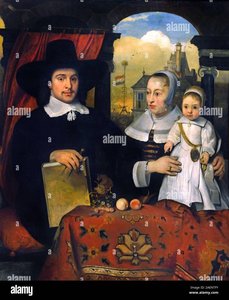
In the golden era of the Dutch Baroque, few names evoke as much quiet intrigue as Bernard Pietersz Fabritius. Born in Muiden in 1624, Fabritius emerged from the shadows of the Netherlands' rich artistic landscape to become a painter of profound psychological depth and technical brilliance. While his life was tragically truncated by illness in 1673, the impact of his brushwork remains etched in the annals of art history. His journey began under the tutelage of Hendrick Jacobsz van Dyck, where he absorbed the intricate stylistic precepts of Flemish Mannerism. This early training provided him with a robust foundation in portraiture and genre scenes, yet Fabritius would soon transcend mere imitation to develop a voice that was uniquely his own—one characterized by an almost unsettling realism and a masterful command over the interplay of light and shadow.
The artistry of Fabritius is defined by a singular ability to capture the ephemeral. He did not merely paint subjects; he breathed life into them through a meticulous attention to detail and a dedication to anatomical accuracy that mirrored the burgeoning scientific curiosity of his age. His canvases often serve as windows into the intimate, much more human moments of 17th-century life. Whether depicting the stark, visceral reality of daily existence in works like The Slaughtered Pig or portraying the quiet dignity of rural labor in Ruth and Boaz, Fabritius possessed a rare talent for finding the extraordinary within the ordinary. His use of chiaroscuro—the dramatic contrast between light and dark—was not merely a technical feat but an emotional tool used to guide the viewer's eye and evoke a sense of spiritual or psychological tension.
A Convergence of Science, Spirit, and Style
Fabritius’s creative evolution was deeply intertwined with the intellectual ferment of his time. Living and working during the flourishing of Leiden University, he found himself at the heart of a community where art and science began to dance in close proximity. His connections to luminaries such as Johannes Vermeer and Willem van der Helm suggest an artist who was deeply engaged with the innovations of his peers. This environment of intellectual curiosity likely encouraged his exploration of new perspectives and his pursuit of a more luminous, naturalistic aesthetic. This intersection of disciplines is perhaps most evident in his biblical compositions, where he utilized dramatic lighting to convey profound spiritual fervor, turning theological narratives into palpable, human experiences.
The breadth of his repertoire allowed him to navigate between the sacred and the secular with seamless grace. His achievements can be seen across a diverse spectrum of subject matter:
- Biblical Narratives: In masterpieces such as Abraham Dismissing Hagar and Ishmael, he utilized dramatic compositions to capture the weight of divine and human emotion.
- Genre Painting: He excelled in capturing the textures of everyday life, bringing a sense of tactile reality to scenes of domesticity and labor.
- Portraiture: His ability to imbue faces with psychological insight made him a sought-after chronicler of the human condition, most notably seen in the poignant Young Painter.
Ultimately, the historical significance of Bernard Pietersz Fabritius lies in his role as a bridge between the structured elegance of Mannerism and the profound realism of the Dutch Golden Age. He was an artist who understood that light does not just illuminate a scene; it defines its soul. Though his career ended far too soon, the enduring power of his works continues to captivate modern audiences, offering a hauntingly beautiful glimpse into a world where every shadow tells a story and every highlight holds a truth.
bernard pietersz fabritius
1624 - 1673 , Netherlands
Основные сведения
- Artistic Movement Or Style: Baroque
- Artists Or Movements Influenced By This Artist: ['Renaissance Painting']
- Artists Who Influenced This Artist: ['Frans Hals']
- Date Of Birth: 1624
- Full Name: Bernard Pietersz Fabritius
- Nationality: Dutch
- Notable Artworks:
- The Young Painter
- The Slaughtered Pig
- Colonnade giving onto a Park
- Place Of Birth: Muiden, Netherlands