

 Предпросмотр
 Поделиться
 Поделиться
 Детали произведения

 Скачать
 Похожие работы
 Рентгенография
 Слайд-шоу
 Статистика
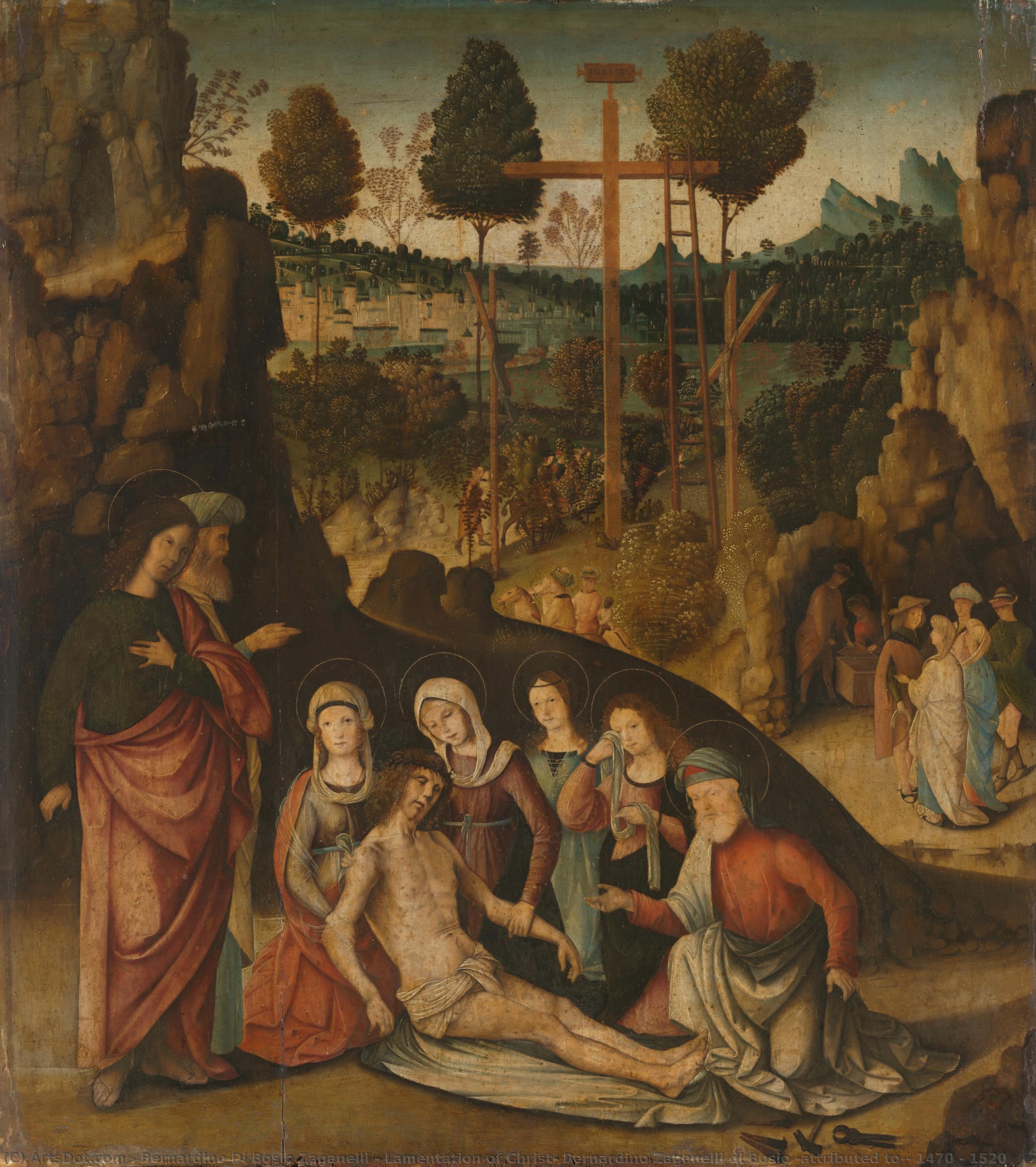
Lamentation of Christ, Bernardino Zaganelli di Bosio (attributed to), 1470 - 1520
 Early Netherlandish Painting
 1520
1520 69.0 x 63.0 cm
 Читать далее
Жикле / Арт-принт
Печать (жикле) или холст музейного качества с быстрыми сроками изготовления и широким выбором вариантов отделки. ( Купить картину ручной работы Перейти к цифровым изображениям)




































Выберите один из наших стандартных размеров, соответствующих оригинальным пропорциям произведения искусства.

Вы можете указать свои собственные размеры, чтобы репродукция идеально подошла под конкретную раму или пространство. Если выбранный вами размер не будет соответствовать пропорциям оригинала, мы либо обрежем произведение, либо дополним изображение зеркальным отражением краев или однотонной заливкой. Перед началом производства вам будет отправлен цифровой макет для утверждения.
Пожалуйста, обратите внимание, что предварительный просмотр на экране не отображает фактическую обрезку или расширение изображения. Только макет точно покажет финальную композицию.
Несмотря на возможность заказа индивидуальных размеров, мы рекомендуем выбирать размер из предопределенного списка, чтобы сохранить оригинальные пропорции.
Доставка по всему миру () за 2 недели вместо стандартных 4/5 недель. (13 Сентябрь)

Бесплатная экспресс-доставка по всему миру

Высококачественный льняной холст

Полное страхование доставки

Гарантия возмещения таможенных пошлин

Гарантия точного соответствия цветов

100-дневная политика возврата (только при обнаружении дефектов)

Гарантия возврата 100% средств

Предложение оптовых скидок
 Вариант со стеклом доступен только для размеров менее 110 см

Lamentation of Christ, Bernardino Zaganelli di Bosio (attributed to), 1470 - 1520
Жикле / Арт-принт
Размер репродукции
-


Итоговая стоимость
$ 62
Похожие произведения
Биография художника
Bernardino di Bosio Zaganelli: A Florentine Master of Devotion
Bernardino di Bosio Zaganelli (c. 1460 – 1510), often referred to as Bernardino da Cotignola, stands as a compelling yet somewhat enigmatic figure within the vibrant tapestry of Renaissance painting. Born in Cotignola, a small town near Ravenna in Emilia-Romagna, his artistic journey unfolded primarily through commissions for churches and religious institutions across Parma and Ravenna, with significant periods spent in Florence and Ferrara. While overshadowed by some of his contemporaries, Zaganelli’s work reveals a distinctive style characterized by a profound sense of piety, meticulous detail, and an early Netherlandish influence that subtly shaped his approach to composition and technique.
Zaganelli's formative years were undoubtedly influenced by the artistic currents circulating through Florence. The city’s burgeoning art scene during this period—marked by the innovations of artists like Masaccio and Donatello—provided a crucial backdrop for his development. However, unlike many Florentine painters who embraced the revolutionary realism of the early Renaissance, Zaganelli retained a more traditional sensibility, prioritizing devotional themes and a carefully controlled aesthetic. His style is often described as “late Gothic,” reflecting a deliberate choice to maintain a degree of formality and elegance that distinguished him from the increasingly dynamic styles emerging at the time.
The Language of Devotion: Themes and Iconography
Zaganelli’s oeuvre is overwhelmingly dominated by religious subjects, particularly depictions of the Virgin Mary with the Christ Child, scenes of the Nativity, Annunciations, and various saints. These works are not merely illustrations of biblical narratives; they represent a deeply felt expression of faith and devotion. His paintings frequently feature elaborate architectural settings—often reminiscent of Florentine palaces—which serve to elevate the sacred subjects and imbue them with an aura of majesty. The use of muted color palettes – predominantly blues, reds, and golds – further contributes to this sense of solemnity and reverence.
A key element in Zaganelli’s iconography is his meticulous attention to detail. He meticulously rendered the folds of clothing, the textures of fabrics, and the expressions on the faces of his figures. This painstaking realism, combined with a subtle use of light and shadow, creates a sense of immediacy and emotional depth. Notably, many of his works include symbolic elements—such as lilies representing purity or specific drapery patterns associated with particular saints—demonstrating a sophisticated understanding of religious symbolism.
Technique and Influences
Zaganelli’s artistic technique reveals a fascinating interplay between traditional Italian painting practices and the influence of Northern European masters, particularly those working in the early Netherlandish style. Like his predecessors, he employed tempera on panel as his primary medium, achieving remarkable luminosity and detail through careful layering of thin glazes. However, his use of perspective—often employing aerial perspective to create a sense of depth—and his attention to rendering textures bear striking similarities to the work of artists such as Rogier van der Weyden and Jan van Eyck.
The influence of Giovanni Bellini, a prominent Venetian painter who had spent time in Florence, is also evident in Zaganelli’s compositions. Bellini's emphasis on atmospheric perspective and his use of rich color palettes undoubtedly shaped Zaganelli’s artistic sensibilities. Furthermore, the presence of St. Sebastian in his collection—a painting attributed to him—highlights a connection with the established artistic traditions of the region.
Notable Works and Legacy
Among Zaganelli's most celebrated works are the “Lamentation of Christ” (c. 1520), a poignant depiction of the Virgin Mary mourning the death of her son, and “Madonna and Child with Sts. Mary Magdalene and Catherine of Alexandria” (circa 1498-1500). These paintings exemplify his mastery of composition, color, and detail, showcasing his ability to convey profound emotion through carefully rendered figures and symbolic imagery. The Oratory of San Bernardino in Perugia and Siena also houses significant works by Zaganelli, offering valuable insights into the evolution of his artistic style.
Despite not achieving widespread fame during his lifetime, Bernardino di Bosio Zaganelli’s contribution to Renaissance painting is increasingly recognized for its quiet elegance, devotional sincerity, and subtle yet profound artistry. His work serves as a testament to the diverse range of artistic voices that flourished within the vibrant cultural landscape of 15th and 16th-century Italy.
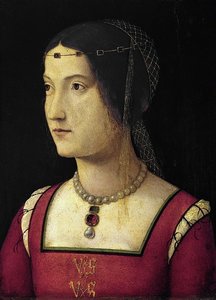
bernardino di bosio zaganelli
1465 - 1510 , Italy
Основные сведения
- Artistic Movement Or Style: Renaissance
- Artists Or Movements Influenced By This Artist: ['Francesco da Cotignola']
- Artists Who Influenced This Artist: ['Girolamo Marchesi']
- Date Of Birth: 1460/70, Cotignola
- Date Of Death: 1510, Cotignola
- Full Name: Bernardino di Bosio Zaganelli
- Nationality: Italian
- Notable Artworks:
- Lamentation of Christ
- Madonna and Child
- Portrait of a Lady
- Place Of Birth: Cotignola, Italy
Похожие статьи
Jan Gossart: Bridging Netherlandish Realism & Renaissance Humanism – A Comprehensive Exploration
Explore the captivating world of Jan Gossart, a pivotal figure bridging Netherlandish realism & Renaissance humanism. Discover his masterpieces, patronage, and lasting influence – an essential guide for discerning art collectors.
Sacred Narratives on Canvas: Exploring Religious Painting Through History
Explore the rich history of religious painting with ArtsDot.com! Discover iconic artworks, symbolism & techniques from antiquity to the Renaissance. Enhance your art appreciation today.
Sacred Narratives Embodied: A Comprehensive Exploration of Religious Iconography in Art History
Explore the rich history of religious iconography in art! Discover symbolism, movements & masterpieces from Byzantine to Renaissance periods. Expert insights for collectors and enthusiasts at ArtsDot.
10 Шедевров Раннего Нидерландского Живописи: История Искусства в Вашем Интерьере
Погрузитесь в мир Раннего нидерландского живописи! Откройте 10 шедевров Яна ван Эйка, Рогира ван дер Вейдена и других мастеров. История искусства, техника исполнения и вдохновение для вашего интерьера на ArtsDot.com.

Фра Анджелико: Топ-25 шедевров эпохи Возрождения для вашего интерьера
Погрузитесь в мир Фра Анджелико! Топ-25 шедевров Возрождения – религиозные фрески, алтари и картины с ангелами. Узнайте историю искусства и вдохновитесь для декора дома. Репродукции картин высокого качества на ArtsDot.com.