

 Предпросмотр
 Поделиться
 Поделиться
 Детали произведения

 Скачать
 Похожие работы
 Рентгенография
 Слайд-шоу
 Статистика
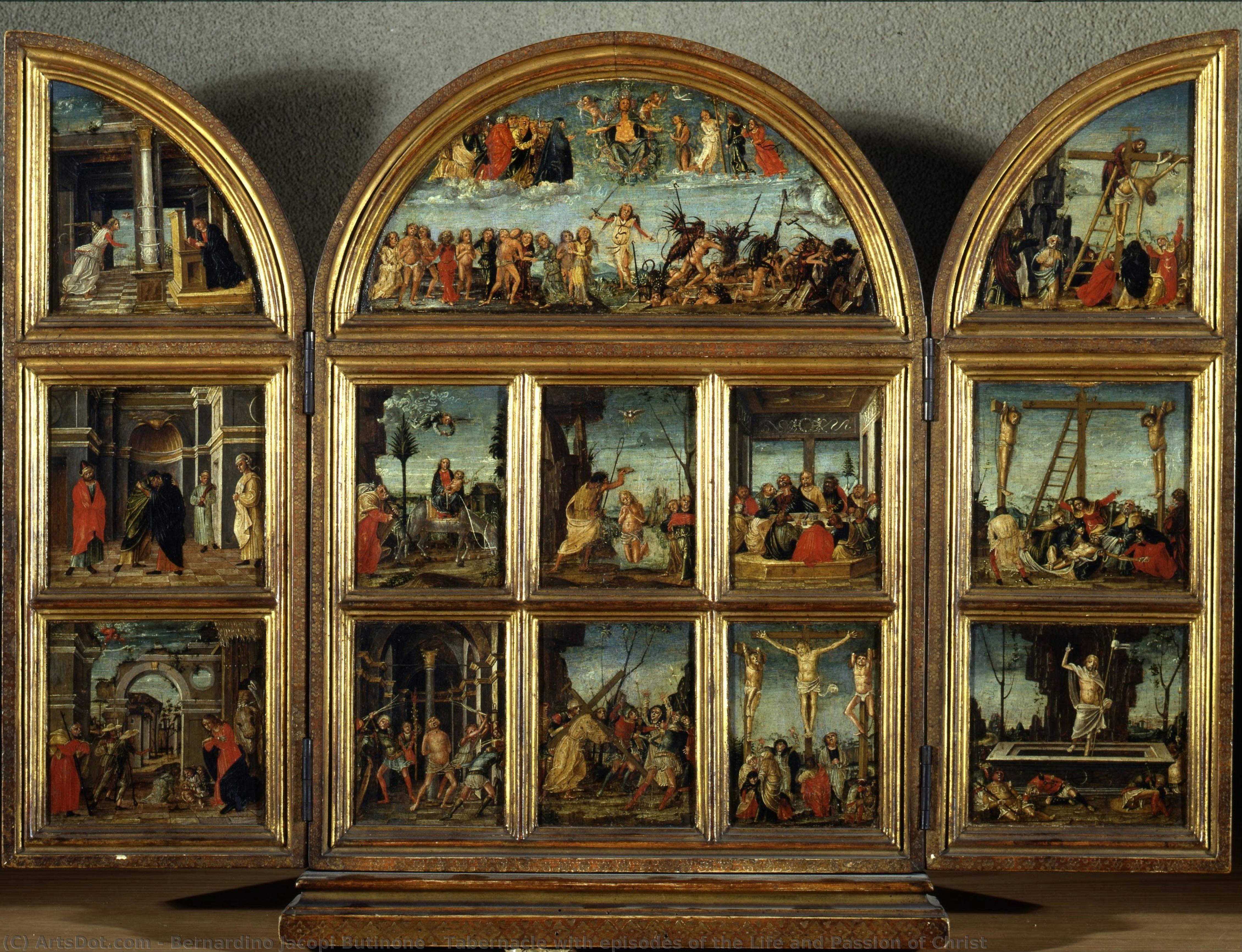
Tabernacle with episodes of the Life and Passion of Christ


 Читать далее
Жикле / Арт-принт
Печать (жикле) или холст музейного качества с быстрыми сроками изготовления и широким выбором вариантов отделки. ( Купить картину ручной работы Перейти к цифровым изображениям)




P118B $10

P118H $10

P118W $10

P438Z $10

P508JH $12

P508YH $12

P805H $10

P805Z $10

P919BZ $10

P919G $10

P919XJ $10

P959ZH $10

P968JZ $12

W106C $8

W218G $10

W218JH $8

W218Y $10

W307PJ $10

W316G $10

W316PJ $8

W316Y $10

W398PJ $8

W4111J $10

W500HY $15

W500JH $15

W692G $12

W849H $8

W940BG $15

W953PJ $8




Выберите один из наших стандартных размеров, соответствующих оригинальным пропорциям произведения искусства.

Вы можете указать свои собственные размеры, чтобы репродукция идеально подошла под конкретную раму или пространство. Если выбранный вами размер не будет соответствовать пропорциям оригинала, мы либо обрежем произведение, либо дополним изображение зеркальным отражением краев или однотонной заливкой. Перед началом производства вам будет отправлен цифровой макет для утверждения.
Пожалуйста, обратите внимание, что предварительный просмотр на экране не отображает фактическую обрезку или расширение изображения. Только макет точно покажет финальную композицию.
Несмотря на возможность заказа индивидуальных размеров, мы рекомендуем выбирать размер из предопределенного списка, чтобы сохранить оригинальные пропорции.
Доставка по всему миру () за 2 недели вместо стандартных 4/5 недель. (13 Сентябрь)

Бесплатная экспресс-доставка по всему миру

Высококачественный льняной холст

Полное страхование доставки

Гарантия возмещения таможенных пошлин

Гарантия точного соответствия цветов

100-дневная политика возврата (только при обнаружении дефектов)

Гарантия возврата 100% средств

Предложение оптовых скидок
 Вариант со стеклом доступен только для размеров менее 110 см

Tabernacle with episodes of the Life and Passion of Christ
Жикле / Арт-принт
Размер репродукции
-


Итоговая стоимость
$ 62
A Sacred Narrative in Color: The Passion of Christ
In the quiet, contemplative realm of Renaissance devotion, few works capture the profound weight of spiritual suffering as intimately as Bernardino Jacopi Butinone’s Tabernacle with episodes of the Life and Passion of Christ. Created around 1500, this masterpiece serves not merely as a painting, but as a window into the divine drama of the Christian faith. The work is structured as a multi-paneled narrative, guiding the viewer through a series of poignant vignettes that chronicle the most transformative moments of Jesus's earthly journey. From the somber shadows of the crucifixion to the celestial presence of mourning angels, each section of this tabernacle is meticulously composed to evoke a sense of reverence and deep emotional resonance.
The artistry of Butinone, a master shaped by the Lombard tradition, is evident in the intricate details that populate these sacred scenes. As one moves their gaze across the panels, they encounter a world where the earthly and the divine intersect. The artist employs a sophisticated use of color and light to distinguish between the heavy, grounded reality of the human figures—witnessing the agony at the cross—and the ethereal, luminous quality of the heavenly messengers. This interplay of light creates a rhythmic movement throughout the piece, drawing the eye from one episode of the Passion to the next, ensuring that the viewer remains locked in a continuous cycle of meditation and prayer.
Mastery of the Lombard Renaissance Style
To understand the technical brilliance of this work, one must look to the lineage of its creator. Trained under the influence of Vincenzo Foppa, Butinino brought a unique blend of linear precision and soft, atmospheric emotion to his canvases. In this tabernacle, we see the hallmark of the Lombard school: a profound respect for naturalism tempered by a spiritual grace. The figures are not merely icons; they possess a palpable weight and presence, their faces etched with the grief, exhaustion, and awe that define the human experience during the Passion. The composition is divided with architectural intent, much like a sacred reliquary, making each scene feel like a precious jewel set within a larger theological framework.
For the discerning collector or interior designer, this piece offers an unparalleled opportunity to introduce a sense of historical gravity and timeless elegance into a space. The intricate designs and rich, aged tones of the painting provide a sophisticated focal point that complements both classical and contemporary settings. Whether displayed in a private study, a grand hall, or a curated gallery, a high-quality reproduction of this work brings with it the quiet dignity of the 15th century. It is an invitation to slow down, to observe the fine brushwork, and to lose oneself in the enduring power of Renaissance storytelling.
Похожие произведения
![Scenes From The Passion Of Christ: The Crucifixion [middle Panel] — Andrea Di Vanni D'andrea](/media/artworks/images-thumb/ce/e7/cee771fe9e20855b080719236a5b12e6.jpg)
Биография художника
Early Life and Formation in Lombardy
Bernardino Jacopi Butinone, a name resonating softly through the annals of Renaissance art, emerged from the vibrant artistic milieu of 15th-century Lombardy. Born around 1435 or 1436 in Treviglio – a town northeast of Milan – he was initially known as Bernardo da Treviglio, a designation reflecting his familial roots and geographic origins. His father, Jacopo da Treviglio, instilled an early appreciation for the burgeoning artistic spirit of the region. The precise details of Butinone’s earliest training remain somewhat elusive, yet it is widely accepted that he entered the workshop of Vincenzo Foppa, a pivotal figure in Lombard painting whose influence would profoundly shape the young artist's style. Foppa’s emphasis on linear precision, elegant compositions, and subtle emotionality laid the foundation for Butinone’s own developing aesthetic. Some accounts suggest an additional apprenticeship under Vincenzo Civerchio, further enriching his technical skills and broadening his artistic perspective through collaborative projects in Milan, notably the decoration of the Grifi Chapel in San Pietro in Gessate between 1491 and 1493.A Master of Religious Narrative
Butinone’s oeuvre is overwhelmingly dedicated to religious subjects, reflecting the deeply spiritual climate of his time and the patronage demands of the Lombard churches and confraternities. He excelled at depicting scenes from the life of Christ, the Virgin Mary, and various saints with a quiet dignity and heartfelt devotion. His most celebrated work, the polyptych of San Martino commissioned in 1485 for the church in his native Treviglio, stands as a testament to his mature style. This ambitious altarpiece showcases Butinone’s mastery of composition, color, and narrative detail. Beyond this monumental commission, he became particularly renowned for a series of smaller panels illustrating episodes from Christ's life. These intimate works, now scattered across prominent collections worldwide, reveal a remarkable ability to convey profound emotion through delicate gestures, expressive faces, and luminous colors. The *Adoration of the Shepherds* (National Gallery, London), the *Adoration of the Magi* (Brooklyn Museum of Art), and the *Massacre of the Innocents* (Detroit Institute of Arts) are particularly compelling examples of his skill in capturing moments of both tenderness and tragedy.Influences and Artistic Development
Butinone’s artistic journey was not one of radical innovation but rather a refined synthesis of existing traditions. The influence of Foppa is readily apparent in the elegant linearity and sophisticated drapery that characterize his early works. However, Butinone gradually developed a more personal style, incorporating elements from other Lombard masters such as Bernardo Zenale – with whom he collaborated extensively – and perhaps even hints of Venetian colorism. His work demonstrates a keen awareness of contemporary developments in Florence and Umbria, though he never fully abandoned the distinctly Northern Italian aesthetic that defined his region. He also played an important role as a teacher himself, notably mentoring Bramantino, who would go on to become one of the leading architects and painters of the High Renaissance. This pedagogical aspect of Butinone’s career underscores his position within the Lombard artistic network and his commitment to transmitting knowledge and skills to the next generation.Technique and Style
Butinone's technique was characterized by meticulous attention to detail, a refined use of color, and a subtle modeling of forms. He favored tempera on panel as his primary medium, achieving a smooth, polished surface that enhanced the clarity and luminosity of his compositions. His figures are typically graceful and elongated, with expressive faces that convey a range of emotions – from serene piety to profound sorrow. While he employed perspective, it was often used in a restrained manner, prioritizing clarity and narrative coherence over strict mathematical accuracy. His palette tended towards rich, saturated colors, particularly blues, reds, and golds, which contributed to the overall sense of solemnity and spiritual depth. He also demonstrated considerable skill as a fresco painter, adorning the pilasters of Santa Maria delle Grazie in Milan with vibrant depictions of religious scenes.Historical Significance and Legacy
Bernardino Jacopi Butinone occupies a significant, though often understated, position within the history of Renaissance art. While he may not have achieved the widespread fame of Leonardo da Vinci or Michelangelo, his work represents a crucial link between the late Gothic tradition and the High Renaissance style that flourished in Lombardy. His influence on Bramantino and other local artists helped to shape the artistic landscape of Milan and beyond. Butinone’s paintings offer valuable insights into the religious beliefs and cultural values of 15th-century Italy, providing a glimpse into the devotional practices and artistic patronage patterns of the period. Today, his works are cherished for their quiet beauty, technical mastery, and heartfelt expression of faith, ensuring that his legacy continues to resonate with art lovers and scholars alike.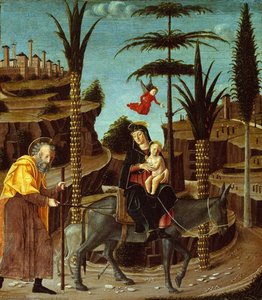
bernardino jacopi butinone
1436 - 1507 , Italy
Основные сведения
- Artistic Movement Or Style: Renaissance
- Artists Or Movements Influenced By This Artist: ['Francesco di Giorgio Martini']
- Artists Who Influenced This Artist: ['Vincenzo Foppa']
- Date Of Birth: 1436 Treviglio Italy
- Date Of Death: c. 1507 or 1508
- Full Name: Bernardino Jacopi Butinone
- Nationality: Italian Renaissance
- Notable Artworks:
- Madonna and Child
- The Adoration of the Magi
- Place Of Birth: Treviglio Lombardy Italy
Похожие статьи
Эль Греко: 25 шедевров гения. Купить картины онлайн | ArtsDot
Погрузитесь в мир Эль Греко! 25 величайших шедевров испанского маньеризма. Узнайте историю создания культовых картин, технику и символизм. Купите репродукции высокого качества для вашего интерьера на ArtsDot.com.
Sacred Narratives Embodied: A Comprehensive Exploration of Religious Iconography in Art History
Explore the rich history of religious iconography in art! Discover symbolism, movements & masterpieces from Byzantine to Renaissance periods. Expert insights for collectors and enthusiasts at ArtsDot.
Sacred Narratives on Canvas: Exploring Religious Scenes & Their Enduring Influence
Explore the rich history of religious art from Giotto to the Renaissance masters with ArtsDot. Discover symbolism, techniques & enduring legacies. Museum-quality reproductions available.
Sacred Narratives on Canvas: Exploring Religious Painting Through History
Explore the rich history of religious painting with ArtsDot.com! Discover iconic artworks, symbolism & techniques from antiquity to the Renaissance. Enhance your art appreciation today.
Фра Анджелико: Топ-25 шедевров эпохи Возрождения для вашего интерьера
Погрузитесь в мир Фра Анджелико! Топ-25 шедевров Возрождения – религиозные фрески, алтари и картины с ангелами. Узнайте историю искусства и вдохновитесь для декора дома. Репродукции картин высокого качества на ArtsDot.com.