

 Предпросмотр
 Поделиться
 Поделиться
 Детали произведения

 Скачать
 Похожие работы
 Рентгенография
 Слайд-шоу
 Статистика
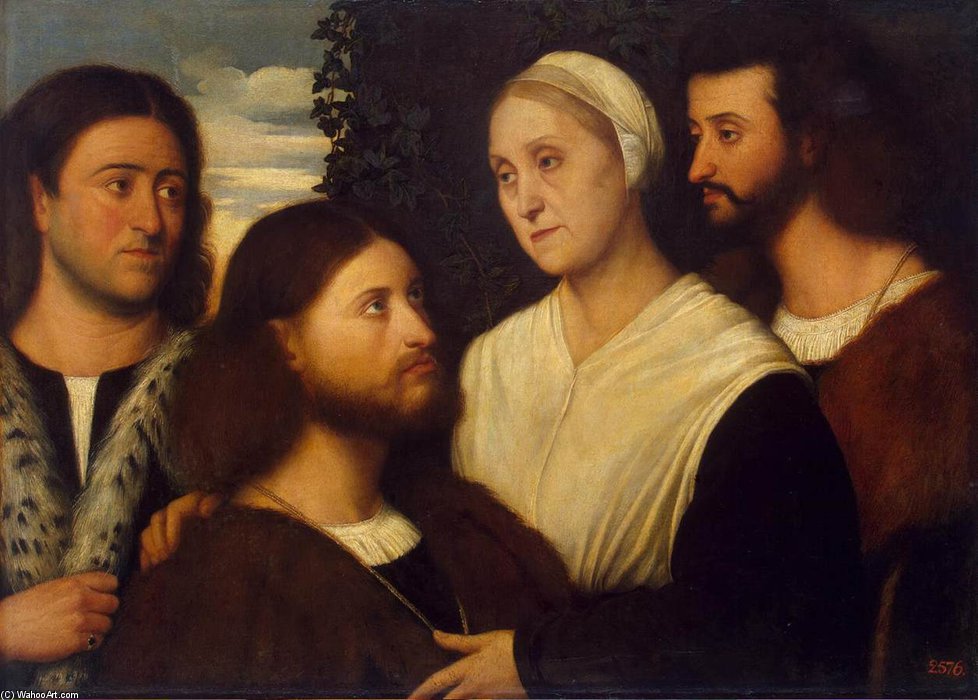
Family Portrait
 Читать далее
Приобретите цифровое изображение высокого разрешения в улучшенном качестве, которое значительно превосходит онлайн-превью.
Каждый файл тщательно подготавливается нашими специалистами с использованием передовых инструментов и экспертной ручной ретуши. Мы гарантируем исключительную четкость, точную цветопередачу и детальную проработку каждого изображения.
Финальный файл доставляется по электронной почте в течение 72 часов и оптимизирован для немедленного использования в профессиональной среде, при верстке и печати. Это тот же уровень качества, которому доверяют ведущие дизайнерские студии, издательства и галереи.
Цифровое изображение
Скачайте файл высокого разрешения для личного использования, печати и творческих проектов. ( Перейти к печати Купить картину ручной работы)
Включено в каждый заказ цифровых изображений
Гарантия экспертной цифровой доставки
Выбирая ArtsDot.com, вы получаете не просто изображение — вы приобретаете профессионально обработанное цифровое произведение искусства, созданное с безупречной точностью и под защитой гарантии качества. Вот всё, что автоматически входит в ваш заказ:

Мгновенная доставка по e-mail
Ваш цифровой файл в высоком разрешении будет отправлен вам по электронной почте в течение 72 часов после оформления заказа — и сразу станет доступен для использования.

Цифровой файл с ИИ-улучшением
Ваше произведение искусства проходит профессиональную оптимизацию с использованием передовых инструментов ИИ и ручной обработки, что гарантирует максимальную детализацию, четкость и точность цветопередачи.

Бессрочная бесплатная повторная доставка
Случайно удалили или потеряли файл? Не беспокойтесь — мы отправим его вам повторно в любое время и совершенно бесплатно.

Без импортных пошлин — навсегда
Наслаждайтесь вашим произведением искусства мгновенно без таможенных пошлин, сборов или затрат на доставку — цифровые загрузки всегда не облагаются налогом.

Гарантия точности цветопередачи
Мы гарантируем, что ваше цифровое изображение максимально точно передает оригинальные цвета благодаря использованию профессиональных инструментов и систем управления цветом.

Гарантия удовлетворенности 100 дней
Если вы не будете удовлетворены своим цифровым изображением, мы внесем правки или вернем 100% стоимости в течение 100 дней — без лишних вопросов.

100% Гарантия возврата средств
Не удовлетворены покупкой? Получите полный возврат средств в течение 100 дней после получения цифрового файла — без лишних вопросов.

Скидки на оптовые заказы
Купите 3 изображения, сэкономьте 10% — Купите 5, сэкономьте 15% — Купите 10+, сэкономьте 20%. Отличное решение для творческих проектов, галерей и агентств.
Похожие произведения
Биография художника
A Venetian Hand: The Life and Art of Bernardino Licinio
Bernardino Licinio, a name perhaps less celebrated than his contemporaries Titian or Giorgione, nevertheless occupies a significant place in the tapestry of 16th-century Italian Renaissance painting. Born around 1489 in Poscante, near Bergamo, Licinio’s artistic journey unfolded primarily within the vibrant art scene of Venice and the surrounding Lombardy region. He emerged from a family deeply rooted in Venetian life—his father was ser Antonio Licino, and his brothers followed diverse paths, including priesthood—a context that likely shaped both his early opportunities and his eventual specialization in portraiture and religious canvases. While details of his initial training remain somewhat elusive, it is believed he may have benefited from the workshop of Giovanni Bellini, a pivotal figure whose influence would subtly permeate Licinio’s style throughout his career. The year 1511 marks an important turning point; orphaned by his father, Bernardino and his brother Arrigo established themselves in Venice, joining the influx of Bergamo artists drawn to the city's burgeoning artistic climate.The Shadow of Misattribution and Rediscovery
For centuries, Licinio’s legacy languished obscured by a critical misattribution—a consequence of Giorgio Vasari’s confusion with Giovanni Antonio da Pordenone. This error effectively overshadowed Licinio’s contributions, relegating his works to anonymity or attributing them incorrectly. It wasn't until the early 20th century, thanks to the meticulous research and clarifying intervention of Gustav Ludwig in 1903, that Licinio began to receive the recognition he deserved. Ludwig’s scholarship painstakingly disentangled his oeuvre from that of Pordenone, revealing a distinct artistic voice previously lost to history. This rediscovery unveiled an artist whose work, while not revolutionary, demonstrated a refined sensitivity and a keen ability to capture both physical likeness and subtle emotional nuance in his subjects.A Synthesis of Styles: Influences and Development
Licinio’s art represents a fascinating synthesis of prevailing Venetian styles. His early religious paintings bear the clear imprint of Giovanni Bellini's serene compositions and delicate color palettes, reflecting a commitment to traditional devotional imagery. However, he didn’t remain solely within this framework. As his career progressed, Licinio absorbed the innovations of Giorgione, evident in the atmospheric quality and poetic sensibility found in works like the *Holy Family with the Magdalene*. Crucially, the influence of Titian became increasingly pronounced during the 1520s and 30s. This is particularly visible in his later altarpieces, which echo Titian’s dramatic use of light, rich color harmonies, and dynamic compositions—most notably in pieces like *Madonna Enthroned with Saints* (1535). Yet, Licinio never merely imitated; he adapted these influences to create a style that was distinctly his own, often characterized by a more conservative approach and a focus on precise detail.Portraits and Religious Visions: Major Achievements
Licinio’s artistic output encompassed both secular portraiture and religious subjects, each reflecting his evolving skills and stylistic preferences. His portraits are particularly noteworthy for their realism and psychological insight. *Portrait of Arrigo Licinio & His Family* (Galleria Borghese, Rome) is a prime example—a meticulously rendered depiction of the artist’s brother and his family, showcasing a remarkable attention to individual character and social standing. Other significant portrait works include *Stefano Nani* (National Gallery, London), which exemplifies his ability to capture both physical likeness and a sense of inner life. In the realm of religious painting, Licinio produced numerous half-length Madonna portraits, often characterized by tender expressions and graceful compositions. Works such as *Madonna with Child in Arms* demonstrate his skill in conveying devotional sentiment through subtle gestures and expressive faces. The *Return of the Prodigal Son* (National Museum of Art of Romania, Bucharest) is another highlight, showcasing a narrative depth and emotional resonance that sets it apart.Historical Significance: A Master of Renaissance Detail
Bernardino Licinio’s historical significance lies not in groundbreaking innovation but in his masterful execution of established Renaissance principles. He was a skilled craftsman who synthesized the influences of Bellini, Giorgione, and Titian into a cohesive and compelling style. His portraits offer valuable insights into Venetian society during the 16th century, capturing the likenesses and social dynamics of prominent families. While overshadowed for centuries by the more celebrated names of his era, Licinio’s rediscovery has cemented his position as an important figure in the Venetian Renaissance—a testament to the enduring power of artistic skill and a reminder that even within the shadows of giants, individual talent can shine brightly. His work continues to captivate viewers with its refined beauty, subtle emotional depth, and meticulous attention to detail, offering a glimpse into the rich cultural landscape of Renaissance Italy.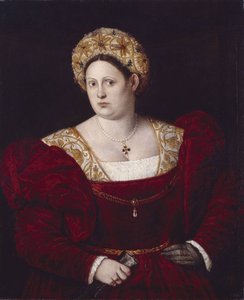
bernardino licinio
1489 - 1565 , Italy
Основные сведения
- Artistic Movement Or Style: High Renaissance
- Artists Who Influenced This Artist:
- Giovanni Bellini
- Giorgione
- Titian
- Date Of Birth: c. 1489
- Date Of Death: 1565
- Full Name: Bernardino Licinio
- Nationality: Italian
- Notable Artworks:
- Madonna with Child in Arms
- Portrait of Arrigo Licinio
- A Woman and Pretender
- Place Of Birth: Pescara, Italy