 Предпросмотр
 Поделиться
 Поделиться
 Детали произведения

 Скачать
 Похожие работы
 Рентгенография
 Слайд-шоу
 Статистика
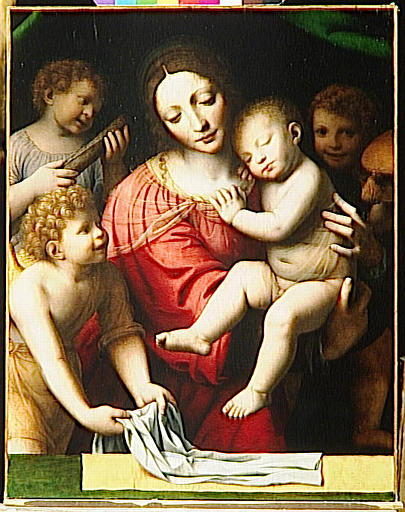
LE SOMMEIL DE L'ENFANT JESUS OU LA VIERGE TENANT L'ENFANT ENDORMI, ACCOMPAGNEE DE TROIS ANGES


 Читать далее
Жикле / Арт-принт
Печать (жикле) или холст музейного качества с быстрыми сроками изготовления и широким выбором вариантов отделки. ( Купить картину ручной работы Перейти к цифровым изображениям)




P118B $10

P118H $10

P118W $10

P438Z $10

P508JH $12

P508YH $12

P805H $10

P805Z $10

P919BZ $10

P919G $10

P919XJ $10

P959ZH $10

P968JZ $12

W106C $8

W218G $10

W218JH $8

W218Y $10

W307PJ $10

W316G $10

W316PJ $8

W316Y $10

W398PJ $8

W4111J $10

W500HY $15

W500JH $15

W692G $12

W849H $8

W940BG $15

W953PJ $8




Выберите один из наших стандартных размеров, соответствующих оригинальным пропорциям произведения искусства.

Вы можете указать свои собственные размеры, чтобы репродукция идеально подошла под конкретную раму или пространство. Если выбранный вами размер не будет соответствовать пропорциям оригинала, мы либо обрежем произведение, либо дополним изображение зеркальным отражением краев или однотонной заливкой. Перед началом производства вам будет отправлен цифровой макет для утверждения.
Пожалуйста, обратите внимание, что предварительный просмотр на экране не отображает фактическую обрезку или расширение изображения. Только макет точно покажет финальную композицию.
Несмотря на возможность заказа индивидуальных размеров, мы рекомендуем выбирать размер из предопределенного списка, чтобы сохранить оригинальные пропорции.
Доставка по всему миру () за 2 недели вместо стандартных 4/5 недель. (13 Сентябрь)

Бесплатная экспресс-доставка по всему миру

Высококачественный льняной холст

Полное страхование доставки

Гарантия возмещения таможенных пошлин

Гарантия точного соответствия цветов

100-дневная политика возврата (только при обнаружении дефектов)

Гарантия возврата 100% средств

Предложение оптовых скидок
 Вариант со стеклом доступен только для размеров менее 110 см

LE SOMMEIL DE L'ENFANT JESUS OU LA VIERGE TENANT L'ENFANT ENDORMI, ACCOMPAGNEE DE TROIS ANGES
Жикле / Арт-принт
Размер репродукции
-


Итоговая стоимость
$ 62
Bernardino Luini: A Reverie of Faith and Artistic Grace
Bernardino Luini’s “Le Sommeil de l’Enfant Jésus ou La Vierge accompagnée de trois anges tenant l'Enfant Jésus endormi,” painted circa 1525-1530, stands as a testament to the enduring power of Renaissance piety and Luini’s unparalleled ability to capture ethereal beauty. Produced during Milanese artistic fervor—a period dominated by Leonardo da Vinci and brimming with humanist ideals—this masterpiece transcends mere depiction; it invites contemplation on themes of divine slumber, maternal devotion, and angelic guardianship.
A Portrait of Serenity: Composition and Technique
- Composition: The painting’s central focus is Mary cradling Jesus in repose, surrounded by three luminous angels positioned strategically to convey a sense of solemn tranquility. Luini skillfully employs pyramidal composition—a hallmark of Renaissance art—to stabilize the image and draw the viewer's eye towards the serene infant at its core.
- Technique: Executed in oil on canvas, Luini’s technique exemplifies the meticulous attention to detail characteristic of his era. He utilizes glazing – layering thin translucent washes of pigment over underlying colors—to achieve remarkable luminosity and depth. This masterful approach imbues the scene with an otherworldly glow, mirroring the spiritual essence of the subject matter.
- Color Palette: Luini’s palette leans heavily on muted pastel hues—pale blues, creams, and rosy reds—creating a harmonious atmosphere that underscores the painting's contemplative mood. The subtle gradations of color contribute to the overall impression of softness and serenity.
Symbolism and Spiritual Significance
“Le Sommeil de l’Enfant Jésus” is laden with symbolic resonance, reflecting prevalent theological beliefs of the time. Jesus's slumber symbolizes divine innocence and vulnerability, protected by Mary’s unwavering maternal care—a motif frequently explored in Renaissance iconography. The angels represent God’s benevolent guardianship and proclaim the glory of Christ’s incarnation. Furthermore, the inclusion of a woman holding a cloth suggests preparation for purification or reverence – an element that speaks to the importance of ritual and devotion.
Luini's Legacy: Influence and Artistic Style
Bernardino Luini’s distinctive style—characterized by elongated eyes in female figures—earned him recognition as one of Leonardo da Vinci’s most gifted pupils. This influence is palpable throughout his oeuvre, demonstrating a profound understanding of anatomical precision combined with expressive artistry. “Le Sommeil de l’Enfant Jésus” exemplifies Luini's ability to convey emotion through subtle gestures and nuanced coloration, securing its place among the finest achievements of Lombard Renaissance painting.
A Reproduction Worth Admiring
Reproductions of this iconic artwork offer a captivating glimpse into the artistic brilliance of Bernardino Luini. ArtsDot’s meticulous craftsmanship ensures that you experience the same luminous beauty and spiritual depth as the original masterpiece, bringing a touch of Renaissance serenity into your home or workspace.
Похожие произведения


Биография художника
A Lombard Luminary: The Life and Art of Bernardino Luini
Bernardino Luini, a name that echoes softly within the halls of Italian Renaissance painting, emerged from the tranquil beauty of Lake Maggiore’s surroundings around 1480. Born in Runo, a small hamlet near Dumenza, his early life remains shrouded in a delicate veil of mystery – details are scarce, yet it is clear that fate guided him towards Milan, the vibrant heart of artistic creation in northern Italy. By the year 1500, he had made his home there, poised to absorb the burgeoning creative energy and intellectual currents flowing through the city’s workshops and studios. While accounts differ regarding his initial training – some credit Giovan Stefano Scotto, others Ambrogio Bergognone – a far more profound influence was undoubtedly at play: Leonardo da Vinci. The precise nature of their relationship remains a subject of scholarly debate, but it is widely believed that Luini worked directly under the master’s tutelage, an immersive experience that indelibly shaped his artistic vision and technique. This apprenticeship wasn't merely a matter of technical instruction; it was a complete immersion into Leonardo’s world – a realm characterized by subtle observation, innovative composition, and the elusive quality known as *sfumato*, which Luini would masterfully integrate into his own distinctive style.The Shadow of Leonardo: Influence and Artistic Development
Luini's artistic development wasn't simply an imitation of Leonardo’s techniques; rather, it was a sensitive assimilation, filtered through the lens of his own Lombard sensibility. He didn’t strive to replicate Da Vinci’s intellectual rigor or anatomical precision with the same meticulous detail – instead, he embraced the softer, more lyrical aspects of the master’s style. This is particularly evident in his depictions of women – figures rendered with a captivating grace and an almost melancholic beauty. These “Luinesque” women, as Vladimir Nabokov famously described them, possess elongated eyes that seem to hold a profound inner world, inviting contemplation and drawing the viewer into their quiet gazes. Early works such as the *Adoration of the Magi* (c. 1505) in San Pietro, Luino, already hint at this emerging style – showcasing a delicate handling of light and shadow, a masterful composition, and an early exploration of *sfumato*. The frescoes he created for the Oratory of Santa Maria Nuova in Pilastrello further solidified his unique approach. The influence of Bernardino Zenale’s *Cantù Polyptych* is also discernible in works like *St. Anthony of Padua* (1510s), demonstrating Luini's ability to synthesize diverse artistic influences into a cohesive and deeply personal vision.Frescoes, Palaces, and the Flourishing of Creativity
The period between 1509 and 1514 witnessed an explosion of creative activity for Bernardino Luini. He wasn’t confined solely to religious subjects; his talents were sought after for secular commissions as well, reflecting the breadth of his artistic skill and versatility. The frescoes he created for Villa Pelucca in Sesto San Giovanni stand as a testament to this – depicting mythological scenes with an elegance that graced the walls of this aristocratic residence. These works, now housed in Milan’s Pinacoteca di Brera, reveal a painter equally adept at capturing the dynamism of classical narratives and the intimate beauty of human form. He continued to receive prestigious commissions throughout Lombardy, adorning churches and palaces with his distinctive style, solidifying his reputation as one of the region's most sought-after artists. His ability to imbue even grand-scale frescoes with an air of intimacy and emotional resonance was truly remarkable.Notable Works and Lasting Legacy
Among Luini’s most celebrated works are the *Adoration of the Magi* in San Pietro, Luino – a vibrant depiction of the biblical scene that showcases his mastery of composition and color; the *Lamentation of the Dead Christ* in Santa Maria della Passione, Milan – a profoundly moving portrayal of grief and sorrow; and the frescoes for the Certosa di Pavia, which demonstrate his evolving style. His work served as an inspiration to subsequent generations of artists, influencing the development of Lombard painting and contributing to the broader currents of Italian Renaissance art. He died in Milan in June 1532, leaving behind a legacy that extended far beyond his own lifetime. His son, Aurelio, followed in his footsteps, continuing the family’s artistic tradition. Today, Luini's masterpieces can be found in museums and churches throughout Italy – the Pinacoteca di Brera being a particularly rich repository of his works. His paintings continue to enchant viewers with their beauty, grace, and enduring emotional power, offering a glimpse into the artistic sensibilities of a bygone era. Works like *Salome with the Head of John the Baptist* exemplify his dramatic intensity and masterful execution, while *Holy Family with Saints Anne and John the Baptist* showcases his serene and harmonious compositions.A Unique Style: The Essence of Luini
Bernardino Luini’s artistic style is characterized by a unique blend of elements – a subtle melancholy, an emphasis on emotional depth, and a distinctive approach to *sfumato*. Unlike many of his contemporaries who sought to replicate the precise anatomical detail of Leonardo da Vinci, Luini favored a more lyrical and evocative representation of form. His figures often appear slightly softened, imbued with a sense of dreamlike quality – a characteristic that has earned him the moniker “Luinesque.” His color palettes are typically warm and muted, creating an atmosphere of quiet contemplation. It is this combination of elements—melancholy, lyricism, and *sfumato*—that distinguishes Luini’s work and makes it so enduringly captivating.
Бернардино Луини
1480 - 1532 , Италия
Основные сведения
- Artistic Movement Or Style: Ренессанс, маньеризм
- Artists Or Movements Influenced By This Artist: ['Стиль Луинес']
- Artists Who Influenced This Artist: ['Леонардо да Винчи']
- Date Of Birth: c. 1480
- Date Of Death: 1532
- Full Name: Bernardino Luini
- Nationality: Итальянец
- Notable Artworks:
- Поклонение волхвов
- Святой Антоний Падский
- Фрески Виллы Пелуцца
- Place Of Birth: Рейно, Италия
Похожие статьи

The Enduring Legacy of Fine Art Prints: Technique, History & Aesthetic Impact
Explore the rich history & techniques of fine art prints. Discover investment potential, assess authenticity, and learn how to preserve your collection with expert guidance. Trusted insights for discerning collectors.

Sacred Narratives on Canvas: Exploring Devotional Imagery Across Art History
Explore the rich history of devotional art! Discover iconic masterpieces, symbolism & techniques from antiquity to the Renaissance. Expert insights for collectors & enthusiasts at ArtsDot.
Фра Анджелико: Топ-25 шедевров эпохи Возрождения для вашего интерьера
Погрузитесь в мир Фра Анджелико! Топ-25 шедевров Возрождения – религиозные фрески, алтари и картины с ангелами. Узнайте историю искусства и вдохновитесь для декора дома. Репродукции картин высокого качества на ArtsDot.com.

Giclée Prints: Archival Quality & Aesthetic Nuances for the Discerning Collector
Explore the world of giclée prints with ArtsDot. Learn about archival quality, aesthetic nuances & investment potential. Expert guidance for discerning art collectors seeking museum-quality reproductions and lasting value.

Echoes of Time: Exploring the Enduring Appeal & Historical Context of Vintage Art Prints
Explore the captivating world of vintage art prints! Discover their history, collecting tips & enduring appeal. Expert insights on chromolithography and building a legacy collection with ArtsDot.