

 Предпросмотр
 Поделиться
 Поделиться
 Детали произведения

 Скачать
 Похожие работы
 Рентгенография
 Слайд-шоу
 Статистика
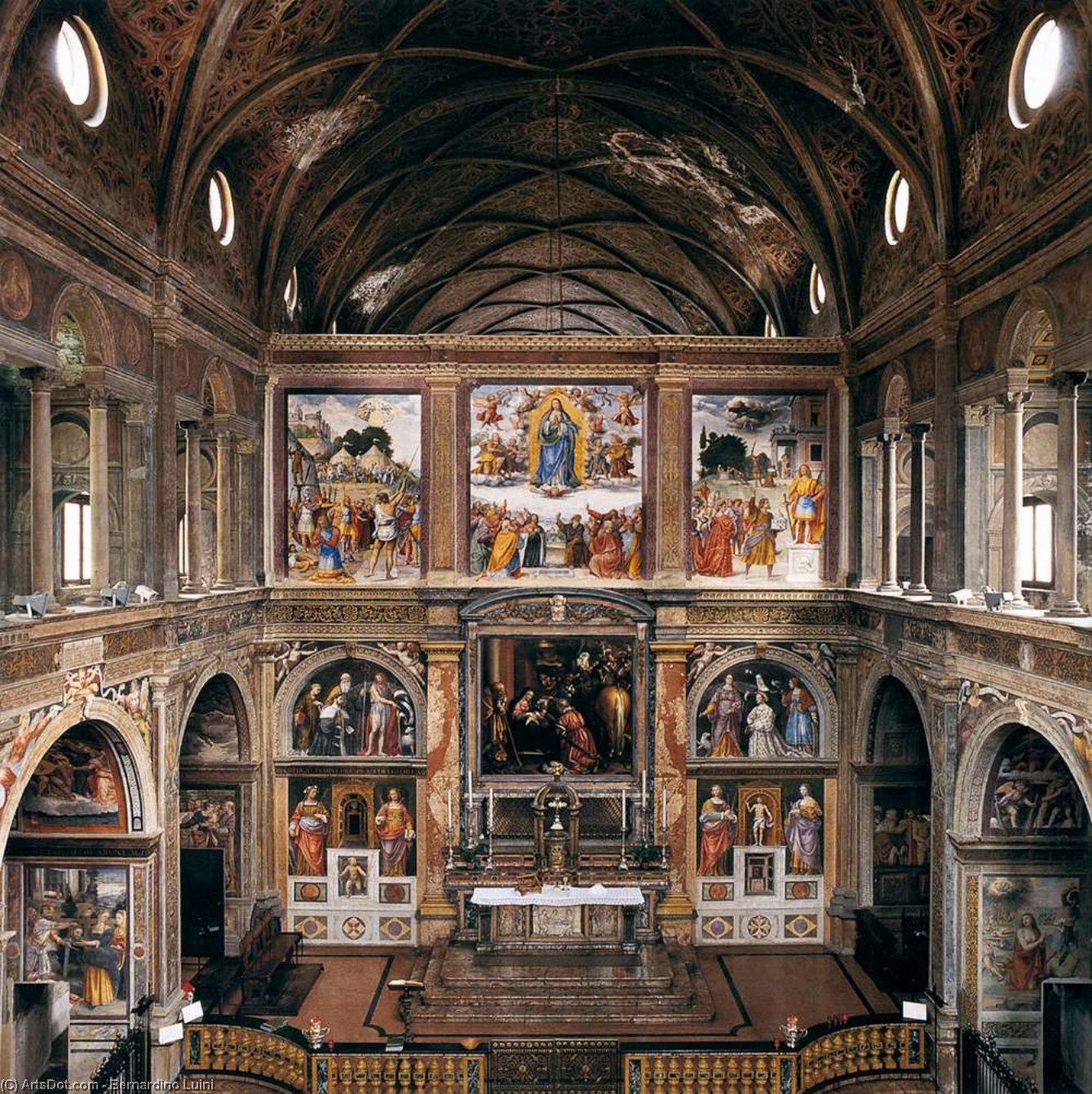
Paintings on the partition


 Читать далее
Приобретите цифровое изображение высокого разрешения в улучшенном качестве, которое значительно превосходит онлайн-превью.
Каждый файл тщательно подготавливается нашими специалистами с использованием передовых инструментов и экспертной ручной ретуши. Мы гарантируем исключительную четкость, точную цветопередачу и детальную проработку каждого изображения.
Финальный файл доставляется по электронной почте в течение 72 часов и оптимизирован для немедленного использования в профессиональной среде, при верстке и печати. Это тот же уровень качества, которому доверяют ведущие дизайнерские студии, издательства и галереи.
Цифровое изображение
Скачайте файл высокого разрешения для личного использования, печати и творческих проектов. ( Перейти к печати Купить картину ручной работы)
Включено в каждый заказ цифровых изображений
Гарантия экспертной цифровой доставки
Выбирая ArtsDot.com, вы получаете не просто изображение — вы приобретаете профессионально обработанное цифровое произведение искусства, созданное с безупречной точностью и под защитой гарантии качества. Вот всё, что автоматически входит в ваш заказ:

Мгновенная доставка по e-mail
Ваш цифровой файл в высоком разрешении будет отправлен вам по электронной почте в течение 72 часов после оформления заказа — и сразу станет доступен для использования.

Цифровой файл с ИИ-улучшением
Ваше произведение искусства проходит профессиональную оптимизацию с использованием передовых инструментов ИИ и ручной обработки, что гарантирует максимальную детализацию, четкость и точность цветопередачи.

Бессрочная бесплатная повторная доставка
Случайно удалили или потеряли файл? Не беспокойтесь — мы отправим его вам повторно в любое время и совершенно бесплатно.

Без импортных пошлин — навсегда
Наслаждайтесь вашим произведением искусства мгновенно без таможенных пошлин, сборов или затрат на доставку — цифровые загрузки всегда не облагаются налогом.

Гарантия точности цветопередачи
Мы гарантируем, что ваше цифровое изображение максимально точно передает оригинальные цвета благодаря использованию профессиональных инструментов и систем управления цветом.

Гарантия удовлетворенности 100 дней
Если вы не будете удовлетворены своим цифровым изображением, мы внесем правки или вернем 100% стоимости в течение 100 дней — без лишних вопросов.

100% Гарантия возврата средств
Не удовлетворены покупкой? Получите полный возврат средств в течение 100 дней после получения цифрового файла — без лишних вопросов.

Скидки на оптовые заказы
Купите 3 изображения, сэкономьте 10% — Купите 5, сэкономьте 15% — Купите 10+, сэкономьте 20%. Отличное решение для творческих проектов, галерей и агентств.
A Sanctuary Revealed: Bernardino Luini’s “Paintings on the Partition”
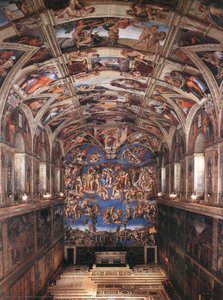
Bernardino Luini's "Paintings on the Partition," completed in 1522, offers a profoundly evocative glimpse into the heart of Renaissance religious devotion. This remarkable work, depicting an interior church scene, transcends mere architectural representation; it is a testament to Luini’s masterful understanding of human emotion and his deep engagement with the artistic currents of his time. The painting captures a moment within a sacred space – a cathedral or large church – brimming with life and spiritual significance. The sheer scale of the frescoed ceiling immediately draws the eye, showcasing a level of detail that speaks to Luini’s meticulous observation and technical skill.
- Artist: Bernardino Luini (1480-1532)
- Date: 1522
- Style: High Renaissance, influenced by Leonardo da Vinci
The Legacy of Leonardo and the Lombard School
Luini’s artistic journey is inextricably linked to that of Leonardo da Vinci. While the precise nature of their collaboration remains a subject of scholarly debate, it's widely accepted that Luini spent formative years working under the master’s tutelage. This immersion in Da Vinci’s innovative techniques – particularly his use of sfumato and atmospheric perspective – profoundly shaped Luini’s artistic vocabulary. Luini was a key figure within the Lombard School of painting, known for its emphasis on meticulous detail, rich color palettes, and a profound understanding of religious iconography. Unlike the more linear styles prevalent in Florence, Luini favored a warmer, earthier tonality, reflecting the regional influences of northern Italy.
A Symphony of Detail: Technique and Composition
The painting’s power lies not only in its subject matter but also in Luini's extraordinary technical execution. The artist demonstrates an almost obsessive attention to detail, meticulously rendering every facet of the architectural elements – from the carved pillars and ornate moldings to the folds of the drapery worn by the figures. Notice the subtle gradations of light and shadow, creating a palpable sense of depth and volume within the space. The composition is carefully balanced, guiding the viewer’s eye through the scene, beginning with the altar and culminating in the expansive frescoed ceiling. The inclusion of several individuals – some standing in prayer, others observing – adds a crucial layer of realism and invites the viewer to contemplate their own place within this sacred setting.
Symbolism and Spiritual Resonance
The presence of a large cathedral ceiling with a fresco is itself laden with symbolism. Frescoes were traditionally used to depict biblical scenes or saints, serving as visual aids for religious instruction. The architectural details – the columns, arches, and stained-glass windows – represent elements of divine architecture, reinforcing the spiritual nature of the space. Luini’s depiction of human figures engaged in prayer underscores the importance of faith and devotion within the context of the Renaissance. The overall effect is one of profound serenity and reverence, inviting contemplation and a connection to something greater than oneself.
Perfect for Interior Design & Art Collection
A hand-painted reproduction of “Paintings on the Partition” offers a unique opportunity to bring this masterpiece into your home or office. Its rich detail and evocative atmosphere will undoubtedly become a focal point, adding a touch of Renaissance elegance and spiritual depth to any space. This artwork is ideal for collectors seeking exceptional quality reproductions of significant historical pieces, as well as interior designers looking to create spaces that inspire awe and contemplation.
Похожие произведения

Биография художника
A Lombard Luminary: The Life and Art of Bernardino Luini
Bernardino Luini, a name that echoes softly within the halls of Italian Renaissance painting, emerged from the tranquil beauty of Lake Maggiore’s surroundings around 1480. Born in Runo, a small hamlet near Dumenza, his early life remains shrouded in a delicate veil of mystery – details are scarce, yet it is clear that fate guided him towards Milan, the vibrant heart of artistic creation in northern Italy. By the year 1500, he had made his home there, poised to absorb the burgeoning creative energy and intellectual currents flowing through the city’s workshops and studios. While accounts differ regarding his initial training – some credit Giovan Stefano Scotto, others Ambrogio Bergognone – a far more profound influence was undoubtedly at play: Leonardo da Vinci. The precise nature of their relationship remains a subject of scholarly debate, but it is widely believed that Luini worked directly under the master’s tutelage, an immersive experience that indelibly shaped his artistic vision and technique. This apprenticeship wasn't merely a matter of technical instruction; it was a complete immersion into Leonardo’s world – a realm characterized by subtle observation, innovative composition, and the elusive quality known as *sfumato*, which Luini would masterfully integrate into his own distinctive style.The Shadow of Leonardo: Influence and Artistic Development
Luini's artistic development wasn't simply an imitation of Leonardo’s techniques; rather, it was a sensitive assimilation, filtered through the lens of his own Lombard sensibility. He didn’t strive to replicate Da Vinci’s intellectual rigor or anatomical precision with the same meticulous detail – instead, he embraced the softer, more lyrical aspects of the master’s style. This is particularly evident in his depictions of women – figures rendered with a captivating grace and an almost melancholic beauty. These “Luinesque” women, as Vladimir Nabokov famously described them, possess elongated eyes that seem to hold a profound inner world, inviting contemplation and drawing the viewer into their quiet gazes. Early works such as the *Adoration of the Magi* (c. 1505) in San Pietro, Luino, already hint at this emerging style – showcasing a delicate handling of light and shadow, a masterful composition, and an early exploration of *sfumato*. The frescoes he created for the Oratory of Santa Maria Nuova in Pilastrello further solidified his unique approach. The influence of Bernardino Zenale’s *Cantù Polyptych* is also discernible in works like *St. Anthony of Padua* (1510s), demonstrating Luini's ability to synthesize diverse artistic influences into a cohesive and deeply personal vision.Frescoes, Palaces, and the Flourishing of Creativity
The period between 1509 and 1514 witnessed an explosion of creative activity for Bernardino Luini. He wasn’t confined solely to religious subjects; his talents were sought after for secular commissions as well, reflecting the breadth of his artistic skill and versatility. The frescoes he created for Villa Pelucca in Sesto San Giovanni stand as a testament to this – depicting mythological scenes with an elegance that graced the walls of this aristocratic residence. These works, now housed in Milan’s Pinacoteca di Brera, reveal a painter equally adept at capturing the dynamism of classical narratives and the intimate beauty of human form. He continued to receive prestigious commissions throughout Lombardy, adorning churches and palaces with his distinctive style, solidifying his reputation as one of the region's most sought-after artists. His ability to imbue even grand-scale frescoes with an air of intimacy and emotional resonance was truly remarkable.Notable Works and Lasting Legacy
Among Luini’s most celebrated works are the *Adoration of the Magi* in San Pietro, Luino – a vibrant depiction of the biblical scene that showcases his mastery of composition and color; the *Lamentation of the Dead Christ* in Santa Maria della Passione, Milan – a profoundly moving portrayal of grief and sorrow; and the frescoes for the Certosa di Pavia, which demonstrate his evolving style. His work served as an inspiration to subsequent generations of artists, influencing the development of Lombard painting and contributing to the broader currents of Italian Renaissance art. He died in Milan in June 1532, leaving behind a legacy that extended far beyond his own lifetime. His son, Aurelio, followed in his footsteps, continuing the family’s artistic tradition. Today, Luini's masterpieces can be found in museums and churches throughout Italy – the Pinacoteca di Brera being a particularly rich repository of his works. His paintings continue to enchant viewers with their beauty, grace, and enduring emotional power, offering a glimpse into the artistic sensibilities of a bygone era. Works like *Salome with the Head of John the Baptist* exemplify his dramatic intensity and masterful execution, while *Holy Family with Saints Anne and John the Baptist* showcases his serene and harmonious compositions.A Unique Style: The Essence of Luini
Bernardino Luini’s artistic style is characterized by a unique blend of elements – a subtle melancholy, an emphasis on emotional depth, and a distinctive approach to *sfumato*. Unlike many of his contemporaries who sought to replicate the precise anatomical detail of Leonardo da Vinci, Luini favored a more lyrical and evocative representation of form. His figures often appear slightly softened, imbued with a sense of dreamlike quality – a characteristic that has earned him the moniker “Luinesque.” His color palettes are typically warm and muted, creating an atmosphere of quiet contemplation. It is this combination of elements—melancholy, lyricism, and *sfumato*—that distinguishes Luini’s work and makes it so enduringly captivating.
Бернардино Луини
1480 - 1532 , Италия
Основные сведения
- Artistic Movement Or Style: Ренессанс, маньеризм
- Artists Or Movements Influenced By This Artist: ['Стиль Луинес']
- Artists Who Influenced This Artist: ['Леонардо да Винчи']
- Date Of Birth: c. 1480
- Date Of Death: 1532
- Full Name: Bernardino Luini
- Nationality: Итальянец
- Notable Artworks:
- Поклонение волхвов
- Святой Антоний Падский
- Фрески Виллы Пелуцца
- Place Of Birth: Рейно, Италия