 Предпросмотр
 Поделиться
 Поделиться
 Детали произведения

 Скачать
 Похожие работы
 Рентгенография
 Слайд-шоу
 Статистика
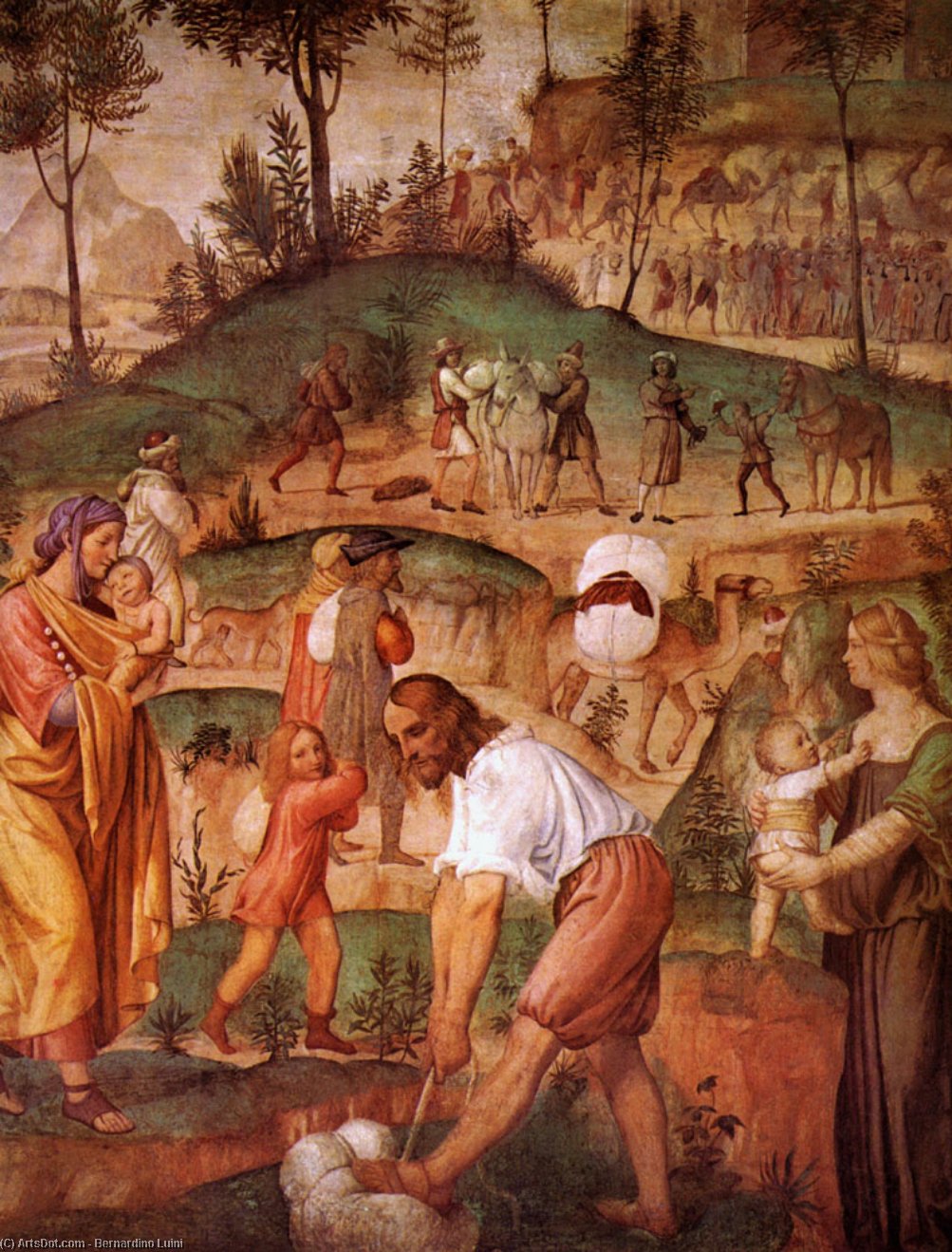
The Game of the Golden Cushion (detail)
 Acrylic On Canvas
- WallArt
- High Renaissance
 1520
1520 140.0 x 100.0 cm
 Пинакотека Брера
 Читать далее
Масляная репродукция ручной работы
Картина маслом на холсте в выбранном вами размере и раме, написанная на заказ нашими художниками. ( Перейти к печати Перейти к цифровым изображениям)




P118B $10

P118H $10

P118W $10

P438Z $10

P508JH $12

P508YH $12

P805H $10

P805Z $10

P919BZ $10

P919G $10

P919XJ $10

P959ZH $10

P968JZ $12

W106C $8

W218G $10

W218JH $8

W218Y $10

W307PJ $10

W316G $10

W316PJ $8

W316Y $10

W398PJ $8

W4111J $10

W500HY $15

W500JH $15

W692G $12

W849H $8

W940BG $15

W953PJ $8




Выберите один из наших стандартных размеров, соответствующих оригинальным пропорциям произведения искусства.

Вы можете указать собственные размеры, чтобы картина идеально вписалась в выбранную раму или пространство. Если выбранный вами размер не соответствует пропорциям оригинала, мы либо обрежем полотно, либо расширим его за счет дополнительных элементов, написанных вручную. Цифровой макет будет отправлен вам на утверждение перед началом производства.
Обратите внимание, что предварительный просмотр на экране не отражает фактическую обрезку или расширение. Только макет точно покажет окончательную композицию.
Хотя доступны индивидуальные размеры, мы рекомендуем выбирать вариант из предопределенного списка, чтобы сохранить исходные пропорции.
После оформления заказа команда ArtsDot.com свяжется с клиентом по электронной почте для уточнения деталей и предоставит предварительный макет
Доставка по всему миру () за 3–4 недели вместо стандартных 5 недель. (13 Сентябрь). Без компромиссов в качестве.

Бесплатная экспресс-доставка по всему миру

Высококачественный льняной холст

Полное страхование доставки

Гарантия возмещения таможенных пошлин

Гарантия точного соответствия цветов

100-дневная политика возврата (только при обнаружении дефектов)

Гарантия возврата 100% средств

Предложение оптовых скидок
 Вариант со стеклом доступен только для размеров менее 110 см

The Game of the Golden Cushion (detail)
Техника репродукции
Размер репродукции
-


Итоговая стоимость
$ 263
The Game of the Golden Cushion: A Glimpse into Luini’s World
Bernardino Luini, a name often whispered with reverence within the circles of Renaissance art, wasn't a flamboyant figure of his time – he was a master of quiet observation and profound detail. Born in Runo, a small village near Lake Maggiore in 1480, Luini’s life unfolded largely within the shadow of Leonardo da Vinci, yet he forged an utterly distinct artistic identity, one characterized by a gentle melancholy and an uncanny ability to capture the fleeting expressions of everyday life. The “Game of the Golden Cushion,” a fresco fragment housed at the Pinacoteca di Brera in Milan, offers a particularly poignant window into this world – a world where piety mingled with playful domesticity, and where the artist’s hand revealed both technical brilliance and an intimate understanding of human emotion. This isn't merely a depiction of children playing; it’s a carefully constructed tableau brimming with subtle narratives and unspoken connections.A Fresco Fragment: Details and Technique
The “Game of the Golden Cushion” is a fragment from a larger, now largely lost, fresco cycle commissioned for the Villa Labia alla Pelluca near Milan in the early 1520s. Measuring just over one meter by eighty centimeters, it’s deceptively complex. Luini masterfully employs *sfumato*, a technique Leonardo himself perfected, to soften edges and create an atmospheric haze that envelops the scene. Notice how the light gently diffuses across the figures, lending them a sense of ethereal beauty. The fresco's pigments – predominantly earth tones accented with touches of red and ochre – are applied with remarkable precision, revealing a meticulous attention to texture and form. The artist’s use of *terrazzo*—a technique involving layering different colored pigments to create the illusion of depth—is particularly noteworthy, adding considerable richness and realism to the background landscape. The composition itself is carefully balanced, drawing the eye across the scene with a subtle dynamism that belies its static nature.The Narrative Unfolds: Symbolism and Social Context
At first glance, the fresco appears simple enough: three young women – likely representing members of the Labia family—are engaged in a traditional Italian game known as “La Caccia al Bacio” (The Chase for the Kiss). One woman, kneeling gracefully, holds a cushion while another playfully attempts to guess which of them is touching her back. The third woman stands slightly apart, observing with a gentle curiosity. However, Luini imbues this seemingly trivial scene with layers of symbolic meaning. The game itself represents courtship and social interaction within the context of 16th-century Italian society. The cushion, often associated with fertility and abundance, subtly hints at the desire for progeny. Furthermore, the woman holding the cushion is depicted in a pose that suggests both vulnerability and quiet dignity – a characteristic frequently found in Luini’s female figures. The presence of the man kneeling, though partially obscured, adds another layer of intrigue, suggesting an unspoken dynamic between the women.Luini's Legacy: Echoes of Leonardo and a Unique Vision
Bernardino Luini’s artistic journey is inextricably linked to that of Leonardo da Vinci. While he undoubtedly learned from his master’s techniques – particularly in terms of *sfumato* and anatomical accuracy – Luini developed a distinctly personal style, characterized by an almost melancholic tenderness. Unlike the dynamic compositions often found in Leonardo's works, Luini favored quieter, more introspective scenes, focusing on capturing the subtle nuances of human emotion. His figures possess a remarkable stillness, imbued with a sense of timelessness and profound humanity. Luini’s work is often described as “late mannerist,” reflecting a shift away from the exuberant dynamism of the High Renaissance towards a more restrained and contemplative aesthetic. Yet, within this restraint lies an extraordinary depth of feeling – a testament to Luini's unique artistic vision.Reproductions and Appreciation: Bringing Luini’s World Home
Today, reproductions of “The Game of the Golden Cushion” are treasured for their ability to evoke the same sense of quiet beauty and emotional resonance as the original fresco. When selecting a high-quality reproduction, consider the artist's interpretation – ensuring it faithfully captures Luini’s delicate *sfumato*, nuanced color palette, and subtle details. Whether adorning a study or a grand salon, this evocative image offers a glimpse into the world of a master craftsman, reminding us of the enduring power of art to capture the beauty and complexity of human experience.- Consider a high-resolution print on archival paper for lasting quality.
- Look for reproductions that accurately represent Luini’s use of color and texture.
- A framed reproduction can add a touch of elegance to any room.
Похожие произведения

Биография художника
A Lombard Luminary: The Life and Art of Bernardino Luini
Bernardino Luini, a name that echoes softly within the halls of Italian Renaissance painting, emerged from the tranquil beauty of Lake Maggiore’s surroundings around 1480. Born in Runo, a small hamlet near Dumenza, his early life remains shrouded in a delicate veil of mystery – details are scarce, yet it is clear that fate guided him towards Milan, the vibrant heart of artistic creation in northern Italy. By the year 1500, he had made his home there, poised to absorb the burgeoning creative energy and intellectual currents flowing through the city’s workshops and studios. While accounts differ regarding his initial training – some credit Giovan Stefano Scotto, others Ambrogio Bergognone – a far more profound influence was undoubtedly at play: Leonardo da Vinci. The precise nature of their relationship remains a subject of scholarly debate, but it is widely believed that Luini worked directly under the master’s tutelage, an immersive experience that indelibly shaped his artistic vision and technique. This apprenticeship wasn't merely a matter of technical instruction; it was a complete immersion into Leonardo’s world – a realm characterized by subtle observation, innovative composition, and the elusive quality known as *sfumato*, which Luini would masterfully integrate into his own distinctive style.The Shadow of Leonardo: Influence and Artistic Development
Luini's artistic development wasn't simply an imitation of Leonardo’s techniques; rather, it was a sensitive assimilation, filtered through the lens of his own Lombard sensibility. He didn’t strive to replicate Da Vinci’s intellectual rigor or anatomical precision with the same meticulous detail – instead, he embraced the softer, more lyrical aspects of the master’s style. This is particularly evident in his depictions of women – figures rendered with a captivating grace and an almost melancholic beauty. These “Luinesque” women, as Vladimir Nabokov famously described them, possess elongated eyes that seem to hold a profound inner world, inviting contemplation and drawing the viewer into their quiet gazes. Early works such as the *Adoration of the Magi* (c. 1505) in San Pietro, Luino, already hint at this emerging style – showcasing a delicate handling of light and shadow, a masterful composition, and an early exploration of *sfumato*. The frescoes he created for the Oratory of Santa Maria Nuova in Pilastrello further solidified his unique approach. The influence of Bernardino Zenale’s *Cantù Polyptych* is also discernible in works like *St. Anthony of Padua* (1510s), demonstrating Luini's ability to synthesize diverse artistic influences into a cohesive and deeply personal vision.Frescoes, Palaces, and the Flourishing of Creativity
The period between 1509 and 1514 witnessed an explosion of creative activity for Bernardino Luini. He wasn’t confined solely to religious subjects; his talents were sought after for secular commissions as well, reflecting the breadth of his artistic skill and versatility. The frescoes he created for Villa Pelucca in Sesto San Giovanni stand as a testament to this – depicting mythological scenes with an elegance that graced the walls of this aristocratic residence. These works, now housed in Milan’s Pinacoteca di Brera, reveal a painter equally adept at capturing the dynamism of classical narratives and the intimate beauty of human form. He continued to receive prestigious commissions throughout Lombardy, adorning churches and palaces with his distinctive style, solidifying his reputation as one of the region's most sought-after artists. His ability to imbue even grand-scale frescoes with an air of intimacy and emotional resonance was truly remarkable.Notable Works and Lasting Legacy
Among Luini’s most celebrated works are the *Adoration of the Magi* in San Pietro, Luino – a vibrant depiction of the biblical scene that showcases his mastery of composition and color; the *Lamentation of the Dead Christ* in Santa Maria della Passione, Milan – a profoundly moving portrayal of grief and sorrow; and the frescoes for the Certosa di Pavia, which demonstrate his evolving style. His work served as an inspiration to subsequent generations of artists, influencing the development of Lombard painting and contributing to the broader currents of Italian Renaissance art. He died in Milan in June 1532, leaving behind a legacy that extended far beyond his own lifetime. His son, Aurelio, followed in his footsteps, continuing the family’s artistic tradition. Today, Luini's masterpieces can be found in museums and churches throughout Italy – the Pinacoteca di Brera being a particularly rich repository of his works. His paintings continue to enchant viewers with their beauty, grace, and enduring emotional power, offering a glimpse into the artistic sensibilities of a bygone era. Works like *Salome with the Head of John the Baptist* exemplify his dramatic intensity and masterful execution, while *Holy Family with Saints Anne and John the Baptist* showcases his serene and harmonious compositions.A Unique Style: The Essence of Luini
Bernardino Luini’s artistic style is characterized by a unique blend of elements – a subtle melancholy, an emphasis on emotional depth, and a distinctive approach to *sfumato*. Unlike many of his contemporaries who sought to replicate the precise anatomical detail of Leonardo da Vinci, Luini favored a more lyrical and evocative representation of form. His figures often appear slightly softened, imbued with a sense of dreamlike quality – a characteristic that has earned him the moniker “Luinesque.” His color palettes are typically warm and muted, creating an atmosphere of quiet contemplation. It is this combination of elements—melancholy, lyricism, and *sfumato*—that distinguishes Luini’s work and makes it so enduringly captivating.
Бернардино Луини
1480 - 1532 , Италия
Основные сведения
- Artistic Movement Or Style: Ренессанс, маньеризм
- Artists Or Movements Influenced By This Artist: ['Стиль Луинес']
- Artists Who Influenced This Artist: ['Леонардо да Винчи']
- Date Of Birth: c. 1480
- Date Of Death: 1532
- Full Name: Bernardino Luini
- Nationality: Итальянец
- Notable Artworks:
- Поклонение волхвов
- Святой Антоний Падский
- Фрески Виллы Пелуцца
- Place Of Birth: Рейно, Италия
Похожие статьи

Фреска как Семейное Наследие: Сохранение Истории в Искусстве Стен
Узнайте о фресках как семейном наследии! История, техника создания, реставрация и сохранение. Экспертные советы и вдохновение для вашего дома. .
The Enduring Legacy of Fresco: Technique, History & Artistic Expression
Explore the rich history & enduring artistry of fresco painting. Discover techniques from Giotto to Michelangelo, conservation efforts, & modern applications. Learn how ArtsDot brings this timeless art form to your home.

Искусство, живущее с вами: эмоциональная сила индивидуальной интерьерной фрески
Узнайте о фресках в интерьере: история, технологии, выбор и уход. Создайте уникальный дизайн с экспертами! Качество и индивидуальный подход гарантированы.

The Enduring Legacy of Fresco Painting: Techniques, History & Contemporary Relevance
Explore the rich history & enduring artistry of fresco painting – from Giotto to Michelangelo! Discover techniques, conservation efforts, & modern applications. Learn how ArtsDot brings this timeless art form to your home.

The Enduring Legacy of Fresco: Technique, History & Artistic Expression Across Cultures
Explore the rich history & enduring legacy of fresco painting! Discover ancient techniques, Giotto's masterpieces, and modern applications. Expert insights for art lovers & professionals.