

 Предпросмотр
 Поделиться
 Поделиться
 Детали произведения

 Скачать
 Похожие работы
 Рентгенография
 Слайд-шоу
 Статистика
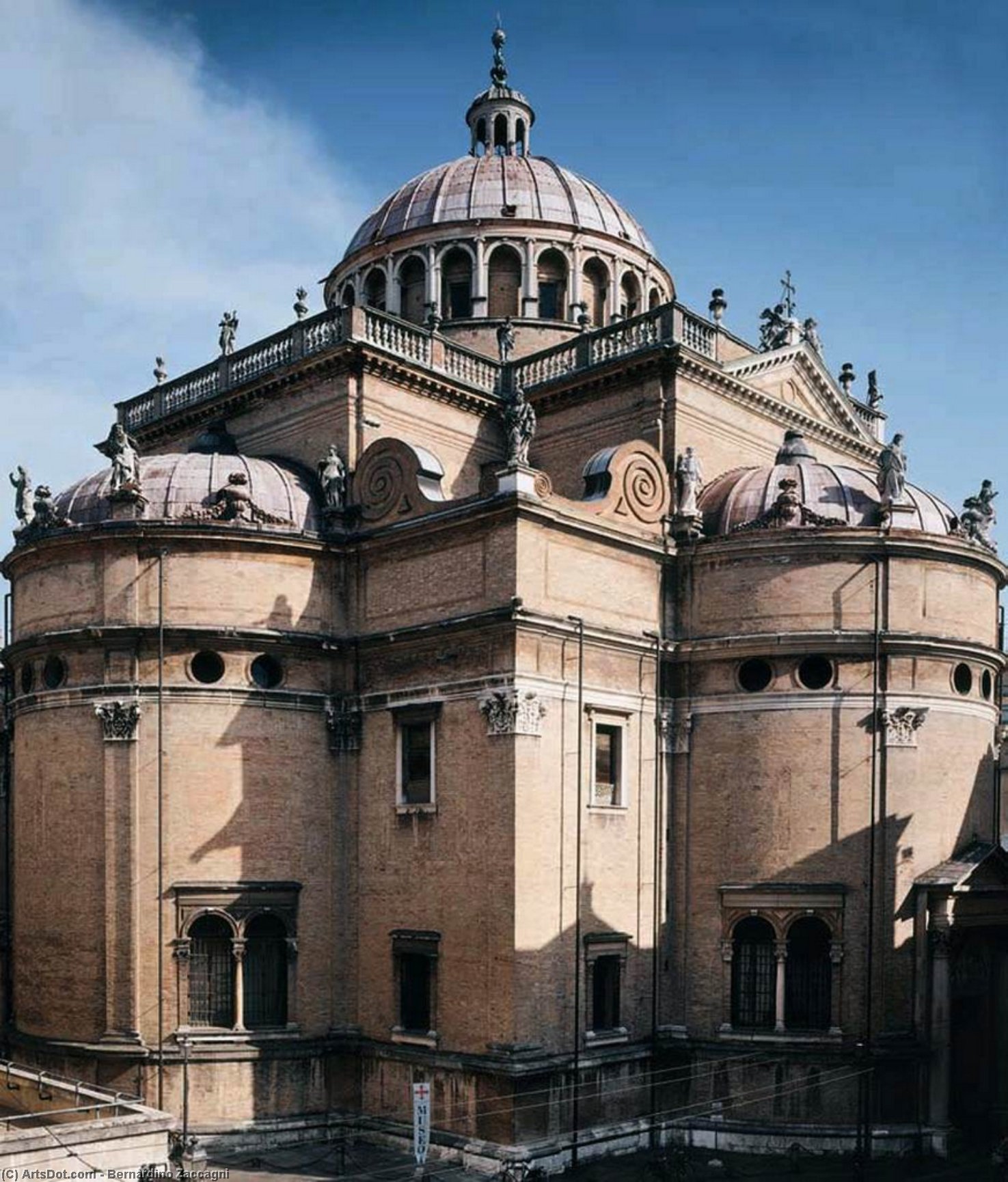
View of the dome and the apses


 Читать далее
Приобретите цифровое изображение высокого разрешения в улучшенном качестве, которое значительно превосходит онлайн-превью.
Каждый файл тщательно подготавливается нашими специалистами с использованием передовых инструментов и экспертной ручной ретуши. Мы гарантируем исключительную четкость, точную цветопередачу и детальную проработку каждого изображения.
Финальный файл доставляется по электронной почте в течение 72 часов и оптимизирован для немедленного использования в профессиональной среде, при верстке и печати. Это тот же уровень качества, которому доверяют ведущие дизайнерские студии, издательства и галереи.
Цифровое изображение
Скачайте файл высокого разрешения для личного использования, печати и творческих проектов. ( Перейти к печати Купить картину ручной работы)
Включено в каждый заказ цифровых изображений
Гарантия экспертной цифровой доставки
Выбирая ArtsDot.com, вы получаете не просто изображение — вы приобретаете профессионально обработанное цифровое произведение искусства, созданное с безупречной точностью и под защитой гарантии качества. Вот всё, что автоматически входит в ваш заказ:

Мгновенная доставка по e-mail
Ваш цифровой файл в высоком разрешении будет отправлен вам по электронной почте в течение 72 часов после оформления заказа — и сразу станет доступен для использования.

Цифровой файл с ИИ-улучшением
Ваше произведение искусства проходит профессиональную оптимизацию с использованием передовых инструментов ИИ и ручной обработки, что гарантирует максимальную детализацию, четкость и точность цветопередачи.

Бессрочная бесплатная повторная доставка
Случайно удалили или потеряли файл? Не беспокойтесь — мы отправим его вам повторно в любое время и совершенно бесплатно.

Без импортных пошлин — навсегда
Наслаждайтесь вашим произведением искусства мгновенно без таможенных пошлин, сборов или затрат на доставку — цифровые загрузки всегда не облагаются налогом.

Гарантия точности цветопередачи
Мы гарантируем, что ваше цифровое изображение максимально точно передает оригинальные цвета благодаря использованию профессиональных инструментов и систем управления цветом.

Гарантия удовлетворенности 100 дней
Если вы не будете удовлетворены своим цифровым изображением, мы внесем правки или вернем 100% стоимости в течение 100 дней — без лишних вопросов.

100% Гарантия возврата средств
Не удовлетворены покупкой? Получите полный возврат средств в течение 100 дней после получения цифрового файла — без лишних вопросов.

Скидки на оптовые заказы
Купите 3 изображения, сэкономьте 10% — Купите 5, сэкономьте 15% — Купите 10+, сэкономьте 20%. Отличное решение для творческих проектов, галерей и агентств.
Похожие произведения









Биография художника
Early Life and Formation in the Renaissance Heartland
Bernardino Zaccagni, born around 1460 in Rivalta di Lesignano near Parma, emerged during a period of profound artistic transformation in Italy. While details surrounding his early life remain somewhat elusive, it is known that his father, Francesco Zaccagni, was a builder or architect—a crucial foundation for Bernardino’s own burgeoning career. This familial connection to the craft instilled within him not only practical skills but also an intimate understanding of construction techniques and materials, setting the stage for his future endeavors in the rapidly evolving world of Renaissance architecture. Parma itself served as a fertile ground for artistic development, benefiting from the patronage of powerful families like the Sforza and experiencing a revival of civic building projects that would shape Zaccagni’s early experiences. The city's position at the crossroads of various influences—Lombard traditions blending with emerging Florentine ideals—created an environment ripe for innovation, and young Bernardino was poised to absorb these currents.A Flourishing Career in Parma: Churches and Fortifications
Zaccagni quickly established himself as a prominent figure within the Parman architectural landscape during the late 15th and early 16th centuries. His initial projects included contributions to significant religious structures such as San Benedetto (between 1498 and 1501) and Santa Maria del Carmine (1500-1502), where he collaborated with established masters like Pellegrino da Pontremoli, gaining invaluable experience and refining his skills. Beyond church construction, Zaccagni demonstrated versatility by participating in civic projects, notably contributing to the improvement of Parma’s fortifications in 1521 alongside other leading builders. This involvement highlights a practical aspect of Renaissance architects—their ability to address both aesthetic concerns and functional necessities. He also worked on smaller chapels like that of Pedrignano near Parma (1507-1509) and the hospital of Rodolfo Tanzi (1506–1511), showcasing his adaptability to diverse scales and requirements.The Architectural Vision: Centralized Plans and Domed Spaces
Zaccagni’s architectural vision was characterized by a preference for centralized plans, reflecting the growing Renaissance fascination with symmetry, harmony, and classical ideals. This approach is particularly evident in structures like the Oratory of the Immaculate Conception at San Francesco del Prato, where he designed a symmetrical building crowned with a dome—a motif that would become a hallmark of his style. His most significant achievement, however, lies in his work on the basilica of San Giovanni Evangelista. While collaborating with master mason Pietro Cavazzolo, Zaccagni was primarily responsible for the design of the vaults and the magnificent dome, which stands as a testament to his mastery of spatial organization and proportional elegance. This project exemplifies his ability to translate theoretical principles into tangible form, creating spaces that were both visually striking and structurally sound.Santa Maria della Steccata: Collaboration and Controversy
The church of Santa Maria della Steccata represents perhaps Zaccagni’s most ambitious undertaking—a collaborative effort with his son, Giovanni Francesco Zaccagni. This project, begun in 1523, aimed to create a new model for religious architecture, incorporating innovative features and reflecting the latest Renaissance trends. However, the construction process was not without its challenges. In 1525, Gianfrancesco Ferrari d’Agrate took over the work due to disputes with Zaccagni and his son, highlighting the complexities of patronage and artistic collaboration during this period. Despite these setbacks, Santa Maria della Steccata remains a significant example of Zaccagni's influence, showcasing his commitment to centralized plans and harmonious proportions. The church also demonstrates the family’s dedication to expanding the Benedictine monastery at San Giovanni, further solidifying their presence in Parman architecture.Legacy and Historical Significance
Bernardino Zaccagni’s career bridged the transition between late Gothic and High Renaissance styles, leaving a lasting imprint on Parma's ecclesiastical architecture. Although records of his minor projects are sparse, his influence extended through family collaborations—his son Benedetto continued the family’s engineering legacy in the region—and his innovative designs inspired subsequent generations of architects. Zaccagni’s mastery of spatial harmony and proportional elegance, particularly evident in his domed structures, contributed to the development of a distinct Parman architectural identity. He stands as a testament to the importance of familial workshops and the enduring power of Renaissance ideals in shaping the built environment. His work continues to be studied and admired for its technical skill, aesthetic beauty, and historical significance within the broader context of Italian art and architecture.
bernardino zaccagni
1455 - 1531 , Italy
Основные сведения
- Artistic Movement Or Style: Renaissance Art
- Date Of Birth: ca. 1460
- Full Name: Bernardino Zaccagni
- Nationality: Italian
- Notable Artworks:
- View of the Dome
- View of the dome and the apses
- Place Of Birth: Rivalta di Lesignano, Italy