 Предпросмотр
 Поделиться
 Поделиться
 Детали произведения

 Скачать
 Похожие работы
 Рентгенография
 Слайд-шоу
 Статистика
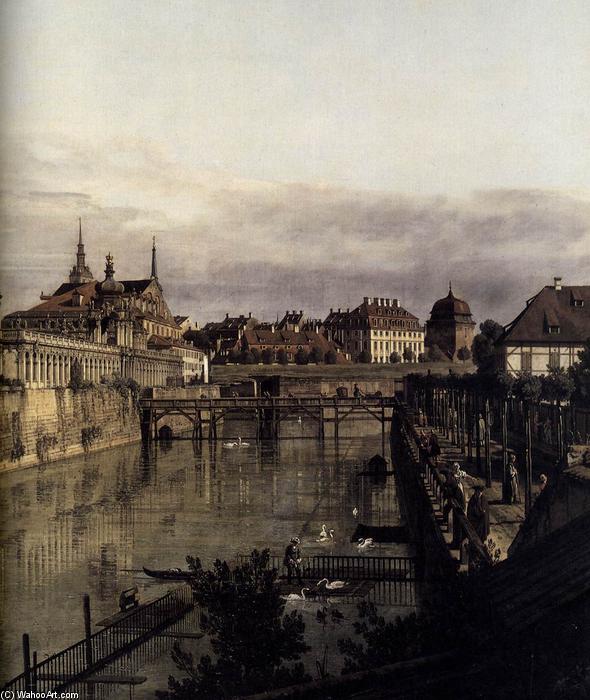
The Moat of the Zwinger in Dresden (detail)


 Читать далее
Масляная репродукция ручной работы
Картина маслом на холсте в выбранном вами размере и раме, написанная на заказ нашими художниками. ( Перейти к печати Перейти к цифровым изображениям)




P118B $10

P118H $10

P118W $10

P438Z $10

P508JH $12

P508YH $12

P805H $10

P805Z $10

P919BZ $10

P919G $10

P919XJ $10

P959ZH $10

P968JZ $12

W106C $8

W218G $10

W218JH $8

W218Y $10

W307PJ $10

W316G $10

W316PJ $8

W316Y $10

W398PJ $8

W4111J $10

W500HY $15

W500JH $15

W692G $12

W849H $8

W940BG $15

W953PJ $8




Выберите один из наших стандартных размеров, соответствующих оригинальным пропорциям произведения искусства.

Вы можете указать собственные размеры, чтобы картина идеально вписалась в выбранную раму или пространство. Если выбранный вами размер не соответствует пропорциям оригинала, мы либо обрежем полотно, либо расширим его за счет дополнительных элементов, написанных вручную. Цифровой макет будет отправлен вам на утверждение перед началом производства.
Обратите внимание, что предварительный просмотр на экране не отражает фактическую обрезку или расширение. Только макет точно покажет окончательную композицию.
Хотя доступны индивидуальные размеры, мы рекомендуем выбирать вариант из предопределенного списка, чтобы сохранить исходные пропорции.
После оформления заказа команда ArtsDot.com свяжется с клиентом по электронной почте для уточнения деталей и предоставит предварительный макет
Доставка по всему миру () за 3–4 недели вместо стандартных 5 недель. (13 Сентябрь). Без компромиссов в качестве.

Бесплатная экспресс-доставка по всему миру

Высококачественный льняной холст

Полное страхование доставки

Гарантия возмещения таможенных пошлин

Гарантия точного соответствия цветов

100-дневная политика возврата (только при обнаружении дефектов)

Гарантия возврата 100% средств

Предложение оптовых скидок
 Вариант со стеклом доступен только для размеров менее 110 см

The Moat of the Zwinger in Dresden (detail)
Техника репродукции
Размер репродукции
-


Итоговая стоимость
$ 263
A Window into Dresden’s Golden Age
In the heart of 18th-century Saxony, amidst the burgeoning prosperity of the Enlightenment, Bernardo Bellotto captured a moment of profound serenity and architectural splendor. His masterpiece, The Moat of the Zwinger in Dresden, is far more than a mere topographical record; it is a luminous window into a vanished world. Painted in 1749, this work invites the viewer to step onto the banks of the Zwinger Palace’s moat, where the water acts as a liquid mirror, reflecting the grandeur of a city at its zenith. The scene is alive with the quiet rhythms of daily life—figures strolling leisurely along the embankments and small boats gliding across the glassy surface—creating an atmosphere of idyllic peace that feels both intimate and monumental.
For the discerning collector or interior designer, this painting offers a sophisticated focal point that brings a sense of historical depth and classical elegance to any space. The composition draws the eye through layers of lush foliage and intricate stonework, leading toward the breathtaking architectural silhouettes that define Dresden’s skyline. It is a piece that does not merely decorate a wall but narrates a story of cultural ambition and the enduring pursuit of beauty.
The Mastery of Rococo Light and Detail
Bellotto, often celebrated as the nephew and pupil of the legendary Canaletto, brought a unique, more somber, and atmospheric quality to the veduta style. In this particular work, his technical prowess is on full display through the masterful use of chiaroscuro. He employs dramatic contrasts between light and shadow to sculpt the ornate facades of the Zwinger buildings, giving them a palpable three-dimensional presence. The way sunlight filters through the verdant trees and dances upon the ripples of the moat demonstrates an almost scientific precision in his observation of natural light.
The technique is characterized by delicate, velvety brushstrokes that lend a rich texture to the canvas. Every element, from the intricate patterns on the period clothing of the strolling figures to the weathered textures of the stone fortifications, is rendered with breathtaking clarity. This meticulous attention to detail ensures that the painting retains its impact even upon close inspection, making it an ideal choice for those who appreciate fine art that rewards prolonged contemplation and reveals new nuances with every viewing.
Symbolism and Emotional Resonance
Beyond its aesthetic brilliance, the painting carries a profound symbolic weight. The moat itself serves as a powerful metaphor; while it was a vital component of Dresden’s defensive fortifications, in Bellotto’s hands, it becomes a symbol of protection, stability, and the tranquil boundaries of a prosperous realm under the reign of Augustus III. There is a palpable sense of permanence in the heavy stone structures, contrasted beautifully with the ephemeral movement of the boats and the fleeting reflections on the water.
Emotionally, the work evokes a sense of nostalgia and reverence. It captures a "golden age" before the devastating architectural losses of later centuries, preserving the soul of Dresden in a state of eternal grace. To possess a reproduction of this work is to hold a piece of European heritage—a fragment of a dreamlike era where art, architecture, and nature existed in perfect, harmonious balance. It provides an atmosphere of calm sophistication, making it a timeless addition to any curated collection or high-end residential design.
Похожие произведения

Биография художника
Ранние годы и обучение
Бернардо Беллотто, прославленный итальянский живописец, появился на свет в Венеции около 1721 года или 30 января 1721 года. Он был племянником и учеником знаменитого Джованни Антонио Каналетто, выдающейся фигуры в венецианской школе живописи.Художественный стиль и карьера
Стиль Беллотто отличался виртуозным изображением архитектурных и природных панорам, а также уникальной передачей освещения каждого места. Он был известен своим исключительным мастерством в улавливании самой сути городских пейзажей, что привело к приглашениям от различных европейских монархов.- Он путешествовал по Риму (1742), Северной Италии (1744-1745) и позднее перебрался в Дрезден (1747-1758) по велению короля Августа III Польского.
- Его работы в Дрездене сохранили красоту города до войны, которая была утрачена.
- Он получил приглашение от императрицы Марии Терезии работать в Вене (1758), где писал монументы города.
Значимые работы и наследие
Среди выдающихся произведений Беллотто:- Вид на Гранд-канал: Санта Мария делла Салюте и Догана с Кампо Санта Мария Зобениго (1743)
- Архитектурный каприччо с автопортретом Беллотто в костюме венецианского дворянина
Музеи и коллекции
Работы Беллотто можно найти в различных музеях, включая Пинакотеку Виченцы в Италии. Чтобы изучить больше его творчества, посетите [https://ArtsDot.com/@/bernardo bellotto](https://ArtsDot.com/@/bernardo bellotto) и откройте для себя мир искусства.Источники
* /ru/art/show/art-d3baj3-ru/ * [https://www.wikiart.org/en/bernardo-bellotto/](https://www.wikiart.org/en/bernardo-bellotto/) * [https://fr.wikipedia.org/wiki/bernardo_bellotto](https://fr.wikipedia.org/wiki/bernardo_bellotto)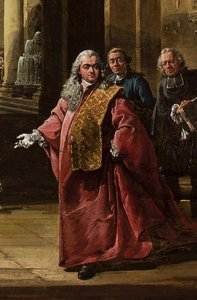
Бернардо Беллотто
1721 - 1780 , Италия
Основные сведения
- Влияние Художника: ['Восстановление городов']
- Дата Рождения: ок. 1721/2 или 30 января 1721 г.
- Дата Смерти: 1780
- Известные Работы:
- Вид Гранд-канала
- Архитектурный каприччио
- Место Рождения: Венеция, Италия
- Национальность: Итальянец
- Полное Имя: Бернардо Беллотто
- Художественное Направление: Ведута
- Художники, Повлиявшие На Него: ['Джованни Каналетто']
Похожие статьи

Giclée Prints: Archival Quality & Aesthetic Nuances for the Discerning Collector
Explore the world of giclée prints with ArtsDot. Learn about archival quality, aesthetic nuances & investment potential. Expert guidance for discerning art collectors seeking museum-quality reproductions and lasting value.

Топ-10 шедевров рококо: искусство, изменившее интерьеры | ArtsDot.com
Погрузитесь в мир рококо! Откройте для себя 10 шедевров искусства от Watteau, Boucher и Fragonard. Узнайте историю создания культовых картин и вдохновитесь для декора интерьера. Репродукции высокого качества на ArtsDot.com.

The Rococo Aesthetic: Opulence, Rebellion & the Pursuit of Pleasure in 18th-Century Art
Explore the opulent world of Rococo art! Discover its origins, key artists like Watteau & Boucher, and lasting influence on design. Expert insights for collectors & enthusiasts.
Bernardo Bellotto: Canaletto's Nephew & Master of Veduta Painting – A Comprehensive Exploration
Explore the life & art of Bernardo Bellotto, Canaletto’s nephew and a master of veduta painting. Discover his stunning cityscapes of Dresden & Warsaw, artistic techniques, and lasting legacy. Expert insights for collectors.

Echoes of Time: Exploring the Enduring Appeal & Historical Context of Vintage Art Prints
Explore the captivating world of vintage art prints! Discover their history, collecting tips & enduring appeal. Expert insights on chromolithography and building a legacy collection with ArtsDot.