 Предпросмотр
 Поделиться
 Поделиться
 Детали произведения

 Скачать
 Похожие работы
 Рентгенография
 Слайд-шоу
 Статистика
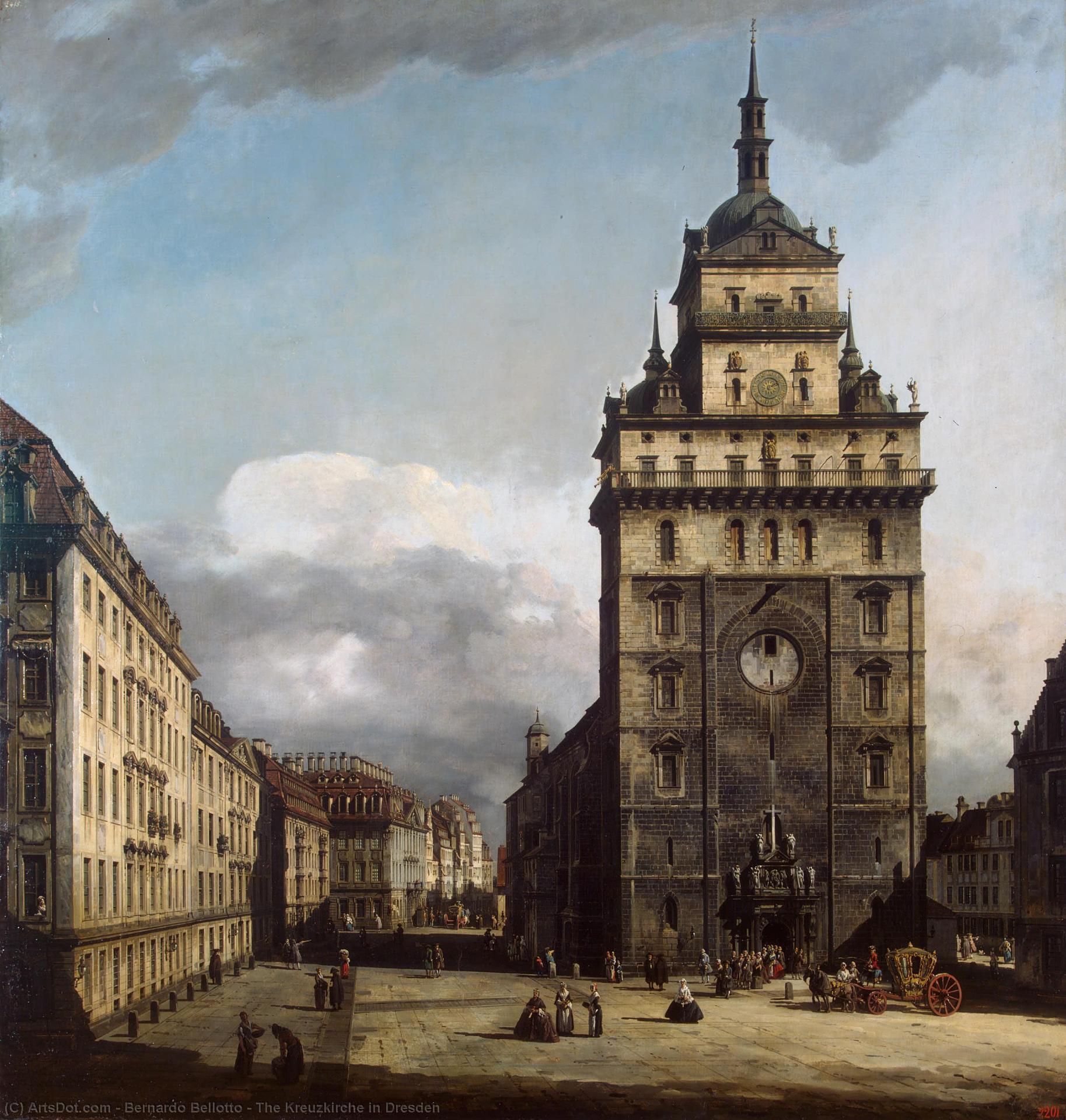
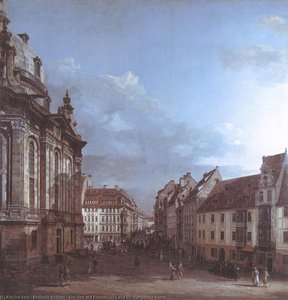
The Kreuzkirche in Dresden
 Oil On Canvas
- WallArt
- Baroque Landscape Painting
 1747
1747- Renaissance
 197.0 x 187.0 cm
 Эрмитаж
 Читать далее
Масляная репродукция ручной работы
Картина маслом на холсте в выбранном вами размере и раме, написанная на заказ нашими художниками. ( Перейти к печати Перейти к цифровым изображениям)




P118B $10

P118H $10

P118W $10

P438Z $10

P508JH $12

P508YH $12

P805H $10

P805Z $10

P919BZ $10

P919G $10

P919XJ $10

P959ZH $10

P968JZ $12

W106C $8

W218G $10

W218JH $8

W218Y $10

W307PJ $10

W316G $10

W316PJ $8

W316Y $10

W398PJ $8

W4111J $10

W500HY $15

W500JH $15

W692G $12

W849H $8

W940BG $15

W953PJ $8




Выберите один из наших стандартных размеров, соответствующих оригинальным пропорциям произведения искусства.

Вы можете указать собственные размеры, чтобы картина идеально вписалась в выбранную раму или пространство. Если выбранный вами размер не соответствует пропорциям оригинала, мы либо обрежем полотно, либо расширим его за счет дополнительных элементов, написанных вручную. Цифровой макет будет отправлен вам на утверждение перед началом производства.
Обратите внимание, что предварительный просмотр на экране не отражает фактическую обрезку или расширение. Только макет точно покажет окончательную композицию.
Хотя доступны индивидуальные размеры, мы рекомендуем выбирать вариант из предопределенного списка, чтобы сохранить исходные пропорции.
После оформления заказа команда ArtsDot.com свяжется с клиентом по электронной почте для уточнения деталей и предоставит предварительный макет
Доставка по всему миру () за 3–4 недели вместо стандартных 5 недель. (10 Сентябрь). Без компромиссов в качестве.

Бесплатная экспресс-доставка по всему миру

Высококачественный льняной холст

Полное страхование доставки

Гарантия возмещения таможенных пошлин

Гарантия точного соответствия цветов

100-дневная политика возврата (только при обнаружении дефектов)

Гарантия возврата 100% средств

Предложение оптовых скидок
 Вариант со стеклом доступен только для размеров менее 110 см

The Kreuzkirche in Dresden
Техника репродукции
Размер репродукции
-


Итоговая стоимость
$ 263
Bernardo Bellotto’s ‘The Kreuzkirche in Dresden’: A Window into a Lost City
Bernardo Bellotto's 1747 depiction of the Kreuzkirche in Dresden is more than just a cityscape; it’s a meticulously rendered testament to a vanished world and a poignant reflection on the fragility of beauty. Executed during a pivotal moment in European history – a period marked by shifting alliances, burgeoning empires, and devastating conflicts – this large-scale drawing offers an intimate glimpse into the heart of Saxony's capital, just years before the catastrophic destruction wrought by Allied bombing during the final stages of World War II. Bellotto, apprenticed to the celebrated Canaletto, inherited his mentor’s extraordinary ability to capture not merely the appearance of a place, but its very soul. This work exemplifies that skill, showcasing a profound understanding of urban space and a masterful command of perspective and light.
A Venetian Legacy: Bellotto's Artistic Training
- Canaletto’s Influence: Bellotto’s artistic journey began under the tutelage of Giovanni Antonio Canal, better known as Canaletto. This formative period instilled in him a deep appreciation for detailed observation and a distinctive approach to architectural drawing – one characterized by a precise rendering of buildings, streets, and public spaces.
- Technical Mastery: Like his mentor, Bellotto employed the techniques of linear perspective with remarkable accuracy, creating an illusion of depth that draws the viewer into the scene. His use of hatching and cross-hatching adds subtle variations in tone, enhancing the realism and atmospheric quality of the drawing.
- Venetian Perspective: Bellotto’s early works demonstrate a Venetian sensibility – a focus on capturing the light and shadow effects unique to the city's canals and architecture. This influence is subtly present in ‘The Kreuzkirche,’ contributing to its overall sense of authenticity.
Dresden at a Crossroads: Historical Context and Artistic Purpose
Commissioned by King August III of Poland, Bellotto arrived in Dresden in 1747, tasked with documenting the city’s architectural landscape. This was not merely an act of artistic patronage; it served a strategic purpose – to create a visual record of Dresden's grandeur and stability, intended for diplomatic use and as a testament to the king’s power. The drawing captures the Kreuzkirche, one of Dresden’s most prominent landmarks, during a period of significant urban development and political maneuvering. The impending Seven Years' War casts a subtle shadow over the scene, hinting at the turbulent times ahead. Bellotto’s work is thus inextricably linked to the historical events unfolding around him, offering a valuable primary source for understanding the city’s appearance and social dynamics in the mid-18th century.
Symbolism and Emotional Impact: A Frozen Moment
Beyond its technical brilliance, ‘The Kreuzkirche’ possesses a powerful emotional resonance. The scene is alive with activity – figures strolling along the streets, horses pulling carriages, and merchants engaged in trade. This bustling atmosphere conveys a sense of vitality and prosperity, yet it's also tinged with melancholy, particularly considering the eventual destruction of Dresden. Bellotto’s meticulous attention to detail allows us to almost feel the texture of the stone buildings, smell the aromas of the city, and hear the sounds of its inhabitants. The drawing serves as a poignant reminder of what was lost – a beautiful city reduced to rubble by war. The inclusion of the clock tower, a symbol of time’s relentless passage, adds another layer of significance to this enduring masterpiece.
Похожие произведения
Биография художника
Ранние годы и обучение
Бернардо Беллотто, прославленный итальянский живописец, появился на свет в Венеции около 1721 года или 30 января 1721 года. Он был племянником и учеником знаменитого Джованни Антонио Каналетто, выдающейся фигуры в венецианской школе живописи.Художественный стиль и карьера
Стиль Беллотто отличался виртуозным изображением архитектурных и природных панорам, а также уникальной передачей освещения каждого места. Он был известен своим исключительным мастерством в улавливании самой сути городских пейзажей, что привело к приглашениям от различных европейских монархов.- Он путешествовал по Риму (1742), Северной Италии (1744-1745) и позднее перебрался в Дрезден (1747-1758) по велению короля Августа III Польского.
- Его работы в Дрездене сохранили красоту города до войны, которая была утрачена.
- Он получил приглашение от императрицы Марии Терезии работать в Вене (1758), где писал монументы города.
Значимые работы и наследие
Среди выдающихся произведений Беллотто:- Вид на Гранд-канал: Санта Мария делла Салюте и Догана с Кампо Санта Мария Зобениго (1743)
- Архитектурный каприччо с автопортретом Беллотто в костюме венецианского дворянина
Музеи и коллекции
Работы Беллотто можно найти в различных музеях, включая Пинакотеку Виченцы в Италии. Чтобы изучить больше его творчества, посетите [https://ArtsDot.com/@/bernardo bellotto](https://ArtsDot.com/@/bernardo bellotto) и откройте для себя мир искусства.Источники
* /ru/art/show/art-d3baj3-ru/ * [https://www.wikiart.org/en/bernardo-bellotto/](https://www.wikiart.org/en/bernardo-bellotto/) * [https://fr.wikipedia.org/wiki/bernardo_bellotto](https://fr.wikipedia.org/wiki/bernardo_bellotto)
Бернардо Беллотто
1721 - 1780 , Италия
Основные сведения
- Влияние Художника: ['Восстановление городов']
- Дата Рождения: ок. 1721/2 или 30 января 1721 г.
- Дата Смерти: 1780
- Известные Работы:
- Вид Гранд-канала
- Архитектурный каприччио
- Место Рождения: Венеция, Италия
- Национальность: Итальянец
- Полное Имя: Бернардо Беллотто
- Художественное Направление: Ведута
- Художники, Повлиявшие На Него: ['Джованни Каналетто']
Похожие статьи
Bernardo Bellotto: Canaletto's Nephew & Master of Veduta Painting – A Comprehensive Exploration
Explore the life & art of Bernardo Bellotto, Canaletto’s nephew and a master of veduta painting. Discover his stunning cityscapes of Dresden & Warsaw, artistic techniques, and lasting legacy. Expert insights for collectors.

The Enduring Power of Painting: A Historical & Contemporary Exploration of Form and Emotion
Explore the rich history & enduring techniques of oil painting with ArtsDot. Discover masterpieces, learn about art collecting, and find authentic handmade reproductions crafted by skilled artists.

The Enduring Legacy of Oil on Canvas: Technique, History & Aesthetic Impact
Explore the rich history & techniques of oil painting – from Renaissance masters to Impressionism. Discover pigments, layering methods, and why this timeless medium endures. Expert insights for artists & art enthusiasts.

The Dramatic Flourish: Exploring the Baroque Movement's Enduring Legacy in Art History
Explore the dramatic world of Baroque art! Discover iconic artists like Caravaggio & Rubens, defining techniques, and its lasting impact on art history. Expert insights for collectors & enthusiasts at ArtsDot.

Барочная драма: Искусство величия в современном интерьере
Погрузитесь в мир роскоши и величия барокко! Узнайте об истории стиля, ключевых элементах интерьера и архитектуре. Вдохновляйтесь с и создайте свой неповторимый дизайн.