

 Предпросмотр
 Поделиться
 Поделиться
 Детали произведения

 Скачать
 Похожие работы
 Рентгенография
 Слайд-шоу
 Статистика
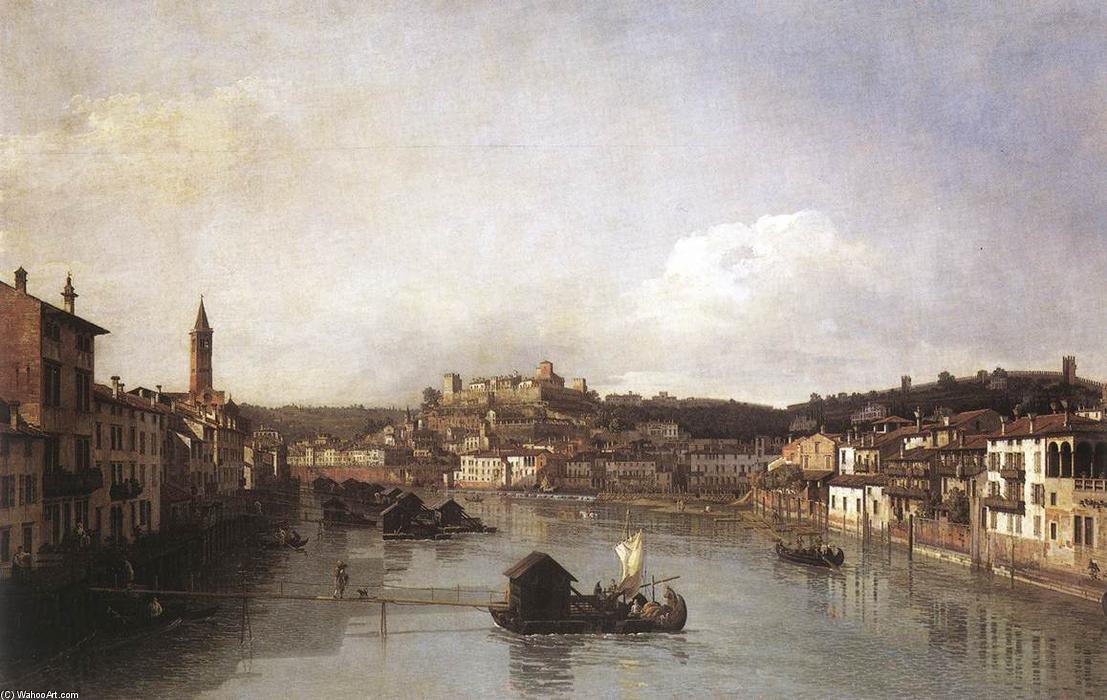
View of Verona and the River Adige from the Ponte Nuovo


 Читать далее
Приобретите цифровое изображение высокого разрешения в улучшенном качестве, которое значительно превосходит онлайн-превью.
Каждый файл тщательно подготавливается нашими специалистами с использованием передовых инструментов и экспертной ручной ретуши. Мы гарантируем исключительную четкость, точную цветопередачу и детальную проработку каждого изображения.
Финальный файл доставляется по электронной почте в течение 72 часов и оптимизирован для немедленного использования в профессиональной среде, при верстке и печати. Это тот же уровень качества, которому доверяют ведущие дизайнерские студии, издательства и галереи.
Цифровое изображение
Скачайте файл высокого разрешения для личного использования, печати и творческих проектов. ( Перейти к печати Купить картину ручной работы)
Включено в каждый заказ цифровых изображений
Гарантия экспертной цифровой доставки
Выбирая ArtsDot.com, вы получаете не просто изображение — вы приобретаете профессионально обработанное цифровое произведение искусства, созданное с безупречной точностью и под защитой гарантии качества. Вот всё, что автоматически входит в ваш заказ:

Мгновенная доставка по e-mail
Ваш цифровой файл в высоком разрешении будет отправлен вам по электронной почте в течение 72 часов после оформления заказа — и сразу станет доступен для использования.

Цифровой файл с ИИ-улучшением
Ваше произведение искусства проходит профессиональную оптимизацию с использованием передовых инструментов ИИ и ручной обработки, что гарантирует максимальную детализацию, четкость и точность цветопередачи.

Бессрочная бесплатная повторная доставка
Случайно удалили или потеряли файл? Не беспокойтесь — мы отправим его вам повторно в любое время и совершенно бесплатно.

Без импортных пошлин — навсегда
Наслаждайтесь вашим произведением искусства мгновенно без таможенных пошлин, сборов или затрат на доставку — цифровые загрузки всегда не облагаются налогом.

Гарантия точности цветопередачи
Мы гарантируем, что ваше цифровое изображение максимально точно передает оригинальные цвета благодаря использованию профессиональных инструментов и систем управления цветом.

Гарантия удовлетворенности 100 дней
Если вы не будете удовлетворены своим цифровым изображением, мы внесем правки или вернем 100% стоимости в течение 100 дней — без лишних вопросов.

100% Гарантия возврата средств
Не удовлетворены покупкой? Получите полный возврат средств в течение 100 дней после получения цифрового файла — без лишних вопросов.

Скидки на оптовые заказы
Купите 3 изображения, сэкономьте 10% — Купите 5, сэкономьте 15% — Купите 10+, сэкономьте 20%. Отличное решение для творческих проектов, галерей и агентств.
Bernardo Bellotto’s Verona: A Venetian Echo in Saxon Light
The canvas before you—"View of Verona and the River Adige from the Ponte Nuovo"—isn't merely a depiction of a city; it’s a carefully constructed memory, a distillation of light and atmosphere captured by Bernardo Bellotto in 1747. This remarkable veduta, or cityscape painting, transports us to the heart of Renaissance Verona, not as it was then, but as it *felt* – a vibrant, bustling hub viewed through the discerning eye of a Venetian master. Bellotto, a nephew and student of the celebrated Canaletto, possessed a unique gift: he didn’t simply record what he saw; he imbued his scenes with an emotional resonance, a sense of lived experience that elevates these paintings beyond simple topographical representations.
Bellotto's style is immediately recognizable – a harmonious blend of classical precision and subtle Venetian flair. He adheres to the conventions of 18th-century veduta painting, employing a flattened perspective characteristic of the era, yet he avoids the rigid formality often associated with this genre. Instead, he masterfully manipulates light and shadow, creating an illusion of depth that draws the viewer into the scene. The muted palette—earthy browns, ochres, and subtle blues—evokes the diffused light of a Venetian afternoon, lending the painting a dreamlike quality. Notice how the reflections shimmering on the river’s surface subtly mirror the buildings lining its banks, doubling the visual information and creating a captivating sense of spatial ambiguity.
The Ponte Nuovo: A Window into Daily Life
The focal point of this composition is undoubtedly the Ponte Nuovo itself – a vital artery connecting Verona to the surrounding countryside. Bellotto doesn’t present a grand architectural statement; rather, he focuses on the everyday life unfolding along its banks. Small boats navigate the waterway, carrying goods and passengers, while figures in period dress bustle about their business. The inclusion of details like the floating mills grinding corn speaks volumes about the city's economic activity and the rhythms of daily existence. This wasn’t a scene designed for royalty or nobility; it was a snapshot of Verona as experienced by its citizens.
The architectural elements—the Castel San Pietro, the Tower of Sant’Anastasia—are rendered with meticulous detail, reflecting Bellotto's training under Canaletto and his deep understanding of perspective. However, unlike Canaletto’s often idealized representations, Bellotto subtly introduces a sense of wear and tear, suggesting the passage of time and the realities of urban life. The buildings aren’t flawlessly pristine; they possess a certain weathered charm that adds to the painting's authenticity.
A Masterpiece in Context: Dresden and Beyond
Bellotto’s journey as an artist was marked by significant shifts in patronage and location. Initially working in Venice, he later accepted commissions from European monarchs, culminating in his tenure in Dresden under King August III of Saxony-Poland. This period proved particularly fruitful for Bellotto, allowing him to develop a distinctive style characterized by its atmospheric depth and nuanced use of light. The present painting was created during this time, reflecting the influence of his experiences in the East.
Interestingly, Bellotto’s Dresden views were intended to preserve the memory of the city before it was ravaged by Napoleon's armies. He meticulously documented its monuments and buildings, creating a visual record that served as both a historical archive and an artistic statement. This dedication to preserving beauty in the face of destruction is evident in the care with which Bellotto renders each detail in "View of Verona," capturing not just the appearance of the city but also its essence.
Symbolism and Emotional Resonance
Beyond its technical brilliance, “View of Verona” possesses a subtle yet powerful symbolic resonance. The painting speaks to the enduring spirit of Venice—a city renowned for its beauty, resilience, and artistic legacy—and its influence on Bellotto’s work. The river itself acts as a metaphor for time, flowing relentlessly onward while carrying with it the memories of generations past. The muted colors and diffused light evoke a sense of tranquility and contemplation, inviting the viewer to lose themselves in the scene's timeless beauty.
Bellotto’s mastery lies not just in his technical skill but also in his ability to capture the *feeling* of a place—the warmth of the sun on stone, the murmur of voices in the streets, the sense of belonging that comes from being part of a vibrant community. This painting is more than just a landscape; it’s an invitation to step into another world and experience Verona through the eyes of a Venetian master.
Похожие произведения

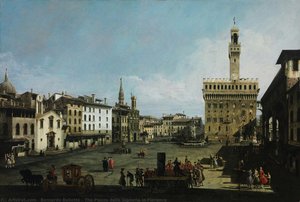
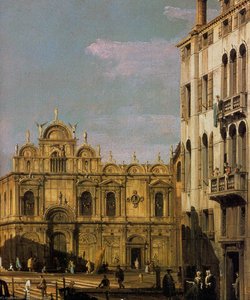
Биография художника
Ранние годы и обучение
Бернардо Беллотто, прославленный итальянский живописец, появился на свет в Венеции около 1721 года или 30 января 1721 года. Он был племянником и учеником знаменитого Джованни Антонио Каналетто, выдающейся фигуры в венецианской школе живописи.Художественный стиль и карьера
Стиль Беллотто отличался виртуозным изображением архитектурных и природных панорам, а также уникальной передачей освещения каждого места. Он был известен своим исключительным мастерством в улавливании самой сути городских пейзажей, что привело к приглашениям от различных европейских монархов.- Он путешествовал по Риму (1742), Северной Италии (1744-1745) и позднее перебрался в Дрезден (1747-1758) по велению короля Августа III Польского.
- Его работы в Дрездене сохранили красоту города до войны, которая была утрачена.
- Он получил приглашение от императрицы Марии Терезии работать в Вене (1758), где писал монументы города.
Значимые работы и наследие
Среди выдающихся произведений Беллотто:- Вид на Гранд-канал: Санта Мария делла Салюте и Догана с Кампо Санта Мария Зобениго (1743)
- Архитектурный каприччо с автопортретом Беллотто в костюме венецианского дворянина
Музеи и коллекции
Работы Беллотто можно найти в различных музеях, включая Пинакотеку Виченцы в Италии. Чтобы изучить больше его творчества, посетите [https://ArtsDot.com/@/bernardo bellotto](https://ArtsDot.com/@/bernardo bellotto) и откройте для себя мир искусства.Источники
* /ru/art/show/art-d3baj3-ru/ * [https://www.wikiart.org/en/bernardo-bellotto/](https://www.wikiart.org/en/bernardo-bellotto/) * [https://fr.wikipedia.org/wiki/bernardo_bellotto](https://fr.wikipedia.org/wiki/bernardo_bellotto)
Бернардо Беллотто
1721 - 1780 , Италия
Основные сведения
- Влияние Художника: ['Восстановление городов']
- Дата Рождения: ок. 1721/2 или 30 января 1721 г.
- Дата Смерти: 1780
- Известные Работы:
- Вид Гранд-канала
- Архитектурный каприччио
- Место Рождения: Венеция, Италия
- Национальность: Итальянец
- Полное Имя: Бернардо Беллотто
- Художественное Направление: Ведута
- Художники, Повлиявшие На Него: ['Джованни Каналетто']