

 Предпросмотр
 Поделиться
 Поделиться
 Детали произведения

 Скачать
 Похожие работы
 Рентгенография
 Слайд-шоу
 Статистика
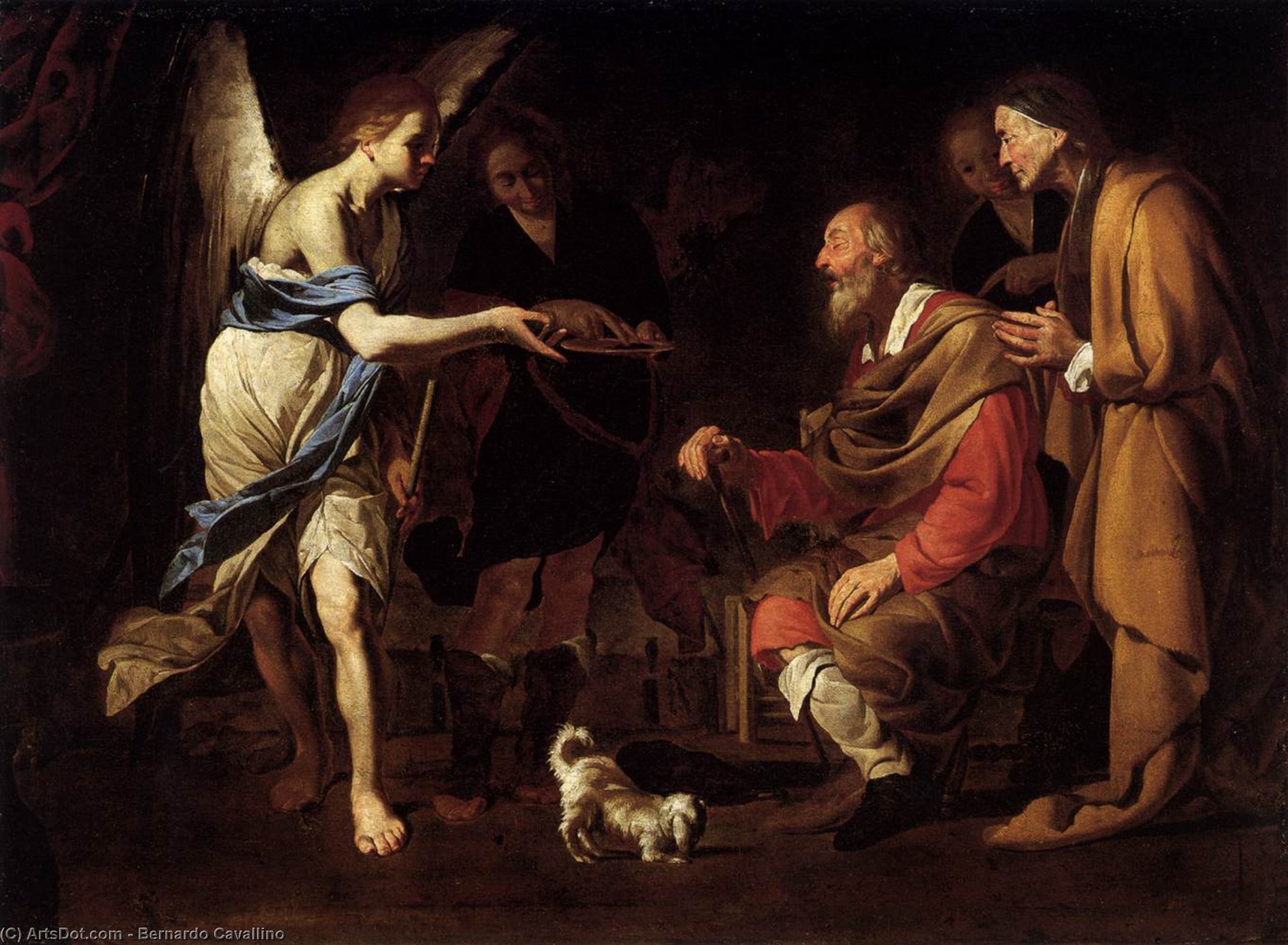
Curing of Tobias
 Oil On Canvas
- WallArt
- Baroque
 Early Modern
 76.0 x 103.0 cm
 Музей Прадо
 Читать далее
Масляная репродукция ручной работы
Картина маслом на холсте в выбранном вами размере и раме, написанная на заказ нашими художниками. ( Перейти к печати Перейти к цифровым изображениям)




P118B $10

P118H $10

P118W $10

P438Z $10

P508JH $12

P508YH $12

P805H $10

P805Z $10

P919BZ $10

P919G $10

P919XJ $10

P959ZH $10

P968JZ $12

W106C $8

W218G $10

W218JH $8

W218Y $10

W307PJ $10

W316G $10

W316PJ $8

W316Y $10

W398PJ $8

W4111J $10

W500HY $15

W500JH $15

W692G $12

W849H $8

W940BG $15

W953PJ $8




Выберите один из наших стандартных размеров, соответствующих оригинальным пропорциям произведения искусства.

Вы можете указать собственные размеры, чтобы картина идеально вписалась в выбранную раму или пространство. Если выбранный вами размер не соответствует пропорциям оригинала, мы либо обрежем полотно, либо расширим его за счет дополнительных элементов, написанных вручную. Цифровой макет будет отправлен вам на утверждение перед началом производства.
Обратите внимание, что предварительный просмотр на экране не отражает фактическую обрезку или расширение. Только макет точно покажет окончательную композицию.
Хотя доступны индивидуальные размеры, мы рекомендуем выбирать вариант из предопределенного списка, чтобы сохранить исходные пропорции.
После оформления заказа команда ArtsDot.com свяжется с клиентом по электронной почте для уточнения деталей и предоставит предварительный макет
Доставка по всему миру () за 3–4 недели вместо стандартных 5 недель. (10 Сентябрь). Без компромиссов в качестве.

Бесплатная экспресс-доставка по всему миру

Высококачественный льняной холст

Полное страхование доставки

Гарантия возмещения таможенных пошлин

Гарантия точного соответствия цветов

100-дневная политика возврата (только при обнаружении дефектов)

Гарантия возврата 100% средств

Предложение оптовых скидок
 Вариант со стеклом доступен только для размеров менее 110 см

Curing of Tobias
Техника репродукции
Размер репродукции
-


Итоговая стоимость
$ 263
A Divine Encounter in Shadow and Light
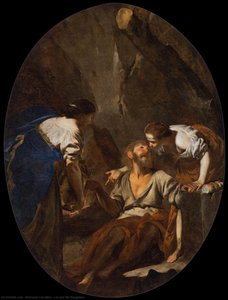
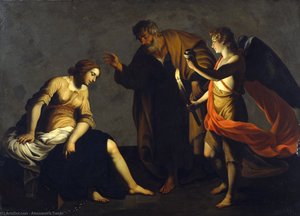
In the quiet, dramatic depths of Bernardo Cavallino’s Curing of Tobias, we are invited into a moment of profound spiritual intervention. This masterpiece, currently held within the prestigious Museo del Prado, serves as a breathtaking window into the biblical narrative found in the Book of Tobit. At the heart of the composition, an ethereal angel descends, his wings catching a celestial glow as he presents a fish to the seated Tobias. The scene is not merely a depiction of a miracle, but a study in human receptivity; Tobias gazes upon the divine messenger with an expression of attentive devotion, his posture suggesting a soul prepared for guidance. To the side, a silent observer anchors the scene in the earthly realm, adding a layer of narrative tension that draws the viewer into this sacred transaction.
The painting is a masterclass in the Baroque synthesis, where Cavallino achieves what many critics deem an extraordinary feat: the marriage of Caravaggio’s intense, brooding tenebrism with the lyrical, serene idealism reminiscent of Murillo. The background is swallowed by a velvety darkness, a characteristic use of shadow that allows the central figures to emerge with startling three-dimensionality. This interplay of light and dark—the classic chiaroscuro—does more than create depth; it directs our emotional focus, illuminating the textures of the angel's wings and the heavy folds of the characters' garments, making the miraculous feel tangibly present.
The Artistry of Neapolitan Baroque
To behold this work is to understand the unique artistic pulse of 17'th-century Naples. Cavallino, an enigmatic figure whose life remains as shrouded in mystery as his shadows, utilized a palette that feels both jewel-like and somber. He masterfully places vibrant accents of deep reds and brilliant blues against a predominantly dark tonality, creating a visual rhythm that keeps the eye dancing across the canvas. His technique reflects a sophisticated lineage, drawing from the monumental grandeur of Massimo Stanzione and the refined elegance of Anthony van Dyck. Every brushstroke contributes to a sense of theatrical sweetness, where the gravity of the biblical event is softened by a delicate, almost poetic grace.
For the discerning collector or interior designer, Curing of Tobias offers more than just historical significance; it provides a profound emotional anchor for any space. The painting’s ability to command attention through its dramatic tension and rich textures makes it an ideal centerpiece for those seeking to infuse a room with character, intellect, and a sense of timelessness. Whether viewed as a testament to the power of faith or as a triumph of Baroque light manipulation, this work remains a captivating jewel of Italian art history, offering an enduring inspiration that transcends the centuries.
Похожие произведения


Биография художника
Bernardo Cavallino: Naples’ Baroque Visionary
Bernardo Cavallino remains one of the most enigmatic and captivating figures in the history of Italian Baroque art. Born in Naples on August 25, 1616, he emerged from a city brimming with artistic fervor under the Habsburg reign, yet his life remains shrouded in much of the same mystery that surrounds his canvases. While biographical details are frustratingly sparse—leaving scholars to reconstruct his journey through circumstantial evidence and stylistic analysis—his surviving works speak with an undeniable brilliance. Cavallino possessed a singular talent for capturing dramatic tension, creating a visual language that felt both intensely personal and profoundly epic. His output may be remarkably sparse compared to the prolific masters of his era, but every brushstroke carries a weight of expressive power that has allowed him to endure in the annals of art history.
The foundations of Cavallino’s mastery were laid within the vibrant Neapolitan school, likely under the tutelage of Massimo Stanzione. This association was pivotal, as Stanzione was a titan of religious commission known for his monumental use of chiaroscuro. From this training, Cavallino inherited a profound understanding of the dramatic interplay between light and shadow, a technique that would become a cornerstone of his identity. His visual vocabulary was further enriched by connections to artists like Andrea Vaccaro, fostering a collaborative spirit that expanded his technical range. Perhaps most transformative, however, was the influence of Anthony van Dyck. By absorbing the elegance and sophisticated portraiture of the Flemish master, Cavallical introduced a refined, almost lyrical aesthetic into the rugged Neapolitan tradition, creating a unique synthesis of styles.
A Synthesis of Light and Emotion
What distinguishes Cavallino from his contemporaries is his ability to bridge two seemingly opposing worlds: the gritty, shadow-drenched tenebrism of Caravaggio and the serene, luminous idealism found in the works of Murillo. This stylistic alchemy allowed him to depict scenes of profound spiritual ecstasy and harrowing human suffering with equal grace. His technique was never merely about imitation; it was about emotional resonance. In his hands, light does not just illuminate a scene—it sanctifies it or exposes the raw vulnerability of his subjects.
This mastery is perhaps most evident in his celebrated biblical and hagiographic compositions:
- The Curing of Tobias: Painted between 1640 and 1644, this work serves as a radiant example of his ability to use meticulous detail and masterful light to breathe life into sacred narratives.
- Lot and His Daughters: In this 1644 masterpiece, Cavallino presents a hauntingly desolate landscape, using the starkness of the cave setting to emphasize the psychological weight of the biblical tale.
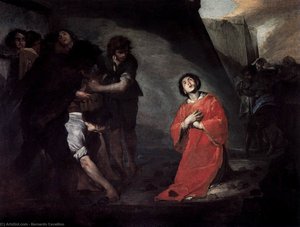
- The Martyrdom of St. Stephen: Here, the artist reaches the height of Baroque drama, blending intense shadows with a sense of divine presence to explore the intersection of faith and mortal agony.
Legacy and Historical Significance
Though his life was cut short in 1656—a year marked by tragedy in Naples—Cavallino left behind a legacy that continues to fascinate art historians. He did not merely follow the trends of the Neapolitan Baroque; he refined them, injecting a sense of intimacy and poetic elegance into a genre often characterized by grandiosity. His ability to balance the heavy shadows of the Caravaggesque tradition with a delicate, almost ethereal light source created a bridge between the intense realism of the early 17th century and the more decorative, emotive styles that followed.
Today, Cavallino is remembered as an artist of profound sensitivity. His works, housed in prestigious institutions such as the Museo del Prado in Madrid, serve as windows into a period of intense spiritual and artistic transition. He remains a master of the "small-scale" masterpiece, proving that even within a limited body of work, an artist can capture the infinite complexities of the human soul through the careful manipulation of light, shadow, and grace.
Bernardo Cavallino
1616 - 1656 , Italy
Основные сведения
- Artistic Movement Or Style: Baroque Painting
- Artists Or Movements Influenced By This Artist:
- Caravaggio
- Bartolomé Esteban Murillo
- Artists Who Influenced This Artist:
- Massimo Stanzione
- Andrea Vaccaro
- Anthony van Dyck
- Date Of Birth: August 25, 1616
- Date Of Death: 1656
- Full Name: Bernardo Cavallino
- Nationality: Italian
- Notable Artworks:
- The Blessed Virgin at the Brera Gallery
- St Cecilia Ecstasy
- Esther and Ahaseurus
- Place Of Birth: Naples, Italy
Похожие статьи

Барочная драма: Искусство величия в современном интерьере
Погрузитесь в мир роскоши и величия барокко! Узнайте об истории стиля, ключевых элементах интерьера и архитектуре. Вдохновляйтесь с и создайте свой неповторимый дизайн.

The Visceral Stage: Exploring Dramatic Narratives & Emotional Intensity in Baroque Art
Explore the dramatic world of Baroque art! Discover iconic masters like Caravaggio & Rembrandt, their techniques, and the movement's lasting impact. Expert insights for collectors & enthusiasts at ArtsDot.
Simon Vouet: A Baroque Master's Journey from Italian Influence to French Classicism
Explore the life & art of Simon Vouet, a pivotal French Baroque painter who introduced Italian styles to France. Discover his masterpieces and lasting influence on 17th-century art.

The Dramatic Flourish: Exploring the Baroque Movement's Enduring Legacy in Art History
Explore the dramatic world of Baroque art! Discover iconic artists like Caravaggio & Rubens, defining techniques, and its lasting impact on art history. Expert insights for collectors & enthusiasts at ArtsDot.

10 Шедевров Барокко: Искусство, изменившее мир | ArtsDot.com
Погрузитесь в мир барокко! 10 шедевров Караваджо, Рембрандта и других великих художников. Узнайте историю создания культовых картин и найдите идеальную репродукцию для вашего интерьера на ArtsDot.com