

 Предпросмотр
 Поделиться
 Поделиться
 Детали произведения

 Скачать
 Похожие работы
 Рентгенография
 Слайд-шоу
 Статистика
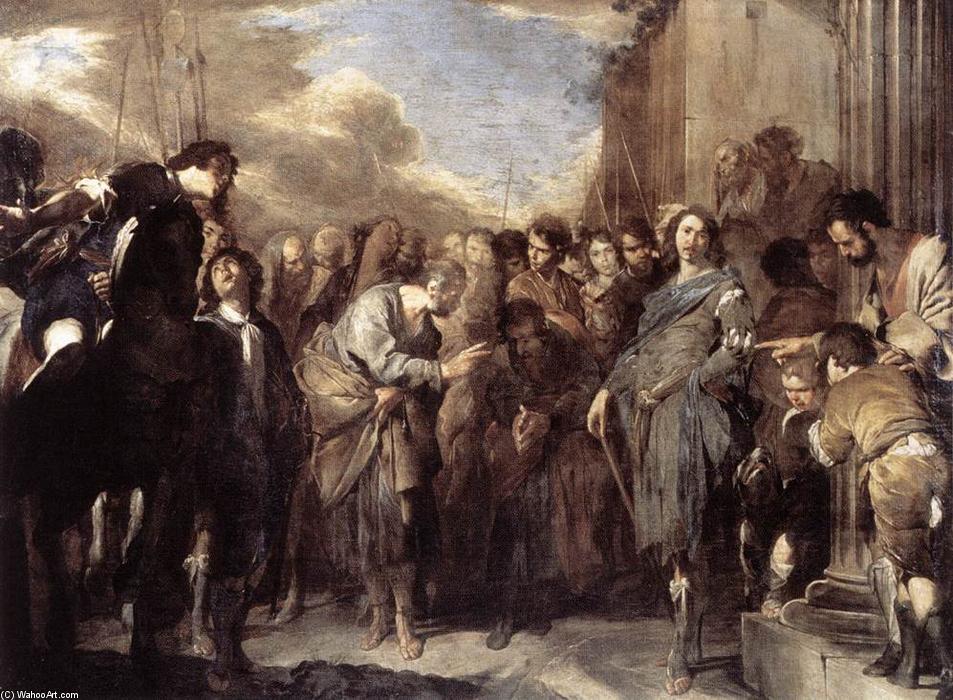
St Peter and Cornelius the Centurion
 1640
1640 102.0 x 127.0 cm
 Галерея Национа́льная д’Арте Анта́йка
 Читать далее
Приобретите цифровое изображение высокого разрешения в улучшенном качестве, которое значительно превосходит онлайн-превью.
Каждый файл тщательно подготавливается нашими специалистами с использованием передовых инструментов и экспертной ручной ретуши. Мы гарантируем исключительную четкость, точную цветопередачу и детальную проработку каждого изображения.
Финальный файл доставляется по электронной почте в течение 72 часов и оптимизирован для немедленного использования в профессиональной среде, при верстке и печати. Это тот же уровень качества, которому доверяют ведущие дизайнерские студии, издательства и галереи.
Цифровое изображение
Скачайте файл высокого разрешения для личного использования, печати и творческих проектов. ( Перейти к печати Купить картину ручной работы)
Включено в каждый заказ цифровых изображений
Гарантия экспертной цифровой доставки
Выбирая ArtsDot.com, вы получаете не просто изображение — вы приобретаете профессионально обработанное цифровое произведение искусства, созданное с безупречной точностью и под защитой гарантии качества. Вот всё, что автоматически входит в ваш заказ:

Мгновенная доставка по e-mail
Ваш цифровой файл в высоком разрешении будет отправлен вам по электронной почте в течение 72 часов после оформления заказа — и сразу станет доступен для использования.

Цифровой файл с ИИ-улучшением
Ваше произведение искусства проходит профессиональную оптимизацию с использованием передовых инструментов ИИ и ручной обработки, что гарантирует максимальную детализацию, четкость и точность цветопередачи.

Бессрочная бесплатная повторная доставка
Случайно удалили или потеряли файл? Не беспокойтесь — мы отправим его вам повторно в любое время и совершенно бесплатно.

Без импортных пошлин — навсегда
Наслаждайтесь вашим произведением искусства мгновенно без таможенных пошлин, сборов или затрат на доставку — цифровые загрузки всегда не облагаются налогом.

Гарантия точности цветопередачи
Мы гарантируем, что ваше цифровое изображение максимально точно передает оригинальные цвета благодаря использованию профессиональных инструментов и систем управления цветом.

Гарантия удовлетворенности 100 дней
Если вы не будете удовлетворены своим цифровым изображением, мы внесем правки или вернем 100% стоимости в течение 100 дней — без лишних вопросов.

100% Гарантия возврата средств
Не удовлетворены покупкой? Получите полный возврат средств в течение 100 дней после получения цифрового файла — без лишних вопросов.

Скидки на оптовые заказы
Купите 3 изображения, сэкономьте 10% — Купите 5, сэкономьте 15% — Купите 10+, сэкономьте 20%. Отличное решение для творческих проектов, галерей и агентств.
Похожие произведения






Биография художника
Bernardo Cavallino: Naples’ Baroque Visionary
Bernardo Cavallino remains one of the most enigmatic and captivating figures in the history of Italian Baroque art. Born in Naples on August 25, 1616, he emerged from a city brimming with artistic fervor under the Habsburg reign, yet his life remains shrouded in much of the same mystery that surrounds his canvases. While biographical details are frustratingly sparse—leaving scholars to reconstruct his journey through circumstantial evidence and stylistic analysis—his surviving works speak with an undeniable brilliance. Cavallino possessed a singular talent for capturing dramatic tension, creating a visual language that felt both intensely personal and profoundly epic. His output may be remarkably sparse compared to the prolific masters of his era, but every brushstroke carries a weight of expressive power that has allowed him to endure in the annals of art history.
The foundations of Cavallino’s mastery were laid within the vibrant Neapolitan school, likely under the tutelage of Massimo Stanzione. This association was pivotal, as Stanzione was a titan of religious commission known for his monumental use of chiaroscuro. From this training, Cavallino inherited a profound understanding of the dramatic interplay between light and shadow, a technique that would become a cornerstone of his identity. His visual vocabulary was further enriched by connections to artists like Andrea Vaccaro, fostering a collaborative spirit that expanded his technical range. Perhaps most transformative, however, was the influence of Anthony van Dyck. By absorbing the elegance and sophisticated portraiture of the Flemish master, Cavallical introduced a refined, almost lyrical aesthetic into the rugged Neapolitan tradition, creating a unique synthesis of styles.
A Synthesis of Light and Emotion
What distinguishes Cavallino from his contemporaries is his ability to bridge two seemingly opposing worlds: the gritty, shadow-drenched tenebrism of Caravaggio and the serene, luminous idealism found in the works of Murillo. This stylistic alchemy allowed him to depict scenes of profound spiritual ecstasy and harrowing human suffering with equal grace. His technique was never merely about imitation; it was about emotional resonance. In his hands, light does not just illuminate a scene—it sanctifies it or exposes the raw vulnerability of his subjects.
This mastery is perhaps most evident in his celebrated biblical and hagiographic compositions:
- The Curing of Tobias: Painted between 1640 and 1644, this work serves as a radiant example of his ability to use meticulous detail and masterful light to breathe life into sacred narratives.
- Lot and His Daughters: In this 1644 masterpiece, Cavallino presents a hauntingly desolate landscape, using the starkness of the cave setting to emphasize the psychological weight of the biblical tale.
- The Martyrdom of St. Stephen: Here, the artist reaches the height of Baroque drama, blending intense shadows with a sense of divine presence to explore the intersection of faith and mortal agony.
Legacy and Historical Significance
Though his life was cut short in 1656—a year marked by tragedy in Naples—Cavallino left behind a legacy that continues to fascinate art historians. He did not merely follow the trends of the Neapolitan Baroque; he refined them, injecting a sense of intimacy and poetic elegance into a genre often characterized by grandiosity. His ability to balance the heavy shadows of the Caravaggesque tradition with a delicate, almost ethereal light source created a bridge between the intense realism of the early 17th century and the more decorative, emotive styles that followed.
Today, Cavallino is remembered as an artist of profound sensitivity. His works, housed in prestigious institutions such as the Museo del Prado in Madrid, serve as windows into a period of intense spiritual and artistic transition. He remains a master of the "small-scale" masterpiece, proving that even within a limited body of work, an artist can capture the infinite complexities of the human soul through the careful manipulation of light, shadow, and grace.
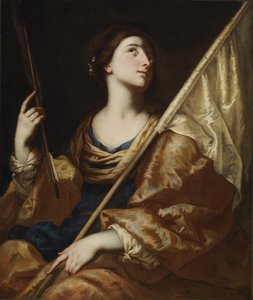
Bernardo Cavallino
1616 - 1656 , Italy
Основные сведения
- Artistic Movement Or Style: Baroque Painting
- Artists Or Movements Influenced By This Artist:
- Caravaggio
- Bartolomé Esteban Murillo
- Artists Who Influenced This Artist:
- Massimo Stanzione
- Andrea Vaccaro
- Anthony van Dyck
- Date Of Birth: August 25, 1616
- Date Of Death: 1656
- Full Name: Bernardo Cavallino
- Nationality: Italian
- Notable Artworks:
- The Blessed Virgin at the Brera Gallery
- St Cecilia Ecstasy
- Esther and Ahaseurus
- Place Of Birth: Naples, Italy