

 Предпросмотр
 Поделиться
 Поделиться
 Детали произведения

 Скачать
 Похожие работы
 Рентгенография
 Слайд-шоу
 Статистика
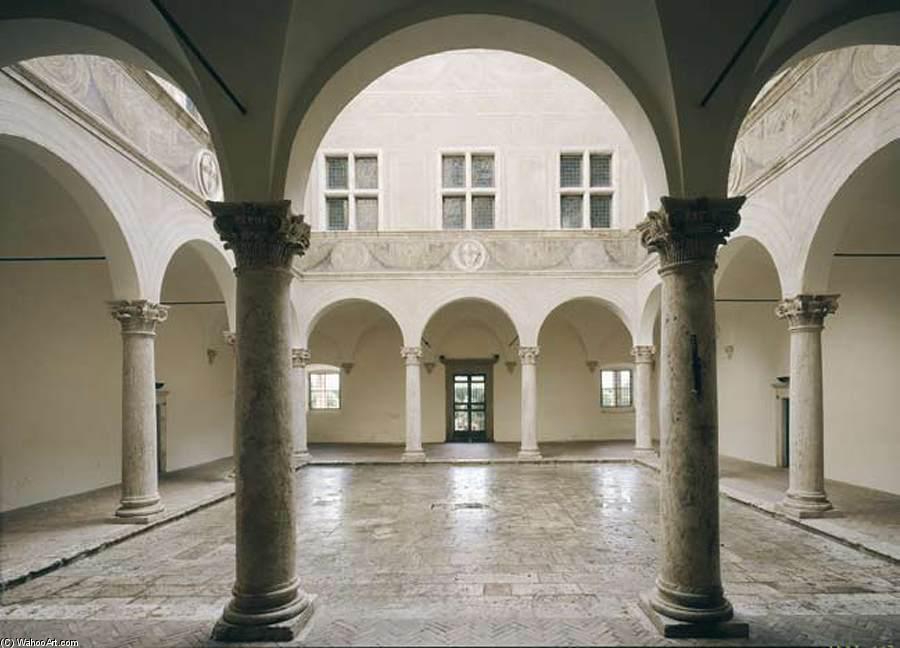
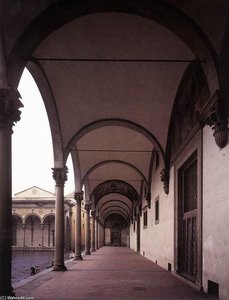
Courtyard


 Читать далее
Масляная репродукция ручной работы
Картина маслом на холсте в выбранном вами размере и раме, написанная на заказ нашими художниками. ( Перейти к печати Перейти к цифровым изображениям)




P118B $10

P118H $10

P118W $10

P438Z $10

P508JH $12

P508YH $12

P805H $10

P805Z $10

P919BZ $10

P919G $10

P919XJ $10

P959ZH $10

P968JZ $12

W106C $8

W218G $10

W218JH $8

W218Y $10

W307PJ $10

W316G $10

W316PJ $8

W316Y $10

W398PJ $8

W4111J $10

W500HY $15

W500JH $15

W692G $12

W849H $8

W940BG $15

W953PJ $8




Выберите один из наших стандартных размеров, соответствующих оригинальным пропорциям произведения искусства.

Вы можете указать собственные размеры, чтобы картина идеально вписалась в выбранную раму или пространство. Если выбранный вами размер не соответствует пропорциям оригинала, мы либо обрежем полотно, либо расширим его за счет дополнительных элементов, написанных вручную. Цифровой макет будет отправлен вам на утверждение перед началом производства.
Обратите внимание, что предварительный просмотр на экране не отражает фактическую обрезку или расширение. Только макет точно покажет окончательную композицию.
Хотя доступны индивидуальные размеры, мы рекомендуем выбирать вариант из предопределенного списка, чтобы сохранить исходные пропорции.
После оформления заказа команда ArtsDot.com свяжется с клиентом по электронной почте для уточнения деталей и предоставит предварительный макет
Доставка по всему миру () за 3–4 недели вместо стандартных 5 недель. (10 Сентябрь). Без компромиссов в качестве.

Бесплатная экспресс-доставка по всему миру

Высококачественный льняной холст

Полное страхование доставки

Гарантия возмещения таможенных пошлин

Гарантия точного соответствия цветов

100-дневная политика возврата (только при обнаружении дефектов)

Гарантия возврата 100% средств

Предложение оптовых скидок
 Вариант со стеклом доступен только для размеров менее 110 см

Courtyard
Техника репродукции
Размер репродукции
-


Итоговая стоимость
$ 263
A Glimpse of Pienza’s Heart: Bernardo Rossellino's Courtyard
Bernardo Rossellino’s “Courtyard,” painted in 1459, isn’t merely a depiction of an outdoor space; it’s a carefully orchestrated tableau of Renaissance ideals – a harmonious blend of classical geometry, humanist philosophy, and the burgeoning spirit of civic pride. Created during his tenure as Master of Works for the Palazzo Piccolomini in Pienza, Italy, this painting offers a serene window into the heart of a planned city, reflecting the ambition and artistic vision of Pope Pius II.
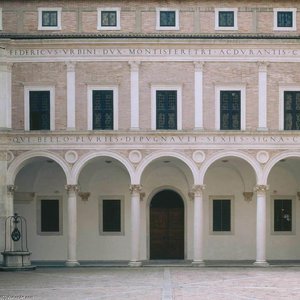
The scene unfolds within a meticulously designed courtyard, its proportions echoing the principles of Vitruvius’s architectural treatise. The dominant form is a square, bisected by an elegant arcade – a deliberate nod to Roman precedents, yet imbued with a distinctly Florentine sensibility. Notice the careful balance between the solid strength of the stone arches and the lightness suggested by their open spaces; this interplay speaks directly to the Renaissance fascination with achieving perfect harmony between opposing forces.
Architectural Echoes: The Palazzo Piccolomini and its Context
To fully appreciate “Courtyard,” one must understand its setting. Pienza, envisioned as a new humanist city by Pope Pius II, was designed to emulate the grandeur of ancient Rome. Rossellino’s work here wasn't isolated; it was integral to the overall urban plan. The Palazzo Piccolomini, with its carefully considered layout and architectural details, served as a model for the entire city. The courtyard itself became a focal point, a space designed for contemplation, social interaction, and a connection to nature – values deeply rooted in humanist thought.
Rossellino’s design incorporates elements of both Gothic and Renaissance styles. The robust arches, reminiscent of Roman structures, are softened by the delicate detailing of the columns— Corinthian capitals, a hallmark of classical architecture. This fusion reflects the artistic trends of the time, where older traditions were reinterpreted through a new humanist lens. The light filtering through the arches creates an atmosphere of tranquility and invites the viewer to step into this idealized space.
Symbolism and Humanist Ideals
Beyond its architectural merits, “Courtyard” is rich in symbolism. The courtyard represents more than just a physical space; it embodies the humanist ideal of *vita activa* – an active life focused on civic engagement and intellectual pursuits. The open space encourages interaction and dialogue, reflecting the Renaissance emphasis on human potential and the importance of community.
Furthermore, the painting’s composition subtly references classical mythology. The careful arrangement of elements—the arches, the columns, the light—evokes images of Roman gardens and temples, suggesting a connection to the glories of antiquity. Rossellino was deeply influenced by the rediscovery of classical texts and art during the Renaissance, and this influence is evident in every detail of the painting.
A Masterpiece of Realism and Light
Rossellino’s skill as a painter is equally impressive. He captures the textures of stone, the play of light on surfaces, and the subtle nuances of color with remarkable precision. The scene feels remarkably real, inviting the viewer to step into this idealized space. The soft lighting, diffused by the arches, creates an atmosphere of serenity and tranquility – a testament to Rossellino’s mastery of chiaroscuro, the technique of using light and shadow to create depth and drama.
“Courtyard” is more than just a painting; it's a window into the Renaissance mind—a celebration of human ingenuity, civic pride, and the enduring beauty of classical ideals. Reproductions of this masterpiece offer a chance to bring this serene vision into your own home, serving as a constant reminder of the power of art to inspire and uplift.
Похожие произведения


Биография художника
Bernardo Rossellino: The Florentine Renaissance Architect
Bernardo di Matteo del Borra Gamberelli, affectionately known as Bernardo Rossellino (1409–1464), stands as a cornerstone of Early Renaissance art and architecture in Florence. His legacy extends far beyond his prolific output; he embodies the spirit of innovation and humanist ideals that defined the era, shaping artistic sensibilities for generations to come. Born into a family rooted in Florentine stonemasonry—his uncle Jacopo di Domenico di Luca del Borra Gamberelli imparted foundational skills—Rossellino’s trajectory mirrored the burgeoning dynamism of his time. Early Life and Training: Little is known about Rossellino's formative years beyond his familial connection to stonemasonry. However, evidence suggests he honed his craft under Nanni di Bartolo, “il Rosso,” a pivotal figure in Florentine sculpture who championed classical ideals. This mentorship instilled within him a profound appreciation for the aesthetic principles of antiquity—a conviction that would become central to his artistic endeavors throughout his career. The Influence of Brunelleschi and Masaccio: Like many artists of his generation, Rossellino absorbed the revolutionary aesthetic pioneered by Filippo Brunelleschi and Masaccio. Their audacious embrace of linear perspective and idealized human form fundamentally reshaped artistic vision—a paradigm shift that irrevocably altered the course of Renaissance art. Brunelleschi’s mastery of geometry and proportion served as an inspiration for Rossellino, while Masaccio's groundbreaking frescoes demonstrated the power of illusionistic technique—elements he skillfully integrated into his own architectural designs. Arezzo and the Misericordia Facade: A Bold Experiment in Synthesis Rossellino’s career gained prominence in 1433 when he accepted a commission from the Fraternita di Santa Maria della Misericordia to revitalize the façade of their headquarters in Arezzo. This project presented an extraordinary challenge—the existing Gothic structure demanded a radically different approach. Demonstrrating remarkable ingenuity, Rossellino fused Gothic elements with classical principles, mirroring Alberti’s pioneering efforts at Santa Maria Novella. The resulting design incorporated paired pilasters and aediculae derived from Roman architectural models, establishing Rossellino as a champion of stylistic eclecticism—a hallmark of the Florentine Mannerist style. This daring fusion symbolized the Renaissance spirit of reconciling tradition with innovation—a testament to Rossellino’s artistic vision. Leonardo Bruni's Tomb: Defining the Humanist Monument Perhaps Rossellino’s most celebrated achievement was the tomb he conceived for Leonardo Bruni, Florence’s humanist historian and chancellor. Despite the lack of surviving documentation regarding its precise design—two sixteenth-century sources attribute authorship to Rossellino—scholars concur that it exemplifies the zenith of Renaissance sculptural artistry. The tomb’s harmonious composition—characterized by a shallow wall niche framed by pilasters and topped with an arched vault—reflected Bruni's intellectual pursuits and embodied the humanist ideal of unity—a concept championed by Alberti. This monumental undertaking solidified Rossellino’s reputation as Florence’s foremost sculptor and cemented his place in art history. Rome and Papal Patronage: Mastering Classical Revival Rossellino’s artistic reputation soared during his tenure in Rome under Pope Nicholas V. He undertook monumental projects, including the restoration of St. Peter's Basilica and the expansion of its choir—tasks that cemented his position as a leading architect of the era. Furthermore, he collaborated with Michelangelo on the rebuilding of St. Peter's, demonstrating an unparalleled understanding of classical architectural techniques. His involvement in this ambitious undertaking underscored his commitment to reviving the grandeur of antiquity and reaffirmed his status as one of the most influential artists of his time. Legacy and Influence: Shaping Artistic Sensibilities for Generations Bernardo Rossellino’s workshop dominated Florentine stonemasonry throughout the 1450s and 1464—his death marking the end of an era. His influence extended beyond his own creations—he mentored younger sculptors like Desiderio da Settignano and Michelangelo—propagating his distinctive Mannerist style across Florence. Most notably, Rossellino’s tomb for Bruni served as a template for subsequent funerary monuments, establishing him as the progenitor of the humanist tomb tradition—a testament to his enduring contribution to Renaissance art history. His work continues to inspire artists today, demonstrating the timeless beauty and intellectual depth of Early Renaissance sculpture and architecture.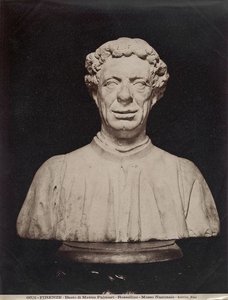
Бернардо Росселлино
1409 - 1464 , Италия
Основные сведения
- Artistic Movement Or Style: Ранний Ренессанс
- Artists Or Movements Influenced By This Artist: ['Альберти']
- Artists Who Influenced This Artist:
- Филиппо Брунеллески
- Нанни ди Бартоло
- Date Of Birth: Florence, Italy (1409)
- Date Of Death: 1464
- Full Name: Bernardo di Matteo del Borra Gamberelli
- Nationality: Итальянский
- Notable Artworks:
- Могила Леонардо Бруни
- Фасад Милосердия в Ареццо
- Place Of Birth: Florence
Похожие статьи
Bernardo Bellotto: Canaletto's Nephew & Master of Veduta Painting – A Comprehensive Exploration
Explore the life & art of Bernardo Bellotto, Canaletto’s nephew and a master of veduta painting. Discover his stunning cityscapes of Dresden & Warsaw, artistic techniques, and lasting legacy. Expert insights for collectors.
Bring Renaissance Italy Home: Timeless Masterpieces to Transform Your Space with Elegance and Soul
Transform your home with the elegance of Renaissance Italy. Discover museum-quality, hand-painted oil reproductions and custom portraits designed to bring timeless beauty, dramatic light, and classical sophistication to any modern interior space.