

 Предпросмотр
 Поделиться
 Поделиться
 Детали произведения

 Скачать
 Похожие работы
 Рентгенография
 Слайд-шоу
 Статистика
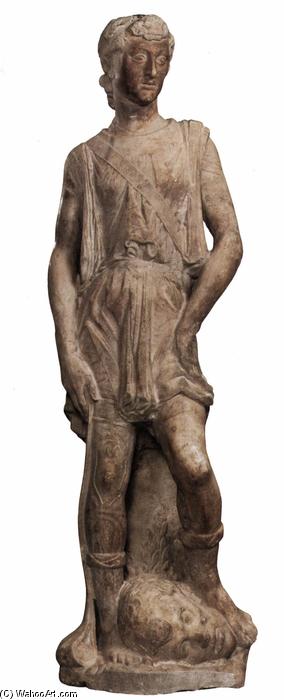
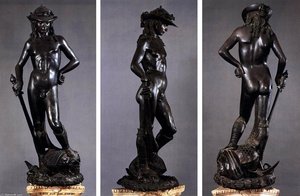
The David of the Casa Martelli


 Читать далее
Масляная репродукция ручной работы
Картина маслом на холсте в выбранном вами размере и раме, написанная на заказ нашими художниками. ( Перейти к печати Перейти к цифровым изображениям)




P118B $10

P118H $10

P118W $10

P438Z $10

P508JH $12

P508YH $12

P805H $10

P805Z $10

P919BZ $10

P919G $10

P919XJ $10

P959ZH $10

P968JZ $12

W106C $8

W218G $10

W218JH $8

W218Y $10

W307PJ $10

W316G $10

W316PJ $8

W316Y $10

W398PJ $8

W4111J $10

W500HY $15

W500JH $15

W692G $12

W849H $8

W940BG $15

W953PJ $8




Выберите один из наших стандартных размеров, соответствующих оригинальным пропорциям произведения искусства.

Вы можете указать собственные размеры, чтобы картина идеально вписалась в выбранную раму или пространство. Если выбранный вами размер не соответствует пропорциям оригинала, мы либо обрежем полотно, либо расширим его за счет дополнительных элементов, написанных вручную. Цифровой макет будет отправлен вам на утверждение перед началом производства.
Обратите внимание, что предварительный просмотр на экране не отражает фактическую обрезку или расширение. Только макет точно покажет окончательную композицию.
Хотя доступны индивидуальные размеры, мы рекомендуем выбирать вариант из предопределенного списка, чтобы сохранить исходные пропорции.
После оформления заказа команда ArtsDot.com свяжется с клиентом по электронной почте для уточнения деталей и предоставит предварительный макет
Доставка по всему миру () за 3–4 недели вместо стандартных 5 недель. (13 Сентябрь). Без компромиссов в качестве.

Бесплатная экспресс-доставка по всему миру

Высококачественный льняной холст

Полное страхование доставки

Гарантия возмещения таможенных пошлин

Гарантия точного соответствия цветов

100-дневная политика возврата (только при обнаружении дефектов)

Гарантия возврата 100% средств

Предложение оптовых скидок
 Вариант со стеклом доступен только для размеров менее 110 см

The David of the Casa Martelli
Техника репродукции
Размер репродукции
-


Итоговая стоимость
$ 263
The David of the Casa Martelli: A Testament to Classical Revival
Bernardo Rossellino’s “David of the Casa Martelli,” created circa 1461/1479, stands as a poignant emblem of Florence during its Renaissance zenith. More than just a sculpture—it's a distillation of humanist ideals and a masterful demonstration of artistic innovation—reflecting the profound influence exerted by figures like Brunelleschi and Masaccio on shaping Florentine art.
- Subject Matter: The statue portrays a youthful male figure, likely conceived as an allegorical representation of David slaying Goliath. This biblical narrative resonated deeply within Renaissance humanist thought, emphasizing courage, faith, and triumph over adversity—themes central to the era’s intellectual landscape.
- Style & Technique: Rossellino adhered rigorously to classical sculptural conventions, prioritizing anatomical accuracy and idealized beauty. The terracotta material was chosen for its durability and ability to capture subtle nuances of texture, mirroring the meticulous craftsmanship characteristic of Roman sculpture. The sculptor skillfully employed a technique combining modeling and carving, resulting in an astonishing level of detail that captures the essence of human form.
The Casa Martelli’s David is not merely aesthetically pleasing; it embodies a deliberate stylistic choice—a conscious return to the grandeur of antiquity after the Gothic period dominated European art for centuries. This revival signaled a renewed appreciation for Greco-Roman ideals and served as inspiration for artists across Italy.
- Historical Context: Rossellino’s work flourished during Lorenzo de Medici's reign, marking a period of artistic flourishing fueled by patronage and intellectual curiosity. The sculpture reflects the humanist preoccupation with human anatomy and proportion—a cornerstone of Renaissance art education—demonstrating the transformative impact of rediscovered classical texts on artistic practice.
- Texture & Detail: Observe the remarkable surface texture; it’s deliberately roughened, mirroring the weathered appearance of original terracotta sculptures. Cracks and staining are not defects but integral elements contributing to its visual character and conveying a palpable sense of history—a testament to time's passage and the enduring power of artistic legacy.
Ultimately, “David of the Casa Martelli” transcends mere representation; it communicates an emotional resonance rooted in stillness and contemplation. The statue’s serene expression invites viewers to contemplate themes of courage, resilience, and moral fortitude—values that continue to inspire admiration centuries later.
- Symbolism: David symbolizes divine protection and victory over evil – a powerful visual metaphor reflecting the humanist conviction in human potential for greatness.
Похожие произведения
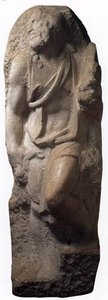
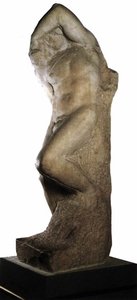
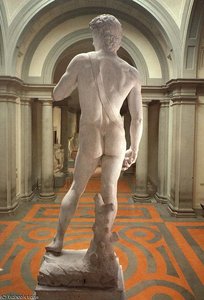
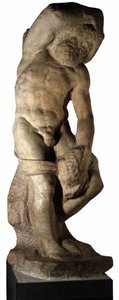
Биография художника
Bernardo Rossellino: The Florentine Renaissance Architect
Bernardo di Matteo del Borra Gamberelli, affectionately known as Bernardo Rossellino (1409–1464), stands as a cornerstone of Early Renaissance art and architecture in Florence. His legacy extends far beyond his prolific output; he embodies the spirit of innovation and humanist ideals that defined the era, shaping artistic sensibilities for generations to come. Born into a family rooted in Florentine stonemasonry—his uncle Jacopo di Domenico di Luca del Borra Gamberelli imparted foundational skills—Rossellino’s trajectory mirrored the burgeoning dynamism of his time. Early Life and Training: Little is known about Rossellino's formative years beyond his familial connection to stonemasonry. However, evidence suggests he honed his craft under Nanni di Bartolo, “il Rosso,” a pivotal figure in Florentine sculpture who championed classical ideals. This mentorship instilled within him a profound appreciation for the aesthetic principles of antiquity—a conviction that would become central to his artistic endeavors throughout his career. The Influence of Brunelleschi and Masaccio: Like many artists of his generation, Rossellino absorbed the revolutionary aesthetic pioneered by Filippo Brunelleschi and Masaccio. Their audacious embrace of linear perspective and idealized human form fundamentally reshaped artistic vision—a paradigm shift that irrevocably altered the course of Renaissance art. Brunelleschi’s mastery of geometry and proportion served as an inspiration for Rossellino, while Masaccio's groundbreaking frescoes demonstrated the power of illusionistic technique—elements he skillfully integrated into his own architectural designs. Arezzo and the Misericordia Facade: A Bold Experiment in Synthesis Rossellino’s career gained prominence in 1433 when he accepted a commission from the Fraternita di Santa Maria della Misericordia to revitalize the façade of their headquarters in Arezzo. This project presented an extraordinary challenge—the existing Gothic structure demanded a radically different approach. Demonstrrating remarkable ingenuity, Rossellino fused Gothic elements with classical principles, mirroring Alberti’s pioneering efforts at Santa Maria Novella. The resulting design incorporated paired pilasters and aediculae derived from Roman architectural models, establishing Rossellino as a champion of stylistic eclecticism—a hallmark of the Florentine Mannerist style. This daring fusion symbolized the Renaissance spirit of reconciling tradition with innovation—a testament to Rossellino’s artistic vision. Leonardo Bruni's Tomb: Defining the Humanist Monument Perhaps Rossellino’s most celebrated achievement was the tomb he conceived for Leonardo Bruni, Florence’s humanist historian and chancellor. Despite the lack of surviving documentation regarding its precise design—two sixteenth-century sources attribute authorship to Rossellino—scholars concur that it exemplifies the zenith of Renaissance sculptural artistry. The tomb’s harmonious composition—characterized by a shallow wall niche framed by pilasters and topped with an arched vault—reflected Bruni's intellectual pursuits and embodied the humanist ideal of unity—a concept championed by Alberti. This monumental undertaking solidified Rossellino’s reputation as Florence’s foremost sculptor and cemented his place in art history. Rome and Papal Patronage: Mastering Classical Revival Rossellino’s artistic reputation soared during his tenure in Rome under Pope Nicholas V. He undertook monumental projects, including the restoration of St. Peter's Basilica and the expansion of its choir—tasks that cemented his position as a leading architect of the era. Furthermore, he collaborated with Michelangelo on the rebuilding of St. Peter's, demonstrating an unparalleled understanding of classical architectural techniques. His involvement in this ambitious undertaking underscored his commitment to reviving the grandeur of antiquity and reaffirmed his status as one of the most influential artists of his time. Legacy and Influence: Shaping Artistic Sensibilities for Generations Bernardo Rossellino’s workshop dominated Florentine stonemasonry throughout the 1450s and 1464—his death marking the end of an era. His influence extended beyond his own creations—he mentored younger sculptors like Desiderio da Settignano and Michelangelo—propagating his distinctive Mannerist style across Florence. Most notably, Rossellino’s tomb for Bruni served as a template for subsequent funerary monuments, establishing him as the progenitor of the humanist tomb tradition—a testament to his enduring contribution to Renaissance art history. His work continues to inspire artists today, demonstrating the timeless beauty and intellectual depth of Early Renaissance sculpture and architecture.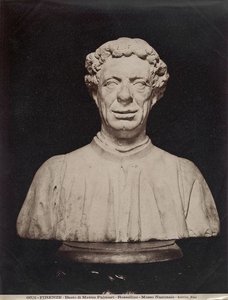
Бернардо Росселлино
1409 - 1464 , Италия
Основные сведения
- Artistic Movement Or Style: Ранний Ренессанс
- Artists Or Movements Influenced By This Artist: ['Альберти']
- Artists Who Influenced This Artist:
- Филиппо Брунеллески
- Нанни ди Бартоло
- Date Of Birth: Florence, Italy (1409)
- Date Of Death: 1464
- Full Name: Bernardo di Matteo del Borra Gamberelli
- Nationality: Итальянский
- Notable Artworks:
- Могила Леонардо Бруни
- Фасад Милосердия в Ареццо
- Place Of Birth: Florence
Похожие статьи

10 легендарных бронзовых скульптур, изменивших искусство навсегда | ArtsDot
Погрузитесь в мир великих бронзовых скульптур! От Давида Микеланджело до работ Родена – история искусства, техники и вдохновения. Купите репродукции шедевров для вашего интерьера на ArtsDot.com

The Enduring Form: Sculpture Across History, Technique & Emotional Resonance
Explore the rich history of sculpture with ArtsDot. Discover key techniques, influential artists & investment potential for discerning collectors. Expert insights into valuing and collecting timeless masterpieces.

The Enduring Form: Exploring Themes & Techniques in Sculpture Across Historical Periods
Explore the rich history of sculpture from ancient masterpieces to contemporary innovations. Discover key techniques, influential artists & investment potential for discerning art collectors.
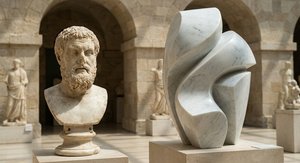
The Enduring Allure of Marble in Art History: From Classical Sculpture to Modern Abstraction
Explore the captivating history of marble sculpture from ancient Greece to modern art. Discover renowned artists like Canova & Michelangelo, carving techniques, and investment insights at ArtsDot.

10 легендарных бронзовых шедевров, изменивших искусство | ArtsDot
Погрузитесь в мир великих бронзовых шедевров! От Давида Донателло до Мыслителя Родена – узнайте историю создания, технику и значение легендарных скульптур. Вдохновение для интерьера и музейное качество репродукций на ArtsDot.com.