

 Предпросмотр
 Поделиться
 Поделиться
 Детали произведения

 Скачать
 Похожие работы
 Рентгенография
 Слайд-шоу
 Статистика
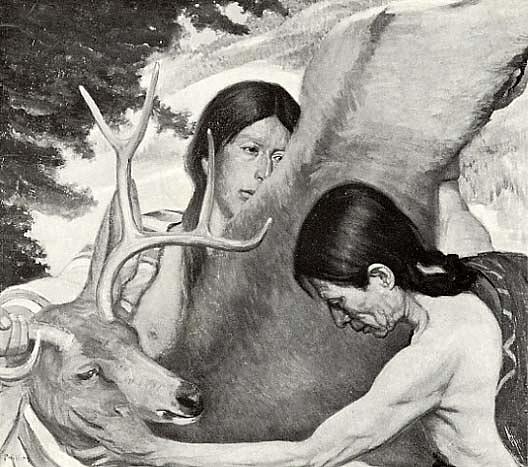
Deer Hunters' Camp, (painting)
 Читать далее
Масляная репродукция ручной работы
Картина маслом на холсте в выбранном вами размере и раме, написанная на заказ нашими художниками. ( Перейти к печати Перейти к цифровым изображениям)




































Выберите один из наших стандартных размеров, соответствующих оригинальным пропорциям произведения искусства.

Вы можете указать собственные размеры, чтобы картина идеально вписалась в выбранную раму или пространство. Если выбранный вами размер не соответствует пропорциям оригинала, мы либо обрежем полотно, либо расширим его за счет дополнительных элементов, написанных вручную. Цифровой макет будет отправлен вам на утверждение перед началом производства.
Обратите внимание, что предварительный просмотр на экране не отражает фактическую обрезку или расширение. Только макет точно покажет окончательную композицию.
Хотя доступны индивидуальные размеры, мы рекомендуем выбирать вариант из предопределенного списка, чтобы сохранить исходные пропорции.
После оформления заказа команда ArtsDot.com свяжется с клиентом по электронной почте для уточнения деталей и предоставит предварительный макет
Доставка по всему миру () за 3–4 недели вместо стандартных 5 недель. (11 Сентябрь). Без компромиссов в качестве.

Бесплатная экспресс-доставка по всему миру

Высококачественный льняной холст

Полное страхование доставки

Гарантия возмещения таможенных пошлин

Гарантия точного соответствия цветов

100-дневная политика возврата (только при обнаружении дефектов)

Гарантия возврата 100% средств

Предложение оптовых скидок
 Вариант со стеклом доступен только для размеров менее 110 см

Deer Hunters' Camp, (painting)
Техника репродукции
Размер репродукции
-


Итоговая стоимость
$ 288
Похожие произведения





Биография художника
The Spirit of the Southwest: The Life and Legacy of Bert Geer Phillips
To understand the soul of American Southwestern art, one must look to the pioneering vision of Bert Geer Phillips. Born in 1868 in Hudson, New York, Phillips was a child shaped by the romanticized legends of the American frontier. His early years were steeped in the adventurous tales of Kit Carson and the rugged exploits found in James Fenimore Cooper’s Leatherstocking Tales, stories that planted the seeds of a lifelong fascination with the untamed West. This early passion for the frontier was matched by an innate artistic drive; even as a young boy, Phillips was rarely seen without a paintbrush in hand. His formal training eventually led him from the local studios of New York to the prestigious halls of the Art Students League of New and the National Academy of Design, and ultimately to the legendary Académie Julian in Paris. It was in the vibrant, light-drenched atmosphere of Europe that Phillips refined his technique, forming lifelong bonds with fellow artists like Ernest Blumenschein and Joseph Henry Sharp—connections that would later reshape the American art landscape.
The trajectory of Phillips’s life changed irrevocably in 1898 when, accompanied by Blumenschein, he embarked on a journey toward the American West. What was intended to be a trek toward Mexico became a transformative encounter with the rugged landscapes of New Mexico. A broken wagon wheel in northern New Mexico served as a serendipitous pause, anchoring Phillips to the Taos region. This landscape, with its dramatic light, ancient traditions, and profound sense of place, became his true muse. By 1908, he had fully embraced the spirit of the Southwest, moving beyond mere observation to become a central figure in the creation of a new American aesthetic. His work began to bridge the gap between European Impressionist sensibilities and the raw, unvarnished reality of the New Mexican frontier.
A Master of Light and Atmosphere
Phillips’s artistic evolution was marked by a sophisticated adaptation of Impressionism and Post-Impressionism. Drawing inspiration from masters such as Claude Monet and Vincent van Gogh, he moved away from rigid, academic precision in favor of a more emotive, atmospheric approach. He became a practitioner of plein air painting, seeking to capture the fleeting nuances of light as it danced across the mesas and filtered through aspen groves. His brushwork was often loose and energetic, prioritizing tonal variations and the sensory experience of the environment over photographic accuracy. This technique allowed him to convey the heat of the midday sun, the cool shadows of the canyons, and the shimmering brilliance of autumnal foliage with unparalleled vitality.
His subject matter was as diverse as the landscape itself, ranging from sweeping vistas to intimate portraits. In his celebrated landscapes, such as Aspen Symphony, Phillips utilized a vibrant palette to celebrate the seasonal transformations of the high desert. Conversely, his figurative works demonstrated a profound respect for the Native American people. Rather than presenting them through a lens of exoticism, he sought to portray their daily lives and spiritual connection to the land with dignity and accuracy. In masterpieces like Voices of the Woods (1911), he utilized visual language to evoke deep themes of contemplation and harmony, depicting figures that seemed to exist in perfect equilibrium with the natural world.
The Taos Society and Historical Significance
Perhaps Phillips’s most enduring contribution to art history was his role as a founding member of the Taos Society of Artists in 1915. Alongside luminaries such as Charles Warren Remington, Will Owen, and Ernest Blumenschein, Phillips helped establish Taos as a premier art colony that would command international attention. The Society was more than just a group of painters; it was a movement dedicated to promoting the unique beauty of the Southwest and documenting the indigenous cultures of the region with an authentic, respectful eye. Through their collective exhibitions, they successfully elevated Southwestern art from a regional interest to a recognized and respected genre within the broader American canon.
Beyond his canvas, Phillips acted as a vital patron and mentor within the Western art community. His influence extended through his support of younger artists, such as Harold Dow Bugbee, ensuring that the tradition of documenting the American West would continue for generations. As a pioneer of Southwestern Impressionism, Bert Geer Phillips did more than just paint landscapes; he helped define the visual identity of an entire region. His legacy remains etched in the golden hues of his aspen groves and the quiet strength of his portraits, serving as a permanent testament to the enduring magic of the American Southwest.
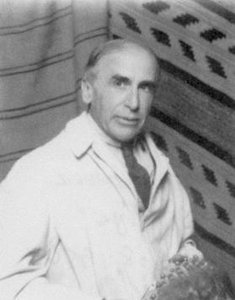
bert geer phillips
1868 - 1956
Основные сведения
- Artistic Movement Or Style: American Impressionism
- Artists Or Movements Influenced By This Artist: ['Taos Society Artists']
- Artists Who Influenced This Artist: ['Charles M. Russell']
- Date Of Birth: 1868
- Date Of Death: 1956
- Full Name: Bert Geer Phillips
- Nationality: American
- Notable Artworks:
- Voices of the Woods
- Aspen Symphony
- Place Of Birth: USA