

 Предпросмотр
 Поделиться
 Поделиться
 Детали произведения

 Скачать
 Похожие работы
 Рентгенография
 Слайд-шоу
 Статистика
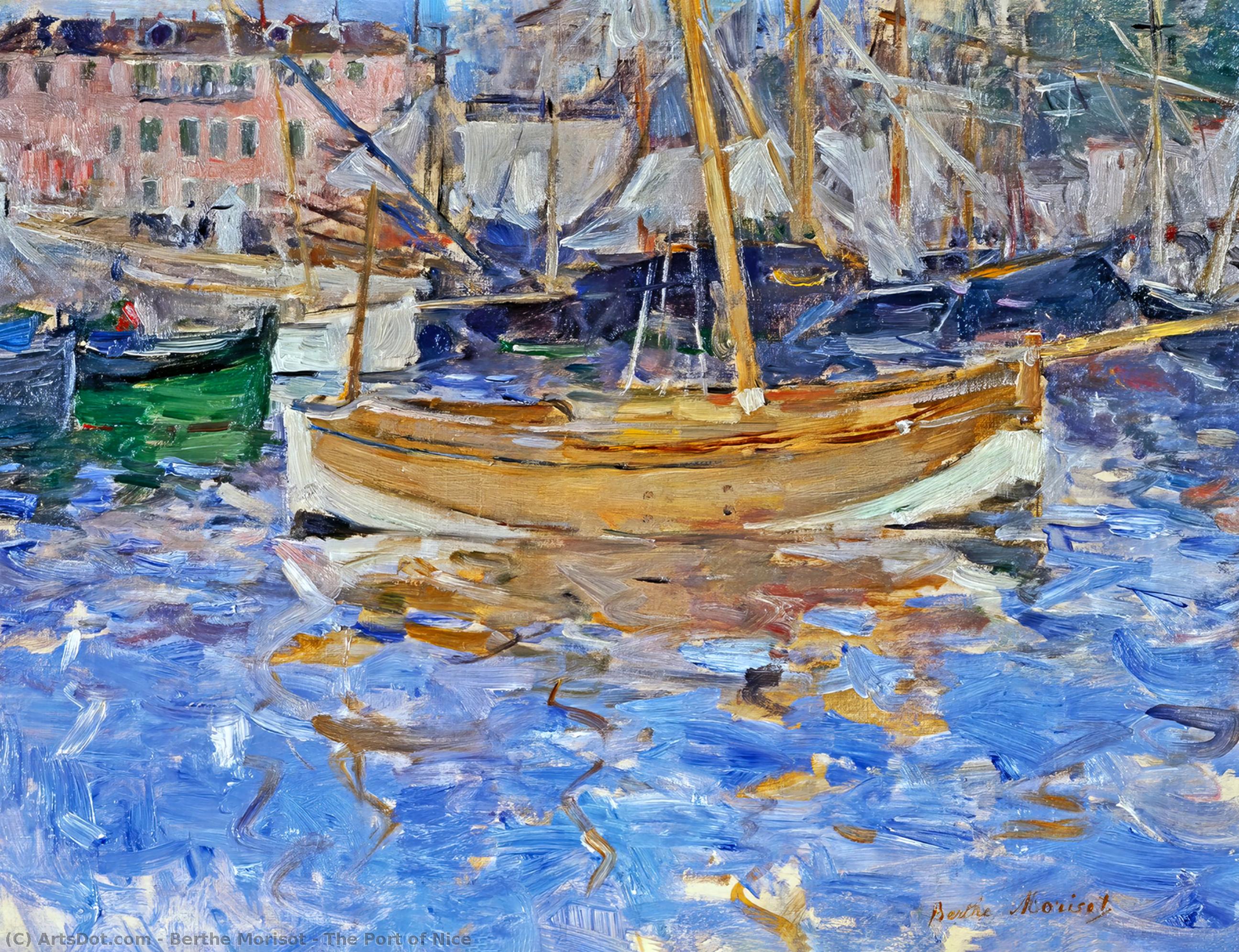
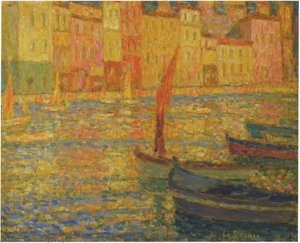
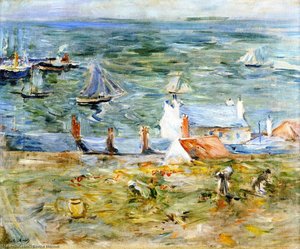
The Port of Nice
 Oil On Canvas
- WallArt
- Impressionism
 1882
1882- 19th Century
 38.0 x 46.0 cm
 Читать далее
Приобретите цифровое изображение высокого разрешения в улучшенном качестве, которое значительно превосходит онлайн-превью.
Каждый файл тщательно подготавливается нашими специалистами с использованием передовых инструментов и экспертной ручной ретуши. Мы гарантируем исключительную четкость, точную цветопередачу и детальную проработку каждого изображения.
Финальный файл доставляется по электронной почте в течение 72 часов и оптимизирован для немедленного использования в профессиональной среде, при верстке и печати. Это тот же уровень качества, которому доверяют ведущие дизайнерские студии, издательства и галереи.
Цифровое изображение
Скачайте файл высокого разрешения для личного использования, печати и творческих проектов. ( Перейти к печати Купить картину ручной работы)
Включено в каждый заказ цифровых изображений
Гарантия экспертной цифровой доставки
Выбирая ArtsDot.com, вы получаете не просто изображение — вы приобретаете профессионально обработанное цифровое произведение искусства, созданное с безупречной точностью и под защитой гарантии качества. Вот всё, что автоматически входит в ваш заказ:

Мгновенная доставка по e-mail
Ваш цифровой файл в высоком разрешении будет отправлен вам по электронной почте в течение 72 часов после оформления заказа — и сразу станет доступен для использования.

Цифровой файл с ИИ-улучшением
Ваше произведение искусства проходит профессиональную оптимизацию с использованием передовых инструментов ИИ и ручной обработки, что гарантирует максимальную детализацию, четкость и точность цветопередачи.

Бессрочная бесплатная повторная доставка
Случайно удалили или потеряли файл? Не беспокойтесь — мы отправим его вам повторно в любое время и совершенно бесплатно.

Без импортных пошлин — навсегда
Наслаждайтесь вашим произведением искусства мгновенно без таможенных пошлин, сборов или затрат на доставку — цифровые загрузки всегда не облагаются налогом.

Гарантия точности цветопередачи
Мы гарантируем, что ваше цифровое изображение максимально точно передает оригинальные цвета благодаря использованию профессиональных инструментов и систем управления цветом.

Гарантия удовлетворенности 100 дней
Если вы не будете удовлетворены своим цифровым изображением, мы внесем правки или вернем 100% стоимости в течение 100 дней — без лишних вопросов.

100% Гарантия возврата средств
Не удовлетворены покупкой? Получите полный возврат средств в течение 100 дней после получения цифрового файла — без лишних вопросов.

Скидки на оптовые заказы
Купите 3 изображения, сэкономьте 10% — Купите 5, сэкономьте 15% — Купите 10+, сэкономьте 20%. Отличное решение для творческих проектов, галерей и агентств.
The Port of Nice: A Symphony in Light and Movement by Berthe Morisot
- Subject Matter: Berthe Morisot’s “The Port of Nice,” painted in 1882, isn't merely a depiction of a harbor; it’s an intimate snapshot of everyday life – the gentle bustle of a French coastal town. The canvas breathes with the atmosphere of the Mediterranean, capturing the essence of leisure and trade within the vibrant heart of Nice.
- Impressionist Technique: Executed in oil on canvas, the painting exemplifies the core tenets of Impressionism. Morisot’s masterful use of loose, visible brushstrokes creates a shimmering effect, particularly noticeable in the reflections on the water and the billowing sails of the boats. This technique wasn't about precise representation but rather about conveying an *impression* – the fleeting quality of light and movement.
- Color Palette: The color scheme is dominated by soft, pastel hues—pale yellows, blues, pinks, and whites—that evoke a sense of tranquility and warmth. Morisot’s skillful blending creates subtle gradations of tone, enhancing the painting's luminous quality and contributing to its overall harmonious feel.
A Window into the World of 1882: Historical Context
Painted during a pivotal moment in art history, “The Port of Nice” reflects the burgeoning Impressionist movement’s challenge to traditional academic painting. Berthe Morisot, alongside artists like Monet and Renoir, sought to capture modern life as it unfolded – not through grand historical narratives or mythological subjects, but through scenes of ordinary people engaged in everyday activities. The late 19th century was a time of rapid social change in France, with the rise of industrialization and urbanization, and Morisot’s work captures this shift by focusing on the evolving relationship between humanity and its environment.
The painting's setting – Nice itself – adds another layer of historical significance. By the mid-19th century, Nice had become a fashionable resort town, attracting artists, writers, and wealthy tourists from across Europe. Morisot’s depiction of the port reflects this burgeoning tourism industry and the growing importance of coastal towns as centers of leisure and commerce.
Symbolism and Emotional Impact
Beyond its technical brilliance, “The Port of Nice” resonates with a quiet emotional depth. The composition—with its focus on a single sailboat dominating the foreground—creates a sense of calm contemplation. The two figures present in the scene – likely family members enjoying a day out – add a touch of human connection and intimacy to the otherwise expansive landscape.
Morisot’s ability to capture the play of light and shadow, particularly during the fleeting moments of dawn or dusk, imbues the painting with a sense of nostalgia and serenity. It's a scene that invites viewers to pause, reflect, and appreciate the simple beauty of everyday life.
Collecting and Appreciating Morisot’s Legacy
“The Port of Nice” is more than just a beautiful artwork; it’s a significant piece of art history. Its creation helped pave the way for modern art movements like Expressionism and Fauvism, demonstrating the power of subjective perception and emotional expression in artistic representation. A reproduction of this stunning work offers an opportunity to bring a touch of Impressionist elegance into any space – perfect for collectors, interior designers seeking a calming aesthetic, or anyone captivated by the beauty of light and color.
Похожие произведения

Биография художника
A Life Immersed in Light and Intimacy
Berthe Morisot, born in Bourges, France, in 1841, stands as a remarkably significant figure within the Impressionist movement – yet her story transcends simply being labeled a “female Impressionist.” To reduce her artistic vision to gender alone diminishes the profound originality of her approach and her unwavering dedication to capturing the fleeting moments of modern life. Her lineage traces back to a distinguished artistic family; she was related to the celebrated Rococo painter Jean-Honoré Fragonard, providing her with an early connection to the world of art. She received an education uncommon for women of her era – one that nurtured her innate talent and fostered a lifelong commitment to painting. Initial lessons with Geoffroy-Alphonse Chocarne and Joseph Guichard provided foundational skills, but it was exposure to the masterpieces housed within the Louvre, meticulously copying works by Old Masters, that truly ignited her artistic sensibility. This period of rigorous training laid the groundwork for her later explorations of light, color, and form – a deep understanding of technique combined with an appreciation for established styles. Crucially, she encountered the influence of Jean-Baptiste-Camille Corot, whose emphasis on *plein air* painting – working directly from nature outdoors – became a cornerstone of Morisot’s artistic practice. This approach allowed her to capture the ephemeral qualities of light and atmosphere with extraordinary sensitivity, becoming a defining characteristic of her work.Navigating the Impressionist Circle
Morisot's artistic journey was inextricably linked to that of Édouard Manet, whom she met in 1864. Their relationship blossomed into one of mutual respect and intellectual exchange; Manet served as both a mentor and a close friend, frequently painting her portrait and incorporating her presence within his evolving style. However, Morisot’s role extended far beyond being merely a subject; she actively participated in the burgeoning Impressionist movement, becoming a founding member alongside Monet, Degas, Renoir, and Pissarro. In 1874, she boldly exhibited with this group of “rejected” artists at the first Impressionist exhibition, defying the conservative standards upheld by the official Salon. This pivotal event marked a significant challenge to established artistic norms, demonstrating a willingness to embrace new approaches and paving the way for future generations of avant-garde painters. Morisot’s participation signaled a shift in the art world, moving away from academic traditions towards a more subjective and immediate representation of reality. Her commitment to this movement was unwavering; she continued to exhibit with the Impressionists throughout the 1870s and 1880s, consistently showcasing her unique perspective and solidifying her position within the group.A Distinctive Artistic Voice
What truly distinguishes Berthe Morisot’s work is not simply *what* she depicted but *how* she painted it – her distinctive technique and approach to capturing light and emotion. Her brushwork is characterized by a remarkable delicacy and fluidity, conveying an impression of spontaneity and immediacy. Unlike many of her contemporaries who focused on grand landscapes or bustling cityscapes, Morisot often chose intimate interior scenes and portraits, exploring the nuances of human relationships and the quiet beauty of everyday life. Her palette is typically soft and harmonious, favoring pastel shades and subtle gradations of color – a deliberate choice that contributes to the overall atmosphere of her paintings. A key element of her style was the use of *broken color* – applying small strokes of pure pigment side-by-side rather than blending them together, creating a shimmering effect of light and atmosphere. This technique, combined with her loose brushwork, gives her paintings a sense of vibrancy and movement. Furthermore, Morisot’s compositions are often asymmetrical and unconventional, reflecting the fleeting nature of modern life and challenging traditional notions of balance and harmony.Themes and Subject Matter
Morisot's artistic focus frequently centered on domestic scenes – women reading, mothers with children, leisurely moments spent in gardens or at social gatherings. These intimate portrayals offered a distinctly feminine perspective, exploring themes of motherhood, family, and female companionship. Her paintings are not merely representations of these subjects; they capture the subtle emotions, fleeting expressions, and quiet interactions that define human relationships. She skillfully depicted the play of light on fabrics, the delicate details of clothing, and the intimate gestures of her subjects – all rendered with remarkable sensitivity and precision. While she occasionally painted landscapes, it was her ability to convey emotion and atmosphere through portraits and domestic scenes that truly defined her artistic legacy. Her work offers a glimpse into the private lives of women in 19th-century France, revealing their roles as mothers, wives, and members of society.Legacy and Historical Significance
Berthe Morisot’s life was tragically cut short in 1895, but her artistic legacy endures. Married to Eugène Manet, brother of Édouard, she navigated a world that often underestimated female artists, yet she persevered with unwavering determination. She exhibited under her full maiden name – a subtle act of independence and self-assertion – and consistently challenged conventional expectations. Her work continues to captivate audiences today, celebrated for its delicate beauty, emotional honesty, and innovative technique. Morisot’s influence extends beyond the realm of Impressionism; she paved the way for future generations of female artists, demonstrating that women could achieve artistic excellence and contribute meaningfully to the evolution of art history. Her paintings are held in prestigious collections around the world, serving as a testament to her enduring talent and her pivotal role in shaping modern art – a quiet revolution captured on canvas.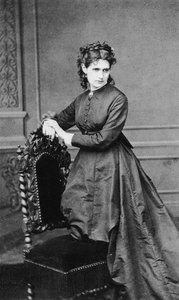
Берта Моризо
1841 - 1895 , Франция
Основные сведения
- Artistic Movement Or Style: Импрессионизм
- Artists Or Movements Influenced By This Artist: ['Манэ']
- Artists Who Influenced This Artist:
- Коро
- Манэ
- Date Of Birth: 14 января 1841
- Date Of Death: 2 марта 1895
- Full Name: Берта Моризо
- Nationality: Французская
- Notable Artworks:
- Женщина в зеленом платье
- Колыбель
- Летний день
- Place Of Birth: Бурж, Франция