

 Предпросмотр
 Поделиться
 Поделиться
 Детали произведения

 Скачать
 Похожие работы
 Рентгенография
 Слайд-шоу
 Статистика
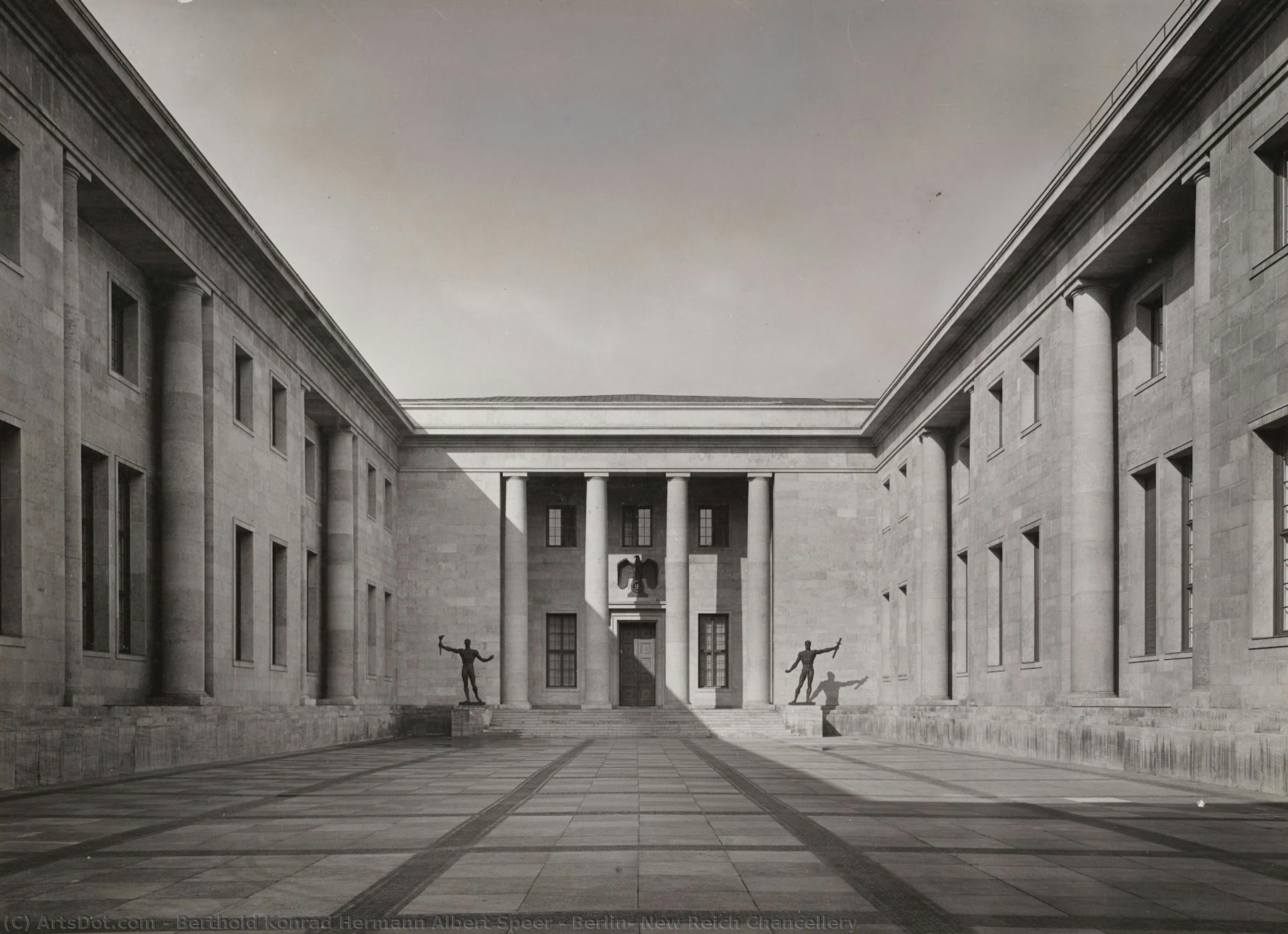
Berlin: New Reich Chancellery


 Читать далее
Приобретите цифровое изображение высокого разрешения в улучшенном качестве, которое значительно превосходит онлайн-превью.
Каждый файл тщательно подготавливается нашими специалистами с использованием передовых инструментов и экспертной ручной ретуши. Мы гарантируем исключительную четкость, точную цветопередачу и детальную проработку каждого изображения.
Финальный файл доставляется по электронной почте в течение 72 часов и оптимизирован для немедленного использования в профессиональной среде, при верстке и печати. Это тот же уровень качества, которому доверяют ведущие дизайнерские студии, издательства и галереи.
Цифровое изображение
Скачайте файл высокого разрешения для личного использования, печати и творческих проектов. ( Перейти к печати Купить картину ручной работы)
Включено в каждый заказ цифровых изображений
Гарантия экспертной цифровой доставки
Выбирая ArtsDot.com, вы получаете не просто изображение — вы приобретаете профессионально обработанное цифровое произведение искусства, созданное с безупречной точностью и под защитой гарантии качества. Вот всё, что автоматически входит в ваш заказ:

Мгновенная доставка по e-mail
Ваш цифровой файл в высоком разрешении будет отправлен вам по электронной почте в течение 72 часов после оформления заказа — и сразу станет доступен для использования.

Цифровой файл с ИИ-улучшением
Ваше произведение искусства проходит профессиональную оптимизацию с использованием передовых инструментов ИИ и ручной обработки, что гарантирует максимальную детализацию, четкость и точность цветопередачи.

Бессрочная бесплатная повторная доставка
Случайно удалили или потеряли файл? Не беспокойтесь — мы отправим его вам повторно в любое время и совершенно бесплатно.

Без импортных пошлин — навсегда
Наслаждайтесь вашим произведением искусства мгновенно без таможенных пошлин, сборов или затрат на доставку — цифровые загрузки всегда не облагаются налогом.

Гарантия точности цветопередачи
Мы гарантируем, что ваше цифровое изображение максимально точно передает оригинальные цвета благодаря использованию профессиональных инструментов и систем управления цветом.

Гарантия удовлетворенности 100 дней
Если вы не будете удовлетворены своим цифровым изображением, мы внесем правки или вернем 100% стоимости в течение 100 дней — без лишних вопросов.

100% Гарантия возврата средств
Не удовлетворены покупкой? Получите полный возврат средств в течение 100 дней после получения цифрового файла — без лишних вопросов.

Скидки на оптовые заказы
Купите 3 изображения, сэкономьте 10% — Купите 5, сэкономьте 15% — Купите 10+, сэкономьте 20%. Отличное решение для творческих проектов, галерей и агентств.
Похожие произведения
Биография художника
A Life Forged in Ambition and Shadow
Berthold Konrad Hermann Albert Speer, a name inextricably linked to the chilling grandeur of Nazi Germany, was born in Mannheim in 1905 into an upper-middle-class family with architectural roots. His father, Albert Friedrich Speer, instilled within him not only a profession but also a fascination with form and structure that would ultimately serve a dark purpose. Young Albert’s early life wasn't marked by warmth; accounts suggest challenging relationships with his brothers, fostering perhaps an inward focus and ambition that defined his trajectory. He pursued architectural studies at Karlsruhe, Munich, and finally Berlin’s Technical University, where the influence of Heinrich Tessenow shaped his initial aesthetic leanings – a foundation he would later twist to serve a monstrous ideology. Little could anyone have foreseen how this promising architect would become so deeply entwined with one of history's most horrific regimes.Ascension Within the Third Reich
The year 1931 marked a turning point, as Speer joined the Nazi Party, drawn by promises of national renewal and order – a seductive appeal in a Germany reeling from economic hardship and political instability. His architectural talent quickly garnered recognition within party circles, propelling him into Adolf Hitler’s inner circle. This wasn't merely professional advancement; it was an ideological alignment that would define his life and legacy. In 1937, he was appointed General Building Inspector for Berlin, a position of immense power and responsibility. However, this role came with a sinister undercurrent: overseeing the eviction of Jewish tenants from their homes as part of the Nazi’s systematic persecution. This act wasn't an isolated incident but a crucial component of his ascent, demonstrating his willingness to implement the regime’s brutal policies. He became Hitler’s favored architect, tasked with transforming Berlin into “Germania,” a monumental capital reflecting the supposed thousand-year reign of the Third Reich.Monumental Visions and the Architecture of Power
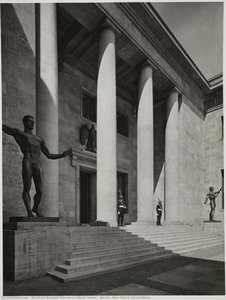
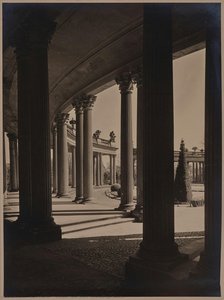
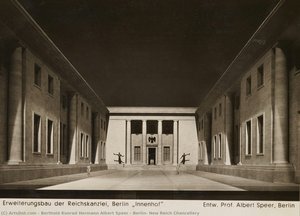
Speer's architectural style was characterized by an imposing scale, neoclassical elements, and a deliberate focus on creating structures that projected power and instilled awe. He wasn’t interested in innovation for its own sake; his designs were instruments of propaganda, intended to inspire loyalty and demonstrate the regime’s dominance. The Reich Chancellery in Berlin (1938-1939) stands as a prime example – a vast, intimidating complex designed to overawe visitors and symbolize Nazi authority. Equally significant were the Nazi Party Rally Grounds in Nuremberg, massive complexes conceived for elaborate propaganda events, utilizing light, space, and sheer size to manipulate emotions and reinforce the cult of personality surrounding Hitler. These weren’t simply buildings; they were carefully orchestrated environments meant to control perception and solidify power. He sought to create a sense of timelessness, drawing inspiration from Roman architecture, believing that such grandeur would ensure his structures endured for centuries – a chilling testament to his ambition and ideological conviction.From Architect to Armaments Minister
In February 1942, Speer’s role dramatically shifted when he was appointed Reich Minister of Armaments and War Production. This marked a turning point not only in his career but also in the war effort itself. He implemented innovative organizational methods that significantly increased German war production, though often relying on misleading statistics to inflate his successes. However, this “armaments miracle” came at an unspeakable cost: the systematic exploitation of slave labor on a massive scale. Prisoners of war and concentration camp inmates were utilized in factories and construction projects, their suffering fueling the Nazi war machine. This reliance on forced labor was not merely a logistical necessity; it was central to Speer’s success, a dark secret he attempted to conceal during the Nuremberg trials. He became a master of efficiency, but his efficiency was built upon unimaginable cruelty.Judgment and Legacy
Following World War II, Albert Speer faced justice at the Nuremberg Trials, indicted as a major war criminal. He was found guilty of war crimes and crimes against humanity, primarily for his role in utilizing slave labor. Despite attempts to distance himself from the Holocaust, evidence revealed his awareness and involvement in Nazi atrocities. Sentenced to 20 years in Spandau Prison, he served his full term, during which he penned two autobiographical books: Inside the Third Reich (1969) and Spandau: The Secret Diaries (1975). These memoirs offered a unique perspective on life within the Nazi regime but have been widely criticized for presenting a self-serving narrative, attempting to minimize his culpability. He died of a stroke in London in 1981, leaving behind a legacy that continues to provoke debate and condemnation. Albert Speer remains a profoundly controversial figure – an architect of both breathtaking ambition and unspeakable evil, forever bound to the darkest chapter of modern history. His story serves as a stark reminder of the dangers of unchecked power, ideological fanaticism, and the seductive allure of architectural grandeur used for nefarious purposes.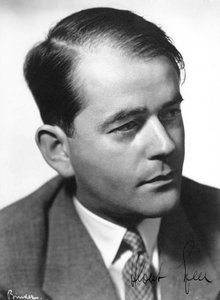
berthold konrad hermann albert speer
1905 - 1981 , Germany
Основные сведения
- Artistic Movement Or Style: Nazi architecture
- Artists Who Influenced This Artist: ['Heinrich Tessenow']
- Date Of Birth: March 19, 1905
- Date Of Death: September 1, 1981
- Full Name: Albert Speer
- Nationality: German
- Notable Artworks:
- Reich Chancellery
- Nuremberg Rally Grounds
- Place Of Birth: Mannheim, Germany