Предпросмотр
 Поделиться
 Поделиться
 Детали произведения

 Скачать
 Похожие работы
 Рентгенография
 Слайд-шоу
 Статистика
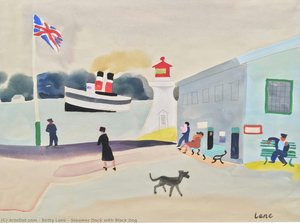
Стемер Док с Черным Псом


 Читать далее
Масляная репродукция ручной работы
Картина маслом на холсте в выбранном вами размере и раме, написанная на заказ нашими художниками. ( Перейти к печати Перейти к цифровым изображениям)




P118B $10

P118H $10

P118W $10

P438Z $10

P508JH $12

P508YH $12

P805H $10

P805Z $10

P919BZ $10

P919G $10

P919XJ $10

P959ZH $10

P968JZ $12

W106C $8

W218G $10

W218JH $8

W218Y $10

W307PJ $10

W316G $10

W316PJ $8

W316Y $10

W398PJ $8

W4111J $10

W500HY $15

W500JH $15

W692G $12

W849H $8

W940BG $15

W953PJ $8

Выберите один из наших стандартных размеров, соответствующих оригинальным пропорциям произведения искусства.

Вы можете указать собственные размеры, чтобы картина идеально вписалась в выбранную раму или пространство. Если выбранный вами размер не соответствует пропорциям оригинала, мы либо обрежем полотно, либо расширим его за счет дополнительных элементов, написанных вручную. Цифровой макет будет отправлен вам на утверждение перед началом производства.
Обратите внимание, что предварительный просмотр на экране не отражает фактическую обрезку или расширение. Только макет точно покажет окончательную композицию.
Хотя доступны индивидуальные размеры, мы рекомендуем выбирать вариант из предопределенного списка, чтобы сохранить исходные пропорции.
После оформления заказа команда ArtsDot.com свяжется с клиентом по электронной почте для уточнения деталей и предоставит предварительный макет
Доставка по всему миру () за 3–4 недели вместо стандартных 5 недель. (15 Сентябрь). Без компромиссов в качестве.

Бесплатная экспресс-доставка по всему миру

Высококачественный льняной холст

Полное страхование доставки

Гарантия возмещения таможенных пошлин

Гарантия точного соответствия цветов

100-дневная политика возврата (только при обнаружении дефектов)

Гарантия возврата 100% средств

Предложение оптовых скидок
 Вариант со стеклом доступен только для размеров менее 110 см

Стемер Док с Черным Псом
Техника репродукции
Размер репродукции
-


Итоговая стоимость
$ 263
Steamer Dock with Black Dog – A Watercolor Impression of Coastal Life
This watercolor painting by Betty Lane offers a captivating glimpse into the serene beauty of Niagara-on-the-Lake in the 1940s, capturing not just a visual scene but also an atmosphere imbued with quiet observation and artistic sensitivity. Lane’s masterful technique—characterized by loose brushstrokes and subtle color blending—transforms a simple dock landscape into a richly textured meditation on light and form. The painting's enduring appeal lies in its ability to evoke the tranquility of lakeside life while simultaneously hinting at the dynamism of maritime activity.Subject Matter and Composition
The artwork depicts a picturesque steamer dock nestled alongside Lake Ontario, dominated by a towering lighthouse – a beacon of guidance for passing vessels—and a weathered black sailboat moored gently against the shore. Scattered figures populate the scene: two individuals seated on a bench enjoying the vista, adding human presence to the expansive panorama. A solitary black dog wanders along the dock’s edge, contributing an element of whimsical charm and grounding the composition. Lane skillfully employs perspective to create depth, guiding the viewer's eye from the lighthouse in the center towards the distant horizon.Stylistic Characteristics – Impressionism Revisited
Lane’s approach aligns closely with Impressionist principles, prioritizing capturing fleeting moments of light and color rather than striving for photographic realism. The artist eschews sharp outlines, favoring soft edges that dissolve boundaries between objects and creating an ethereal quality. Color palettes are muted yet vibrant—primarily blues and greens—reflecting the hues of the lake and surrounding foliage. Notice how Lane utilizes glazing techniques to build up layers of pigment, enhancing luminosity and achieving a luminous effect that is quintessential to Impressionist painting. The artist’s brushstrokes are visible, conveying movement and spontaneity – mirroring the gentle breeze rustling through the trees and propelling the sailboat across the water.Historical Context and Artistic Influences
Betty Lane emerged during a period of significant artistic experimentation following World War I, when artists were actively rejecting academic conventions in favor of subjective experience and emotional resonance. Her work reflects the broader movement toward Impressionism, which had gained momentum in France during the preceding decades. Notably, Lane’s style was influenced by Henri Matisse, whose bold use of color and simplified forms championed a liberating approach to artistic expression. Duncan Phillips, a wealthy patron who recognized Lane's talent, played an instrumental role in showcasing her paintings at the Phillips Memorial Gallery, establishing her reputation as a respected artist within the burgeoning modernist landscape.Symbolism and Emotional Impact
Beyond its aesthetic beauty, “Steamer Dock with Black Dog” speaks to themes of solitude, contemplation, and connection with nature—values that resonated deeply with Lane’s own life experiences. The lighthouse symbolizes hope and guidance, mirroring Lane's unwavering optimism throughout her artistic career. Similarly, the sailboat represents freedom and exploration, reflecting Lane’s adventurous spirit as she traveled extensively across Europe and America. Ultimately, the painting invites viewers to pause and appreciate the simple pleasures of coastal existence—a testament to Lane’s ability to transform ordinary subjects into emotionally evocative artworks.Похожие произведения

Биография художника
A Life Painted in Light and Shadow
Betty Lane, born Elizabeth Thoburn Lane in Washington D.C. in 1907, was an American artist whose evocative watercolors and oils quietly charted a course through the shifting currents of modernist art. Her life, spanning nearly a century, was one of constant exploration – not just of artistic technique but also of place and perspective. The daughter of a Marine officer and raised amidst a large family, Lane’s early exposure to diverse locales – her father's postings included the Philippines and Santo Domingo – likely instilled in her a lifelong wanderlust and an observant eye for detail. Even as a child, around the age of nine, she demonstrated a natural aptitude for painting, finding solace and expression in watercolor. Though initially enrolled at the Corcoran College of Art and Design, Lane soon realized it didn’t nurture her burgeoning talent; a transfer to the Massachusetts Normal Art School proved pivotal, offering an environment more attuned to her artistic needs. This early search for the right creative space would become a defining characteristic of her career.Parisian Transformations and Early Recognition
The year 1928 marked a turning point with Lane’s journey to Paris. Immersing herself in the vibrant art scene, she studied under the influential Cubist painter André Lhote. This mentorship profoundly impacted her artistic development, instilling a rigorous understanding of form and composition that would underpin her modernist style. Lhote's influence wasn’t about mimicry but rather a foundational training in seeing the world anew – breaking down shapes, exploring spatial relationships, and embracing abstraction as a means to convey deeper truths. Returning to the United States in 1929, Lane settled in Falls Church, Virginia, and Washington D.C., where her work quickly gained attention. A significant milestone arrived in April 1931 with an exhibition at the Phillips Memorial Gallery alongside established artists John Marin and Harold Weston – a testament to Duncan Phillips’s discerning eye and early belief in Lane's potential. This recognition provided crucial encouragement as she navigated the complexities of establishing herself as a professional artist. The support from Phillips, a significant patron of the arts, fueled her ambition and allowed her to continue developing her unique style.A Transatlantic Dialogue: Years Abroad and Artistic Refinement
The subsequent decade saw Lane embracing a nomadic existence, dividing her time between Cambridge, England, and Paris. These years were characterized by intense artistic exploration and a broadening of horizons. She wasn’t merely *depicting* landscapes; she was absorbing the atmosphere, light, and cultural nuances of each location. From the bustling streets of European cities to the serene countryside, Lane's canvases began to reflect her experiences – capturing not just what she saw but how it *felt*. This period also witnessed a diversification of her subject matter, encompassing portraits, domestic scenes, and increasingly abstract compositions. The influence of these travels is palpable in her evolving style, marked by expressive brushwork and a growing confidence in her use of color. During World War II, Lane relocated to Ontario, Canada from 1939-1946, continuing to paint and refine her artistic voice amidst global upheaval – a time that undoubtedly shaped her perspective on the world and its complexities.Expanding Horizons: Teaching, Experimentation, and Lasting Legacy
In 1946, Lane returned to the United States and embarked on a new chapter as a teacher at Miss Porter’s School, where she remained for nearly two decades until 1965. This period wasn’t merely a professional obligation; it was an opportunity to share her passion for art and inspire a new generation of artists. Simultaneously, Lane continued to push the boundaries of her own creative practice, experimenting with woodblock printing, silkscreen, ceramics, and glass – demonstrating a remarkable versatility and willingness to embrace new mediums. After 1960, she settled in Brewster, Massachusetts, but her spirit of exploration remained undimmed. Extensive travels took her to Greece, Mexico, the Soviet Union, and Australia, each journey enriching her artistic vocabulary. Her commitment extended beyond the canvas; in 1977, she became an associate of the Women’s Institute for Freedom of the Press (WIFP), demonstrating a dedication to social causes. Betty Lane passed away in Brewster in 1996, leaving behind a rich and varied body of work that is now gaining increasing recognition. Her paintings are held in prestigious institutions including The Metropolitan Museum of Art, The Phillips Collection, The Provincetown Art Association and Museum, and The Cape Cod Museum of Art.Artistic Style and Significance
Lane’s artistic style is characterized by a compelling blend of modernist techniques, expressive brushwork, and an acute sensitivity to detail. She moved fluidly between representational and abstract forms, often imbuing her paintings with a palpable sense of atmosphere and emotional depth. Her landscapes are particularly noteworthy for their evocative use of color and light, capturing the essence of a place rather than merely its appearance. *Her portraits, too, possess a remarkable psychological insight*, revealing not just physical likeness but also the inner lives of her subjects. Lane’s contribution to American art resides in her ability to synthesize diverse influences – from Cubism to Impressionism and beyond – into a cohesive and deeply personal vision. While she may not have achieved widespread fame during her lifetime, her work is now being recognized for its artistic merit and historical significance as an example of a woman artist navigating the complexities of the 20th century art world with grace, intelligence, and unwavering dedication to her craft. Her paintings stand as a testament to a life lived fully, both in terms of artistic creation and personal exploration.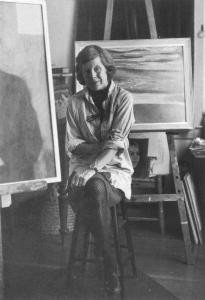
Бетти Лен
1907 - 1996 , Соединенные Штаты Америки
Основные сведения
- Artistic Movement Or Style: Современное искусство
- Artists Or Movements Influenced By This Artist:
- Кубизм
- Импрессионизм
- Artists Who Influenced This Artist: ['André Lhote']
- Date Of Birth: 1907-09-30
- Date Of Death: 1996-05-28
- Full Name: Betty Lane
- Nationality: Американка
- Notable Artworks:
- Men in Truck
- Sketch...
- Boathouses & Lighthouse
- Place Of Birth: Washington, USA
Похожие статьи

Ephemeral Visions: Exploring the History & Emotional Resonance of Watercolor Painting
Explore the captivating history of watercolor painting, from ancient techniques to modern masters like Kandinsky & Blake. Discover essential artists, collecting tips & the emotional power of this luminous medium. Expert insights for art enthusiasts.

Акварель: История, Техники и Современная Практика
Узнайте историю акварели от древности до современности, познакомьтесь с техниками и секретами мастеров. Пошаговое руководство для начинающих и вдохновение для опытных художников.

Ephemeral Visions: Exploring the Artistic Legacy & Nuances of Watercolor Painting
Explore the captivating world of watercolor painting! Discover its rich history, essential techniques, influential artists & collecting tips from art experts. A comprehensive guide for enthusiasts.

Топ-10 легендарных акварелей, изменивших искусство навсегда | ArtsDot
Погрузитесь в мир акварели! Откройте топ-10 легендарных картин Turner, Monet и других великих художников. История искусства, техники живописи и вдохновение для вашего интерьера. Репродукции музейного качества на ArtsDot.com.

Ephemeral Visions: Exploring the Artistic Legacy & Contemporary Practice of Watercolor Painting
Explore the captivating world of watercolor painting! Discover its rich history, essential techniques, influential artists & collecting tips. A comprehensive guide for art enthusiasts from ArtsDot.