

 Предпросмотр
 Поделиться
 Поделиться
 Детали произведения

 Скачать
 Похожие работы
 Рентгенография
 Слайд-шоу
 Статистика
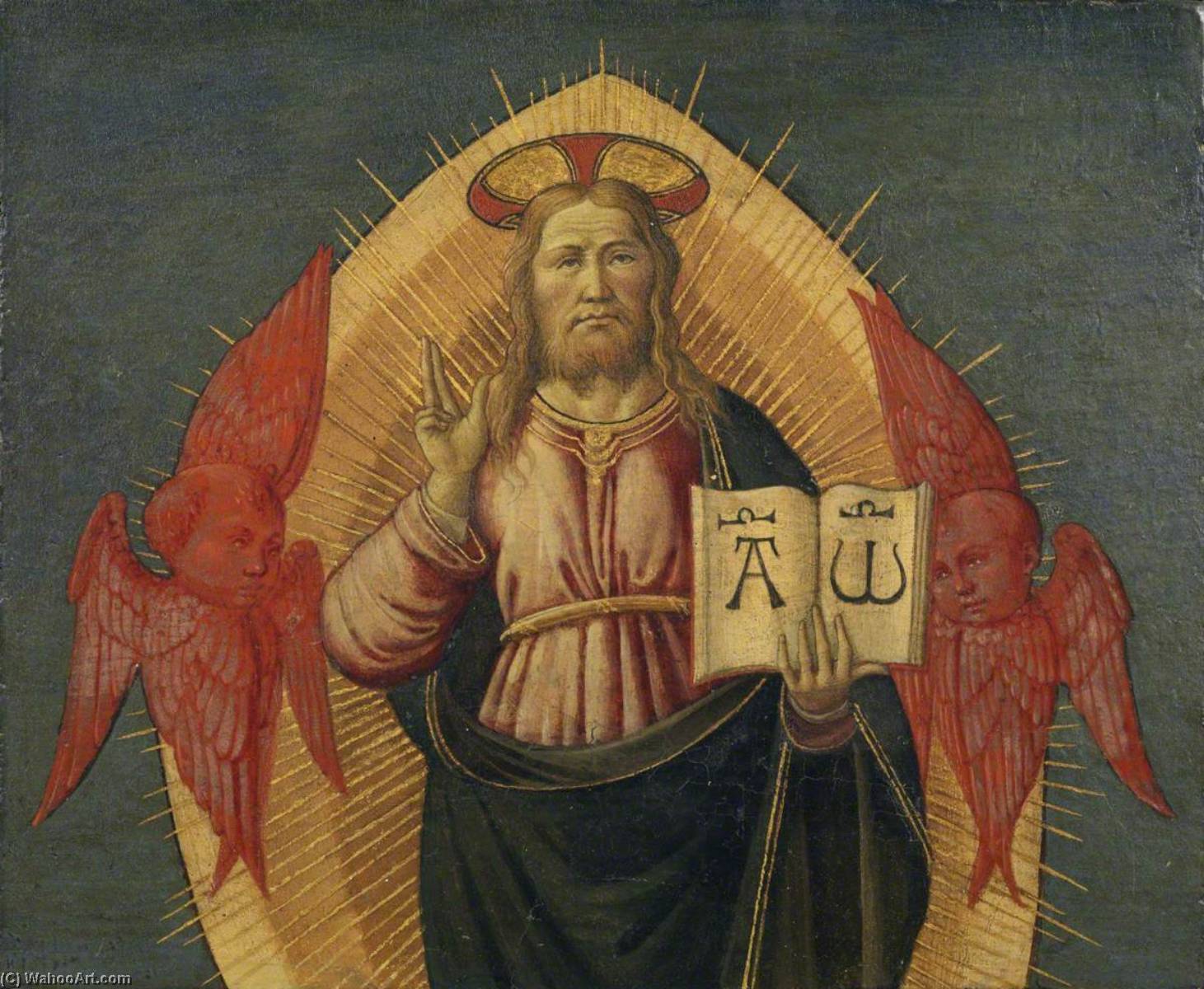
God the Father in an Attitude of Benediction
 Oil On Canvas
- WallArt
- Renaissance
 1480
1480- Renaissance
 20.0 x 24.0 cm
 Галерея Куртуальда
 Читать далее
Жикле / Арт-принт
Печать (жикле) или холст музейного качества с быстрыми сроками изготовления и широким выбором вариантов отделки. ( Купить картину ручной работы Перейти к цифровым изображениям)




P118B $10

P118H $10

P118W $10

P438Z $10

P508JH $12

P508YH $12

P805H $10

P805Z $10

P919BZ $10

P919G $10

P919XJ $10

P959ZH $10

P968JZ $12

W106C $8

W218G $10

W218JH $8

W218Y $10

W307PJ $10

W316G $10

W316PJ $8

W316Y $10

W398PJ $8

W4111J $10

W500HY $15

W500JH $15

W692G $12

W849H $8

W940BG $15

W953PJ $8




Выберите один из наших стандартных размеров, соответствующих оригинальным пропорциям произведения искусства.

Вы можете указать свои собственные размеры, чтобы репродукция идеально подошла под конкретную раму или пространство. Если выбранный вами размер не будет соответствовать пропорциям оригинала, мы либо обрежем произведение, либо дополним изображение зеркальным отражением краев или однотонной заливкой. Перед началом производства вам будет отправлен цифровой макет для утверждения.
Пожалуйста, обратите внимание, что предварительный просмотр на экране не отображает фактическую обрезку или расширение изображения. Только макет точно покажет финальную композицию.
Несмотря на возможность заказа индивидуальных размеров, мы рекомендуем выбирать размер из предопределенного списка, чтобы сохранить оригинальные пропорции.
Доставка по всему миру () за 2 недели вместо стандартных 4/5 недель. (13 Сентябрь)

Бесплатная экспресс-доставка по всему миру

Высококачественный льняной холст

Полное страхование доставки

Гарантия возмещения таможенных пошлин

Гарантия точного соответствия цветов

100-дневная политика возврата (только при обнаружении дефектов)

Гарантия возврата 100% средств

Предложение оптовых скидок
 Вариант со стеклом доступен только для размеров менее 110 см

God the Father in an Attitude of Benediction
Жикле / Арт-принт
Размер репродукции
-


Итоговая стоимость
$ 62
A Divine Gaze: Exploring God the Father in an Attitude of Benediction
To stand before this depiction of God the Father in an Attitude of Benediction is to encounter a moment suspended between the eternal and the intimate. The composition immediately draws the eye to the central figure, whose raised hand gestures not merely as a blessing, but as a conduit for divine grace itself. This painting transcends simple religious iconography; it offers a profound meditation on benevolence, wisdom, and the enduring connection between the celestial and the earthly realm. The overall harmony achieved by the artist is breathtaking, inviting the viewer into a space of quiet contemplation.
Mastery in Renaissance Detail: Technique and Craftsmanship
Created around 1480 by Biagio d'Antonio Tucci, this work stands as a testament to the meticulous skill characteristic of the Florentine Renaissance. While the central narrative is deeply spiritual, the execution reveals an astonishing technical proficiency. Observe the subtle gradations of color used to model the figures—a hallmark of artists trained in the rich traditions of Italian painting. The inclusion of scattered books throughout the foreground and background elements adds a layer of intellectual depth. These are not mere props; they suggest accumulated knowledge, sacred texts, and the enduring wisdom that underpins divine law. Tucci’s ability to integrate such detailed symbolism into a cohesive, emotionally resonant whole speaks volumes about his mastery.
Symbolism Woven into Sacred Form
The symbolic weight of this piece is considerable. The central benediction gesture is universally understood as a blessing bestowed upon humanity, yet it feels personal, directed specifically to the beholder. Flanking the divine center are two angels, their presence acting as celestial witnesses to the unfolding grace. They frame the main subject, guiding our focus inward toward the source of light and peace. The juxtaposition of the powerful, benevolent Father figure against the scholarly weight of the books creates a dialogue: that true divinity is both omnipotent and profoundly knowledgeable.
A Touch of Florentine History
Biagio d'Antonio Tucci operated during one of history’s most vibrant cultural explosions—the height of the Renaissance in Florence. To own or display a reproduction inspired by this period is to connect with that spirit of humanism and artistic rebirth. The style reflects an era where classical ideals merged seamlessly with deep Christian devotion. For the collector, it offers not just art, but a tangible piece of Florentine cultural history, imbued with the intellectual fervor of its time.
Creating an Atmosphere of Serenity
For those seeking to infuse a space—be it a private study, a chapel niche, or a grand hall—with an aura of profound calm and elevated thought, this artwork is unparalleled. Its gentle yet authoritative presence acts as a visual anchor, encouraging moments of pause and reflection amidst the bustle of modern life. It promises not just decoration, but an elevation of spirit, making it a truly meaningful acquisition for any discerning eye.
Похожие произведения



Биография художника
The Florentine Master: The Life and Legacy of Biagio d'Antonio Tucci
In the golden age of the Italian Renaissance, amidst the bustling workshops and intellectual fervor of Florence, emerged a painter whose work captured the very essence of humanism and divine grace. Biagio d’Antonio Tucci, born around 1446, remains one of the most intriguing figures of this era. While much of his early life remains shrouded in the mists of history, his artistic footprint is indelibly etched into the fabric of Florentine culture. Growing up in a city that served as the heartbeat of the Renaissance, Tucci was immersed in an environment where art, science, and philosophy converged, shaping a sensibility that would later define his meticulous approach to both sacred and secular subjects.
The development of Tucci’s style was not a solitary journey but rather a beautiful tapestry woven from the influences of the greatest masters of his time. His early career was marked by significant collaborations within the prestigious Florentine workshop culture, working alongside luminaries such as Andrea Verrocchio and Jacopo del Sellaio. These formative partnerships allowed him to absorb the rigorous anatomical precision of Verrocchio and the delicate, decorative elegance characteristic of the period's most sought-after artisans. This fusion of influences is perhaps most evident in his mastery of the cassoni—the magnificent, large-scale painted chests commissioned by wealthy Florentine families. In works like the Morelli Nerli Cassoni, Tucci demonstrated an unparalleled ability to blend narrative complexity with a rich, ornamental beauty that served as both a status symbol and a storytelling medium.
A Synthesis of Styles: From Florence to Faenza
As his reputation grew, Tucci’s artistic horizons expanded far beyond the walls of Florence. By 1472, his journey led him to Faenza, where he undertook ambitious fresco commissions that showcased a new level of narrative ambition. It was during this period that his ability to integrate large-scale storytelling with illusionistic depth truly flourished. His Ragnoli Altarpiece stands as a monumental achievement from this era, reflecting the profound influence of Filippo Lippi. In this work, one can observe the seamless integration of serene, emotive figures and a sophisticated use of space that draws the viewer into a sacred, atmospheric realm.
What truly distinguishes Tucci from his contemporaries was his unique ability to synthesize the local Florentine tradition with the burgeoning influences of Early Netherlandish painting. While his structural foundations remained rooted in the Italian mastery of form and perspective, he adopted the Northern European penchant for minute detail and a nuanced, luminous color palette. This stylistic alchemy resulted in canvases that possessed a startling realism; his portraits and religious scenes are imbued with a tactile quality, where the texture of fabric and the soft glow of light on skin feel almost tangible to the observer.
Enduring Significance and Artistic Triumph
The breadth of Tucci’s oeuvre is a testament to his versatility as a painter of both the intimate and the monumental. His religious compositions, such as the iconic Madonna and Child, exemplify his ability to evoke profound spiritual devotion through subtle emotion and balanced composition. Similarly, works like La Vierge et l’Enfant entourés de six anges et de Saint Jean Baptiste Enfant reveal a master capable of managing complex groupings of figures with grace and clarity, ensuring that every angel and saint contributes to a harmonious whole.
Biagio d’Antonio Tucci passed away on June 1, 1516, leaving behind a legacy that contributed significantly to the dissemination of Renaissance ideals across Italy. His importance lies not only in the beauty of his individual works but in his role as a bridge between different artistic traditions—connecting the decorative splendor of the Florentine tradition with the descriptive realism of the North. Today, his paintings continue to fascinate art historians and enthusiasts alike, serving as windows into a period of unparalleled human creativity and spiritual depth.
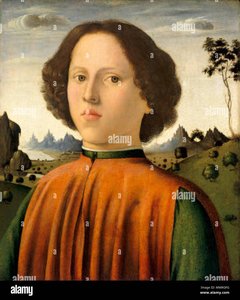
Biagio d'Antonio Tucci
1446 - 1516 , Italy
Основные сведения
- Artistic Movement Or Style: Renaissance
- Artists Or Movements Influenced By This Artist: ['Early Netherlandish Painting']
- Artists Who Influenced This Artist:
- Filippo Lippi
- Andrea del Verrocchio
- Domenico Ghirlandaio
- Date Of Birth: Florence, Italy (1446)
- Date Of Death: 1516
- Full Name: Biagio d'Antonio Tucci
- Nationality: Italian
- Notable Artworks:
- Scenes from the Story of Io
- Madonna di San Biagio
- Place Of Birth: Florence
Похожие статьи
Transforming Spaces: A Comprehensive Exploration of Wall Decor Through Art History & Contemporary Practice
Explore the art of transforming spaces with our comprehensive guide to wall decor. From historical movements to contemporary trends, discover how to curate impactful interiors and commission bespoke artwork for a truly personalized aesthetic.
Возвращение фрески: почему настенные росписи становятся новым символом роскоши
Узнайте о возрождении фрески как символа роскоши! Экспертные статьи о технике, дизайне и применении в интерьере отелей. Закажите уникальную фреску с .
Искусство акцента: масштабирование произведений искусства для создания эффектных интерьеров отелей
Создайте эффектные интерьеры отелей с помощью масштабного искусства! Экспертные советы по выбору, установке и интеграции произведений искусства для незабываемого впечатления гостей. Практические рекомендации и вдохновение.
Топ-10 знаменитых картин для роскошного интерьера гостиной от ArtsDot
Топ-10 знаменитых картин для гостиной от ArtsDot: Ван Гог, Моне и другие шедевры. Узнайте историю искусства и выберите идеальную репродукцию для вашего интерьера! Explore the full collection online.
Sacred Narratives on Canvas: Exploring Religious Scenes & Their Enduring Influence
Explore the rich history of religious art from Giotto to the Renaissance masters with ArtsDot. Discover symbolism, techniques & enduring legacies. Museum-quality reproductions available.