

 Предпросмотр
 Поделиться
 Поделиться
 Детали произведения

 Скачать
 Похожие работы
 Рентгенография
 Слайд-шоу
 Статистика
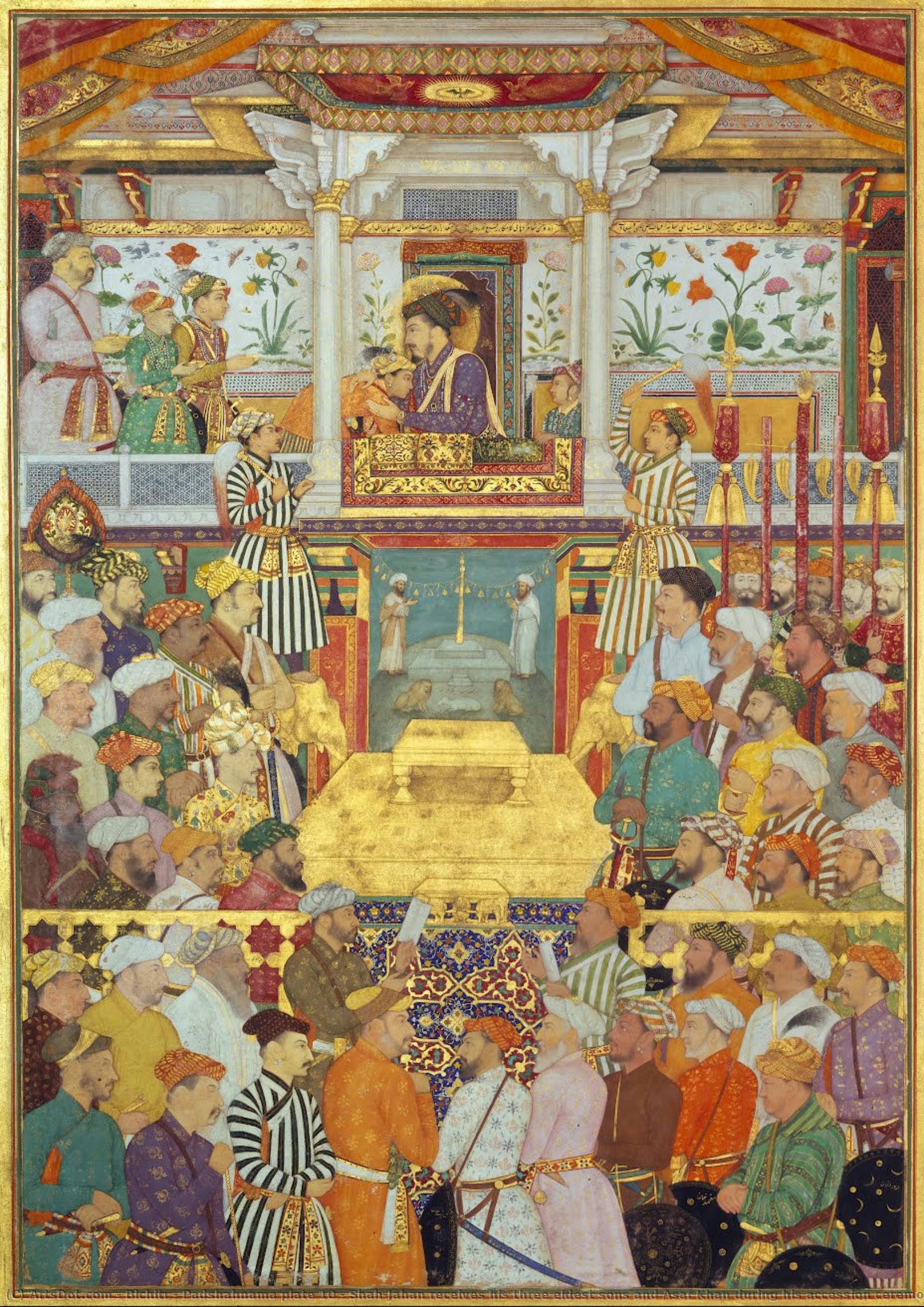
Padshahnama plate 10 : Shah-Jahan receives his three eldest sons and Asaf Khan during his accession ceremonies (8 March 1628)


 Читать далее
Жикле / Арт-принт
Печать (жикле) или холст музейного качества с быстрыми сроками изготовления и широким выбором вариантов отделки. ( Купить картину ручной работы Перейти к цифровым изображениям)




P118B $10

P118H $10

P118W $10

P438Z $10

P508JH $12

P508YH $12

P805H $10

P805Z $10

P919BZ $10

P919G $10

P919XJ $10

P959ZH $10

P968JZ $12

W106C $8

W218G $10

W218JH $8

W218Y $10

W307PJ $10

W316G $10

W316PJ $8

W316Y $10

W398PJ $8

W4111J $10

W500HY $15

W500JH $15

W692G $12

W849H $8

W940BG $15

W953PJ $8




Выберите один из наших стандартных размеров, соответствующих оригинальным пропорциям произведения искусства.

Вы можете указать свои собственные размеры, чтобы репродукция идеально подошла под конкретную раму или пространство. Если выбранный вами размер не будет соответствовать пропорциям оригинала, мы либо обрежем произведение, либо дополним изображение зеркальным отражением краев или однотонной заливкой. Перед началом производства вам будет отправлен цифровой макет для утверждения.
Пожалуйста, обратите внимание, что предварительный просмотр на экране не отображает фактическую обрезку или расширение изображения. Только макет точно покажет финальную композицию.
Несмотря на возможность заказа индивидуальных размеров, мы рекомендуем выбирать размер из предопределенного списка, чтобы сохранить оригинальные пропорции.
Доставка по всему миру () за 2 недели вместо стандартных 4/5 недель. (13 Сентябрь)

Бесплатная экспресс-доставка по всему миру

Высококачественный льняной холст

Полное страхование доставки

Гарантия возмещения таможенных пошлин

Гарантия точного соответствия цветов

100-дневная политика возврата (только при обнаружении дефектов)

Гарантия возврата 100% средств

Предложение оптовых скидок
 Вариант со стеклом доступен только для размеров менее 110 см

Padshahnama plate 10 : Shah-Jahan receives his three eldest sons and Asaf Khan during his accession ceremonies (8 March 1628)
Жикле / Арт-принт
Размер репродукции
-


Итоговая стоимость
$ 62
A Royal Reunion Captured in Gold
In the grand tapestry of Mughal history, few moments possess the dramatic tension and ceremonial splendor captured by the master painter Bichitr in his Padshahnama plate 10. This exquisite miniature painting serves as a window into the spring of 1628, a period defined by both political upheaval and profound familial reconciliation. As the Emperor Shah Jahan returned to the Agra Fort following a turbulent rebellion against his father, Jahangir, he did not return alone; he brought with him the promise of a new era, flanked by his three eldest sons: Dara Shukoh, Shah Shames, and Aurangzeb. To gaze upon this work is to witness more than just a historical record; it is to feel the palpable weight of an empire being reshuffled, where every figure placed within the frame contributes to a narrative of legitimacy and divine right.
The composition is a masterclass in hierarchical arrangement, designed to guide the viewer’s eye toward the seat of absolute power. Bichitr utilizes a richly ornamented balcony to create a stage-like setting, elevating the imperial family above the terrestrial realm. At the heart of this celestial gathering sits Shah Jahan, his presence commanding and serene, surrounded by the very heirs who would shape the future of India. The artist’s use of space is deliberate; by flanking the central figures with two majestic horses, Bichitr introduces a layer of symbolic prestige. One horse, positioned near the center, acts as an emblem of the Emperor's vast dominion, while the second, situated to the right, serves as a silent herald of auspiciousness and divine favor, suggesting that this transition of power is sanctioned by the heavens themselves.
The Alchemy of Mughal Brilliance
For the discerning collector or interior designer, the true allure of this piece lies in its breathtaking technical execution. Bichitr was a virtuoso of the 17th-century Mughal style, and his mastery is evident in the luminous, almost ethereal surfaces of the painting. Through the painstaking application of opaque watercolors and the strategic layering of genuine gold leaf, the artist achieved a brilliance that seems to radiate from within the paper itself. The way light interacts with the metallic pigments creates a sense of movement, particularly in the intricate rendering of the Lucknow silk cloth and the heavy, opulent drapery worn by the princes.
Every brushstroke serves a dual purpose: to provide hyper-realistic detail and to enhance the symbolic texture of the scene. The meticulous rendering of fine fabrics, jewelry, and even the subtle shading on skin tones demonstrates a level of precision that remains unparalleled. This technique does more than just depict luxury; it evokes an emotional response of awe and reverence. For those seeking to incorporate such a masterpiece into a curated space, a high-quality reproduction offers the opportunity to bring this sense of historical grandeur and luminous warmth into a modern environment. The painting’s vibrant color palette and intricate patterns provide a sophisticated focal point that speaks of timeless elegance, making it an incomparable choice for any collection dedicated to the splendor of the East.
Похожие произведения


Биография художника
Bichitr: A Mughal Master of Vibrant Detail
Early Life and Training
- Bichitr was an Indian painter active during the Mughal period. His origins are somewhat obscure, with details about his early life remaining largely undocumented.
- It is believed he was born in India during the 16th century and likely received training from his father or another experienced artist – a common practice at the time.
- His earliest known work dates to around 1615, indicating he was already a mature artist by that point. He remained active possibly until 1660.
Patronage and Artistic Context
- Bichitr enjoyed the patronage of two significant Mughal emperors: Jahangir and Shah Jahan. This imperial support was crucial for his artistic development and allowed him to create some of his most celebrated works.
- The Mughal court fostered a rich artistic environment, blending Persian, Indian, and increasingly, European influences. Bichitr thrived within this dynamic context.
- Mughal painting during this period was renowned for its meticulous detail, vibrant colors, and sophisticated compositions, often depicting scenes from court life, historical events, and literary narratives.
Artistic Style and Influences
- Bichitr’s style is distinguished by its exquisite craftsmanship, faultless technique, and a majestic formality. Britannica notes his court style may have been the most brilliant of all Mughal painters.
- He skillfully integrated Indian and Persian artistic traditions, creating a unique visual language.
- European influences are also evident in his work. Bichitr incorporated elements such as figures with shadows, Western perspective techniques, and even the occasional *putto* (cherubic figure) into his compositions.
- His paintings often feature intricate details, vibrant color palettes, and a refined sense of composition.
Notable Works
- Manohar: scenes from the childhood Krishna, from a *Sur Sagar* manuscript (housed in the Toledo Museum of Art), is one of his most celebrated works. This intricate drawing showcases his mastery of blending traditional Indian styles with European influences.
- He also created numerous portraits of Mughal emperors and nobles, demonstrating his skill in capturing likenesses and conveying status through artistic representation.
- His contributions to illuminated manuscripts were significant, adding visual splendor to literary texts.
Legacy and Historical Significance
- Bichitr’s legacy as a Mughal painter endures today. His unique artistic style has influenced generations of Indian artists.
- His work is admired for its beauty, craftsmanship, and the harmonious blend of diverse cultural influences.
- As a prominent figure in the Mughal art movement, Bichitr’s contributions to Indian art are undeniable. His paintings provide valuable insights into the artistic tastes and cultural values of the Mughal court.
- His works can be found in prestigious museums and collections worldwide, including the Victoria and Albert Museum in London.
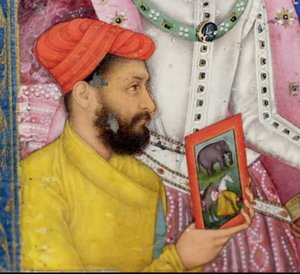
Bichitr
1660 , India
Основные сведения
- Birth Place: New Delhi, India
- Death Date: 1660
- Influenced: Later Indian artists
- Influenced By: European art
- Movement: Mughal painting
- Name: Bichitr
- Nationality: Indian
- Notable Works: Manohar: scenes from the childhood krishna
Похожие статьи
Jan van Kessel the Elder: A Baroque Master of Floral Still Life & Miniature Portraiture
Discover the exquisite detail of Jan van Kessel the Elder's Baroque floral still lifes & captivating miniatures. Explore his artistic legacy, scientific precision, and lasting influence on 17th-century Flemish painting.
From Portraiture to Power: The Rise of Bespoke Royal-Themed Paintings as Luxury Personalized Gifts
Discover bespoke royal paintings – luxury personalized gifts crafted by skilled artists. Commission a unique heirloom artwork & elevate your space with timeless elegance. Expert art consultation available.
The Majesty of Representation: Exploring Regal Imagery in Art History
Explore the captivating history of royal portraiture with ArtsDot. Discover the symbolism, artistry, and enduring legacy of regal imagery in art. Expert insights for collectors & enthusiasts.
Марианна Норт: 25 Шедевров Художницы и Путешественницы | ArtsDot
Погрузитесь в мир ботанической живописи с Марианной Норт! 25 шедевров викторианской художницы, полных экзотических цветов и тропических пейзажей. Купить репродукции картин онлайн на ArtsDot – вдохновение для вашего интерьера!
Raja Ravi Varma: Bridging Tradition & Modernity in 19th-Century Indian Art
Explore the life & art of Raja Ravi Varma, a pioneer who fused European techniques with Indian iconography. Discover his iconic paintings, lasting legacy, and influence on modern Indian art at ArtsDot.