

 Предпросмотр
 Поделиться
 Поделиться
 Детали произведения

 Скачать
 Похожие работы
 Рентгенография
 Слайд-шоу
 Статистика
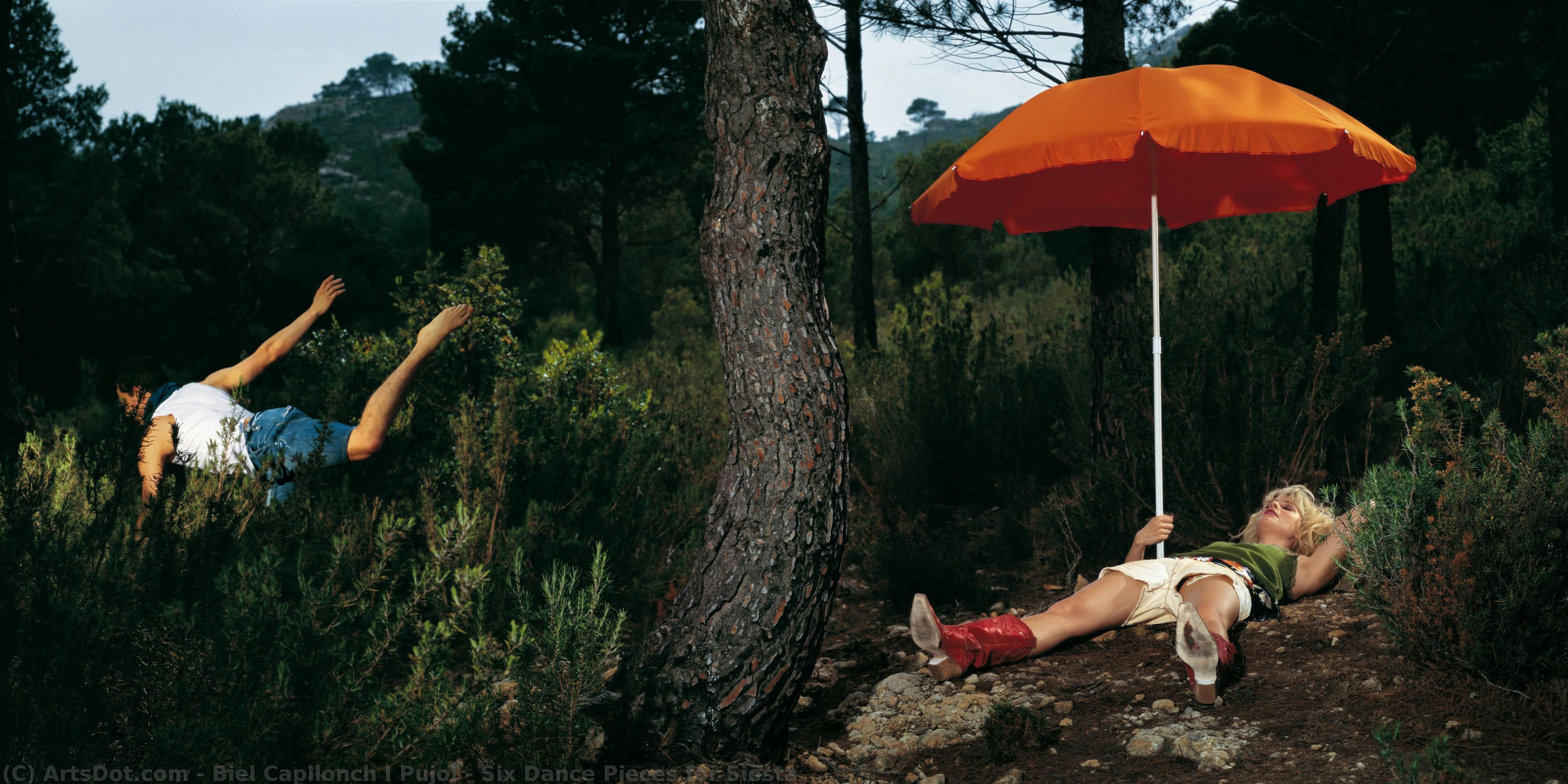
Six Dance Pieces for Siesta
 2006
2006 60.0 x 120.0 cm
 Design Museum of Barcelona
 Читать далее
Масляная репродукция ручной работы
Картина маслом на холсте в выбранном вами размере и раме, написанная на заказ нашими художниками. ( Перейти к печати Перейти к цифровым изображениям)




































Выберите один из наших стандартных размеров, соответствующих оригинальным пропорциям произведения искусства.

Вы можете указать собственные размеры, чтобы картина идеально вписалась в выбранную раму или пространство. Если выбранный вами размер не соответствует пропорциям оригинала, мы либо обрежем полотно, либо расширим его за счет дополнительных элементов, написанных вручную. Цифровой макет будет отправлен вам на утверждение перед началом производства.
Обратите внимание, что предварительный просмотр на экране не отражает фактическую обрезку или расширение. Только макет точно покажет окончательную композицию.
Хотя доступны индивидуальные размеры, мы рекомендуем выбирать вариант из предопределенного списка, чтобы сохранить исходные пропорции.
После оформления заказа команда ArtsDot.com свяжется с клиентом по электронной почте для уточнения деталей и предоставит предварительный макет
Доставка по всему миру () за 3–4 недели вместо стандартных 5 недель. (11 Сентябрь). Без компромиссов в качестве.

Бесплатная экспресс-доставка по всему миру

Высококачественный льняной холст

Полное страхование доставки

Гарантия возмещения таможенных пошлин

Гарантия точного соответствия цветов

100-дневная политика возврата (только при обнаружении дефектов)

Гарантия возврата 100% средств

Предложение оптовых скидок
 Вариант со стеклом доступен только для размеров менее 110 см

Six Dance Pieces for Siesta
Техника репродукции
Размер репродукции
-


Итоговая стоимость
$ 263
Похожие произведения







Биография художника
Robert Rauschenberg: A Life in Flux and Fusion
Born Milton Ernest Rauschenberg in Port Arthur, Texas, on October 22, 1925, Robert Rauschenberg’s artistic journey was defined by a restless curiosity and an unwavering commitment to blurring the boundaries between disciplines. His early life, shaped by a fundamentalist Christian upbringing and a strong connection to his family—particularly his sister Janet—provided a grounding that would later inform his exploration of personal narratives and societal observations. Rauschenberg’s artistic development wasn't linear; it was a constant process of experimentation, absorbing influences from various sources – including the vibrant energy of post-war New York, the burgeoning world of assemblage art, and the radical ideas circulating within the nascent Pop Art movement.
Early studies at the University of Texas at Austin exposed him to the principles of design and photography, skills he would later master. However, it was his time in Europe, particularly in France during 1949-50, that proved transformative. Immersed in a milieu of avant-garde artists and writers—including Jean Arp, Max Ernst, and Marcel Duchamp—Rauschenberg began to dismantle traditional notions of painting and sculpture. He embraced the concept of “chance” as a crucial element in his creative process, utilizing techniques like card decks and dice rolls to determine color palettes, compositional arrangements, and even the incorporation of found objects into his work.
The Rise of Assemblage and Combines
Rauschenberg’s breakthrough came with his “Assemblages” (1954-1960), works that challenged the established hierarchy between painting and sculpture. These pieces, often constructed from everyday materials—discarded objects, photographs, fabric scraps, and even human hair—were not merely decorative; they were complex statements about consumer culture, memory, and the relationship between art and life. The term “Combine” emerged to describe his subsequent series of works (1954-1964), which further pushed these boundaries by integrating painting with sculptural elements, often incorporating found objects directly onto the canvas. These Combines—such as *Monogram* (1955) – were deliberately ambiguous, inviting viewers to interpret their meaning through a process of active engagement.
The influence of Marcel Duchamp is undeniable in Rauschenberg’s approach. Like Duchamp, he questioned the very definition of art, arguing that its value resided not in technical skill but in the conceptual idea behind it. However, unlike Duchamp's often ironic detachment, Rauschenberg infused his work with a palpable sense of empathy and vulnerability. His use of photographs—often sourced from vernacular magazines—added another layer of complexity, layering personal memories with broader cultural contexts.
Autobiography: A Monumental Reflection
In 1968, Rauschenberg created *Autobiography*, a monumental print that stands as one of the most significant works of his career. Commissioned by Marion Javits, wife of Senator Jacob Javits, this sixteen-and-a-half-foot-tall work is a sprawling collage of images—photographs, X-rays, maps, and found objects—arranged in a chaotic yet meticulously orchestrated composition. Printed on three sheets of paper using a billboard press (an unprecedented technique for fine art printing at the time), *Autobiography* represents a culmination of Rauschenberg’s artistic explorations, serving as a visual autobiography that simultaneously celebrates his personal history and reflects upon the broader cultural landscape.
The text printed on the central panel of *Autobiography*, transcribed in detail by Rauschenberg himself, is a poignant meditation on memory, loss, and the passage of time. It’s a deeply personal work, yet it also speaks to universal themes of identity and experience. The use of indexical images—direct traces of the artist's life—creates a powerful sense of immediacy and intimacy.
Late Career and Legacy
Throughout the 1970s and beyond, Rauschenberg continued to experiment with new media, including papermaking, performance art, and tapestry. He remained committed to his core principles of chance, collaboration, and the integration of disparate elements. His work during this period often explored themes of environmentalism, social justice, and the complexities of human relationships.
Rauschenberg’s influence on subsequent generations of artists is immeasurable. His pioneering approach to assemblage, his embrace of chance operations, and his willingness to challenge traditional artistic conventions paved the way for a wide range of contemporary practices. He received numerous accolades throughout his career, including the National Medal of Arts in 1993 and the Leonardo da Vinci World Award of Arts in 1995. Robert Rauschenberg died on May 12, 2008, leaving behind a vast and remarkably diverse body of work that continues to inspire and provoke thought.

biel capllonch i pujol
1968 - , Spain
Основные сведения
- Artistic Movement Or Style:
- Assemblage
- Pop Art
- Neo-Dada
- Abstract Expressionism
- Artists Or Movements Influenced By This Artist:
- Andy Warhol
- Minimalism
- Artists Who Influenced This Artist:
- Picasso
- Pollock
- Jasper Johns
- Date Of Birth: October 22, 1925
- Date Of Death: May 12, 2008
- Full Name: Robert Rauschenberg
- Nationality: American
- Notable Artworks:
- Monogram
- Canyon
- Rauschenberg Prints
- Autobiography
- Place Of Birth: Port Arthur, Texas, USA