

 Предпросмотр
 Поделиться
 Поделиться
 Детали произведения

 Скачать
 Похожие работы
 Рентгенография
 Слайд-шоу
 Статистика
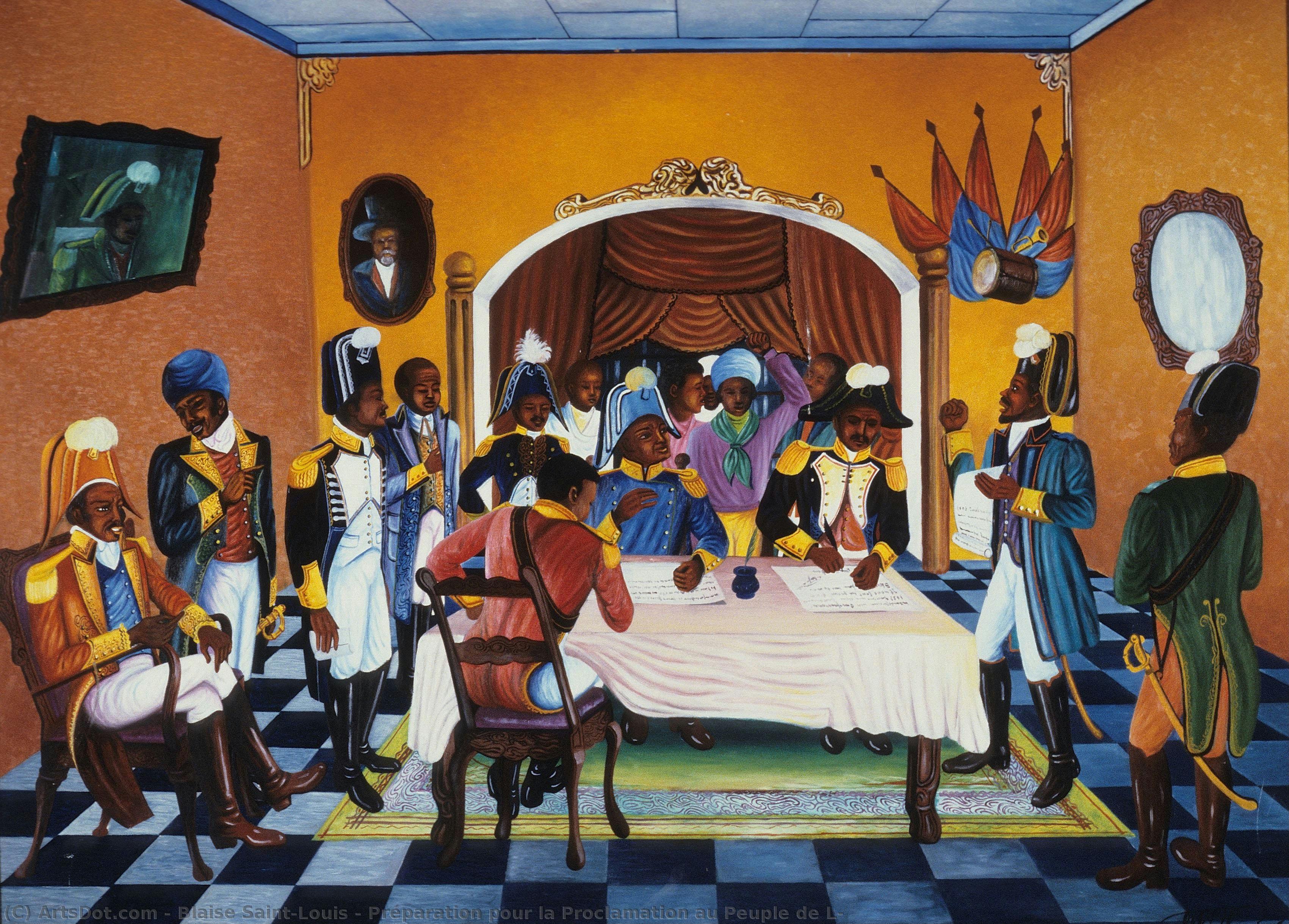
Préparation pour la Proclamation au Peuple de L


 Читать далее
Масляная репродукция ручной работы
Картина маслом на холсте в выбранном вами размере и раме, написанная на заказ нашими художниками. ( Перейти к печати Перейти к цифровым изображениям)




P118B $10

P118H $10

P118W $10

P438Z $10

P508JH $12

P508YH $12

P805H $10

P805Z $10

P919BZ $10

P919G $10

P919XJ $10

P959ZH $10

P968JZ $12

W106C $8

W218G $10

W218JH $8

W218Y $10

W307PJ $10

W316G $10

W316PJ $8

W316Y $10

W398PJ $8

W4111J $10

W500HY $15

W500JH $15

W692G $12

W849H $8

W940BG $15

W953PJ $8




Выберите один из наших стандартных размеров, соответствующих оригинальным пропорциям произведения искусства.

Вы можете указать собственные размеры, чтобы картина идеально вписалась в выбранную раму или пространство. Если выбранный вами размер не соответствует пропорциям оригинала, мы либо обрежем полотно, либо расширим его за счет дополнительных элементов, написанных вручную. Цифровой макет будет отправлен вам на утверждение перед началом производства.
Обратите внимание, что предварительный просмотр на экране не отражает фактическую обрезку или расширение. Только макет точно покажет окончательную композицию.
Хотя доступны индивидуальные размеры, мы рекомендуем выбирать вариант из предопределенного списка, чтобы сохранить исходные пропорции.
После оформления заказа команда ArtsDot.com свяжется с клиентом по электронной почте для уточнения деталей и предоставит предварительный макет
Доставка по всему миру () за 3–4 недели вместо стандартных 5 недель. (12 Сентябрь). Без компромиссов в качестве.

Бесплатная экспресс-доставка по всему миру

Высококачественный льняной холст

Полное страхование доставки

Гарантия возмещения таможенных пошлин

Гарантия точного соответствия цветов

100-дневная политика возврата (только при обнаружении дефектов)

Гарантия возврата 100% средств

Предложение оптовых скидок
 Вариант со стеклом доступен только для размеров менее 110 см

Préparation pour la Proclamation au Peuple de L
Техника репродукции
Размер репродукции
-


Итоговая стоимость
$ 263
A Grand Tableau of Haitian History
In the sweeping, monumental canvas of Préparation pour la Proclamation au Peuple de L, the viewer is not merely observing a painting but is instead thrust into a pivotal moment of historical tension and communal gathering. Created in 1994 by the visionary Haitian master Blaise Saint-Louis, this large-scale mural serves as a profound window into the soul of a nation. The scene unfolds within a crowded room, where a diverse assembly of at least fourteen figures congregates around a central dining table. There is an undeniable sense of gravity in the air; the characters, dressed in a rich variety of costumes ranging from formal ties to ceremonial attire, seem caught in the breathless pause before a monumental declaration. The presence of cups, bowls, and wine glasses suggests a communal ritual, yet the atmosphere is far from celebratory—it is charged with the weight of impending change.
The composition is masterfully orchestrated to guide the eye through a labyrinth of human emotion and historical significance. Saint-Louis utilizes a meticulous, detail-oriented technique that demands close inspection. As one wanders through the crowd, the eyes are frequently drawn to the sharp, sudden presence of three swords positioned strategically throughout the frame—near the upper left, the center, and the bottom right. These blades act as silent sentinels of conflict, cutting through the domesticity of the dining scene to remind the viewer that the proclamation being prepared is one of revolution and struggle. This juxtaposition of the mundane—the setting of a meal—with the lethal reality of weaponry creates a cinematic tension that is both haunting and deeply captivating.
The Visionary Hand of Blaise Saint-Louis
To understand this work, one must understand the lineage of its creator. Blaise Saint-Louis emerged from a prestigious family of painters, honing his craft in the vibrant artistic hubs of Cap-Haïtien and Port-au-Prince. His style is deeply rooted in the historical narratives of Haiti, characterized by an unwavering commitment to precision and an observant eye for the human condition. In this particular piece, Saint-Louis moves beyond mere portraiture to create a complex tapestry of identity and resistance. His ability to render textures—the fabric of a hat, the glint of a blade, the porcelain of a bowl—serves to ground the historical drama in a tangible, visceral reality.
For the discerning collector or interior designer, this artwork offers more than just visual splendor; it offers a narrative depth that transforms any space. The painting’s scale and complexity make it an ideal centerpiece for those seeking to evoke themes of heritage, resilience, and the enduring human spirit. Whether displayed in a private gallery or a sophisticated contemporary living space, Préparation pour la Proclamation au Peuple de L acts as a conversation starter, inviting onlookers to contemplate the delicate balance between peace and revolution, and the heavy responsibility of leadership in the face of history.
Похожие произведения
Биография художника
Blaise Saint-Louis: Haitian Visionary Painter
Blaise Saint-Louis (born 1956) stands as a pivotal figure in Haitian art, recognized for his evocative depictions of Dessalines and the broader history of Haiti. His artistic journey began amidst the vibrant cultural landscape of Cap-Haïtien, where he honed his craft under the mentorship of Jean-Baptiste Botttex and Seymour Bottex, establishing himself as a respected artist within Senegal’s creative community. Saint Louis's distinctive style—characterized by meticulous detail and an unwavering commitment to capturing historical narratives—has garnered international acclaim.- Early Life & Education: Born in 1956 in Cap-Haïtien, Saint Louis demonstrated exceptional intellectual aptitude from a young age, mastering mathematics and science with remarkable speed thanks to his father’s dedication to education. This formative period instilled in him a profound appreciation for precision and observation—qualities that would become hallmarks of his artistic practice.
- Influence & Artistic Style: Saint Louis's work draws heavily from the legacy of Haitian history, particularly the Haitian Revolution led by Jean Jacques Dessalines. He meticulously recreates battle scenes and portraits of historical figures, conveying not merely visual representations but also emotional resonance and intellectual depth. His artistic style prioritizes realism, employing masonite as his primary medium to achieve remarkable textural accuracy.
- Notable Works: Saint Louis’s oeuvre includes celebrated paintings such as “Préparation pour la proclamation au peuple de l'État haïtien” (Preparation for the Proclamation of Haiti), which powerfully captures the spirit of independence and resilience—themes central to Haitian identity. His artistic explorations extend beyond historical subjects, delving into landscapes and portraits that reflect the beauty and complexity of Haitian culture.
- Recognition & Legacy: Saint Louis’s contributions to Haitian art have been acknowledged by UNESCO, recognizing his work as a testament to Senegal's cultural heritage. He continues to inspire younger artists and scholars alike, cementing his place as one of Haiti’s most influential painters—a voice for preserving history and conveying its emotional impact through visual storytelling.
Technical Mastery & Material Choices
Saint Louis’s artistic technique is distinguished by a dedication to meticulous detail and an unwavering focus on capturing the essence of his subjects. He skillfully utilizes masonite, a durable sedimentary rock known for its ability to retain pigment and resist cracking—a material choice that underscores his commitment to preserving visual fidelity across generations. The artist's painstaking layering of paint creates textured surfaces that convey depth and nuance, reflecting his profound understanding of artistic principles.- Masonite Medium: Saint Louis’s preference for masonite reflects a deliberate consideration of material properties—specifically its stability and resistance to environmental factors. This choice ensures the longevity of his artworks while allowing for expressive manipulation of texture and surface finish.
- Layered Painting Technique: Saint Louis employs a layered painting technique that builds upon successive applications of pigment, resulting in rich visual effects. Each layer contributes to the overall depth and dimensionality of the artwork—a testament to his mastery of artistic craftmanship.
Connections & Collaborations
Saint Louis’s artistic development benefited from collaborations with Jean-Baptiste Botttex and Seymour Bottex, who served as mentors during his formative years. These partnerships fostered intellectual exchange and honed Saint Louis's skills—demonstrating the importance of mentorship in nurturing artistic talent. Furthermore, Saint Louis’s work has been showcased internationally, establishing him as a respected voice within the global art community.Further Exploration
For more information about Blaise Saint-Louis and his artwork, please refer to:Serge Moléon Blaise: Wikipedia Search
Dessalines, Petion, Capois by St. Louis Blaise: Google Arts & Culture
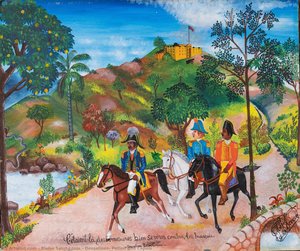
blaise saint-louis
Senegal
Основные сведения
- Artistic Movement Or Style: Rationalism
- Artists Or Movements Influenced By This Artist: ['Rationalism']
- Artists Who Influenced This Artist: ['René Descartes']
- Date Of Birth: June 19, 1623
- Date Of Death: August 19, 1662
- Full Name: Blaise Pascal
- Nationality: French
- Notable Artworks:
- Le Bourgeois et son chat
- L'Arbre Interdit
- Place Of Birth: Clermont-Ferrand, France
Похожие статьи
Муралы в интерьере отеля: руководство по созданию запоминающегося дизайна
Руководство для дизайнеров отелей по использованию муралов. Создайте уникальный и запоминающийся интерьер с помощью настенной живописи. Вдохновляющие примеры, советы экспертов.
Преображение прихожей: создание незабываемого первого впечатления с помощью настенных росписей
Создайте незабываемое первое впечатление с помощью настенных росписей в прихожей отеля! Экспертные советы, стильные решения и качественные работы от .
Роспись стен как визуальная идентичность бренда: руководство для отельеров и дизайнеров
Узнайте, как роспись стен может стать мощным инструментом брендинга для вашего отеля или ресторана. Советы экспертов по дизайну и реализации от .

Преображение интерьеров: как муралы переосмысливают кухни и ванные комнаты
Узнайте, как муралы преобразят вашу кухню и ванную комнату! Экспертные советы по выбору дизайна, материалам и уходу. Создайте уникальный интерьер с помощью росписи стен.

От джунглей до золотой геометрии: тренды муралов для стильных интерьеров отелей
Узнайте о последних трендах муралов для отелей! Экспертные советы по выбору стиля, заказу и интеграции настенной живописи в дизайн интерьера. Создайте уникальную атмосферу с .