


 Предпросмотр
 Поделиться
 Поделиться
 Детали произведения

 Скачать
 Похожие работы
 Рентгенография
 Слайд-шоу
 Статистика
Бракосочетание Девы Марии


 Читать далее
Приобретите цифровое изображение высокого разрешения в улучшенном качестве, которое значительно превосходит онлайн-превью.
Каждый файл тщательно подготавливается нашими специалистами с использованием передовых инструментов и экспертной ручной ретуши. Мы гарантируем исключительную четкость, точную цветопередачу и детальную проработку каждого изображения.
Финальный файл доставляется по электронной почте в течение 72 часов и оптимизирован для немедленного использования в профессиональной среде, при верстке и печати. Это тот же уровень качества, которому доверяют ведущие дизайнерские студии, издательства и галереи.
Цифровое изображение
Скачайте файл высокого разрешения для личного использования, печати и творческих проектов. ( Перейти к печати Купить картину ручной работы)
Включено в каждый заказ цифровых изображений
Гарантия экспертной цифровой доставки
Выбирая ArtsDot.com, вы получаете не просто изображение — вы приобретаете профессионально обработанное цифровое произведение искусства, созданное с безупречной точностью и под защитой гарантии качества. Вот всё, что автоматически входит в ваш заказ:

Мгновенная доставка по e-mail
Ваш цифровой файл в высоком разрешении будет отправлен вам по электронной почте в течение 72 часов после оформления заказа — и сразу станет доступен для использования.

Цифровой файл с ИИ-улучшением
Ваше произведение искусства проходит профессиональную оптимизацию с использованием передовых инструментов ИИ и ручной обработки, что гарантирует максимальную детализацию, четкость и точность цветопередачи.

Бессрочная бесплатная повторная доставка
Случайно удалили или потеряли файл? Не беспокойтесь — мы отправим его вам повторно в любое время и совершенно бесплатно.

Без импортных пошлин — навсегда
Наслаждайтесь вашим произведением искусства мгновенно без таможенных пошлин, сборов или затрат на доставку — цифровые загрузки всегда не облагаются налогом.

Гарантия точности цветопередачи
Мы гарантируем, что ваше цифровое изображение максимально точно передает оригинальные цвета благодаря использованию профессиональных инструментов и систем управления цветом.

Гарантия удовлетворенности 100 дней
Если вы не будете удовлетворены своим цифровым изображением, мы внесем правки или вернем 100% стоимости в течение 100 дней — без лишних вопросов.

100% Гарантия возврата средств
Не удовлетворены покупкой? Получите полный возврат средств в течение 100 дней после получения цифрового файла — без лишних вопросов.

Скидки на оптовые заказы
Купите 3 изображения, сэкономьте 10% — Купите 5, сэкономьте 15% — Купите 10+, сэкономьте 20%. Отличное решение для творческих проектов, галерей и агентств.
Betrothal of Mary – A Masterpiece of Cremonese Fresco Art
The fresco “Betrothal of Mary,” executed by Boccaccio Boccaccino in 1514, stands as a testament to the artistic fervor of the early Italian Renaissance and specifically the Cremona School. Located within the Cathedral of Cremona, this monumental artwork offers a glimpse into a pivotal moment in Christian iconography – the solemn ceremony marking Mary’s engagement to Joseph.
- Artist: Boccaccio Boccaccino (c. 1460 – c. 1525) – A sculptor and painter whose influence extended across Emilia Romagna and Venice, Boccaccino was recognized by Vasari as a cornerstone of his era’s artistic achievements.
- Date: 1514 – Commissioned during the reign of Maximilian I, the fresco reflects the humanist ideals prevalent in European courts at the time, prioritizing intellectual contemplation alongside religious devotion.
- Location: Cathedral of Cremona – The cathedral itself embodies Gothic grandeur blended with Renaissance refinement, providing a dramatic backdrop for Boccaccino’s ambitious undertaking.
Style and Technique
Boccaccino adhered to established artistic conventions while simultaneously injecting his own distinctive vision into the composition. Drawing inspiration from Albrecht Dürer's woodcut series “Life of the Virgin,” he skillfully employed a technique known as *trompe l’œil*, creating an illusionistic depth that enhances the realism of the figures and architectural setting. The fresco utilizes tempera paint on plaster, ensuring exceptional durability and preserving vibrant colors for centuries.
The artist meticulously crafted each detail—from the folds of the drapery to the expressions etched upon the faces of the participants—demonstrating unparalleled artistic precision. Color palettes dominated by earthy tones – ochre, umber, siennas – are punctuated by splashes of crimson and azure, strategically deployed to emphasize key elements within the scene.
Historical Context and Symbolism
“Betrothal of Mary” is situated firmly within the broader context of Renaissance religious art. The depiction aligns with medieval traditions concerning Marian iconography, emphasizing Mary’s purity and divine grace. The central figure—Joseph—represents patriarchal authority and symbolizes God's providence safeguarding the sanctity of marriage.
The inclusion of a book or document underscores the importance of legal agreements and signifies the solemnity of the occasion. Furthermore, the architectural elements – columns and arches – hark back to Gothic grandeur while simultaneously embracing Renaissance proportions and harmony. The overall effect is one of profound spiritual contemplation, inviting viewers to contemplate themes of faith, love, and divine grace.
Emotional Impact
Boccaccino’s fresco transcends mere visual representation; it communicates an emotional resonance that continues to captivate audiences today. The serene expressions of the figures convey a sense of solemn reverence, capturing the essence of this sacred rite. The masterful use of color and perspective contributes to creating an immersive experience, transporting viewers back to Renaissance Cremona and fostering contemplation on the enduring significance of Christian faith.
Похожие произведения
Биография художника
The Luminescent Legacy of Boccaccio Boccaccino
In the golden twilight of the Quattrocento, a period defined by the profound rebirth of classical ideals, Boccaccio Boccaccino emerged as a vital architect of the Emilian school's visual language. Born near Ferrara around 1460, Boccaccino’s life was woven into the very fabric of the Italian Renaissance, a time when the boundaries between sculpture and painting were fluid and the pursuit of naturalism was an all-consuming passion. While the historical record offers only fragmented glimpses into his early years, the sheer majesty of his surviving works allows us to reconstruct a narrative of immense talent and profound influence. His journey from the humanist traditions of Ferrara to the grander stages of Cremona and Venice represents more than just a personal career; it mirrors the expansion of an artistic movement that sought to harmonize the divine with the earthly through light, color, and meticulous detail.
The foundations of Boccaccino’s aesthetic were likely laid under the tutelage of Domenico Panetti, a master whose devotion to humanist precision instilled in the young artist a reverence for classical form. This early training provided the essential scaffolding upon which Boccaccino would build his later, more complex compositions. As he moved through the artistic landscapes of Northern Italy, his style began to coalesce into something uniquely distinctive—a blend of the delicate grace found in Venetian works and the structural rigor characteristic of the Emilian tradition. His ability to manipulate trompe l'oeil effects and master atmospheric perspective suggests an artist who was not merely a decorator of walls, but a storyteller capable of manipulating space to evoke deep spiritual resonance.
A Master of the Cremonese Fresco
The true zenith of Boccaccino’s career is inextricably linked to the Cathedral of Cremona. Between 1506 and 1519, he became a central figure in a prolific workshop alongside luminaries such as Pietro Parmeggiani and Andrea Altobello Melone. This period was marked by an extraordinary collaborative energy that transformed the cathedral into a sanctuary of Renaissance innovation. His frescoes are not merely religious illustrations; they are immersive environments where the boundaries between the viewer's world and the sacred realm begin to dissolve. Through the use of soft, luminous transitions and a sophisticated understanding of light, Boccaccino achieved a sense of sfumato that brought a breathing, organic quality to his figures.
His mastery extended far beyond the monumental scale of fresco painting into the intimate realm of devotional works. The artist possessed a singular gift for rendering the Virgin and Child with a tenderness that felt both timeless and profoundly human. In these compositions, one finds:
- A harmonious balance between landscape and figure, where nature serves as a silent participant in the divine narrative.
- An exquisite attention to the textures of fabric and the subtle glow of skin, achieved through layered glazes and careful pigment selection.
- The integration of classical motifs that reflect the humanist intellectual climate of his era.
Historical Significance and Enduring Influence
Though the passage of centuries has occasionally obscured the specific biographical milestones of Boccaccio Boccaccino, his impact on the trajectory of Italian art remains undeniable. As documented by Giorgio Vasari in his seminal Lives of Eminent Painters, Sculptors, and Architects, Boccaccino was a figure of significant repute whose technical prowess commanded respect across regional borders. His workshop served as a crucible for the next generation of artists, most notably influencing the development of Garofalo, who would go on to carry the torch of the Emilian style into the High Renaissance.
The historical significance of Boccaccino lies in his role as a bridge between the meticulous detail of the early Renaissance and the more fluid, emotive grandeur of the later period. He helped establish Cremona as a vital center of artistic production, proving that the periphery of the Italian peninsula could produce art of equal complexity and spiritual depth to the great centers of Florence or Rome. Today, when we gaze upon the remnants of his frescoes or the quiet dignity of his Madonnas, we are witnessing the enduring triumph of an artist who mastered the art of making the eternal visible.
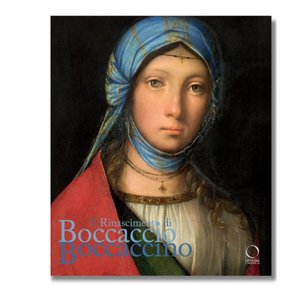
Boccaccio Boccaccino
1460 - 1525 , Italy
Основные сведения
- Artistic Movement Or Style: Early Italian Renaissance; Emilian School
- Artists Or Movements Influenced By This Artist: ['Garofalo']
- Artists Who Influenced This Artist: ['Domenico Panetti']
- Date Of Birth: c. 1460
- Date Of Death: c. 1525
- Full Name: Boccaccio Boccaccino
- Nationality: Italian
- Notable Artworks:
- Virgin and Child
- Marriage of Saint Catherine
- Holy Family
- Place Of Birth: Ferrara, Italy