

 Предпросмотр
 Поделиться
 Поделиться
 Детали произведения

 Скачать
 Похожие работы
 Рентгенография
 Слайд-шоу
 Статистика
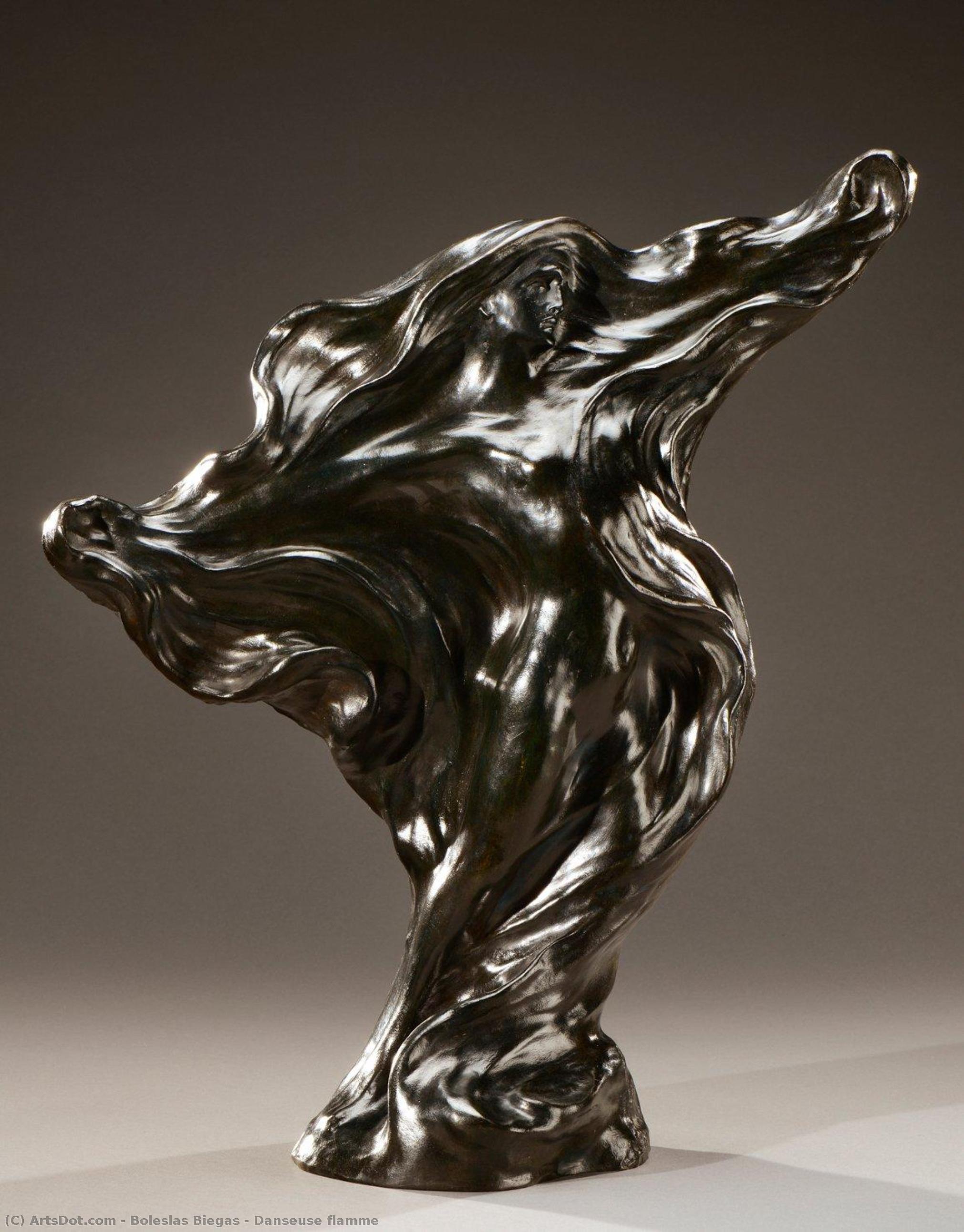
Danseuse flamme
 Art Nouveau
 1907
1907 51.0 x 33.0 cm
 Читать далее
Приобретите цифровое изображение высокого разрешения в улучшенном качестве, которое значительно превосходит онлайн-превью.
Каждый файл тщательно подготавливается нашими специалистами с использованием передовых инструментов и экспертной ручной ретуши. Мы гарантируем исключительную четкость, точную цветопередачу и детальную проработку каждого изображения.
Финальный файл доставляется по электронной почте в течение 72 часов и оптимизирован для немедленного использования в профессиональной среде, при верстке и печати. Это тот же уровень качества, которому доверяют ведущие дизайнерские студии, издательства и галереи.
Цифровое изображение
Скачайте файл высокого разрешения для личного использования, печати и творческих проектов. ( Перейти к печати Купить картину ручной работы)
Включено в каждый заказ цифровых изображений
Гарантия экспертной цифровой доставки
Выбирая ArtsDot.com, вы получаете не просто изображение — вы приобретаете профессионально обработанное цифровое произведение искусства, созданное с безупречной точностью и под защитой гарантии качества. Вот всё, что автоматически входит в ваш заказ:

Мгновенная доставка по e-mail
Ваш цифровой файл в высоком разрешении будет отправлен вам по электронной почте в течение 72 часов после оформления заказа — и сразу станет доступен для использования.

Цифровой файл с ИИ-улучшением
Ваше произведение искусства проходит профессиональную оптимизацию с использованием передовых инструментов ИИ и ручной обработки, что гарантирует максимальную детализацию, четкость и точность цветопередачи.

Бессрочная бесплатная повторная доставка
Случайно удалили или потеряли файл? Не беспокойтесь — мы отправим его вам повторно в любое время и совершенно бесплатно.

Без импортных пошлин — навсегда
Наслаждайтесь вашим произведением искусства мгновенно без таможенных пошлин, сборов или затрат на доставку — цифровые загрузки всегда не облагаются налогом.

Гарантия точности цветопередачи
Мы гарантируем, что ваше цифровое изображение максимально точно передает оригинальные цвета благодаря использованию профессиональных инструментов и систем управления цветом.

Гарантия удовлетворенности 100 дней
Если вы не будете удовлетворены своим цифровым изображением, мы внесем правки или вернем 100% стоимости в течение 100 дней — без лишних вопросов.

100% Гарантия возврата средств
Не удовлетворены покупкой? Получите полный возврат средств в течение 100 дней после получения цифрового файла — без лишних вопросов.

Скидки на оптовые заказы
Купите 3 изображения, сэкономьте 10% — Купите 5, сэкономьте 15% — Купите 10+, сэкономьте 20%. Отличное решение для творческих проектов, галерей и агентств.
Похожие произведения
Биография художника
A Visionary of the Unseen: The Life and Legacy of Bolesław Biegas
The history of early twentieth-century art is often told through the lens of established movements, yet few figures embody the enigmatic transition from Symbolism to Surrealism as profoundly as Bolesław Biegas. Born in 1877 in the small Polish village of Koźczyn, Biegas’s early life was shadowed by the profound hardship of being orphaned at a young age. This early encounter with loss and isolation perhaps seeded the deep, psychological complexity that would later define his mastery of form. His artistic journey began not with a brush, but with the tactile discipline of sculpture, studying under Antoni Panasiuk in Warsaw before refining his technique at the Jan Matejko Academy of Fine Arts in Kraków. It was during this formative period that Biegas first encountered the friction between personal expression and institutional dogma—a tension that would eventually lead to his expulsion from the academy following the controversy surrounding his sculpture, The Book of Life.
This rupture from tradition served as a catalyst for one of the most significant migrations in his career: a permanent move to Paris. In the vibrant, intellectual crucible of the French capital, Biegas found the freedom to transcend the boundaries of classical training. While he briefly attended the École des Beaux-Arts, he quickly abandoned the structured curriculum to forge an independent path within the burgeoning avant-garde. By 1900, his works were no longer merely student exercises but were commanding attention in prestigious venues such as the Galerie des Artistes Modernes and the Galerie Arts et Artistes Anglais. His presence was felt far beyond the borders of France, with his exhibitions reaching the sophisticated art circles of London, St. Petersburg, and Kiev, establishing him as a truly international voice of the fin de siècle.
The Alchemy of Myth and the Battle of the Sexes
Biegas’s mature style is a mesmerizing tapestry of mythological archetypes and psychological tension. He possessed a singular ability to blend the meticulous craftsmanship of his sculptural training with the fluid, dreamlike qualities of Symbolist painting. His canvases often serve as stages for epic, yet deeply internalized, dramas. A recurring motif in his oeuvre is the depiction of chimeric creatures and the violent, symbolic confrontations between male and female archetypes. Through these fantastical forms, Biegas explored the complex, often turbulent dynamics of human desire and instinct, utilizing the language of myth to articulate the subconscious struggles of the modern era.
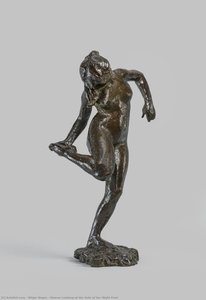
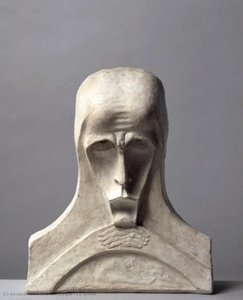
His sculptural work offers a different, yet complementary, window into his psyche. In pieces such as Le Sphinx (1902), one observes an exquisite use of expressionist distortion. Rather than adhering to the majestic, lion-headed iconography of antiquity, Biegas imbued the creature with unsettlingly human features—a bulging forehead and intense, focused eyes—that evoke a sense of profound mystery and unease. Similarly, his bronze Danseuse Flamme (1907) showcases an Art Nouveau elegance, where fluid lines and rich textures capture the dynamic grace of movement. In both medium and subject, Biegas sought to move beyond mere representation, aiming instead for an emotional resonance that speaks to the eternal riddles of existence.
A Legacy Preserved in the Heart of Paris
The historical significance of Bolesław Biegas lies not only in his individual aesthetic contributions but also in his role as a custodian of Polish cultural identity during a period of immense geopolitical change. His dedication to his heritage culminated in 1950 with the establishment of the Musée Bolesław Biegas within the Polish Library in Paris. This institution was designed to be more than a personal gallery; it was intended as a sanctuary for the spirit of Polish art, housing his own works alongside those of contemporaries like Olga Boznańska and Tadeusz Makowski.
Today, the legacy of Biegas remains a vital subject for those studying the intersection of Symbolism and Surrealism. His work stands as a testament to the power of the imagination to navigate through trauma and find beauty in the monstrous and the mythical. To encounter a Biegas piece is to enter a world where:
- The boundaries between human and beast are blurred, reflecting the primal depths of the psyche.
- Classical mythology is reimagined through a modern, often unsettling, psychological lens.
- Sculpture and painting exist in a dialogue, both striving to capture the ephemeral essence of movement and myth.
- The struggle for artistic autonomy is etched into every line and form, from his early academic struggles to his Parisian triumphs.
Through his unwavering commitment to exploring the unseen forces of the human condition, Bolesław Biegas remains a luminous figure in the annals of modern art, reminding us that the most profound truths are often found within the shadows of our most fantastical dreams.
boleslas biegas
1877 - 1954 , Poland
Основные сведения
- Artistic Movement Or Style: Surrealist & Symbolist
- Artists Or Movements Influenced By This Artist: ['Art Nouveau']
- Artists Who Influenced This Artist: ['Antoní Panasiuk']
- Date Of Birth: 1877
- Date Of Death: 1954
- Full Name: Bolesław Biegas
- Nationality: Polish
- Notable Artworks:
- Danseuse Flamme
- Le Sphinx
- Place Of Birth: Koźczyn, Poland