 Предпросмотр
 Поделиться
 Поделиться
 Детали произведения

 Скачать
 Похожие работы
 Рентгенография
 Слайд-шоу
 Статистика
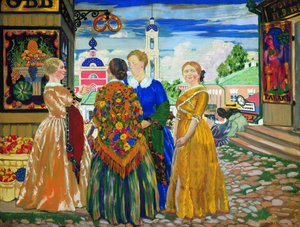
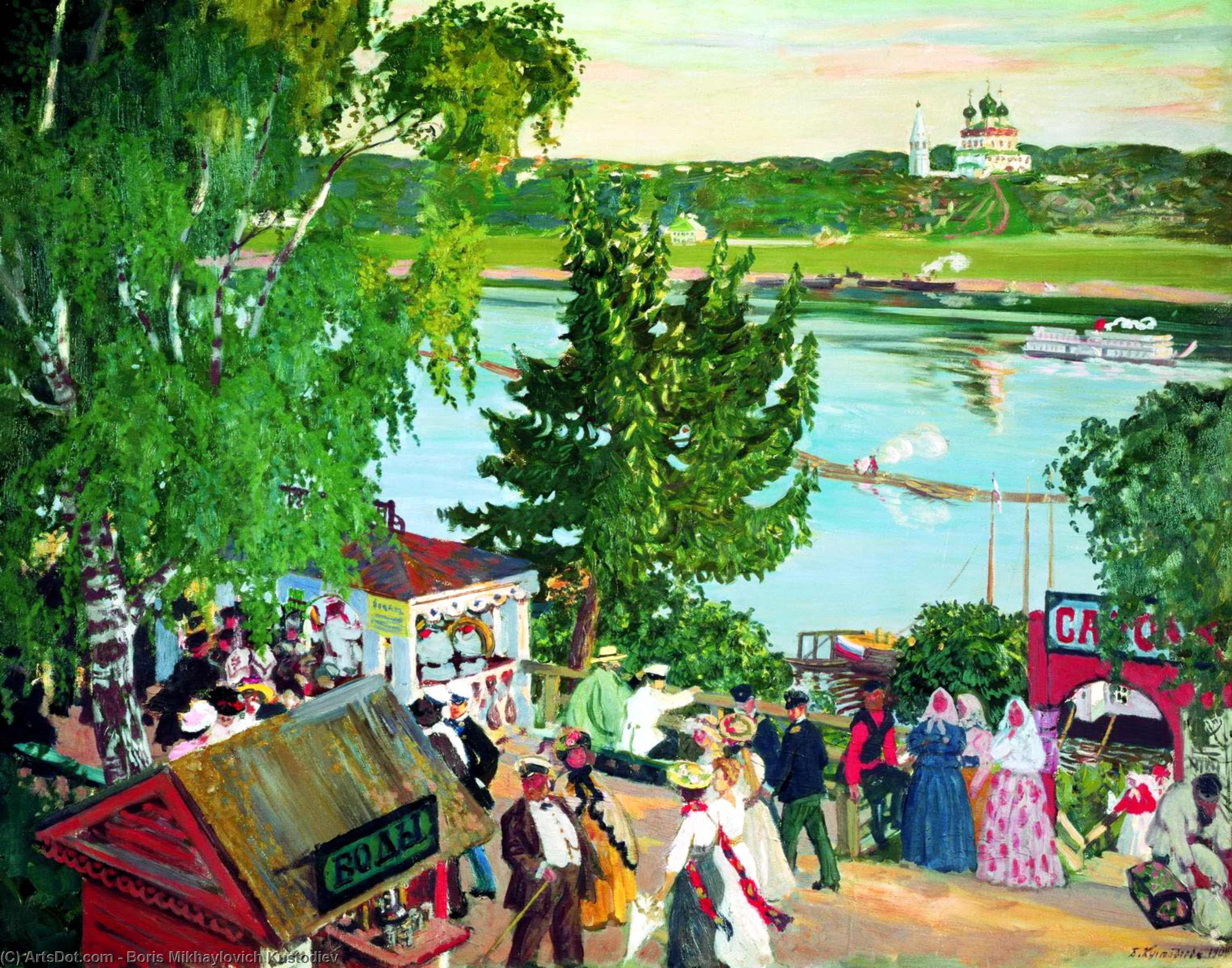
Promenade Along the Volga


 Читать далее
Масляная репродукция ручной работы
Картина маслом на холсте в выбранном вами размере и раме, написанная на заказ нашими художниками. ( Перейти к печати Перейти к цифровым изображениям)




P118B $10

P118H $10

P118W $10

P438Z $10

P508JH $12

P508YH $12

P805H $10

P805Z $10

P919BZ $10

P919G $10

P919XJ $10

P959ZH $10

P968JZ $12

W106C $8

W218G $10

W218JH $8

W218Y $10

W307PJ $10

W316G $10

W316PJ $8

W316Y $10

W398PJ $8

W4111J $10

W500HY $15

W500JH $15

W692G $12

W849H $8

W940BG $15

W953PJ $8




Выберите один из наших стандартных размеров, соответствующих оригинальным пропорциям произведения искусства.

Вы можете указать собственные размеры, чтобы картина идеально вписалась в выбранную раму или пространство. Если выбранный вами размер не соответствует пропорциям оригинала, мы либо обрежем полотно, либо расширим его за счет дополнительных элементов, написанных вручную. Цифровой макет будет отправлен вам на утверждение перед началом производства.
Обратите внимание, что предварительный просмотр на экране не отражает фактическую обрезку или расширение. Только макет точно покажет окончательную композицию.
Хотя доступны индивидуальные размеры, мы рекомендуем выбирать вариант из предопределенного списка, чтобы сохранить исходные пропорции.
После оформления заказа команда ArtsDot.com свяжется с клиентом по электронной почте для уточнения деталей и предоставит предварительный макет
Доставка по всему миру () за 3–4 недели вместо стандартных 5 недель. (10 Сентябрь). Без компромиссов в качестве.

Бесплатная экспресс-доставка по всему миру

Высококачественный льняной холст

Полное страхование доставки

Гарантия возмещения таможенных пошлин

Гарантия точного соответствия цветов

100-дневная политика возврата (только при обнаружении дефектов)

Гарантия возврата 100% средств

Предложение оптовых скидок
 Вариант со стеклом доступен только для размеров менее 110 см

Promenade Along the Volga
Техника репродукции
Размер репродукции
-


Итоговая стоимость
$ 263
Boris Kustodiev’s “Promenade Along the Volga”: A Window into Russian Soul
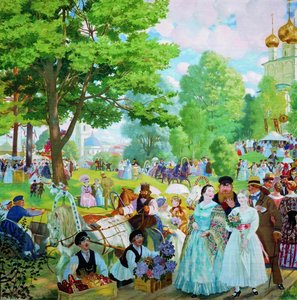
“Promenade Along the Volga,” painted in 1909 by Boris Mikhailovich Kustodiev, is more than just a depiction of a riverbank scene; it's a vibrant portal into the heart of late 19th-century Russia. This oil on canvas masterpiece captures a moment of communal joy – a lively fair or marketplace unfolding along the majestic Volga River – rendered with the distinctive flair of Art Nouveau. Kustodiev’s masterful use of bold colors, flowing lines, and meticulous detail transports the viewer to a world brimming with warmth, tradition, and an undeniable connection to the land.
- Artistic Style & Technique: The painting exemplifies the Art Nouveau movement, characterized by its organic forms, decorative elements, and emphasis on beauty. Kustodiev’s brushwork is loose yet confident, creating a sense of movement and energy that draws the eye across the canvas. He skillfully employs color to evoke emotion – warm reds and yellows for the figures, cool blues and greens for the river and foliage – contributing significantly to the painting's overall atmosphere.
- Subject Matter & Composition: The scene is populated with a diverse group of individuals, dressed in clothing indicative of the period, engaging in various activities. A central bench invites contemplation, while a horse adds an element of rustic charm. The arrangement of figures and the inclusion of boats on the water create depth and visual interest, guiding the viewer’s gaze through this captivating tableau.
A Historical Tapestry
Created during a period of significant social and political change in Russia – a time marked by burgeoning industrialization alongside deeply rooted traditions – “Promenade Along the Volga” offers a poignant glimpse into the lives of ordinary people. Kustodiev’s work reflects the country's rich cultural heritage, particularly its connection to the Volga River, which was vital for trade and transportation. The painting speaks to a fundamental human desire for community, celebration, and appreciation of nature – themes that resonated deeply with the artist and his contemporaries.
The Vladikavkaz Art Museum in Russia has played a crucial role in showcasing Kustodiev’s work, recognizing its importance within the broader context of Russian art history. Kustodiev's artistic journey began with a challenging upbringing shaped by his father's death and subsequent financial difficulties, experiences that profoundly influenced his focus on depicting the lives of merchants and common folk.
Symbolism and Emotional Resonance
Beyond its aesthetic qualities, “Promenade Along the Volga” is imbued with symbolic meaning. The river itself represents life’s flow, while the gathering of people symbolizes connection and shared experience. The painting evokes a sense of nostalgia for a simpler time, inviting viewers to contemplate the enduring values of community and tradition. Kustodiev's ability to capture these intangible qualities elevates this work beyond a mere landscape depiction; it becomes a powerful meditation on the human condition.
Collecting a Masterpiece
A hand-painted reproduction of “Promenade Along the Volga” by Boris Mikhailovich Kustodiev is an exceptional addition to any art collection or interior design scheme. Its vibrant colors, intricate details, and historical significance make it a truly captivating piece. Whether you are an art enthusiast, a collector seeking to expand your portfolio, or an interior designer aiming to create a space filled with beauty and character, this painting offers a unique opportunity to own a piece of Russian artistic heritage.
Похожие произведения


Биография художника
A Life Immersed in Russian Spirit
Boris Mikhailovich Kustodiev, born on March 7, 1878, in Astrakhan, Russia, was an artist whose work became inextricably linked to a vibrant and often idealized depiction of Russian life. His early years were shaped by a profound sense of provinciality, a consequence of the financial hardships that followed his father’s untimely death – a respected professor of philosophy, history, and logic at the local theological seminary. This formative experience, witnessing the struggles of merchants and the everyday lives of common folk, deeply influenced the themes that would dominate his artistic output throughout his career. Kustodiev's education began within the walls of the Astrakhan theological seminary, yet it was private lessons with Pavel Vlasov, a devoted student of Vasily Perov, that truly ignited his artistic passion and provided him with a foundational understanding of realistic painting techniques. This pivotal connection led him to St. Petersburg and the prestigious Imperial Academy of Arts, where he studied under the renowned Ilya Repin from 1896 to 1903. Repin recognized Kustodiev’s considerable talent early on, even inviting him to assist with a monumental commemorative painting – an invaluable opportunity that honed his skills and firmly established his commitment to capturing the essence of Russian identity. This period was not merely about instruction; it was a crucial mentorship, shaping his artistic vision and providing him with a deep appreciation for the power of visual storytelling.Artistic Development and Key Themes
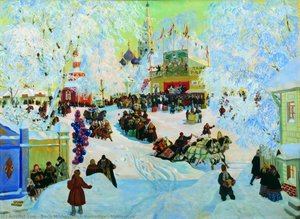
Kustodiev’s artistic journey unfolded across a diverse range of genres – portraiture, genre scenes brimming with life, and meticulously illustrated books. However, he consistently returned to portraying the richness and complexity of Russian culture, particularly the lives of the merchant class. His style evolved organically over time, initially rooted in Realism but gradually incorporating elements of Art Nouveau’s decorative flair and flowing lines. He possessed an extraordinary ability – a rare gift – not just to *represent* what he saw, but also to capture the atmosphere, the mood, and the very spirit of a place or moment. The merchant class, with their intricate traditions, elaborate customs, and often-hidden wealth, became a recurring motif in his work, reflecting those early childhood impressions from Astrakhan. Paintings like *The Merchant’s Wife* (1918), a masterpiece of quiet dignity and understated beauty, stand as powerful testaments to this enduring fascination, offering a glimpse into the lives of individuals often overlooked by history. Beyond portraits, Kustodiev masterfully depicted scenes of everyday life – bustling marketplaces overflowing with goods, lively festivals like Maslenitsa (Pancake Week) celebrated with joyous abandon, and serene landscapes that evoked a deep sense of national pride and connection to the Russian land. His work wasn’t simply representational; it was infused with a palpable love for Russia and its people, a sentiment that resonated deeply with viewers. He traveled extensively throughout Europe – France, Spain, Italy – seeking inspiration and broadening his artistic horizons, yet always felt drawn back to his homeland, believing that true artistic expression stemmed from the heart of Russian culture.Influences and Artistic Style
Kustodiev’s artistic development was profoundly shaped by several key influences. Vasily Perov, his initial mentor, instilled in him a commitment to depicting the lives of ordinary people with honesty and empathy. Ilya Repin, his teacher at the Imperial Academy of Arts, provided invaluable guidance on composition, technique, and the importance of capturing psychological depth in his subjects. The works of Russian realist painters like Petrov and Repin served as a foundation for Kustodiev’s style, emphasizing detailed observation and a commitment to portraying the realities of Russian life. However, he also embraced elements of Art Nouveau, incorporating flowing lines, vibrant colors, and decorative motifs into his paintings – a reflection of the artistic trends of his time. This fusion of realism and stylistic innovation resulted in a distinctive visual language that is both deeply rooted in Russian tradition and imbued with a sense of modern elegance. His use of color was particularly noteworthy; he employed rich, saturated hues to evoke emotion and create a visually arresting effect. Kustodiev’s paintings are characterized by their meticulous detail, vibrant colors, and a remarkable ability to capture the essence of his subjects – whether they were merchants, peasants, or members of the aristocracy.Overcoming Adversity: Resilience and Artistic Output
In 1916, Kustodiev's life took an unexpected and devastating turn when he suffered a severe spinal injury, resulting in paraplegia. This debilitating condition confined him to a wheelchair and dramatically altered his physical capabilities. Many would have succumbed to despair, but Kustodiev’s spirit remained unbroken. Instead of allowing his physical limitations to extinguish his creative flame, he channeled his energy into painting with renewed intensity. Despite the immense challenges, he continued to produce an astonishing volume of work – portraits, genre scenes, and illustrations – often working from memory and imagination. This period saw a shift in his artistic style, characterized by an intensified joyfulness and a bolder use of color. It’s as if, unable to fully experience life through his body, he poured all of his energy into recreating its beauty on canvas, celebrating the simple pleasures of everyday existence. His paintings from this era – *Fontanka* (1916) and *Maslenitsa* (1916), for example – are imbued with a sense of optimism and resilience that is both poignant and inspiring.Legacy and Historical Significance
Boris Kustodiev’s contribution to Russian art lies in his ability to capture the spirit of an era – a time of profound social change, political upheaval, and burgeoning cultural identity. He wasn't merely documenting reality; he was interpreting it through a lens of nostalgia, affection, and deep understanding. His paintings offer invaluable insights into the lives of ordinary Russians during the late 19th and early 20th centuries, preserving their traditions, customs, and values for posterity. His work resonated deeply with audiences then and continues to captivate viewers today, serving as a window into a bygone era. Kustodiev’s influence can be seen in the works of subsequent generations of Russian artists who sought to celebrate their national identity and depict the beauty of everyday life. His paintings are now held in prominent collections across Russia – including the Kramskoy Museum of Fine Arts in Voronezh and the Kharkov Museum of Art in Ukraine – ensuring that his artistic vision will continue to inspire and enrich for years to come. He remains a beloved figure in Russian art, celebrated for his vibrant depictions of Russian life and his unwavering spirit in the face of adversity.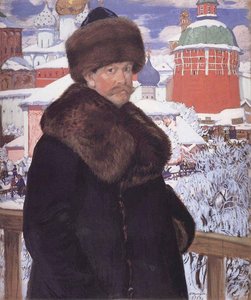
Борис Кустодиев
1878 - 1927 , Россия
Основные сведения
- Artistic Movement Or Style: Реализм, модерн
- Artists Or Movements Influenced By This Artist: ['Русский модерн']
- Artists Who Influenced This Artist:
- Василий Перов
- Илья Репин
- Date Of Birth: 7 марта 1878 г.
- Date Of Death: 28 мая 1927 г.
- Full Name: Борис Михайлович Кустодиев
- Nationality: Русский
- Notable Artworks:
- Дружина гулящей барыни
- Масленица
- Фонтанка
- Place Of Birth: Астрахан, Россия
Похожие статьи
10 шедевров модерна: искусство, изменившее декор и вдохновившее художников
Погрузитесь в мир модерна! 10 шедевров от Мухи, Климта и Гауди – история искусства, изящные линии, флоральные мотивы. Купите репродукции картин модерн премиум-качества на ArtsDot.com и вдохновите свой интерьер!

Giclée Prints: Archival Quality & Aesthetic Nuances for the Discerning Collector
Explore the world of giclée prints with ArtsDot. Learn about archival quality, aesthetic nuances & investment potential. Expert guidance for discerning art collectors seeking museum-quality reproductions and lasting value.

Echoes of Time: Exploring the Enduring Appeal & Historical Context of Vintage Art Prints
Explore the captivating world of vintage art prints! Discover their history, collecting tips & enduring appeal. Expert insights on chromolithography and building a legacy collection with ArtsDot.

The Enduring Legacy of Fine Art Prints: Technique, History & Aesthetic Impact
Explore the rich history & techniques of fine art prints. Discover investment potential, assess authenticity, and learn how to preserve your collection with expert guidance. Trusted insights for discerning collectors.
Ivan Bilibin: A Synthesis of Folklore, Modernism & National Identity in Russian Illustration
Explore the enchanting world of Ivan Bilibin, a master Russian illustrator who synthesized folklore, Art Nouveau & national identity. Discover his iconic fairy tale illustrations and legacy with ArtsDot.