

 Предпросмотр
 Поделиться
 Поделиться
 Детали произведения

 Скачать
 Похожие работы
 Рентгенография
 Слайд-шоу
 Статистика
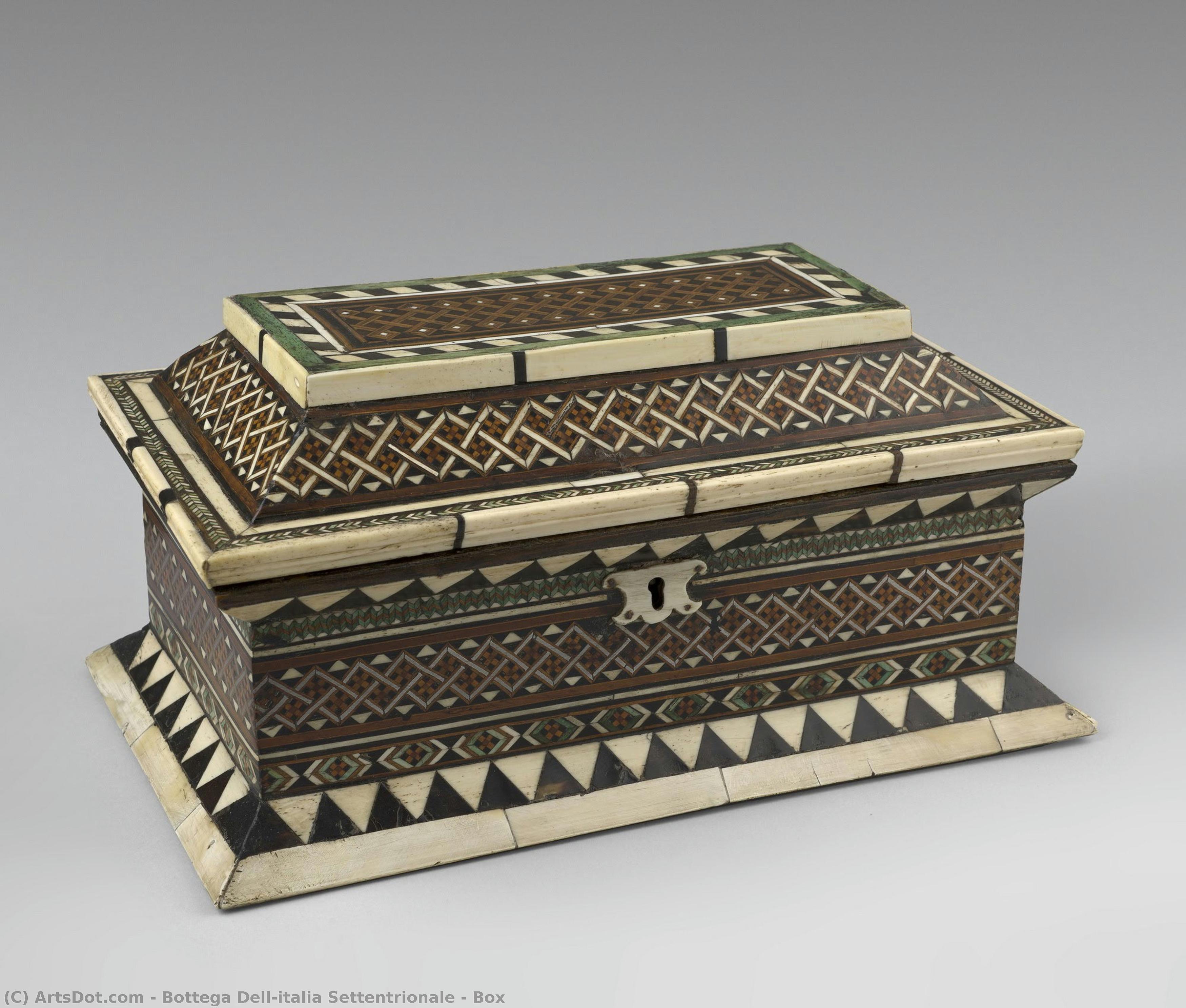
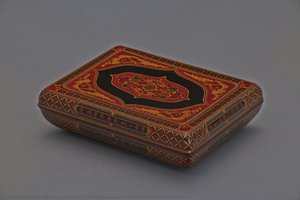
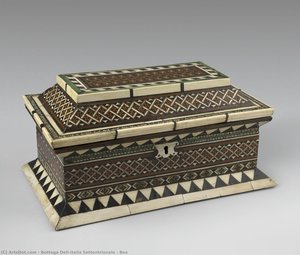
Box

 Читать далее
Жикле / Арт-принт
Печать (жикле) или холст музейного качества с быстрыми сроками изготовления и широким выбором вариантов отделки. ( Купить картину ручной работы Перейти к цифровым изображениям)




































Выберите один из наших стандартных размеров, соответствующих оригинальным пропорциям произведения искусства.

Вы можете указать свои собственные размеры, чтобы репродукция идеально подошла под конкретную раму или пространство. Если выбранный вами размер не будет соответствовать пропорциям оригинала, мы либо обрежем произведение, либо дополним изображение зеркальным отражением краев или однотонной заливкой. Перед началом производства вам будет отправлен цифровой макет для утверждения.
Пожалуйста, обратите внимание, что предварительный просмотр на экране не отображает фактическую обрезку или расширение изображения. Только макет точно покажет финальную композицию.
Несмотря на возможность заказа индивидуальных размеров, мы рекомендуем выбирать размер из предопределенного списка, чтобы сохранить оригинальные пропорции.
Доставка по всему миру () за 2 недели вместо стандартных 4/5 недель. (11 Сентябрь)

Бесплатная экспресс-доставка по всему миру

Высококачественный льняной холст

Полное страхование доставки

Гарантия возмещения таможенных пошлин

Гарантия точного соответствия цветов

100-дневная политика возврата (только при обнаружении дефектов)

Гарантия возврата 100% средств

Предложение оптовых скидок
 Вариант со стеклом доступен только для размеров менее 110 см

Box
Жикле / Арт-принт
Размер репродукции
-


Итоговая стоимость
$ 62
Похожие произведения





Биография художника
A Legacy of Florentine Craftsmanship
The Bottega dell’Italia Settentrionale, often referred to as the Northern Italian Workshop, represents a pivotal moment in artistic history—specifically the Baroque era—characterized by an extraordinary fusion of tradition and innovation. Emerging from the cultural epicenter of Florence during the mid-17th century, this collective of artists profoundly reshaped the realms of decorative arts and furniture design. Their work established a distinctive aesthetic that continues to inspire contemporary creators, bridging the gap between the meticulous precision of the Renaissance and the dramatic theatricality of the Baroque period.
To understand the soul of this workshop, one must delve into the socio-cultural context of Renaissance Italy and trace the transmission of artistic knowledge across generations. The genesis of the workshop’s vision can be traced back to the legendary studio of Domenico Ghirlandaio in Florence—a bastion of humanist ideals where technical excellence was the standard. It was within such environments that the principles of disegno, or careful anatomical and structural drawing, were perfected. This emphasis on meticulous observation and classical accuracy served as a cornerstone for the workshop’s later endeavors, ensuring that even their most opulent decorative pieces possessed an underlying structural integrity and grace.
Artistic Influences and Stylistic Evolution
As the workshop evolved, it did not merely cling to the past but actively absorbed the shifting winds of Italian art. The influence of Mannerism played a significant role, introducing a sense of drama through elongated forms, unsettling perspectives, and complex compositions. Artists associated with this tradition skillfully blended these Mannerist techniques with established Florentine decorative traditions. This resulted in the creation of opulent interiors adorned with intricate carvings and vibrant polychromy, where every surface seemed to pulse with life and movement.
The workshop's development was marked by a transition toward the more exuberant styles that would define later centuries. Their mastery extended beyond mere painting into the physical realm of objects, including:
- Intricate Furniture Design: Creating pieces that served as both functional items and sculptural masterpieces.
- Decorative Frames: Utilizing ornate carvings to elevate the presentation of fine art.
- Ornamental Craftsmanship: Integrating various materials to achieve a sense of luxury and depth.
This period of growth saw the workshop embracing tenebrism—the dramatic use of light and shadow—to create emotional resonance within their decorative works. By manipulating contrast, they were able to imbue even inanimate objects with a sense of spiritual gravity and theatrical presence.
Historical Significance and Enduring Impact
The historical significance of the Bottega dell’Italia Settentrionale lies in its ability to act as a bridge between eras. While their roots were firmly planted in the disciplined traditions of the Florentine masters, their output embraced the fluid, emotive energy of the Baroque and even touched upon the lighter, more playful elements of the Rococo style. They transformed the concept of the "workshop" from a simple place of production into a laboratory of aesthetic innovation.
The legacy of this collective is etched not only in canvas but in the very fabric of Italian decorative history. Their influence can be seen in the way precious materials were treated, much like the commesso fiorentino technique found in the Opificio delle Pietre Dure, where stone is treated with the delicacy of paint. Through their dedication to mastering the art of imitation and the refinement of natural beauty, the Northern Italian Workshop ensured that the splendor of the Italian Baroque would remain a permanent fixture in the global history of art and design.
Основные сведения
- Artistic Movement Or Style: Rococo & Tenebrism
- Artists Or Movements Influenced By This Artist: ['Caravaggio']
- Artists Who Influenced This Artist:
- Jan van Eyck
- Michelangelo Buonarroti
- Full Name: Bottega Veneta
- Nationality: Italian
- Notable Artworks:
- Vasca da affioramento (serie di 3)
- Oval Frames
- Place Of Birth: Italy