

 Предпросмотр
 Поделиться
 Поделиться
 Детали произведения

 Скачать
 Похожие работы
 Рентгенография
 Слайд-шоу
 Статистика
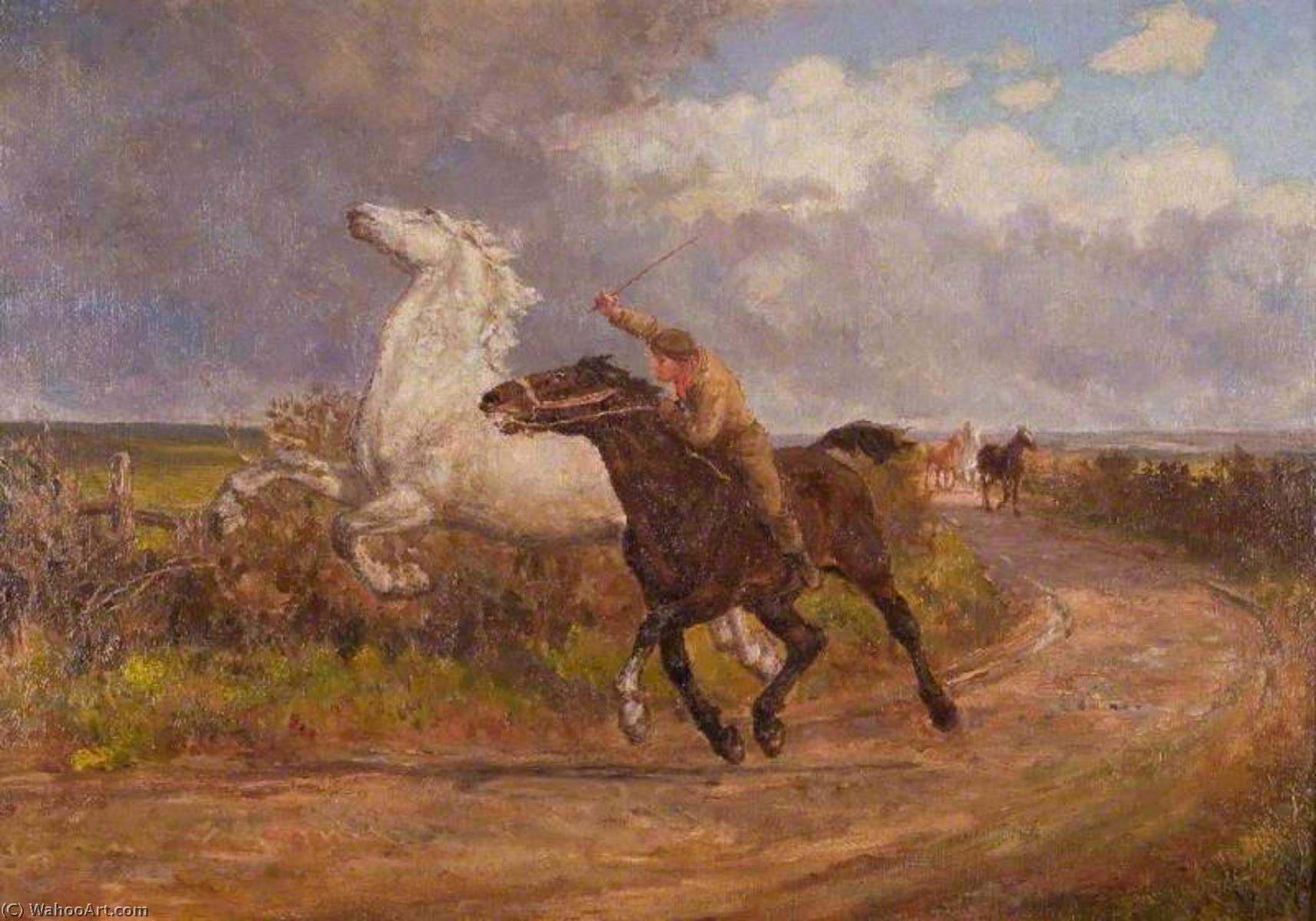
Runaway Horse
 1900
1900 35.0 x 50.0 cm
 Читать далее
Приобретите цифровое изображение высокого разрешения в улучшенном качестве, которое значительно превосходит онлайн-превью.
Каждый файл тщательно подготавливается нашими специалистами с использованием передовых инструментов и экспертной ручной ретуши. Мы гарантируем исключительную четкость, точную цветопередачу и детальную проработку каждого изображения.
Финальный файл доставляется по электронной почте в течение 72 часов и оптимизирован для немедленного использования в профессиональной среде, при верстке и печати. Это тот же уровень качества, которому доверяют ведущие дизайнерские студии, издательства и галереи.
Цифровое изображение
Скачайте файл высокого разрешения для личного использования, печати и творческих проектов. ( Перейти к печати Купить картину ручной работы)
Включено в каждый заказ цифровых изображений
Гарантия экспертной цифровой доставки
Выбирая ArtsDot.com, вы получаете не просто изображение — вы приобретаете профессионально обработанное цифровое произведение искусства, созданное с безупречной точностью и под защитой гарантии качества. Вот всё, что автоматически входит в ваш заказ:

Мгновенная доставка по e-mail
Ваш цифровой файл в высоком разрешении будет отправлен вам по электронной почте в течение 72 часов после оформления заказа — и сразу станет доступен для использования.

Цифровой файл с ИИ-улучшением
Ваше произведение искусства проходит профессиональную оптимизацию с использованием передовых инструментов ИИ и ручной обработки, что гарантирует максимальную детализацию, четкость и точность цветопередачи.

Бессрочная бесплатная повторная доставка
Случайно удалили или потеряли файл? Не беспокойтесь — мы отправим его вам повторно в любое время и совершенно бесплатно.

Без импортных пошлин — навсегда
Наслаждайтесь вашим произведением искусства мгновенно без таможенных пошлин, сборов или затрат на доставку — цифровые загрузки всегда не облагаются налогом.

Гарантия точности цветопередачи
Мы гарантируем, что ваше цифровое изображение максимально точно передает оригинальные цвета благодаря использованию профессиональных инструментов и систем управления цветом.

Гарантия удовлетворенности 100 дней
Если вы не будете удовлетворены своим цифровым изображением, мы внесем правки или вернем 100% стоимости в течение 100 дней — без лишних вопросов.

100% Гарантия возврата средств
Не удовлетворены покупкой? Получите полный возврат средств в течение 100 дней после получения цифрового файла — без лишних вопросов.

Скидки на оптовые заказы
Купите 3 изображения, сэкономьте 10% — Купите 5, сэкономьте 15% — Купите 10+, сэкономьте 20%. Отличное решение для творческих проектов, галерей и агентств.
Composition and Technique
The painting depicts a man riding a white horse while holding a whip in his hand, set against a backdrop of a dirt road with another horse visible in the distance. The artist's use of chiaroscuro creates a sense of depth and volume, drawing the viewer's eye to the central figure of the rider. The brushstrokes are bold and expressive, conveying the energy and movement of the horses.Artistic Style and Influences
Brian Hatton's style is reminiscent of other notable artists, such as Joseph Henry Sharp, who was known for his portraits of Native American chiefs, like Spotted Elk, Chief. Similarly, Abbey Williams Hill's landscapes, like Madrone, Dogwood and Elderberry (II), share a sense of naturalism and attention to detail found in Hatton's work.- Other notable artists whose works can be found on ArtsDot.com include Odilon Redon and Alfred De Dreux.
- The Musée du Petit Palais in Paris, France, is also home to an impressive collection of French paintings and sculptures, as highlighted in the article Discover the Hidden Gems of Musée du Petit Palais.
The "Runaway Horse" is a testament to Brian Hatton's skill as an artist and his ability to capture the beauty and energy of horses. As a valuable piece of art history, it continues to inspire and captivate audiences today.
Похожие произведения
Биография художника
A Lost Voice of the English Countryside
The story of Brian Hatton is one of remarkable, if tragically curtailed, artistic promise. Born in 1887 amidst the idyllic landscapes of Broomy Hill, Herefordshire, Hatton emerged as a significant figure in British landscape painting during the formative years of the twentieth century. His life and work were inextricably linked to the rural traditions of his homeland, yet his vision was shaped by much broader horizons. Though his career was cut short by his untimely death in action during the First World War at just twenty-eight years old, he left behind a profoundly moving body of work that offers a poignant glimpse into a disappearing world—a testament to the power of capturing beauty amidst impending change.
Hatton’s artistic journey began with an early fascination for drawing and sketching, nurtured by a supportive family who recognized his burgeoning talent. As he matured, his sensibilities were profoundly shaped by exposure to influential European movements. Through visits to Paris, he encountered the transformative techniques of Impressionism and Neo-Romanticism, absorbing the methods of masters such as Monet and Sisley. These encounters encouraged him to prioritize the capture of fleeting moments of light and atmosphere, a hallmark of his distinctive approach that would define his later mastery.
Technique, Light, and the Human Element
In his execution, Hatton skillfully blended meticulous observation with a rich, imaginative spirit. His canvases were not merely topographical records of the Worcestershire countryside; they were emotive explorations of texture and mood. He possessed a unique ability to render the physical world—the rugged textures of hedgerows, the weathered stone of walls, and the sprawling fields of Morehampton Manor—with such precision that the viewer can almost feel the dampness of the earth or the warmth of the sun. His style often utilized bold brushstrokes and a vivid yet balanced palette to create depth and visual tension.
Beyond the purely pastoral, Hatton’s oeuvre is notable for its deep humanist element. He frequently infused his landscapes with figures engaged in the quiet dignity of everyday life. Whether through figure studies or more narrative scenes like “Saddling Up,” he portrayed a profound connection between humanity and the land. His portraits and figure paintings, such as the serene “Reclining Nude” (1912), demonstrate a sensitive touch regarding gesture and expression, revealing a psychological depth that complemented his technical accuracy.
Legacy and Historical Significance
The trajectory of Hatton’s career was marked by significant milestones, most notably his exhibition at the Hereford Museum in 1913. This showcase served as a pivotal moment, garnering recognition for his ability to synthesize local identity with modern artistic sensibilities. His work, ranging from the Post-Impressionist echoes in “The Falcon” (1909) to the evocative autumn tones of “The Wye, Belmont Woods,” showcases an artist constantly evolving and pushing the boundaries of British landscape tradition.
Today, Brian Hatton is remembered as a "lost voice" of the early twentieth century. His death in 1916 represents more than just the loss of a single talented individual; it symbolizes the silencing of a promising artistic movement that might have bridged the gap between traditional ruralism and modernism. His surviving works remain vital pieces of British art history, preserved in collections such as the Hereford Museum and Art Gallery, serving as enduring echoes of a landscape and a way of life that were forever altered by the dawn of the modern age.
brian hatton
1887 - 1916
Основные сведения
- Artistic Movement Or Style: Early 20th Century Landscape Painting
- Date Of Death: 1916
- Full Name: Brian Hatton
- Nationality: British
- Notable Artworks:
- Reclining Nude
- Harvesting Towards Morehampton
- Saddling Up
- Place Of Birth: Herefordshire, England