

 Предпросмотр
 Поделиться
 Поделиться
 Детали произведения

 Скачать
 Похожие работы
 Рентгенография
 Слайд-шоу
 Статистика
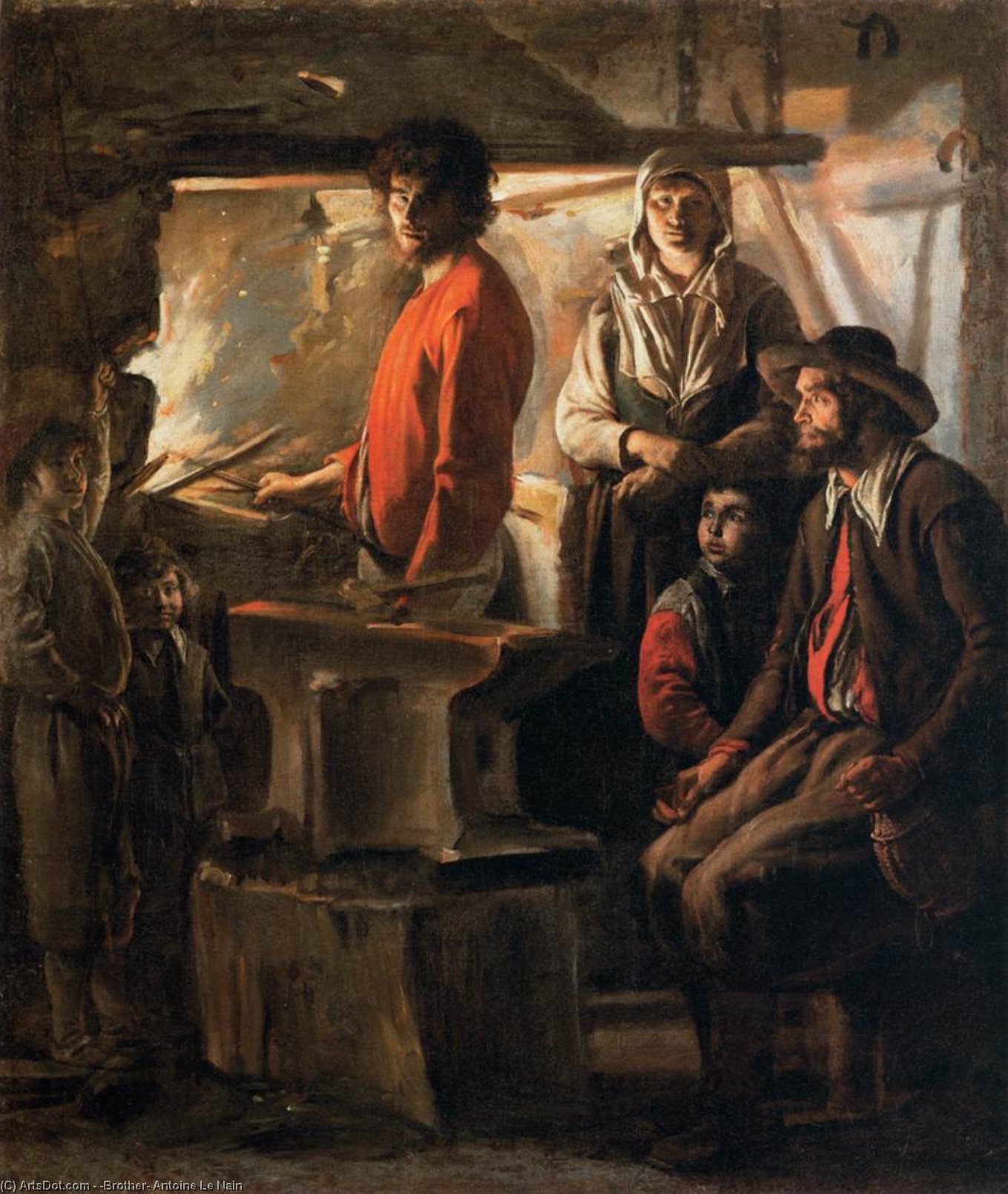
Blacksmith at His Forge


 Читать далее
Приобретите цифровое изображение высокого разрешения в улучшенном качестве, которое значительно превосходит онлайн-превью.
Каждый файл тщательно подготавливается нашими специалистами с использованием передовых инструментов и экспертной ручной ретуши. Мы гарантируем исключительную четкость, точную цветопередачу и детальную проработку каждого изображения.
Финальный файл доставляется по электронной почте в течение 72 часов и оптимизирован для немедленного использования в профессиональной среде, при верстке и печати. Это тот же уровень качества, которому доверяют ведущие дизайнерские студии, издательства и галереи.
Цифровое изображение
Скачайте файл высокого разрешения для личного использования, печати и творческих проектов. ( Перейти к печати Купить картину ручной работы)
Включено в каждый заказ цифровых изображений
Гарантия экспертной цифровой доставки
Выбирая ArtsDot.com, вы получаете не просто изображение — вы приобретаете профессионально обработанное цифровое произведение искусства, созданное с безупречной точностью и под защитой гарантии качества. Вот всё, что автоматически входит в ваш заказ:

Мгновенная доставка по e-mail
Ваш цифровой файл в высоком разрешении будет отправлен вам по электронной почте в течение 72 часов после оформления заказа — и сразу станет доступен для использования.

Цифровой файл с ИИ-улучшением
Ваше произведение искусства проходит профессиональную оптимизацию с использованием передовых инструментов ИИ и ручной обработки, что гарантирует максимальную детализацию, четкость и точность цветопередачи.

Бессрочная бесплатная повторная доставка
Случайно удалили или потеряли файл? Не беспокойтесь — мы отправим его вам повторно в любое время и совершенно бесплатно.

Без импортных пошлин — навсегда
Наслаждайтесь вашим произведением искусства мгновенно без таможенных пошлин, сборов или затрат на доставку — цифровые загрузки всегда не облагаются налогом.

Гарантия точности цветопередачи
Мы гарантируем, что ваше цифровое изображение максимально точно передает оригинальные цвета благодаря использованию профессиональных инструментов и систем управления цветом.

Гарантия удовлетворенности 100 дней
Если вы не будете удовлетворены своим цифровым изображением, мы внесем правки или вернем 100% стоимости в течение 100 дней — без лишних вопросов.

100% Гарантия возврата средств
Не удовлетворены покупкой? Получите полный возврат средств в течение 100 дней после получения цифрового файла — без лишних вопросов.

Скидки на оптовые заказы
Купите 3 изображения, сэкономьте 10% — Купите 5, сэкономьте 15% — Купите 10+, сэкономьте 20%. Отличное решение для творческих проектов, галерей и агентств.
Похожие произведения








Биография художника
The Enigmatic World of the Le Nain Brothers
The name “Le Nain” – meaning “the dwarf” in French – evokes a sense of mystery, and fittingly shrouds the lives and work of Antoine, Louis, and Mathieu Le Nain. These three brothers, active in 17th-century France, stand as unique figures in the Baroque period, celebrated for their profoundly realistic depictions of everyday life, particularly the peasantry. Unlike many of their contemporaries who focused on mythological or religious narratives, the Le Nains turned their attention to the lives of ordinary people, imbuing them with a dignity and quiet strength rarely seen in art before their time. Their collaborative nature only deepens the intrigue; for centuries, scholars have debated which brother was responsible for specific paintings, as they signed their works simply “Lenain,” obscuring individual authorship.
Early Life and Artistic Formation
Born in or near Laon, a town in Picardy, France, the Le Nain brothers emerged from relatively obscure beginnings. Mathieu, born in 1607, was the youngest of the three. Antoine (circa 1600) and Louis (circa 1603) followed, though precise birthdates remain uncertain. By 1630, all three had established a shared workshop in Paris, a pivotal move that cemented their artistic partnership. Antoine’s admission to the Parisian painters' guild was crucial, allowing his brothers to train under him without incurring fees—a testament to their familial dedication and collaborative spirit. Initially, their paintings reflected the prevailing styles of the era, with religious subjects influenced by French artists like Philippe de Champaigne and Jacques Blanchard. However, a significant shift occurred around 1640, sparked by exposure to the work of Italian master Orazio Gentileschi, whose dramatic use of light and shadow left an indelible mark on their evolving style.
A New Vision: Genre Painting and Peasant Life
The Le Nains’ most enduring legacy lies in their genre paintings—scenes depicting everyday life. They were among the first French artists to elevate the peasantry to the level of serious artistic subject matter, portraying them not as idealized figures or comic stereotypes, but as individuals with inherent dignity and quiet resilience. Paintings like *The Well* and *Landscape with Peasants and a Chapel* showcase their meticulous attention to detail, capturing the textures of rough clothing, weathered faces, and the earthy tones of the rural landscape. Their compositions are often characterized by a sense of stillness and introspection, inviting viewers to contemplate the lives and experiences of these humble subjects. While remarkably realistic, their peasants possess an almost classical composure, suggesting a degree of idealization that sets them apart from purely documentary depictions.
Collaboration, Style, and Technical Mastery
The collaborative nature of the Le Nain workshop presents a unique challenge to art historians attempting to attribute specific works to individual brothers. Their shared studio fostered a remarkable consistency in style, making it difficult to discern distinct artistic personalities. However, scholars have identified certain tendencies—Antoine is often associated with more formal portraiture and religious scenes, while Mathieu’s work is characterized by larger compositions and a greater emphasis on narrative detail. Regardless of authorship, the Le Nains shared a mastery of technique, particularly their use of *impasto* – applying paint thickly to create texture and depth. Their palette favored earthy tones—browns, ochres, and grays—which contribute to the somber yet dignified atmosphere of their paintings. The influence of Caravaggio’s tenebrism, with its dramatic contrasts of light and shadow, is also evident in their work.
Legacy and Historical Significance
In 1648, all three Le Nain brothers were received into the newly founded French Academy, a testament to their growing reputation and artistic merit. Despite this recognition, their fame waned in the centuries following their deaths. It wasn’t until the 19th century that they were rediscovered, championed by art historians like Champfleury who recognized their groundbreaking realism and influence on later artists. Gustave Courbet, Édouard Manet, and other Realist painters of the 19th century drew inspiration from the Le Nains' unflinching portrayal of everyday life, acknowledging them as precursors to modern artistic sensibilities. Today, the Le Nain brothers are celebrated for their unique contribution to French Baroque painting—a legacy built on collaboration, technical mastery, and a profound respect for the dignity of ordinary people. Their paintings offer a glimpse into a world often overlooked by art history, reminding us that beauty and meaning can be found in the most humble of subjects.
Основные сведения
- Artistic Movement Or Style: Baroque, Genre painting
- Artists Or Movements Influenced By This Artist:
- Gustave Courbet
- Édouard Manet
- Artists Who Influenced This Artist:
- Orazio Gentileschi
- Philippe de Champaigne
- Date Of Birth: c. 1600
- Date Of Death: May 25, 1648
- Full Name: Antoine Le Nain
- Nationality: French
- Notable Artworks:
- The Well
- Backgammon Players
- Adoration of the Shepherds
- Place Of Birth: Laon, France