

 Предпросмотр
 Поделиться
 Поделиться
 Детали произведения

 Скачать
 Похожие работы
 Рентгенография
 Слайд-шоу
 Статистика
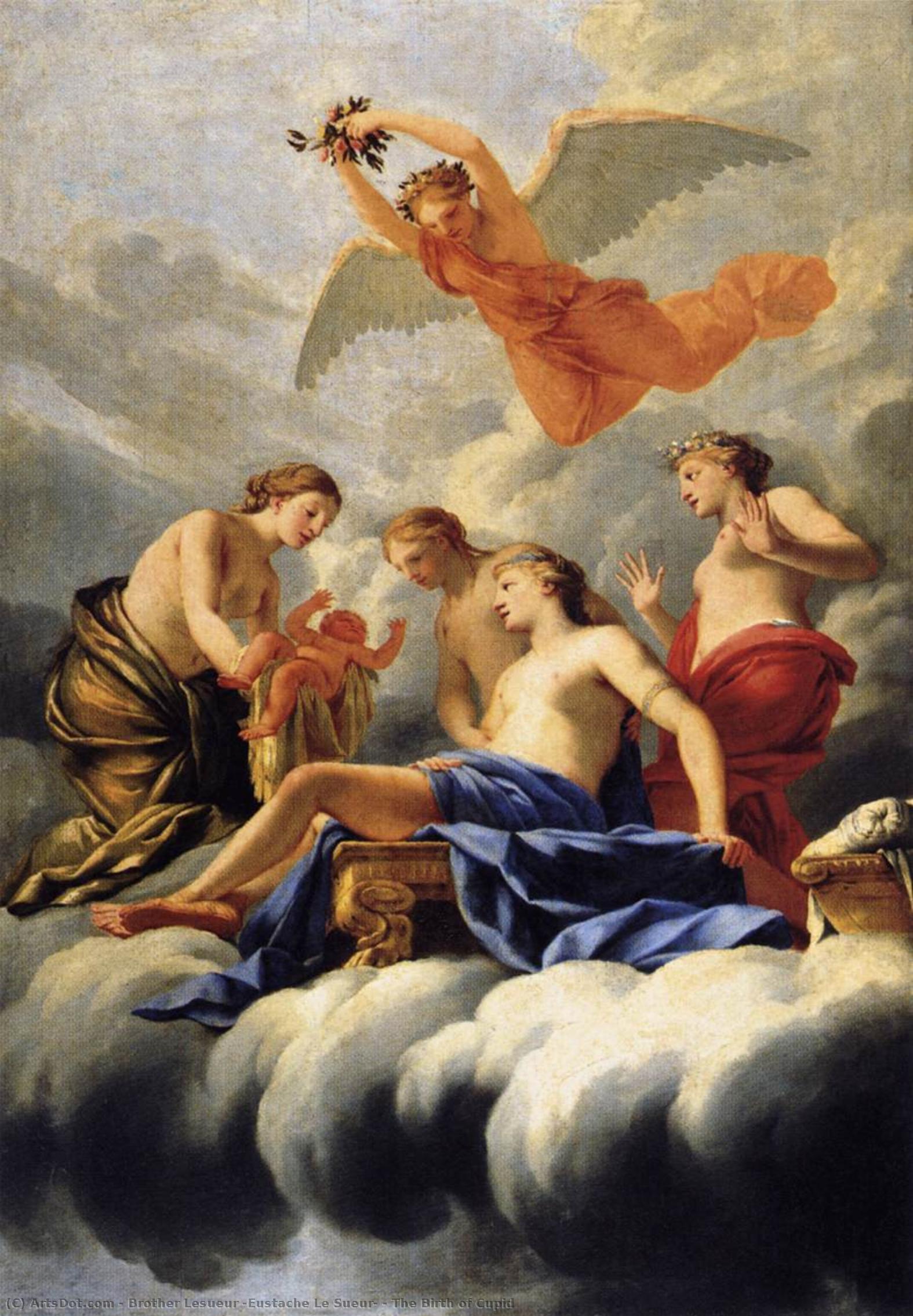
The Birth of Cupid


 Читать далее
Приобретите цифровое изображение высокого разрешения в улучшенном качестве, которое значительно превосходит онлайн-превью.
Каждый файл тщательно подготавливается нашими специалистами с использованием передовых инструментов и экспертной ручной ретуши. Мы гарантируем исключительную четкость, точную цветопередачу и детальную проработку каждого изображения.
Финальный файл доставляется по электронной почте в течение 72 часов и оптимизирован для немедленного использования в профессиональной среде, при верстке и печати. Это тот же уровень качества, которому доверяют ведущие дизайнерские студии, издательства и галереи.
Цифровое изображение
Скачайте файл высокого разрешения для личного использования, печати и творческих проектов. ( Перейти к печати Купить картину ручной работы)
Включено в каждый заказ цифровых изображений
Гарантия экспертной цифровой доставки
Выбирая ArtsDot.com, вы получаете не просто изображение — вы приобретаете профессионально обработанное цифровое произведение искусства, созданное с безупречной точностью и под защитой гарантии качества. Вот всё, что автоматически входит в ваш заказ:

Мгновенная доставка по e-mail
Ваш цифровой файл в высоком разрешении будет отправлен вам по электронной почте в течение 72 часов после оформления заказа — и сразу станет доступен для использования.

Цифровой файл с ИИ-улучшением
Ваше произведение искусства проходит профессиональную оптимизацию с использованием передовых инструментов ИИ и ручной обработки, что гарантирует максимальную детализацию, четкость и точность цветопередачи.

Бессрочная бесплатная повторная доставка
Случайно удалили или потеряли файл? Не беспокойтесь — мы отправим его вам повторно в любое время и совершенно бесплатно.

Без импортных пошлин — навсегда
Наслаждайтесь вашим произведением искусства мгновенно без таможенных пошлин, сборов или затрат на доставку — цифровые загрузки всегда не облагаются налогом.

Гарантия точности цветопередачи
Мы гарантируем, что ваше цифровое изображение максимально точно передает оригинальные цвета благодаря использованию профессиональных инструментов и систем управления цветом.

Гарантия удовлетворенности 100 дней
Если вы не будете удовлетворены своим цифровым изображением, мы внесем правки или вернем 100% стоимости в течение 100 дней — без лишних вопросов.

100% Гарантия возврата средств
Не удовлетворены покупкой? Получите полный возврат средств в течение 100 дней после получения цифрового файла — без лишних вопросов.

Скидки на оптовые заказы
Купите 3 изображения, сэкономьте 10% — Купите 5, сэкономьте 15% — Купите 10+, сэкономьте 20%. Отличное решение для творческих проектов, галерей и агентств.
A Celestial Symphony of Love and Light
In the grand tapestry of the French Baroque, few works capture the ethereal intersection of myth and divinity as gracefully as Eustache Le Sueur’s "The Birth of Cupid." Completed in 1647, this masterpiece serves as a luminous window into an era where the boundaries between the earthly and the celestial were intentionally blurred. The painting depicts a moment of profound joy: the arrival of the god of love into the mortal consciousness. Surrounded by a swirling assembly of angels, nymphs, and celestial beings, the newborn Cupid is presented not merely as a mythological figure, but as a symbol of pure, unadulterated grace. The composition breathes with a sense of movement, as if the very air of the heavens is vibrating with the celebration of this divine arrival.
For the discerning collector or interior designer, this piece offers more than just visual splendor; it provides an emotional anchor for any space. The scene is populated by figures whose tender gestures—the way a nymph cradles a child or the watchful gaze of a nearby hound—invite the viewer into a state of quiet contemplation and warmth. It is a painting that does not merely sit upon a wall but inhabits a room, casting an aura of classical elegance and timeless romance that can transform a contemporary setting into a sanctuary of sophisticated beauty.
The Mastery of Le Sueur: Technique and Texture
Eustache Le Sueur was far more than a mere chronicler of myth; he was a pioneer who infused the dramatic flair of the Baroque with an almost scientific precision. In "The Birth of Cupid," one can observe his unique ability to marry anatomical accuracy with aesthetic idealism. His technique, characterized by a masterful use of light and shadow—the celebrated chiaroscuro—creates a sculptural depth that makes the figures appear to emerge from the canvas into our own reality. The way light dances across the soft folds of drapery and illuminates the delicate textures of skin and feathers demonstrates a level of virtuosity that was rare even among his contemporaries.
The palette is a deliberate choice of symbolic resonance, utilizing rich golds, deep blues, and passionate reds to evoke the warmth of love and the majesty of the heavens. This careful orchestration of color ensures that the painting possesses a luminous quality, making it an ideal centerpiece for high-end reproductions intended for grand foyers or curated galleries. To possess a reproduction of such a work is to bring the meticulous craftsmanship of the 17th-century French Academy into the modern home, offering a tactile sense of history through every rendered brushstroke.
Historical Grandeur and Symbolic Depth
To understand the true weight of this artwork, one must look back to its original setting: the Cabinet de l’Amour within the Hôtel Saint-Germain Palace. Commissioned during the reign of Louis XIII, the painting was part of a larger decorative program designed to celebrate the various facets of love and human emotion. This historical context imbues every element of the painting with layered meaning. The presence of the dog, often a symbol of fidelity, alongside the celestial nymphs, suggests that the love represented by Cupid is both a wild, divine force and a loyal, earthly devotion.
Le Sueur’s work stands as a testament to the intellectual curiosity of his age, where the study of nature and the pursuit of classical beauty were seen as two sides of the same coin. For those seeking to decorate with purpose, "The Birth of Cupid" offers a profound narrative of renewal and joy. It is an investment in an atmosphere of prestige, providing a sophisticated dialogue between the historical grandeur of the French Baroque and the refined tastes of the modern era.
Похожие произведения

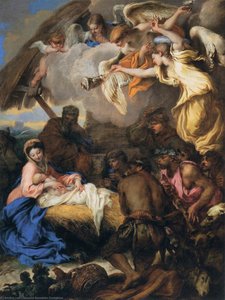
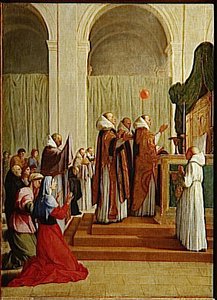
Биография художника
A Pioneer of the Natural World
In the vibrant and often dramatic landscape of the 17th-century French Baroque, few figures stand as uniquely as Brother Lesueur, known to history as Eustache Le Sueur. While his contemporaries were frequently swept up in the grand, sweeping narratives of mythology or the opulent displays of royal portraiture, Le Sueur turned his gaze toward a different kind of majesty: the intricate, often overlooked wonders of the animal kingdom. Born in Paris around 1617, he emerged not merely as a painter, but as a precursor to the scientific illustrators who would later define the Age of Enlightenment. His life’s work represents a profound intersection where the delicate touch of fine art meets the rigorous scrutiny of biological inquiry.
Le Sueur's artistic journey began with a foundation in classical discipline. He underwent an apprenticeship under Nicolas Boutet de Valois, a sculptor renowned for his allegorical works commissioned by the court of Louis XIII. This early exposure to the principles of proportion, anatomy, and classical beauty provided him with the technical vocabulary necessary to render form with absolute precision. However, where his mentor sought to idealize the human figure through stone, Le Suelar sought truth through the living—and sometimes the deceased—specimens of the natural world. This transition from the sculptural ideals of the academy to the empirical observations of a naturalist marked the beginning of a revolutionary artistic evolution.
The Art of Anatomical Precision
What truly distinguishes the work of Le Sueur is his uncompromising commitment to realism, a quality that transformed his studio into a space of scientific discovery. He did not merely paint what he imagined; he painted what he understood through direct observation. To achieve this level of unparalleled detail, Le Sueur engaged in a method that was radical for the 1600s: the study of anatomy via the dissection of carcasses obtained from royal hunts. This painstaking process allowed him to master the complex architecture of musculature, the delicate texture of feathers, and the rugged patterns of scales.
His technique was characterized by an extraordinary ability to capture the essence of life through physical accuracy. In his renderings, one can sense the weight of a limb, the sheen of wet fur, and the tension in a predator's stance. This dedication meant that his paintings functioned as both aesthetic triumphs and vital biological records. By integrating anatomical sketches with finished oil works, he bridged the gap between the artistic impulse and the scientific method, creating a legacy that predated the formal establishment of modern zoological illustration.
A Legacy of Sacred and Natural Splendor
While his contributions to animal painting are his most enduring scientific legacy, Le Sueur's repertoire was not limited to the wild. He possessed a remarkable versatility that allowed him to navigate the sacred themes prevalent in Baroque art. His religious compositions, such as the Presentation of the Virgin, demonstrate how he applied his mastery of detail and light to biblical narratives. In these works, the same meticulous attention to texture and form used for a bird's plumage was applied to the folds of holy drapery and the soft glow of divine light, creating a sense of profound, tangible presence.
The historical significance of Eustache Le Sueur lies in his role as a bridge between eras. He stood at the crossroads of the Baroque's emotional intensity and the burgeoning scientific curiosity of the next century. His ability to find the sublime within the anatomical has left an indelible mark on the history of French art. Through his eyes, the natural world was not just a backdrop for human drama, but a subject worthy of intense, reverent, and scientifically accurate study, cementing his reputation as a true pioneer of zoological art.
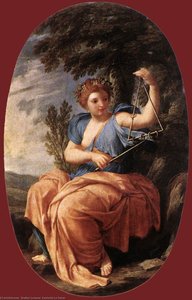
brother lesueur (eustache le sueur)
1616 - 1655 , France
Основные сведения
- Artistic Movement Or Style: Baroque Painting
- Artists Or Movements Influenced By This Artist: ['Rembrandt']
- Artists Who Influenced This Artist: ['Peter Paul Rubens']
- Date Of Birth: November 19, 1617
- Date Of Death: April 30, 1655
- Full Name: Eustache Le Sueur
- Nationality: French
- Notable Artworks:
- The Muses: Melpomene, Erato and Polyhymnia
- The Muses: Clio, Euterpe and Thalia
- Presentation of the Virgin
- Place Of Birth: Paris, France