

 Предпросмотр
 Поделиться
 Поделиться
 Детали произведения

 Скачать
 Похожие работы
 Рентгенография
 Слайд-шоу
 Статистика
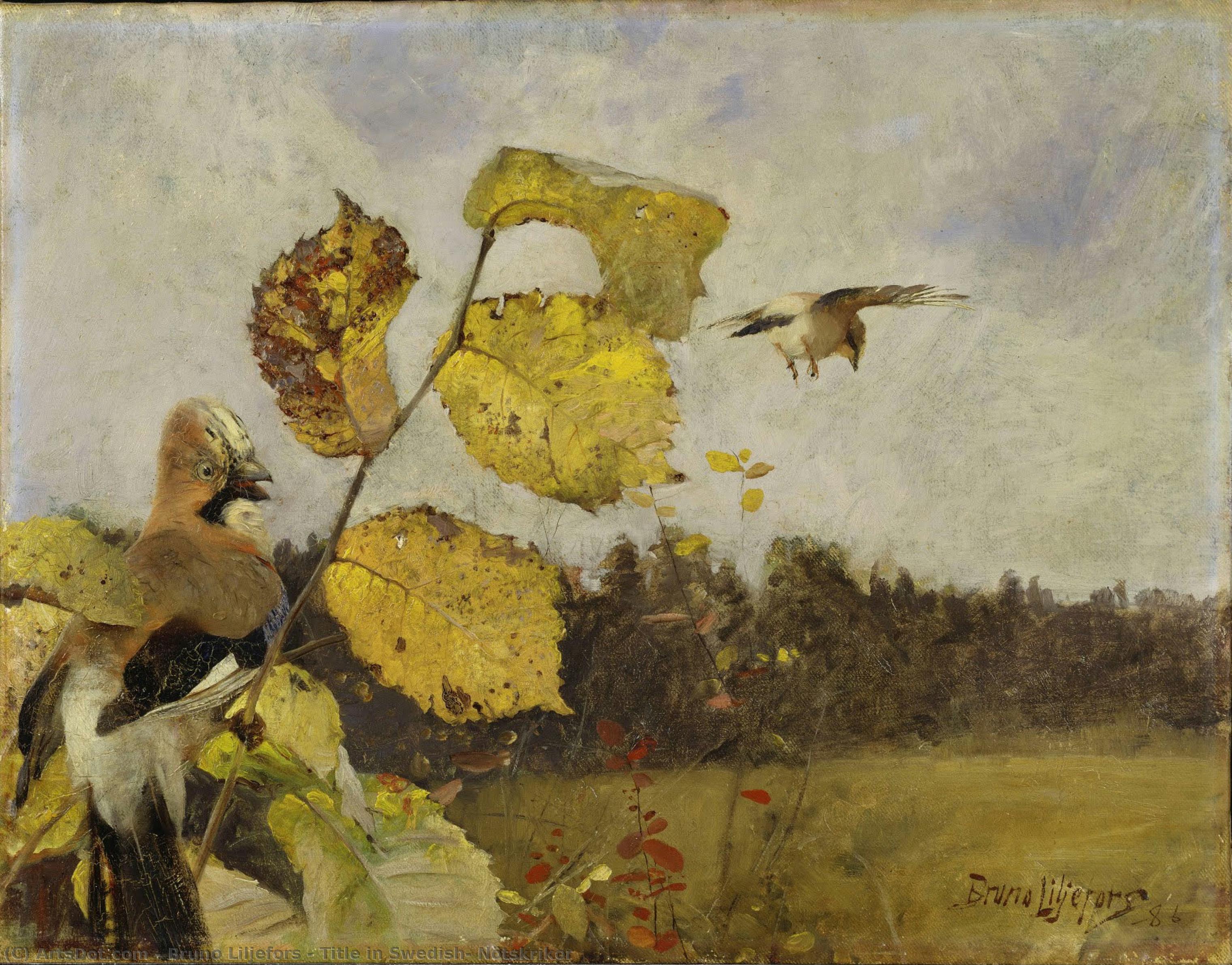
Title in Swedish: Nötskrikor
 Oil
Oil- WallArt
- Impressionism
 1886
1886- 19th Century
 660.0 x 510.0 cm
 Национальный музей Швеции
 Читать далее
Приобретите цифровое изображение высокого разрешения в улучшенном качестве, которое значительно превосходит онлайн-превью.
Каждый файл тщательно подготавливается нашими специалистами с использованием передовых инструментов и экспертной ручной ретуши. Мы гарантируем исключительную четкость, точную цветопередачу и детальную проработку каждого изображения.
Финальный файл доставляется по электронной почте в течение 72 часов и оптимизирован для немедленного использования в профессиональной среде, при верстке и печати. Это тот же уровень качества, которому доверяют ведущие дизайнерские студии, издательства и галереи.
Цифровое изображение
Скачайте файл высокого разрешения для личного использования, печати и творческих проектов. ( Перейти к печати Купить картину ручной работы)
Включено в каждый заказ цифровых изображений
Гарантия экспертной цифровой доставки
Выбирая ArtsDot.com, вы получаете не просто изображение — вы приобретаете профессионально обработанное цифровое произведение искусства, созданное с безупречной точностью и под защитой гарантии качества. Вот всё, что автоматически входит в ваш заказ:

Мгновенная доставка по e-mail
Ваш цифровой файл в высоком разрешении будет отправлен вам по электронной почте в течение 72 часов после оформления заказа — и сразу станет доступен для использования.

Цифровой файл с ИИ-улучшением
Ваше произведение искусства проходит профессиональную оптимизацию с использованием передовых инструментов ИИ и ручной обработки, что гарантирует максимальную детализацию, четкость и точность цветопередачи.

Бессрочная бесплатная повторная доставка
Случайно удалили или потеряли файл? Не беспокойтесь — мы отправим его вам повторно в любое время и совершенно бесплатно.

Без импортных пошлин — навсегда
Наслаждайтесь вашим произведением искусства мгновенно без таможенных пошлин, сборов или затрат на доставку — цифровые загрузки всегда не облагаются налогом.

Гарантия точности цветопередачи
Мы гарантируем, что ваше цифровое изображение максимально точно передает оригинальные цвета благодаря использованию профессиональных инструментов и систем управления цветом.

Гарантия удовлетворенности 100 дней
Если вы не будете удовлетворены своим цифровым изображением, мы внесем правки или вернем 100% стоимости в течение 100 дней — без лишних вопросов.

100% Гарантия возврата средств
Не удовлетворены покупкой? Получите полный возврат средств в течение 100 дней после получения цифрового файла — без лишних вопросов.

Скидки на оптовые заказы
Купите 3 изображения, сэкономьте 10% — Купите 5, сэкономьте 15% — Купите 10+, сэкономьте 20%. Отличное решение для творческих проектов, галерей и агентств.
A Frozen Moment in the Swedish Wild
In the quiet, tension-filled heart of a Scandinavian forest, a drama is unfolding that feels both ancient and immediate. Bruno Liljefors’ 1886 masterpiece, Nötskrikor (Eurasian Jays), captures a singular, breathless instant where the tranquility of nature is punctured by the instinctual alarm of its inhabitants. The painting presents us with two jays perched amidst a tapestry of autumnal gold and verdant greens; one bird has already surrendered to the impulse of flight, while its companion remains, beak agape in a harsh, piercing warning call. This is not merely a study of ornithology, but a profound exploration of the "frozen moment"—a technique where the artist suspends time to allow the viewer to witness the very second that peace dissolves into peril.
The composition is masterfully orchestrated to draw the eye through the layers of the woodland. A textured branch reaches into the near foreground, acting as a threshold that invites the observer into this private, wild sanctuary. Beyond this, the forest edge recedes into a soft, hazy blur, creating an atmospheric depth that mimics the way the human eye perceives a sudden movement in the brush. The interplay of light and shadow suggests a day perhaps lit by a sudden, dramatic shift in weather, lending the scene a cinematic quality that resonates with anyone who has ever felt the sudden stillness of the woods before a storm.
The Mastery of Naturalism and Impressionistic Light
Liljefors was far more than a traditional naturalist; he was a pioneer who bridged the gap between scientific precision and the emotive power of Impressionism. To achieve such startling authenticity, he employed a rigorous methodology, often utilizing live birds, photographs, and even taxidermy specimens mounted in outdoor settings to study how light interacts with plumage and leaf. This dedication to truth is evident in the tactile quality of the painting, where the weight of the feathers and the crispness of the yellowing leaves feel almost tangible.
His technique avoids the stiff, clinical lines of academic realism, opting instead for a more fluid, expressive brushwork that captures the vibration of life. The way the light filters through the canopy, catching the edges of the jays' wings and illuminating the lush grass below, speaks to his profound understanding of atmosphere. For the discerning collector or interior designer, this piece offers a sophisticated balance of detail and softness. It possesses a rhythmic energy that can breathe life into a room, providing a focal point that is both intellectually stimulating and visually soothing.
An Eternal Resonance for the Modern Collector
Beyond its technical brilliance, Nötskrikor carries an emotional weight that transcends its era. There is a primal vulnerability in the jays' warning that speaks to the universal experience of sensing change or danger. In an age often disconnected from the raw rhythms of the natural world, Liljefors’ work serves as a vital reconnection. It invites us to slow down, to observe the subtle shifts in our environment, and to appreciate the delicate balance between predator, prey, and habitat.
For those seeking to curate a space of inspiration, this reproduction offers more than just decoration; it offers an atmosphere of profound natural drama. Whether placed in a sunlit study or a contemporary living space, the painting’s palette of earthy ochres, deep greens, and brilliant highlights complements a wide array of interior aesthetics. It is a piece that rewards long periods of contemplation, revealing new nuances of light and movement with every glance, making it an enduring investment for any lover of fine art and the wild beauty of the earth.
Похожие произведения
Биография художника
A Master of Wild Encounters: The Life and Art of Bruno Liljefors
Bruno Andreas Liljefors, born in Uppsala, Sweden, in 1860, emerged as a pivotal figure in late nineteenth and early twentieth-century art, celebrated primarily for his dynamic depictions of wildlife. He wasn’t merely an animal painter; he was a chronicler of nature's raw drama, a master of capturing fleeting moments of predator and prey locked in their ancient dance. Liljefors distinguished himself through an innovative blend of Impressionistic techniques with meticulous observation, creating works that resonated with both scientific accuracy and emotional power. His influence extended far beyond his native Sweden, impacting generations of wildlife artists who followed. His early life offered little indication of the artistic path he would forge. Though born into a modest family—his father was an official in the mining industry—a natural talent for drawing quickly became apparent. Local shopkeepers recognized and nurtured this gift, providing young Bruno with art supplies that fueled his burgeoning passion. This early encouragement laid the foundation for formal training at the Royal Swedish Academy of Fine Arts in Stockholm beginning in 1879.From Academic Roots to Impressionistic Visions
Liljefors’s artistic journey wasn't immediate or straightforward. His initial studies adhered to the academic realism prevalent at the time, focusing on historical painting and traditional subjects. However, a period of travel across Europe—Düsseldorf, Venice, Florence, Rome, and Paris—proved transformative. Exposure to diverse artistic currents, particularly in France, ignited a shift towards Impressionism. He found himself drawn to the loose brushwork, vibrant colors, and emphasis on capturing fleeting moments of light that characterized the work of artists like Claude Monet and Pierre-Auguste Renoir. This newfound aesthetic sensibility wasn’t simply adopted wholesale; Liljefors ingeniously integrated it with his deep understanding of animal behavior and anatomy. He didn't just paint animals *in* nature, he painted nature *through* the animals, conveying their essence within a dynamic environment. This period also saw him engage with the Scandinavian artist colony in Gréz-sur-Loing, further refining his artistic vision and fostering connections that would shape his career. The influence of Japanese woodblock prints, with their unique perspectives and flattened compositions, also began to subtly permeate his work, adding another layer of complexity to his evolving style.The Drama of the Wild: Defining Liljefors’s Style
Liljefors carved a niche for himself by focusing on scenes of predation—the hawk descending upon its prey, the sea eagle pursuing an eider duck, the fox stalking a hare. These weren't merely depictions of violence; they were explorations of nature’s inherent drama, rendered with remarkable sensitivity and psychological insight. He avoided sensationalism or moralizing, instead presenting these encounters as natural occurrences within a larger ecological framework. His technique was crucial to achieving this effect. Liljefors employed broken brushstrokes and a vibrant palette to capture the play of light and shadow across feathers, fur, and landscapes. He possessed an exceptional ability to render camouflage patterns, demonstrating a keen understanding of how animals blend into their surroundings. This wasn’t simply about visual accuracy; it was about conveying the animal's perspective—how they perceive and interact with their environment. To ensure authenticity, Liljefors maintained a menagerie of live animals at his home, allowing him to study their movements and behaviors firsthand. He didn’t rely on sketches or photographs; he painted from life, imbuing his works with an immediacy and vitality that set them apart.Legacy and Enduring Influence
Bruno Liljefors died in Stockholm in 1939, leaving behind a body of work that continues to captivate audiences today. His paintings are held in major museums across Sweden and internationally, serving as testaments to his artistic skill and enduring vision. He remains an iconic figure in Swedish art and culture, celebrated for his ability to capture the essence of the natural world with both scientific precision and poetic grace. His influence on subsequent generations of wildlife artists is undeniable. Artists like Michael Coleman have openly acknowledged their debt to Liljefors’s innovative techniques and profound understanding of animal behavior. Beyond the realm of fine art, Liljefors's work has also had a subtle but significant impact on our perception of nature itself. His paintings encourage us to look more closely at the world around us, to appreciate the beauty and complexity of ecological relationships, and to recognize the inherent drama that unfolds in even the most seemingly tranquil landscapes. His legacy is not merely one of artistic achievement, but also of fostering a deeper connection between humanity and the natural world. He stands as a testament to the power of art to illuminate, inspire, and ultimately, to remind us of our place within the grand tapestry of life.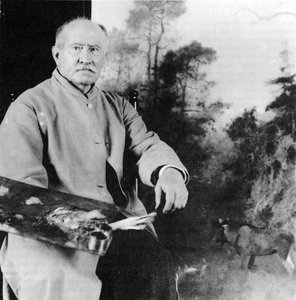
Bruno Liljefors
1860 - 1939