

 Предпросмотр
 Поделиться
 Поделиться
 Детали произведения

 Скачать
 Похожие работы
 Рентгенография
 Слайд-шоу
 Статистика
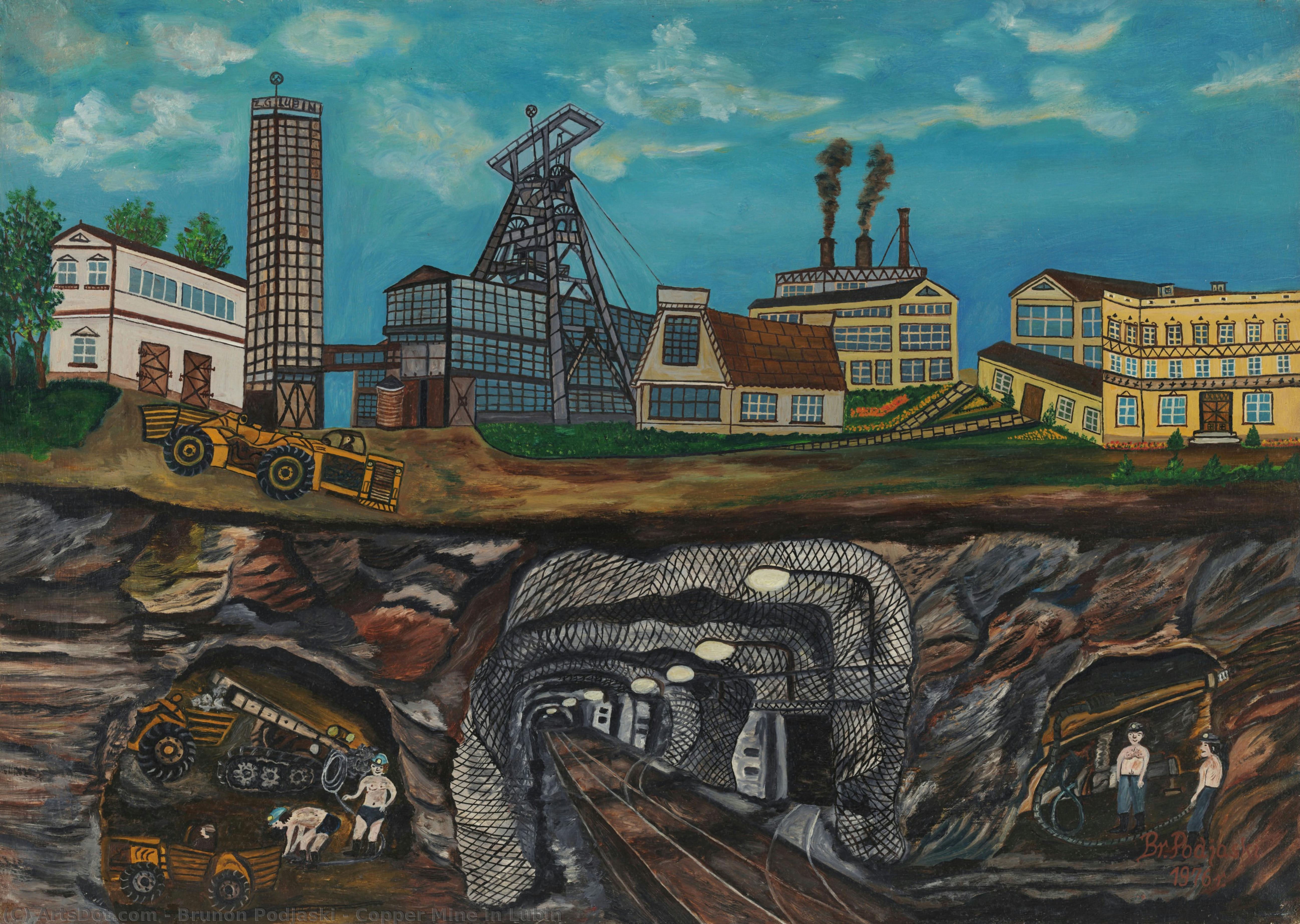
Copper Mine in Lubin


 Читать далее
Жикле / Арт-принт
Печать (жикле) или холст музейного качества с быстрыми сроками изготовления и широким выбором вариантов отделки. ( Купить картину ручной работы Перейти к цифровым изображениям)




































Выберите один из наших стандартных размеров, соответствующих оригинальным пропорциям произведения искусства.

Вы можете указать свои собственные размеры, чтобы репродукция идеально подошла под конкретную раму или пространство. Если выбранный вами размер не будет соответствовать пропорциям оригинала, мы либо обрежем произведение, либо дополним изображение зеркальным отражением краев или однотонной заливкой. Перед началом производства вам будет отправлен цифровой макет для утверждения.
Пожалуйста, обратите внимание, что предварительный просмотр на экране не отображает фактическую обрезку или расширение изображения. Только макет точно покажет финальную композицию.
Несмотря на возможность заказа индивидуальных размеров, мы рекомендуем выбирать размер из предопределенного списка, чтобы сохранить оригинальные пропорции.
Доставка по всему миру () за 2 недели вместо стандартных 4/5 недель. (11 Сентябрь)

Бесплатная экспресс-доставка по всему миру

Высококачественный льняной холст

Полное страхование доставки

Гарантия возмещения таможенных пошлин

Гарантия точного соответствия цветов

100-дневная политика возврата (только при обнаружении дефектов)

Гарантия возврата 100% средств

Предложение оптовых скидок
 Вариант со стеклом доступен только для размеров менее 110 см

Copper Mine in Lubin
Жикле / Арт-принт
Размер репродукции
-


Итоговая стоимость
$ 62
Похожие произведения








Биография художника
Arthur Hughes (1832–1915): A Pre-Raphaelite Visionary
Born in London amidst the burgeoning artistic landscape of 1832, Arthur Hughes was a figure whose career spanned decades and witnessed profound shifts within the British art world. Initially trained at Archbishop Tenison’s Grammar School and later at the prestigious School of Design, Somerset House, his early work demonstrated technical proficiency under the tutelage of Alfred Stevens. However, it wasn't until 1847, upon winning an art studentship at the Royal Academy Schools, that Hughes truly began to forge a distinctive path – one deeply intertwined with the burgeoning Pre-Raphaelite movement.
Hughes’s artistic journey took a pivotal turn in 1850 when he encountered the *Germ*, a magazine dedicated to reviving interest in the art of the Middle Ages and Renaissance. This encounter ignited his fascination with the Pre-Raphaelites, a group that championed a return to the perceived purity and sincerity of artists before Raphael. He quickly established connections with key figures like William Holman Hunt, D.G. Rossetti, and Ford Madox Brown, though he never formally joined their ranks. His early works, such as *Musidora* (1847), showcased a nascent talent, but it was his 1852 painting, *Ophelia*, which truly cemented his place within the movement’s aesthetic.
The 1850s proved to be a remarkably productive period for Hughes. He produced several iconic Pre-Raphaelite paintings – *April Love* (1855-6), *The Long Engagement* (c. 1854-9) – each imbued with the movement’s characteristic blend of romanticism, symbolism, and meticulous detail. Beyond painting, Hughes found success as an illustrator, collaborating with prominent writers like Thomas Hughes, George Macdonald, and Christina Rossetti, a career that would occupy much of his later life. His illustrations for *Alice in Wonderland* (1869) are particularly celebrated for their whimsical charm and vibrant color palettes.
The Influence of Pre-Raphaelitism and Beyond
Hughes’s artistic philosophy was deeply rooted in the Pre-Raphaelite ideals, yet he never rigidly adhered to its tenets. He embraced the movement's emphasis on truth to nature, detailed observation, and a rejection of academic conventions, but also incorporated elements from other sources – Japanese prints, Italian Renaissance art, and even aspects of Symbolism. This eclectic approach resulted in a uniquely personal style characterized by luminous colors, dreamlike imagery, and a profound sense of melancholy.
His conversion to Pre-Raphaelitism wasn’t merely stylistic; it represented a broader yearning for authenticity and spiritual depth. Hughes sought to capture the emotional resonance of his subjects, often depicting scenes from mythology, literature, and folklore with an intensity that bordered on the mystical. The influence of John Ruskin, a key figure in the Pre-Raphaelite movement, is evident in Hughes’s commitment to moral seriousness and his belief in art as a vehicle for social commentary.
A Life Dedicated to Art and Illustration
Hughes's life was inextricably linked to his art. He married Tryphena Foord in 1855, and together they raised five children. He established a studio in London and later moved to Kew, near Richmond, where he spent his final years. His career as an illustrator provided a steady income stream, allowing him to pursue his painting ambitions without the constraints of commercial pressures.
Beyond his artistic output, Hughes was also a respected figure within the art community. He contributed significantly to the decorations of the Oxford Union Society in 1857 and organized memorial exhibitions for fellow artists, demonstrating his commitment to preserving and promoting the legacy of Pre-Raphaelite art. His dedication extended beyond his own work; he actively supported younger artists and fostered a sense of camaraderie within the artistic circles of London.
Legacy and Recognition
Despite facing periods of relative obscurity, Arthur Hughes’s work has been increasingly recognized for its beauty, emotional depth, and historical significance. Retrospective exhibitions in 1900, 1904, 1916, and 1971 brought renewed attention to his paintings, sculptures, and illustrations. His contributions to the Pre-Raphaelite movement are now widely acknowledged, and his legacy continues to inspire artists today.
Hughes’s artistic output is documented in numerous catalogues raisonné, including Leonard Roberts' comprehensive study, *Arthur Hughes: His Life and Works*. His paintings reside in prominent collections such as the Tate Gallery (London), Birmingham Museum & Art Gallery, and the National Museum of Wales, ensuring that his vision endures for generations to come.
Further Resources

brunon podjaski
1915 - 1988 , Poland
Основные сведения
- Artistic Movement Or Style: Cubism, Fauvism, Surrealism
- Artists Or Movements Influenced By This Artist:
- Russian Avant-Garde
- Surrealism
- Cubism
- Artists Who Influenced This Artist:
- John Ruskin
- Walter Crane
- Picasso
- Matisse
- Date Of Birth: July 7, 1887
- Full Name: Marc Chagall
- Nationality: Russian/French
- Notable Artworks:
- I and the Village
- Maternity
- The Fiddler
- Circus Polka
- Place Of Birth: Vitebsk (Belarus)