

 Предпросмотр
 Поделиться
 Поделиться
 Детали произведения

 Скачать
 Похожие работы
 Рентгенография
 Слайд-шоу
 Статистика
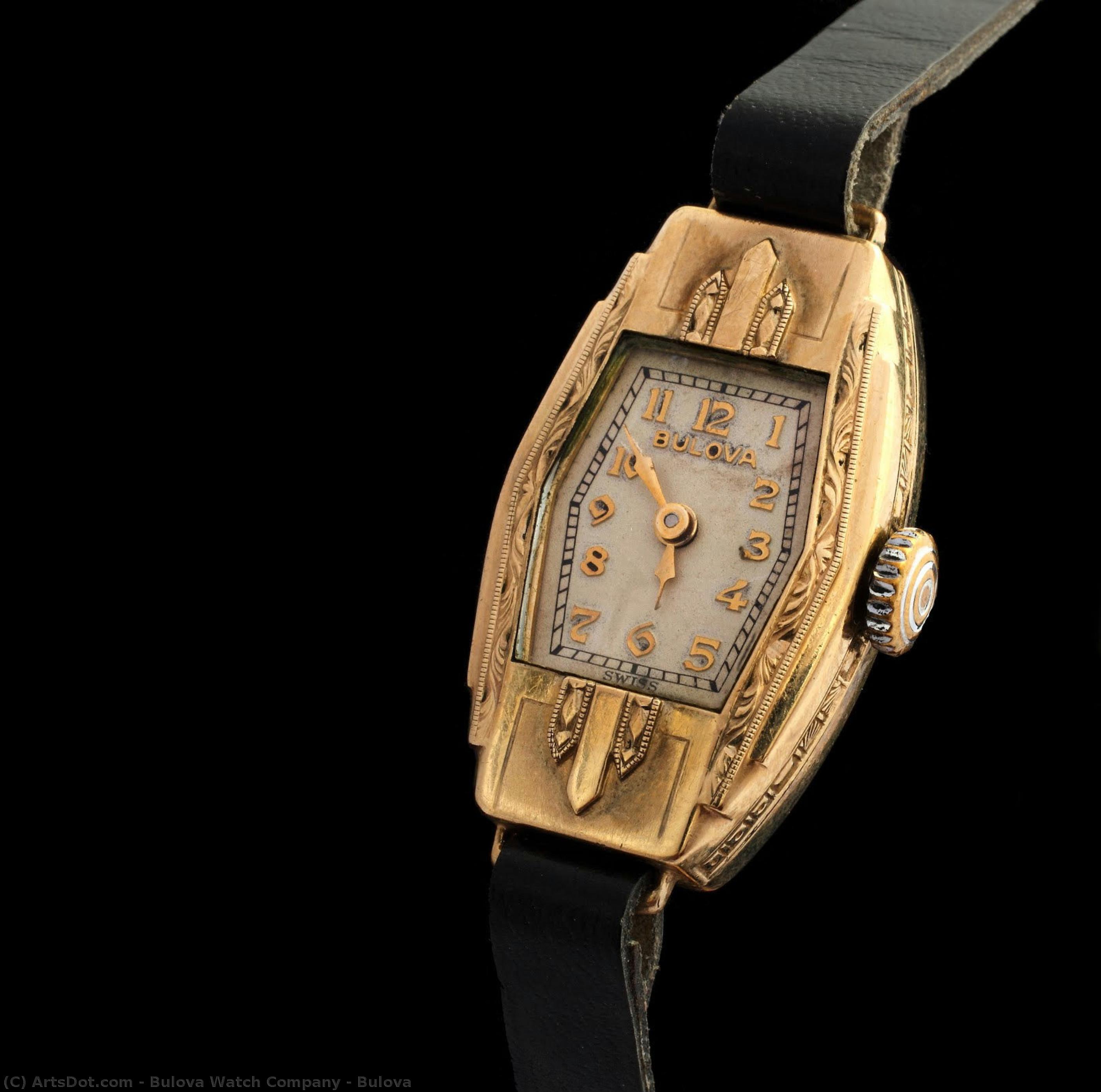
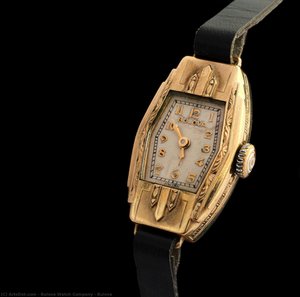
Bulova
 Art Deco
 1928
1928 3.0 x 1.0 cm
 The Museum of Arts and Crafts
 Читать далее
Масляная репродукция ручной работы
Картина маслом на холсте в выбранном вами размере и раме, написанная на заказ нашими художниками. ( Перейти к печати Перейти к цифровым изображениям)




































Выберите один из наших стандартных размеров, соответствующих оригинальным пропорциям произведения искусства.

Вы можете указать собственные размеры, чтобы картина идеально вписалась в выбранную раму или пространство. Если выбранный вами размер не соответствует пропорциям оригинала, мы либо обрежем полотно, либо расширим его за счет дополнительных элементов, написанных вручную. Цифровой макет будет отправлен вам на утверждение перед началом производства.
Обратите внимание, что предварительный просмотр на экране не отражает фактическую обрезку или расширение. Только макет точно покажет окончательную композицию.
Хотя доступны индивидуальные размеры, мы рекомендуем выбирать вариант из предопределенного списка, чтобы сохранить исходные пропорции.
После оформления заказа команда ArtsDot.com свяжется с клиентом по электронной почте для уточнения деталей и предоставит предварительный макет
Доставка по всему миру () за 3–4 недели вместо стандартных 5 недель. (11 Сентябрь). Без компромиссов в качестве.

Бесплатная экспресс-доставка по всему миру

Высококачественный льняной холст

Полное страхование доставки

Гарантия возмещения таможенных пошлин

Гарантия точного соответствия цветов

100-дневная политика возврата (только при обнаружении дефектов)

Гарантия возврата 100% средств

Предложение оптовых скидок
 Вариант со стеклом доступен только для размеров менее 110 см

Bulova
Техника репродукции
Размер репродукции
-


Итоговая стоимость
$ 263
Похожие произведения
Биография художника
The Enduring Legacy of Bulova: From Swiss Roots to American Innovation
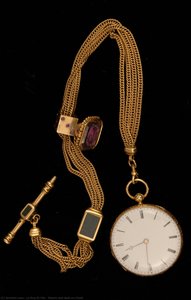
The story of Bulova is more than just the tale of a watch company; it’s an epic of entrepreneurial spirit, technological advancement, and a uniquely American vision. Founded in 1875 by Joseph Bulova, a Czech immigrant, the brand began not as a manufacturer but as a jeweler specializing in fine gold chains and cases for pocket watches. Arriving in America with little more than ambition, Bulova quickly established a reputation for quality craftsmanship in New York City. This early success laid the foundation for a company that would redefine horological standards.
Initially, Bulova imported movements from Switzerland, meticulously assembling them into exquisite timepieces sold under its own name. However, Joseph’s son, James Bulova, possessed a forward-thinking mindset and recognized the potential of vertically integrating production. By the early 20th century, Bulova began manufacturing its own watch movements, marking a pivotal shift towards becoming a fully independent American watchmaker. This commitment to in-house production allowed for greater control over quality and innovation—a hallmark that would define the brand for generations.
A Pioneer of Timekeeping: Radio Watches and Beyond
Bulova’s true ascent into horological prominence began with its groundbreaking work in radio timekeeping. In 1916, the company introduced its first line of watches featuring a unique accuracy standard—time synchronized with the National Bureau of Standards via radio signals. These “Accurate Time” watches were revolutionary, offering unprecedented precision for their era. The concept was further refined in the 1920s with the introduction of the Bulova Timekeeping Department, which broadcast precise time signals to the public, becoming a trusted source for accurate time across America.
This dedication to accuracy wasn’t merely about technical prowess; it reflected a broader cultural shift towards standardization and efficiency. As railroads expanded and commerce accelerated, reliable timekeeping became paramount. Bulova answered this need with its innovative radio watches, which quickly gained popularity among professionals—particularly railroad conductors who relied on precise timing for safe and efficient operations. The company’s commitment to accuracy earned it the prestigious “B” rating from the U.S. Railroad Administration, a testament to the reliability of its timepieces.
The Accutron Revolution: A New Era in Watch Technology
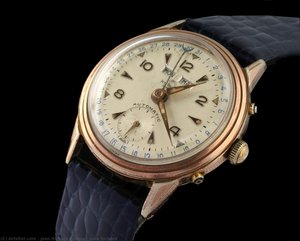
Perhaps Bulova's most significant achievement was the development of the Accutron—a groundbreaking electronic watch introduced in 1960. Unlike traditional mechanical watches, the Accutron utilized a tuning fork resonator powered by a battery to regulate timekeeping. This innovative technology offered unparalleled accuracy and reliability, quickly becoming a favorite among astronauts, pilots, and discerning watch enthusiasts.
The Accutron wasn’t just a technological marvel; it was also a design icon. Its distinctive hum, visible balance wheel, and sleek aesthetic set it apart from its contemporaries. The watch became synonymous with precision and sophistication, appearing in countless films and on the wrists of influential figures. Bulova's commitment to pushing boundaries extended beyond timekeeping itself, influencing case designs and materials—often incorporating space-age aesthetics that reflected the optimism of the era.
From Space Race Icon to Modern Heritage
The Accutron’s impact reached new heights during the Space Race. In 1965, Bulova watches accompanied astronaut Wally Schirra on his Mercury mission—a pivotal moment that cemented the brand's reputation for reliability in extreme conditions. This association with space exploration further elevated Bulova’s status as a symbol of American ingenuity and technological prowess.
While facing challenges from quartz technology in the 1970s, Bulova continued to innovate, introducing new designs and complications. Today, the brand remains committed to its heritage of precision and craftsmanship, offering a diverse range of timepieces that blend classic aesthetics with modern technology. The revival of the Accutron line—with its unique tuning fork movement—demonstrates a dedication to preserving the legacy of this groundbreaking watch while embracing contemporary design sensibilities. Bulova’s story is a testament to the enduring power of innovation, a reminder that even in a rapidly changing world, quality craftsmanship and a commitment to pushing boundaries will always be valued.
Основные сведения
- Artistic Movement Or Style: Art Deco
- Date Of Death: Living
- Full Name: Bulova Watch Company
- Notable Artworks:
- Vintage 1928 Bulova watch
- Bulova Accutron
Похожие статьи

Echoes of Time: Exploring the Enduring Appeal of Vintage Artwork
Explore the captivating world of vintage art! Discover its history, enduring appeal, & how to build your own collection. Expert advice, custom reproductions & museum-quality prints at ArtsDot.

The Gilded Age Revisited: Art Deco's Modernity & Luxury
Explore the captivating world of Art Deco paintings & the Gilded Age's enduring legacy. Discover iconic artists like Tamara de Lempicka & invest in museum-quality reproductions with ArtsDot.

The Gleaming Geometry of Desire: Exploring Art Deco's Enduring Influence on Visual Culture
Explore the captivating world of Art Deco! Discover its history, key characteristics, enduring influence on design & collecting with expert insights from ArtsDot.com.
Echoes of Time: Nostalgia, Technique & Cultural Significance in Vintage Paintings
Explore the captivating world of vintage paintings! Discover key styles, cultural significance & collecting tips from art experts at ArtsDot. Find authentic reproductions and elevate your home décor.

The Gilded Age Reimagined: Exploring the Aesthetic Principles & Enduring Legacy of Art Deco
Explore the captivating world of Art Deco! Discover its origins, defining features, cultural impact & enduring legacy. Expert insights for collectors and design enthusiasts. Shop handmade reproductions at ArtsDot.