

 Предпросмотр
 Поделиться
 Поделиться
 Детали произведения

 Скачать
 Похожие работы
 Рентгенография
 Слайд-шоу
 Статистика
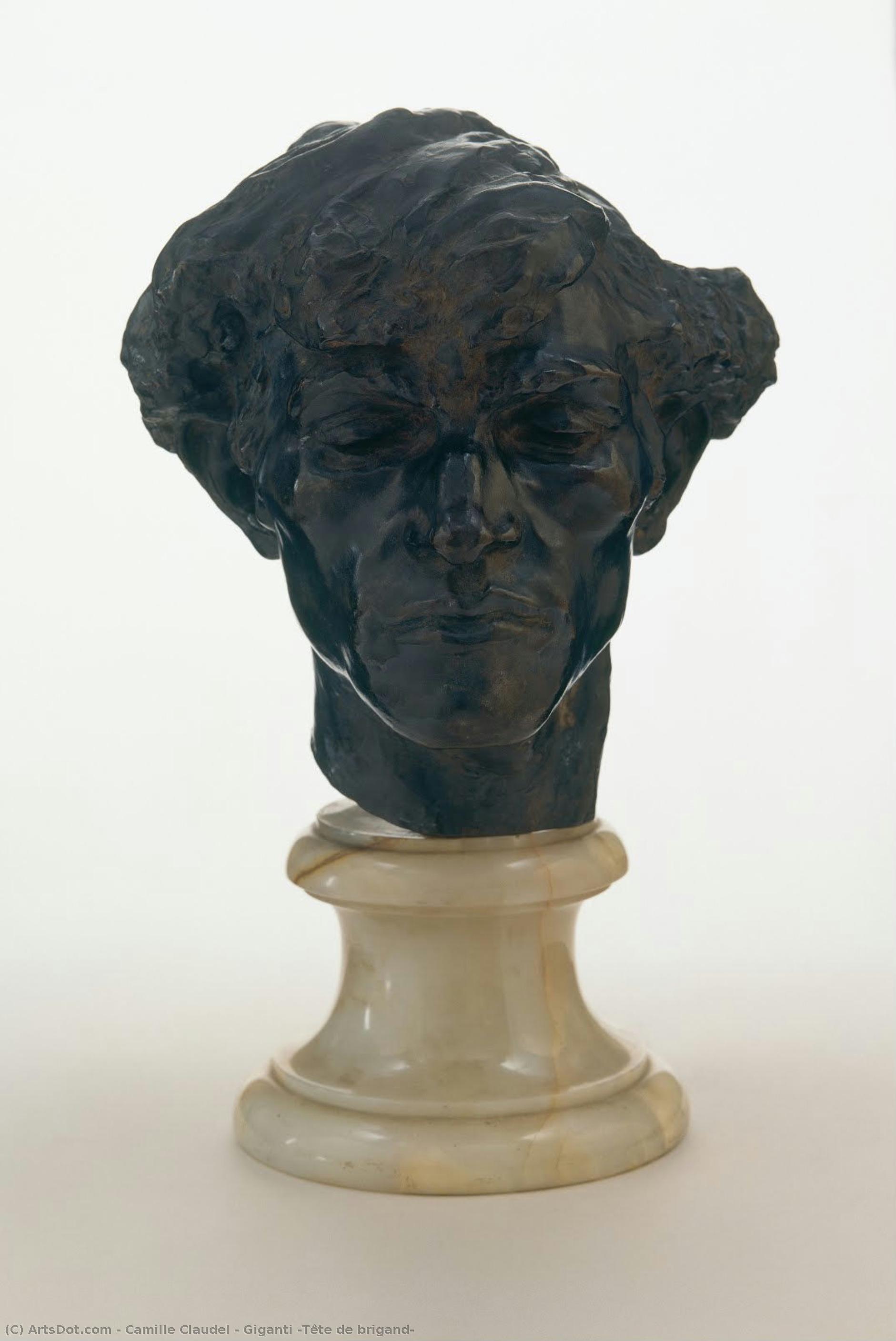
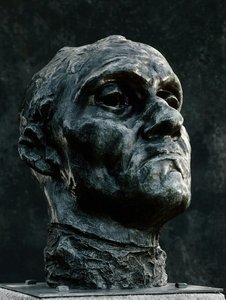
Giganti (Tête de brigand)
 Neoclassicism
 1885
1885 26.0 x 26.0 cm
 Kunsthalle Bremen
 Читать далее
Масляная репродукция ручной работы
Картина маслом на холсте в выбранном вами размере и раме, написанная на заказ нашими художниками. ( Перейти к печати Перейти к цифровым изображениям)




P118B $10

P118H $10

P118W $10

P438Z $10

P508JH $12

P508YH $12

P805H $10

P805Z $10

P919BZ $10

P919G $10

P919XJ $10

P959ZH $10

P968JZ $12

W106C $8

W218G $10

W218JH $8

W218Y $10

W307PJ $10

W316G $10

W316PJ $8

W316Y $10

W398PJ $8

W4111J $10

W500HY $15

W500JH $15

W692G $12

W849H $8

W940BG $15

W953PJ $8




Выберите один из наших стандартных размеров, соответствующих оригинальным пропорциям произведения искусства.

Вы можете указать собственные размеры, чтобы картина идеально вписалась в выбранную раму или пространство. Если выбранный вами размер не соответствует пропорциям оригинала, мы либо обрежем полотно, либо расширим его за счет дополнительных элементов, написанных вручную. Цифровой макет будет отправлен вам на утверждение перед началом производства.
Обратите внимание, что предварительный просмотр на экране не отражает фактическую обрезку или расширение. Только макет точно покажет окончательную композицию.
Хотя доступны индивидуальные размеры, мы рекомендуем выбирать вариант из предопределенного списка, чтобы сохранить исходные пропорции.
После оформления заказа команда ArtsDot.com свяжется с клиентом по электронной почте для уточнения деталей и предоставит предварительный макет
Доставка по всему миру () за 3–4 недели вместо стандартных 5 недель. (12 Сентябрь). Без компромиссов в качестве.

Бесплатная экспресс-доставка по всему миру

Высококачественный льняной холст

Полное страхование доставки

Гарантия возмещения таможенных пошлин

Гарантия точного соответствия цветов

100-дневная политика возврата (только при обнаружении дефектов)

Гарантия возврата 100% средств

Предложение оптовых скидок
 Вариант со стеклом доступен только для размеров менее 110 см

Giganti (Tête de brigand)
Техника репродукции
Размер репродукции
-


Итоговая стоимость
$ 263
Giganti (Tête de brigand) – A Portrait of Boldness and Intrigue
Camille Claudel’s “Giganti” (“Head of a Bandit”), created in 1885, stands as a testament to the artist's remarkable ability to capture both psychological depth and sculptural virtuosity. More than just a depiction of a man—whose identity remains shrouded in mystery—the sculpture embodies a complex interplay of confidence, defiance, and an unsettling gaze that continues to fascinate viewers today.
Historical Context & Artistic Influences
Born into the French countryside in 1864, Camille Claudel emerged as a defiant voice within the artistic landscape of her time. Her early life was marked by familial expectations contrasting with her innate passion for sculpting—a pursuit that would ultimately propel her to collaborate with Auguste Rodin, sparking an enduring romance and shaping the trajectory of their careers. The Salon of the Société des Artistes Français in 1885 served as a pivotal moment, showcasing Claudel’s burgeoning talent and establishing her presence within the Parisian avant-garde.
Sculptural Technique & Material Considerations
Claudel skillfully employed lost-wax casting—a technique renowned for its precision and ability to reproduce intricate details—to bring Giganti to life. The bronze material itself contributes to the sculpture’s aura of permanence and richness, allowing Claudel to achieve subtle tonal variations that heighten the expressive power of the piece. Careful attention was paid to surface texture, creating a slightly rough finish that underscores the dynamism inherent in the sculpted form.
Composition & Stylistic Characteristics
The sculpture's composition is centered around a bust of a man’s head and shoulders, presented against a minimalist white background—a deliberate choice designed to emphasize the sculptural form and its textural qualities. Claudel’s style leans heavily toward classical influences, prioritizing realistic representation while simultaneously injecting an element of psychological drama. The rounded shapes—spheres and ovoids—create volume and solidity, grounding the bust within space.
Symbolism & Emotional Resonance
"Giganti," as Rodin himself recognized, transcends mere portraiture; it embodies a profound statement about character and ambition. Claudel’s portrayal captures a man radiating self-assurance, yet simultaneously conveying an unsettling stare—a gaze that seems to challenge the viewer's perspective. The sculpture speaks to themes of pride, defiance, and perhaps even arrogance, prompting contemplation on human nature and its complexities. Its enduring appeal lies in its ability to evoke emotion and provoke dialogue about identity and power.
Provenance & Reproduction
Notably signed “A. Rodin” in the bronze cast, Giganti’s Bremen piece distinguishes itself from other casts housed at Musée Thomas-Henri in Cherbourg and Musée des Beaux-Arts in Lille. This distinction underscores Claudel's contribution to the sculpture’s artistic vision—a testament to her collaborative spirit with Rodin. High-quality reproductions offer art enthusiasts a chance to experience the beauty and nuance of Claudel’s masterpiece firsthand.
Биография художника
Camille Claudel: A Sculptor's Passion and Shadow
Camille Claudel (1864-1943) remains a figure of enduring fascination—a sculptor whose extraordinary talent was tragically overshadowed by personal turmoil and societal prejudice. Born in Fère-en-Tardenois, Aisne, France, into a family rooted in rural tradition yet embracing intellectual curiosity, Claudel’s early life foreshadowed her destiny as an artist who would forge her own path against prevailing norms. Her father, Louis-Prosper Claudel, was involved in financial dealings—a profession that contrasted sharply with the artistic inclinations blossoming within his daughter. Louise-Athanaïse Cerveaux, Claudel's mother, descended from Champagne’s aristocratic lineage, imbuing Camille with a connection to heritage and refinement. Despite familial pressures, Claudel possessed an innate fascination for working with natural materials—clay, soil, stone—a preoccupation that would become central to her artistic vision. From a young age, she demonstrated an unparalleled sensitivity to form and texture, instinctively responding to the world around her with sculptural expression.Early Years and Artistic Influences
Claudel’s formative years were marked by a profound encounter with Alfred Boucher, a sculptor who recognized her exceptional talent and became her first teacher in Paris. Boucher instilled in Claudel a disciplined approach to art—a focus on anatomical accuracy and the mastery of classical techniques—influences that would subtly shape her subsequent work. However, it was Auguste Rodin’s arrival in her life that irrevocably altered her trajectory. Drawn to Rodin's monumental sculptures and his exploration of human emotion, Claudel joined his workshop as a model, quickly surpassing this role through collaboration, mentorship, and ultimately, passionate love. This relationship proved transformative—Rodin nurtured Claudel’s artistic sensibilities while simultaneously presenting her with the complexities of romantic partnership. The dynamic between Rodin and Claudel fueled their creative endeavors but was shadowed by Rodin's existing commitments and inherent power imbalances. Claudel absorbed Rodin’s stylistic principles—particularly his emphasis on expressive gesture and psychological depth—yet she steadfastly pursued her own distinctive voice, rejecting imitation in favor of genuine artistic exploration.Collaboration with Rodin: The Burghers of Calais and Beyond
Claudel's contribution to Rodin’s magnum opus, *The Burghers of Calais*, exemplifies her meticulous craftsmanship and understanding of sculptural form. She skillfully modeled the hands and feet of the figures—a task requiring unparalleled precision—demonstrating a mastery of anatomy that belied her youth. This collaboration solidified Claudel’s reputation as a sculptor of exceptional skill and cemented her place within the artistic landscape of Belle Époque Paris. Beyond *The Burghers of Calais*, Claudel worked on numerous other projects alongside Rodin, including *Gates of Hell* and *Bal du Moulin Rouge*, immersing herself in the exploration of human emotion and dramatic composition. Her involvement in these monumental undertakings underscored her commitment to pushing the boundaries of sculptural expression—challenging conventions and embracing innovation.A Singular Style: Emotion and Form
Claudel’s artistic style is characterized by its raw emotional intensity, dynamic compositions, and profound engagement with human relationships. Unlike many sculptors of her time who adhered to idealized forms rooted in classical tradition, Claudel prioritized capturing genuine emotion—love, longing, despair—through sculptural representation. Her figures are imbued with movement—a palpable sense of energy and dynamism—reflecting her belief that sculpture should convey not merely appearance but also psychological state. Claudel’s sculptures eschewed polished surfaces and meticulous detail—favoring instead expressive textures and asymmetrical forms—a stylistic choice that distinguished her work from prevailing trends. Notable works include *The Waltz*, which captures the fleeting beauty of movement and emotion; *Young Girl with a Sheaf*, portraying innocence and vulnerability; and *Sakuntala*, inspired by Indian mythology, demonstrating Claudel’s willingness to draw inspiration from diverse cultural sources. Her sculptures are imbued with an unmistakable spirit—a conviction that art should illuminate the complexities of human experience.Legacy and Rediscovery
Despite facing considerable obstacles throughout her life—including professional setbacks stemming from gender discrimination and personal struggles exacerbated by mental illness—Claudel achieved recognition as a sculptor of unparalleled originality and talent. Her tragic fate—institutionalization following a breakdown fueled by familial pressures and societal biases—served as a poignant reminder of the challenges faced by female artists in a patriarchal society. However, Claudel’s work experienced a resurgence of interest in the late 20th century—driven by biographical research and exhibitions that illuminated her artistic achievements and underscored her enduring legacy. The opening of the Musée Camille Claudel in Nogent-sur-Seine in 2017 stands as a testament to this belated but fitting tribute—a celebration of Claudel’s extraordinary artistry and a poignant reflection on the elusive pursuit of creative fulfillment. Today, Camille Claudel is rightfully regarded as one of France's most significant sculptors—an artist whose passionate work continues to inspire admiration and provoke contemplation.
Камиль Клодель
1864 - 1943 , Франция
Основные сведения
- Artistic Movement Or Style: Экспрессионизм
- Artists Who Influenced This Artist:
- Огюст Роден
- Альфред Бошер
- Date Of Birth: 8 декабря 1864 г.
- Date Of Death: 19 октября 1943 г.
- Full Name: Camille Rosalie Claudel
- Nationality: Французская
- Notable Artworks:
- Валц
- Сакунтала
- Гиганты
- Возраст зрелый
- Place Of Birth: Фэр-эн-Тарденоаис, Франция
Похожие статьи

The Enduring Legacy of Bronze: A Historical & Artistic Exploration for the Collector
Explore the rich history & enduring appeal of bronze sculpture with expert insights for collectors at ArtsDot. Learn about casting techniques, iconic artists, collecting tips & contemporary interpretations.
The Enduring Legacy of Bronze: History, Technique & Artistic Expression for the Collector
Explore the rich history & enduring appeal of bronze sculpture with expert insights for collectors at ArtsDot. Learn about casting techniques, iconic artists, and collecting tips.

10 легендарных бронзовых шедевров, изменивших искусство | ArtsDot
Погрузитесь в мир великих бронзовых шедевров! От Давида Донателло до Мыслителя Родена – узнайте историю создания, технику и значение легендарных скульптур. Вдохновение для интерьера и музейное качество репродукций на ArtsDot.com.
The Enduring Legacy of Bronze Sculpture: A Collector's Guide to Form & Cultural Significance
Explore the rich history & enduring appeal of bronze sculpture with expert insights for collectors at ArtsDot. Learn about casting techniques, iconic artists, and collecting tips to build a discerning art collection.

10 легендарных бронзовых скульптур, изменивших искусство навсегда | ArtsDot
Погрузитесь в мир великих бронзовых скульптур! От Давида Микеланджело до работ Родена – история искусства, техники и вдохновения. Купите репродукции шедевров для вашего интерьера на ArtsDot.com