

 Поделиться
 Поделиться
 Детали произведения

 Скачать
 Похожие работы
 Слайд-шоу
 Статистика
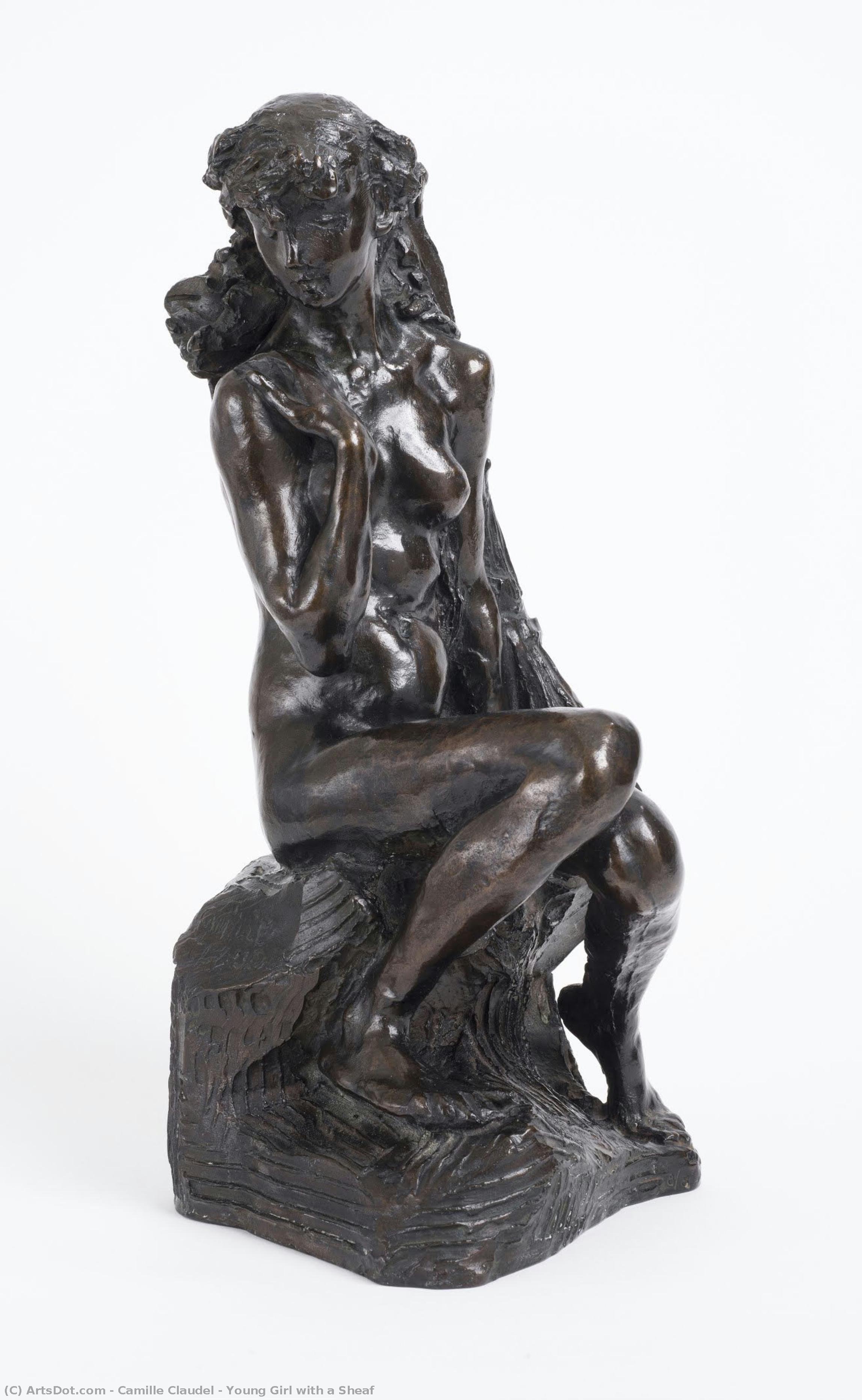
Young Girl with a Sheaf


 Читать далее
Приобретите цифровое изображение высокого разрешения в улучшенном качестве, которое значительно превосходит онлайн-превью.
Каждый файл тщательно подготавливается нашими специалистами с использованием передовых инструментов и экспертной ручной ретуши. Мы гарантируем исключительную четкость, точную цветопередачу и детальную проработку каждого изображения.
Финальный файл доставляется по электронной почте в течение 72 часов и оптимизирован для немедленного использования в профессиональной среде, при верстке и печати. Это тот же уровень качества, которому доверяют ведущие дизайнерские студии, издательства и галереи.
Цифровое изображение
Скачайте файл высокого разрешения для личного использования, печати и творческих проектов. ( Перейти к печати Купить картину ручной работы)
Включено в каждый заказ цифровых изображений
Гарантия экспертной цифровой доставки
Выбирая ArtsDot.com, вы получаете не просто изображение — вы приобретаете профессионально обработанное цифровое произведение искусства, созданное с безупречной точностью и под защитой гарантии качества. Вот всё, что автоматически входит в ваш заказ:

Мгновенная доставка по e-mail
Ваш цифровой файл в высоком разрешении будет отправлен вам по электронной почте в течение 72 часов после оформления заказа — и сразу станет доступен для использования.

Цифровой файл с ИИ-улучшением
Ваше произведение искусства проходит профессиональную оптимизацию с использованием передовых инструментов ИИ и ручной обработки, что гарантирует максимальную детализацию, четкость и точность цветопередачи.

Бессрочная бесплатная повторная доставка
Случайно удалили или потеряли файл? Не беспокойтесь — мы отправим его вам повторно в любое время и совершенно бесплатно.

Без импортных пошлин — навсегда
Наслаждайтесь вашим произведением искусства мгновенно без таможенных пошлин, сборов или затрат на доставку — цифровые загрузки всегда не облагаются налогом.

Гарантия точности цветопередачи
Мы гарантируем, что ваше цифровое изображение максимально точно передает оригинальные цвета благодаря использованию профессиональных инструментов и систем управления цветом.

Гарантия удовлетворенности 100 дней
Если вы не будете удовлетворены своим цифровым изображением, мы внесем правки или вернем 100% стоимости в течение 100 дней — без лишних вопросов.

100% Гарантия возврата средств
Не удовлетворены покупкой? Получите полный возврат средств в течение 100 дней после получения цифрового файла — без лишних вопросов.

Скидки на оптовые заказы
Купите 3 изображения, сэкономьте 10% — Купите 5, сэкономьте 15% — Купите 10+, сэкономьте 20%. Отличное решение для творческих проектов, галерей и агентств.
Young Girl with a Sheaf - A Portrait of Innocence and Rustic Beauty
Camille Claudel’s “Young Girl with a Sheaf,” created in 1890, stands as a cornerstone of Impressionistic sculpture—a testament to Rodin's influence and Claudel’s singular vision. More than just a depiction of youthful femininity, the piece embodies a profound connection between human form and the natural world, capturing a moment of quiet contemplation amidst the simplicity of rural life.
Claudel’s formative years spent in Fère-en-Tardenois instilled within her an unwavering appreciation for organic materials—clay, soil, stone—a dedication that would permeate her artistic practice throughout her career. Her collaboration with Auguste Rodin wasn't merely professional; it was a crucible of intellectual exchange where Claudel honed her understanding of anatomical precision and sought to translate the essence of human emotion into sculptural form.
Composition and Form: A Dialogue Between Figure and Landscape
The sculpture occupies nearly the entirety of its frame, positioning the young woman slightly off-center—a deliberate compositional choice that draws the eye upwards towards the sheaf of wheat. This arrangement isn’t accidental; it establishes a visual dialogue between the female figure and the agricultural element, symbolizing fertility and nurturing – themes prevalent in Claudel's oeuvre.
Claudel meticulously crafted the sculpture’s form, prioritizing anatomical accuracy while simultaneously conveying a sense of naturalistic movement. The woman’s posture—leaning gently against the wheat—suggests repose yet hints at an inner awareness, inviting viewers to ponder upon themes of introspection and serenity. Rodin himself recognized Claudel's exceptional talent for capturing subtle nuances of expression.
Materiality and Technique: Bronze as Medium of Emotion
“Young Girl with a Sheaf” is cast bronze—a technique favored by Claudel that allowed her to achieve remarkable textural detail and luminosity. The lost-wax casting method ensured the preservation of intricate surface ornamentation, reflecting Claudel’s meticulous attention to craftsmanship.
The sculptor skillfully employed tooling and chasing techniques to refine the sculpture's contours, enhancing its visual impact and emphasizing the interplay of light and shadow across its polished surface. This careful manipulation of material contributes significantly to the artwork’s emotive power—creating a palpable sense of warmth and solidity that speaks to the enduring beauty of classical form.
Symbolism and Emotional Resonance: An Icon of Romantic Idealization
Beyond its formal qualities, “Young Girl with a Sheaf” resonates deeply with symbolic significance. The youthful woman embodies innocence and purity—qualities celebrated in Romantic art—while the sheaf of wheat represents abundance and renewal. Claudel’s masterful rendering captures not merely an image but an emotion—a quiet contemplation that transcends time.
The sculpture's enduring appeal lies in its ability to evoke feelings of peace, tranquility, and admiration for the sublime beauty of nature. It serves as a poignant reminder of Rodin’s belief in art’s capacity to illuminate the human spirit – a legacy cemented by Claudel’s unforgettable contribution to sculptural history.
Похожие произведения


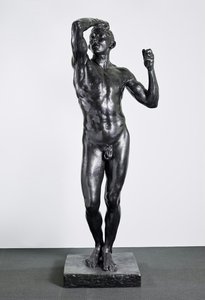
Биография художника
Camille Claudel: A Sculptor's Passion and Shadow
Camille Claudel (1864-1943) remains a figure of enduring fascination—a sculptor whose extraordinary talent was tragically overshadowed by personal turmoil and societal prejudice. Born in Fère-en-Tardenois, Aisne, France, into a family rooted in rural tradition yet embracing intellectual curiosity, Claudel’s early life foreshadowed her destiny as an artist who would forge her own path against prevailing norms. Her father, Louis-Prosper Claudel, was involved in financial dealings—a profession that contrasted sharply with the artistic inclinations blossoming within his daughter. Louise-Athanaïse Cerveaux, Claudel's mother, descended from Champagne’s aristocratic lineage, imbuing Camille with a connection to heritage and refinement. Despite familial pressures, Claudel possessed an innate fascination for working with natural materials—clay, soil, stone—a preoccupation that would become central to her artistic vision. From a young age, she demonstrated an unparalleled sensitivity to form and texture, instinctively responding to the world around her with sculptural expression.Early Years and Artistic Influences
Claudel’s formative years were marked by a profound encounter with Alfred Boucher, a sculptor who recognized her exceptional talent and became her first teacher in Paris. Boucher instilled in Claudel a disciplined approach to art—a focus on anatomical accuracy and the mastery of classical techniques—influences that would subtly shape her subsequent work. However, it was Auguste Rodin’s arrival in her life that irrevocably altered her trajectory. Drawn to Rodin's monumental sculptures and his exploration of human emotion, Claudel joined his workshop as a model, quickly surpassing this role through collaboration, mentorship, and ultimately, passionate love. This relationship proved transformative—Rodin nurtured Claudel’s artistic sensibilities while simultaneously presenting her with the complexities of romantic partnership. The dynamic between Rodin and Claudel fueled their creative endeavors but was shadowed by Rodin's existing commitments and inherent power imbalances. Claudel absorbed Rodin’s stylistic principles—particularly his emphasis on expressive gesture and psychological depth—yet she steadfastly pursued her own distinctive voice, rejecting imitation in favor of genuine artistic exploration.Collaboration with Rodin: The Burghers of Calais and Beyond
Claudel's contribution to Rodin’s magnum opus, *The Burghers of Calais*, exemplifies her meticulous craftsmanship and understanding of sculptural form. She skillfully modeled the hands and feet of the figures—a task requiring unparalleled precision—demonstrating a mastery of anatomy that belied her youth. This collaboration solidified Claudel’s reputation as a sculptor of exceptional skill and cemented her place within the artistic landscape of Belle Époque Paris. Beyond *The Burghers of Calais*, Claudel worked on numerous other projects alongside Rodin, including *Gates of Hell* and *Bal du Moulin Rouge*, immersing herself in the exploration of human emotion and dramatic composition. Her involvement in these monumental undertakings underscored her commitment to pushing the boundaries of sculptural expression—challenging conventions and embracing innovation.A Singular Style: Emotion and Form
Claudel’s artistic style is characterized by its raw emotional intensity, dynamic compositions, and profound engagement with human relationships. Unlike many sculptors of her time who adhered to idealized forms rooted in classical tradition, Claudel prioritized capturing genuine emotion—love, longing, despair—through sculptural representation. Her figures are imbued with movement—a palpable sense of energy and dynamism—reflecting her belief that sculpture should convey not merely appearance but also psychological state. Claudel’s sculptures eschewed polished surfaces and meticulous detail—favoring instead expressive textures and asymmetrical forms—a stylistic choice that distinguished her work from prevailing trends. Notable works include *The Waltz*, which captures the fleeting beauty of movement and emotion; *Young Girl with a Sheaf*, portraying innocence and vulnerability; and *Sakuntala*, inspired by Indian mythology, demonstrating Claudel’s willingness to draw inspiration from diverse cultural sources. Her sculptures are imbued with an unmistakable spirit—a conviction that art should illuminate the complexities of human experience.Legacy and Rediscovery
Despite facing considerable obstacles throughout her life—including professional setbacks stemming from gender discrimination and personal struggles exacerbated by mental illness—Claudel achieved recognition as a sculptor of unparalleled originality and talent. Her tragic fate—institutionalization following a breakdown fueled by familial pressures and societal biases—served as a poignant reminder of the challenges faced by female artists in a patriarchal society. However, Claudel’s work experienced a resurgence of interest in the late 20th century—driven by biographical research and exhibitions that illuminated her artistic achievements and underscored her enduring legacy. The opening of the Musée Camille Claudel in Nogent-sur-Seine in 2017 stands as a testament to this belated but fitting tribute—a celebration of Claudel’s extraordinary artistry and a poignant reflection on the elusive pursuit of creative fulfillment. Today, Camille Claudel is rightfully regarded as one of France's most significant sculptors—an artist whose passionate work continues to inspire admiration and provoke contemplation.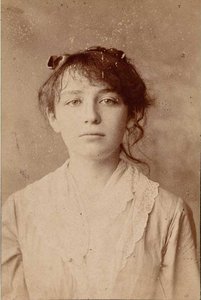
Камиль Клодель
1864 - 1943 , Франция
Основные сведения
- Artistic Movement Or Style: Экспрессионизм
- Artists Who Influenced This Artist:
- Огюст Роден
- Альфред Бошер
- Date Of Birth: 8 декабря 1864 г.
- Date Of Death: 19 октября 1943 г.
- Full Name: Camille Rosalie Claudel
- Nationality: Французская
- Notable Artworks:
- Валц
- Сакунтала
- Гиганты
- Возраст зрелый
- Place Of Birth: Фэр-эн-Тарденоаис, Франция